Would it surprise you to know that some of the most popular go-to cleaning supplies all derived from a soap that was launched in the late 1800s?
Proctor and Gamble first created its iconic Ivory soap in 1879 and has since created a number of products that people rely on everyday. That first bar of soap was created for use on human skin. A short time after its success, Proctor and Gamble began creating new formulas from the Ivory derivative.
Some of the formulas, which ended up being performance failures due to either a lack of effective cleaning or residue buildup, included Dreft and Dash soaps. Tide ultimately replaced both of those options as the superior detergent in 1946.
While the original Tide formula was designed for clothes and dishes, it actually was more suitable for handwashing.
Then, in 1955 when the dishwasher became a prominent household item, Proctor and Gamble went back to their Ivory soap formula to create a new one called Cascade. It has since gone through several changes for optimal dishwashing.
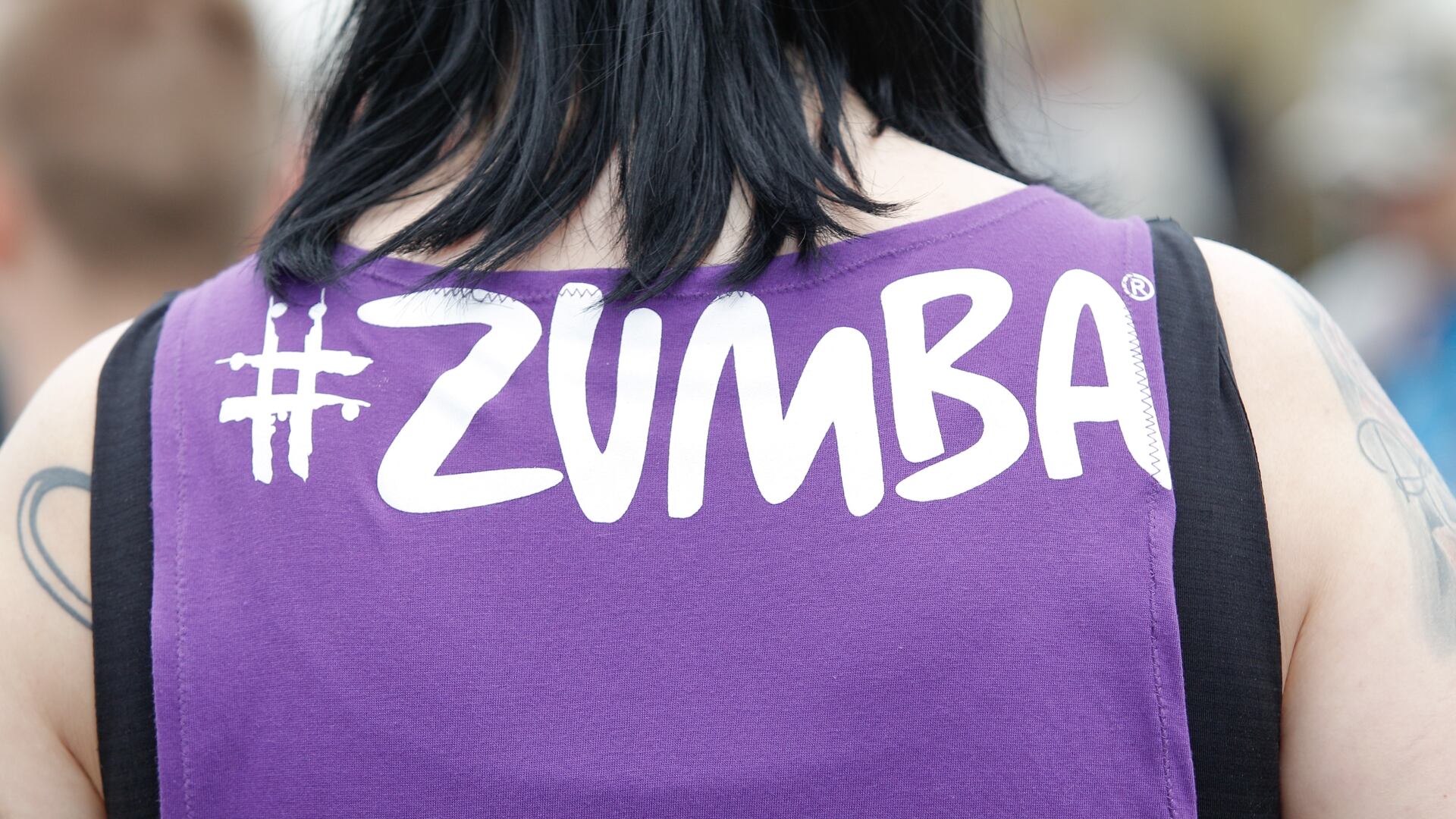
Alberto Perlman, CEO of Zumba, shares what users can find on its new app, the demand for in-person fitness classes, and the secret to remaining a go-to exercise brand for decades.
Jamie Meyers, Senior Securities Analyst from Laffer Tengler Investments, discusses why he believes the rally will widen to small cap stocks and how the latest economic data is impacting his strategy.
From Nvidia to Microsoft, Gil Luria, D.A. Davidson senior research analyst, breaks down the Magnificent Seven, plus whether the Vision Pro can move the needle for Apple.
Suzy Batiz, founder and CEO of ~Pourri, discusses creating Poo-Pourri, building out multiple businesses, and why she believes any problem can be overcome.
Fresh off his unanimous appointment as interim CEO, Dax Dasilva shares his strategy for Lightspeed and why growth and profitability are his biggest focus.
Eddie Ghabour, co-founder and owner of KEY Advisors Wealth Management, explains why he’s investing in India, what could happen if inflation rises again, and the long-term ‘debt bubble’ looming.
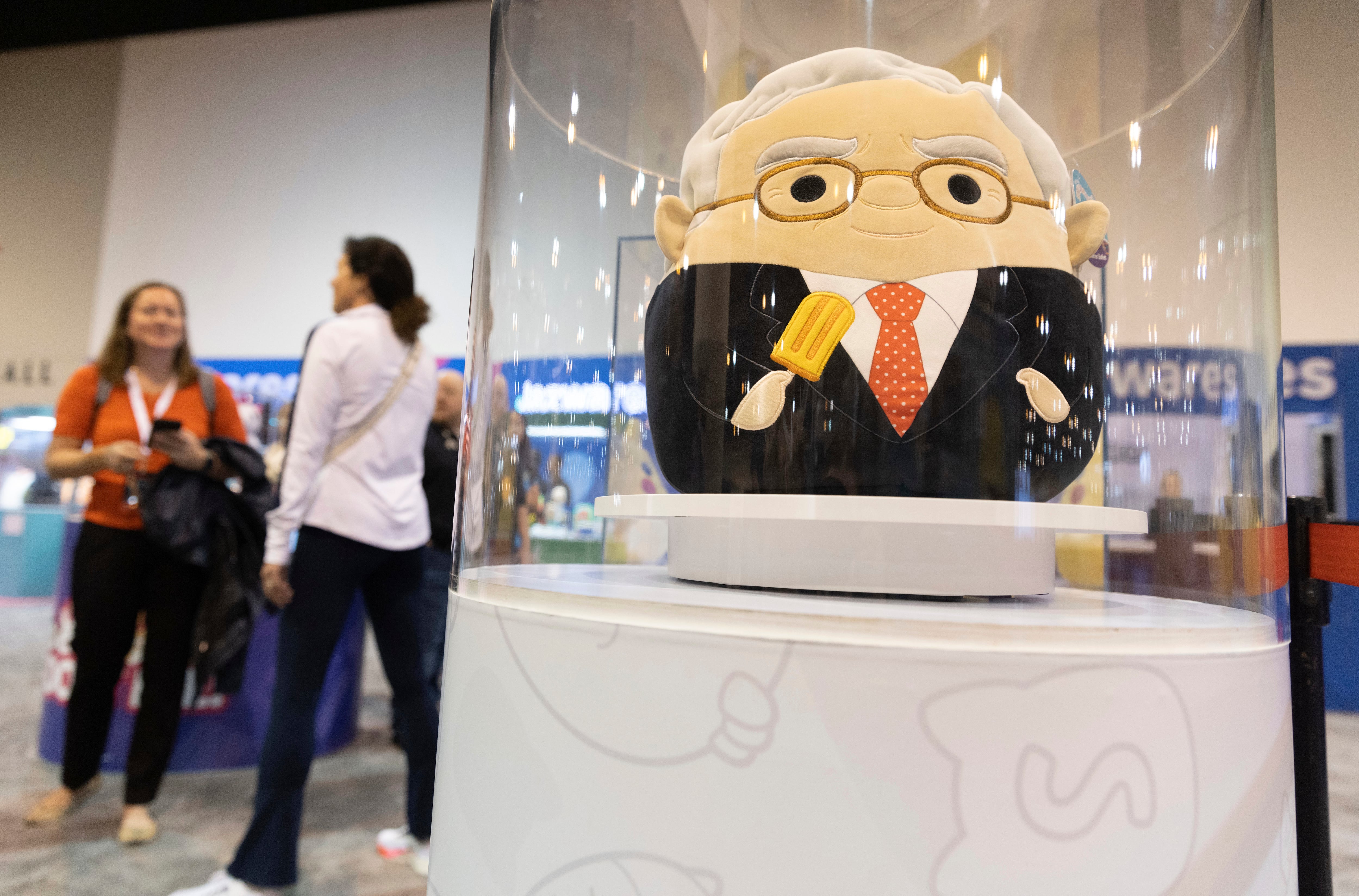
The company behind Squishmallows says Build-A-Bear's new Skoosherz toys are a copy of their own plushies. Build-A-Bear filed their own suit basically responding, "No they're not!"