Every three minutes, someone in the U.S. is diagnosed with blood cancer. These people often rely on bone marrow donations to survive, but getting a match can be difficult. To make registering easier, the non-profit DKMS has launched virtual bone marrow drives. Carina Ortel, CEO of DKMS, explains how an online drive works.
When it comes to donations, not all marrow is made equal. Ortel says studies show that blood stem cells from young men have been found to be the most successful long term after transplants. Finding a match has a lot to do with ancestry. African-Americans, Latinos, and Native Americans are highly underrepresented on the American bone marrow donor registry.
Marketers use a linguistic science called ‘Sound Symbolism’ to aid in naming brands and products. The science focuses on the sounds of words and how they can affect how people perceive a word. Join Cheddar as we examine just how brand names come to be formed and if a brand by any other name is just as lucrative.
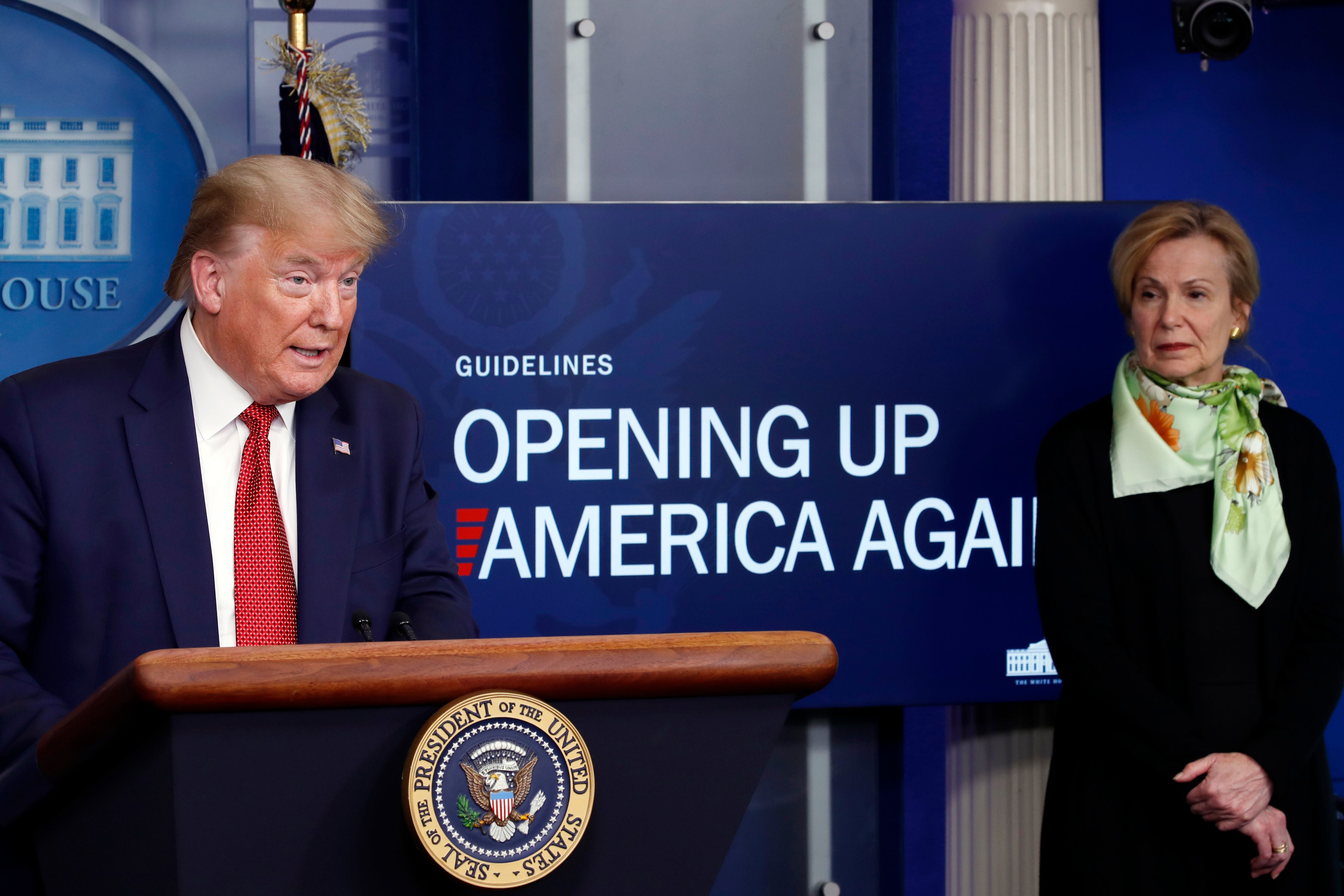
The Trump administration has shelved a set of detailed documents created by the nation’s top disease investigators meant to give step-by-step advice to local leaders deciding when and how to reopen public places during the still-raging pandemic.
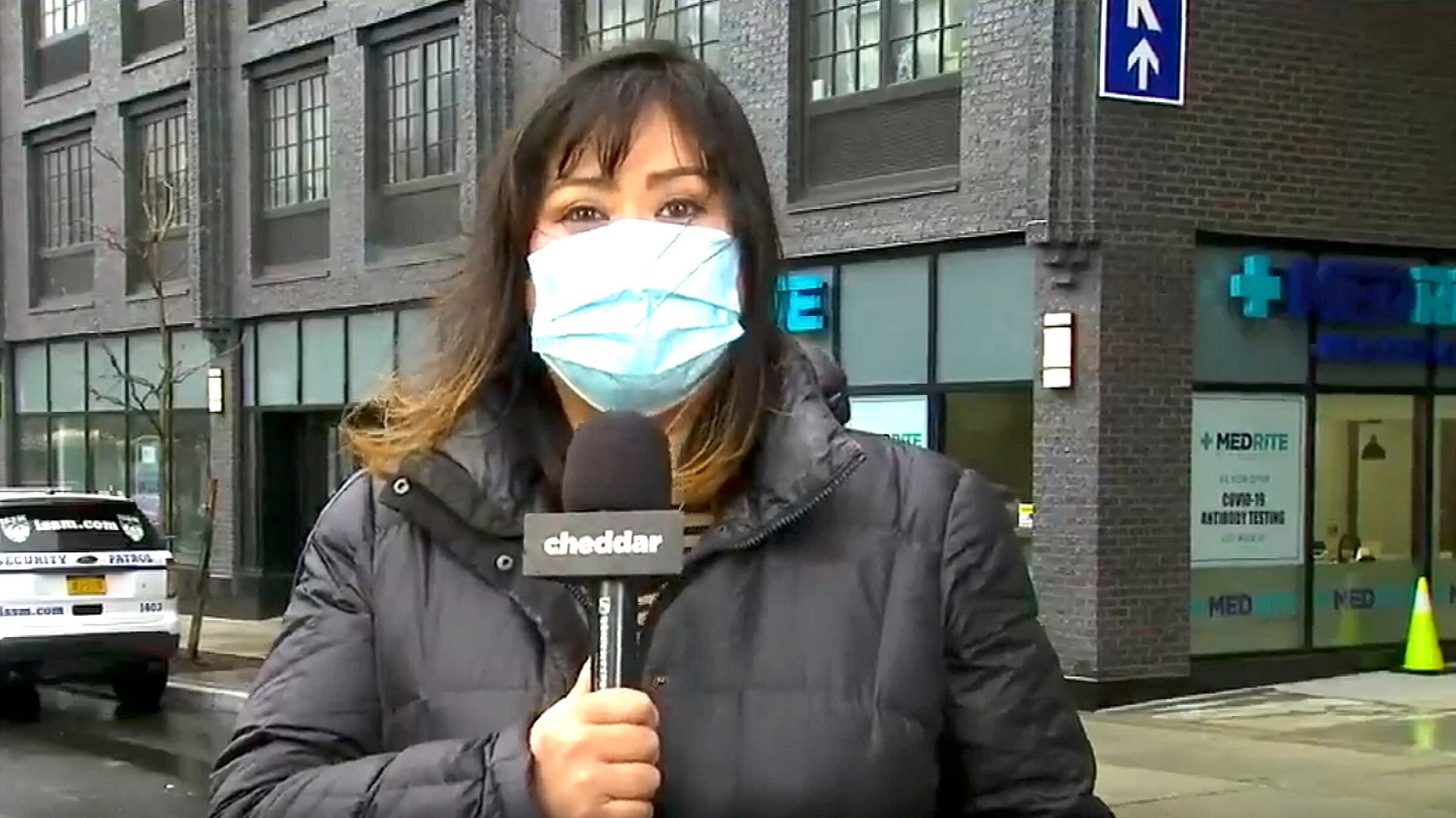
Cheddar's Michelle Castillo follows up on her antibody test, and breaks down why, despite some unavoidable risks, she may have remained coronavirus-free.
One day after saying that the COVID-19 task force would be winding down, President Donald Trump says it would continue on indefinitely, but focus on rebooting the economy.
An Associated Press analysis finds that taking the New York metropolitan area’s progress against the coronavirus out of the equation shows the rest of the U.S. moving in the wrong direction, with the infection rate rising even as states move to lift their lockdowns.
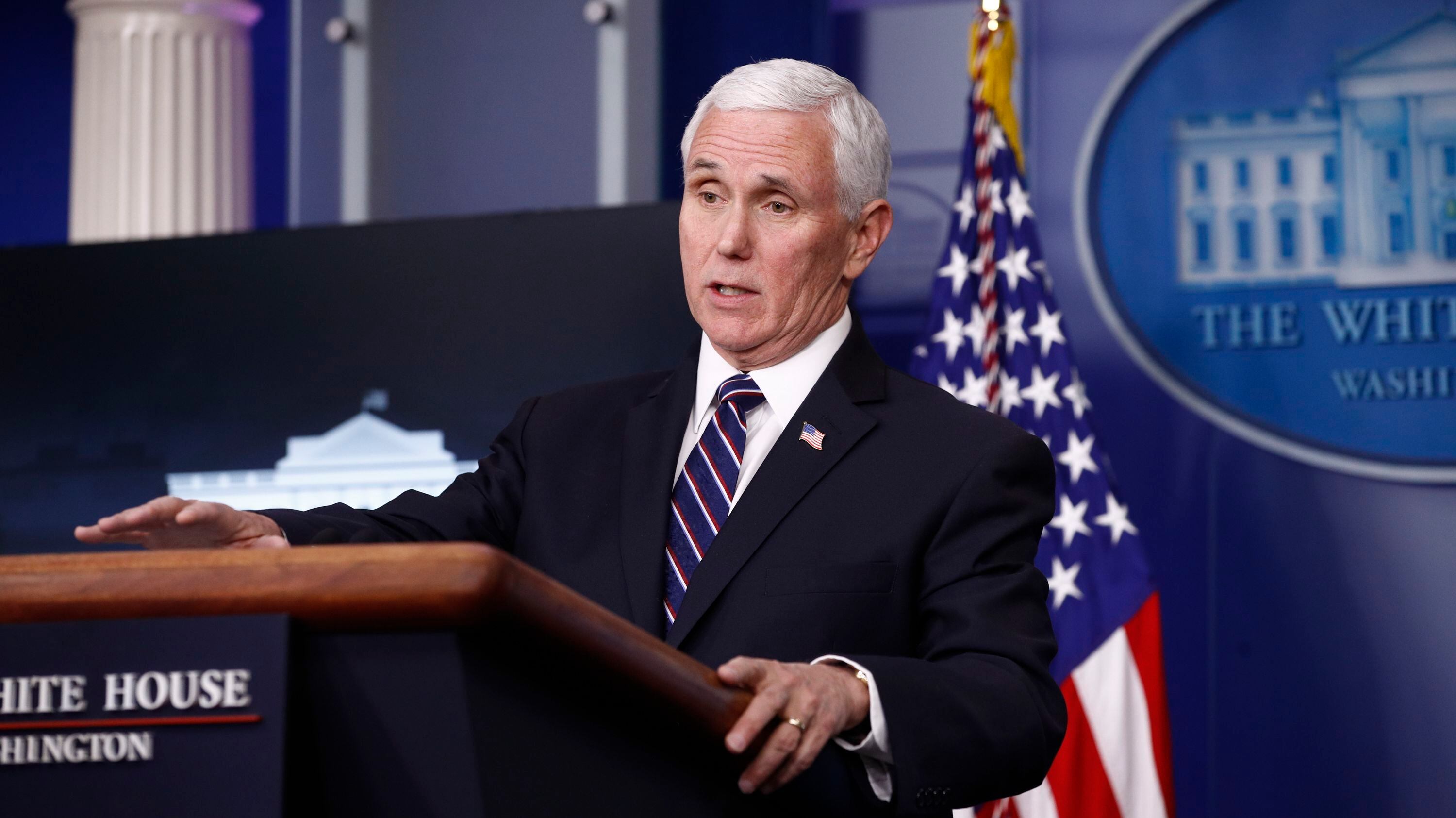
Vice President Mike Pence says the White House coronavirus task force could wind down its work by early June.
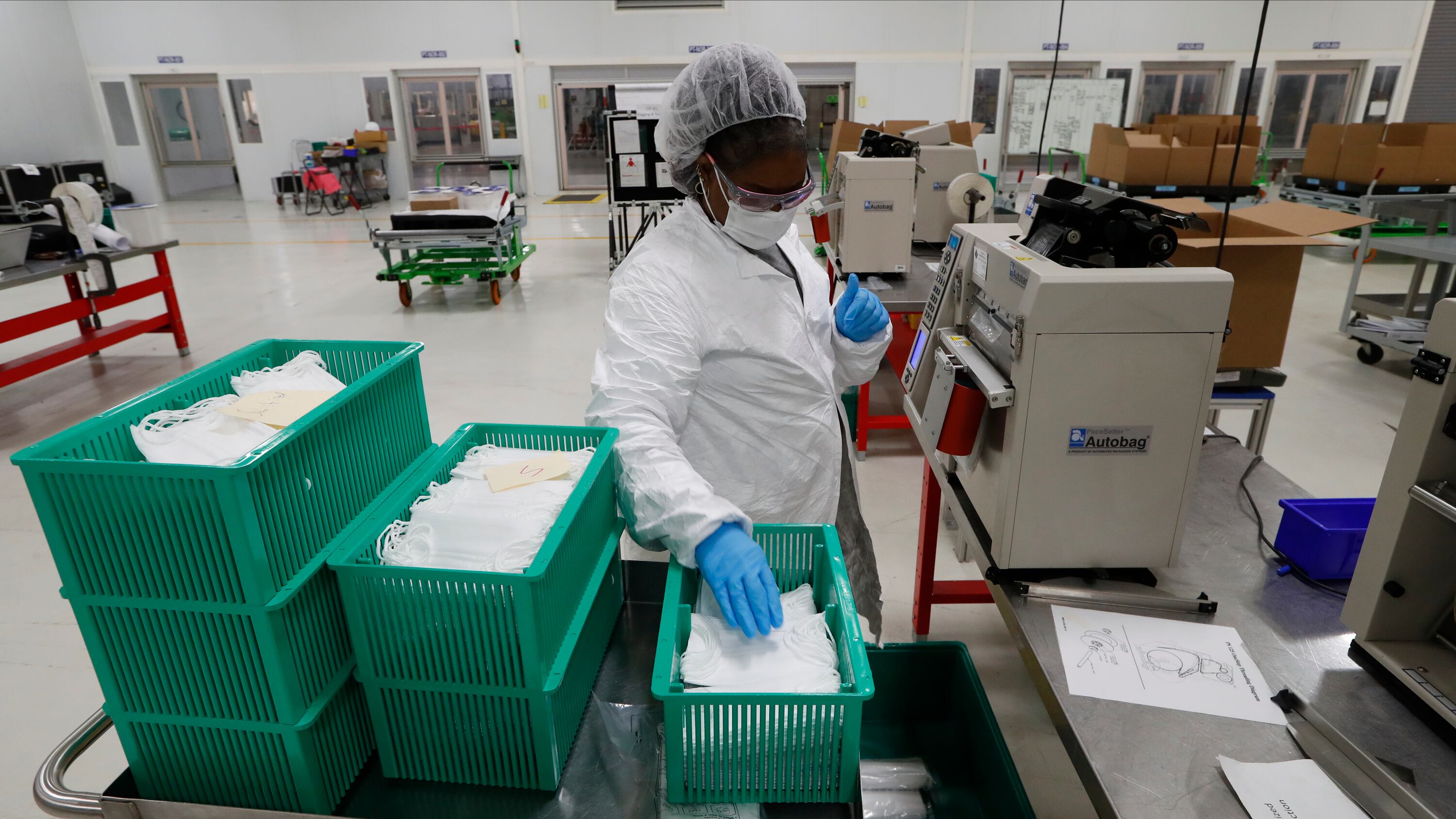
Companies across a wide swath of industries have found ways to give back to communities in their time of need amid the COVID-19 pandemic.
COVID-19 tests look for antibodies, which are proteins the body develops in response to toxic or foreign substances inside the bloodstream.
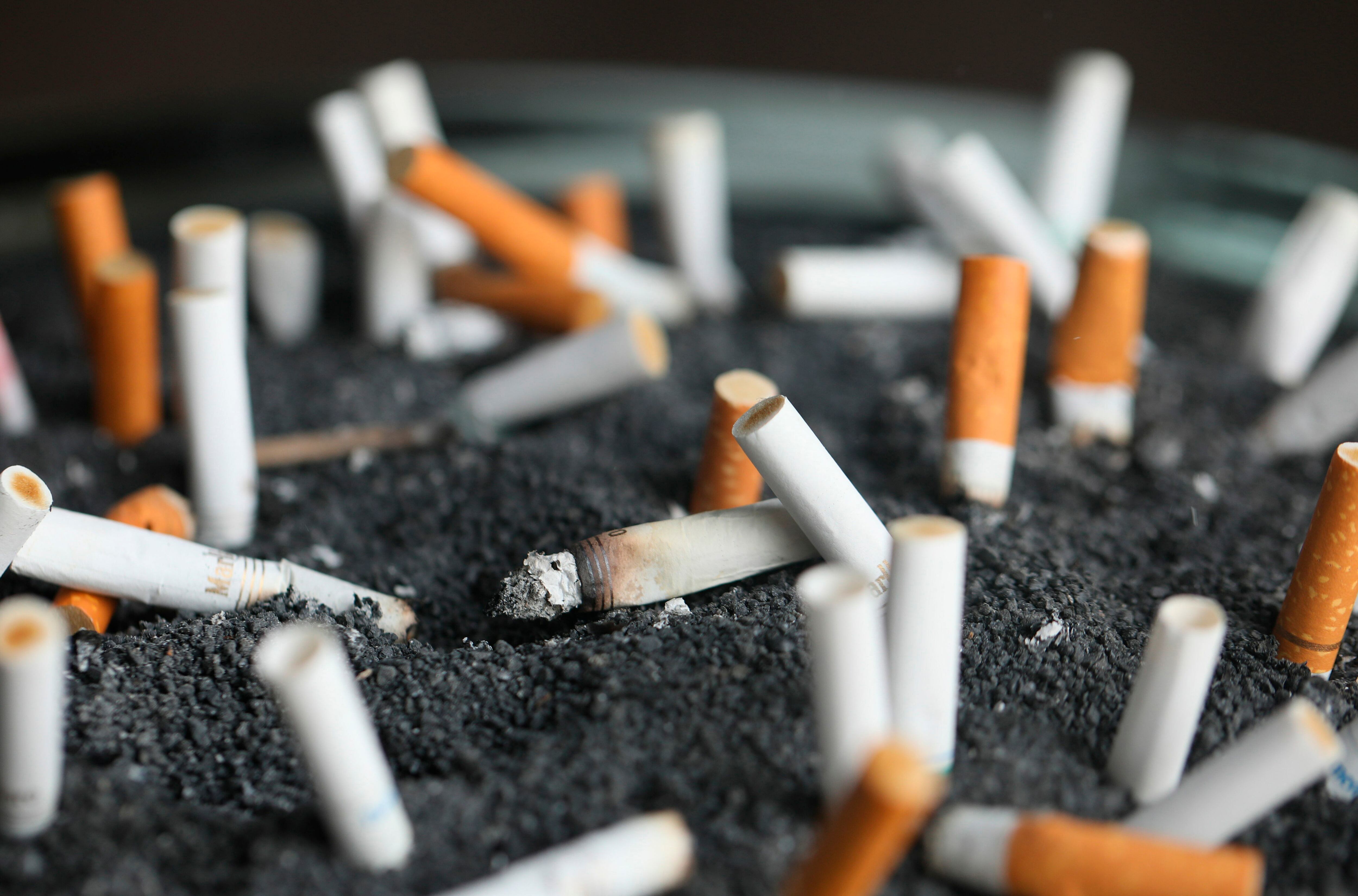
A new study out of a Paris hospital suggests nicotine may help prevent infection and serious illness from coronavirus — but doctors caution against picking up a smoking habit.
From Wall Street to Silicon Valley, these are the top stories that moved markets and had investors, business leaders, and entrepreneurs talking this week on Cheddar.