Every three minutes, someone in the U.S. is diagnosed with blood cancer. These people often rely on bone marrow donations to survive, but getting a match can be difficult. To make registering easier, the non-profit DKMS has launched virtual bone marrow drives. Carina Ortel, CEO of DKMS, explains how an online drive works.
When it comes to donations, not all marrow is made equal. Ortel says studies show that blood stem cells from young men have been found to be the most successful long term after transplants. Finding a match has a lot to do with ancestry. African-Americans, Latinos, and Native Americans are highly underrepresented on the American bone marrow donor registry.
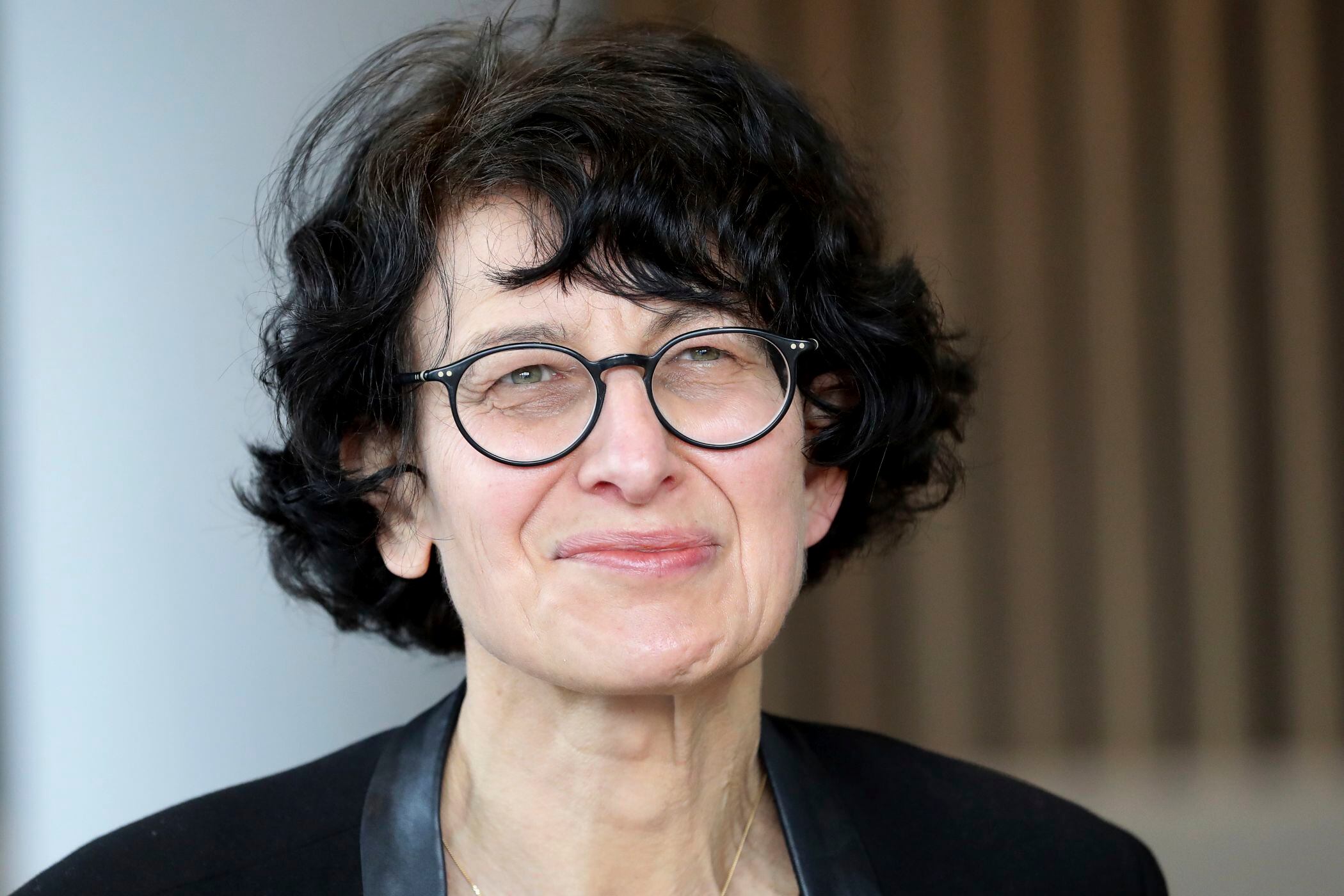
BioNTech co-founder Ozlem Tureci said she and her colleagues have all received the vaccine the company developed together with Pfizer. and said that the mRNA technology will be used to fight cancer “within only a couple of years.”
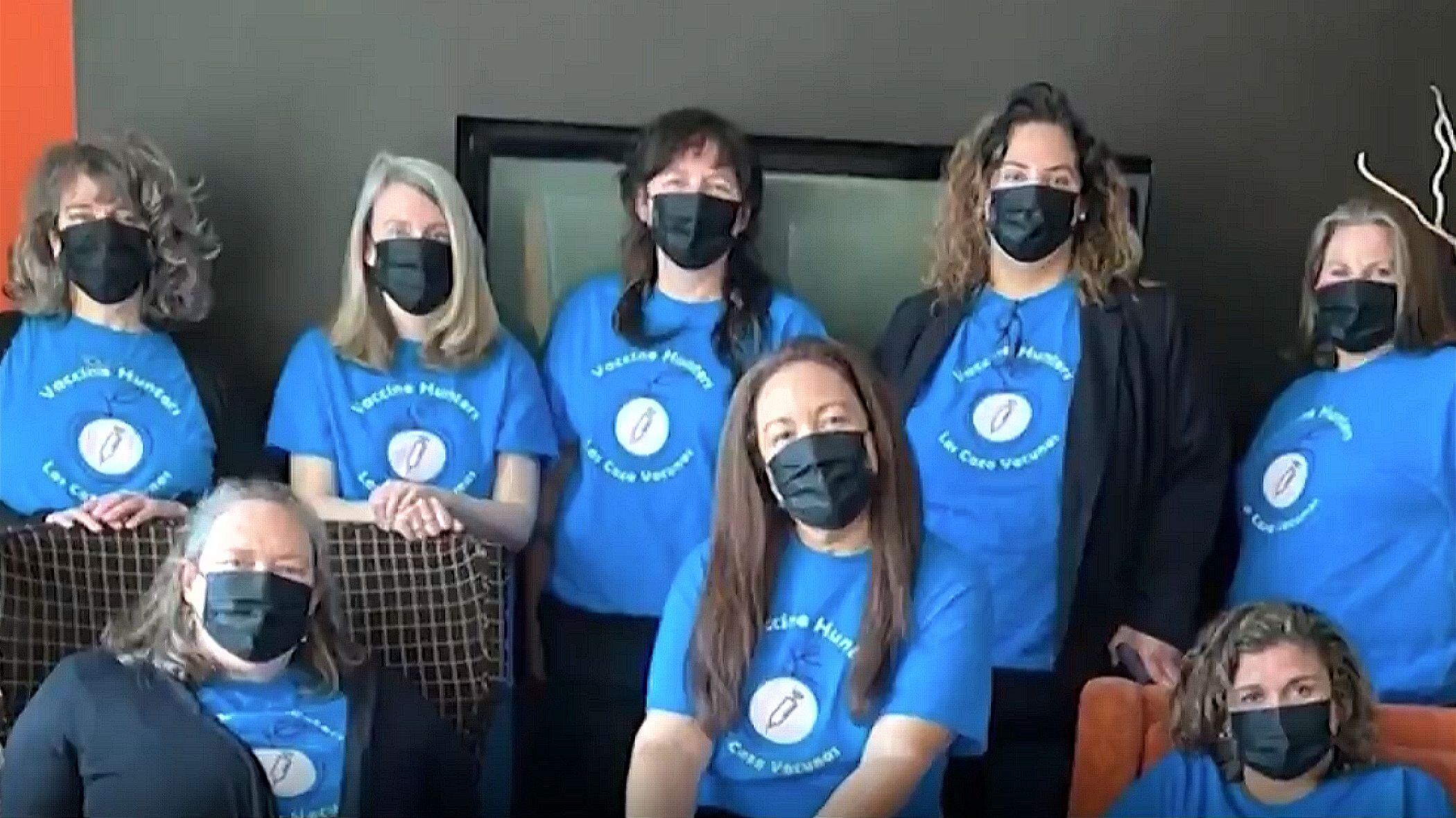
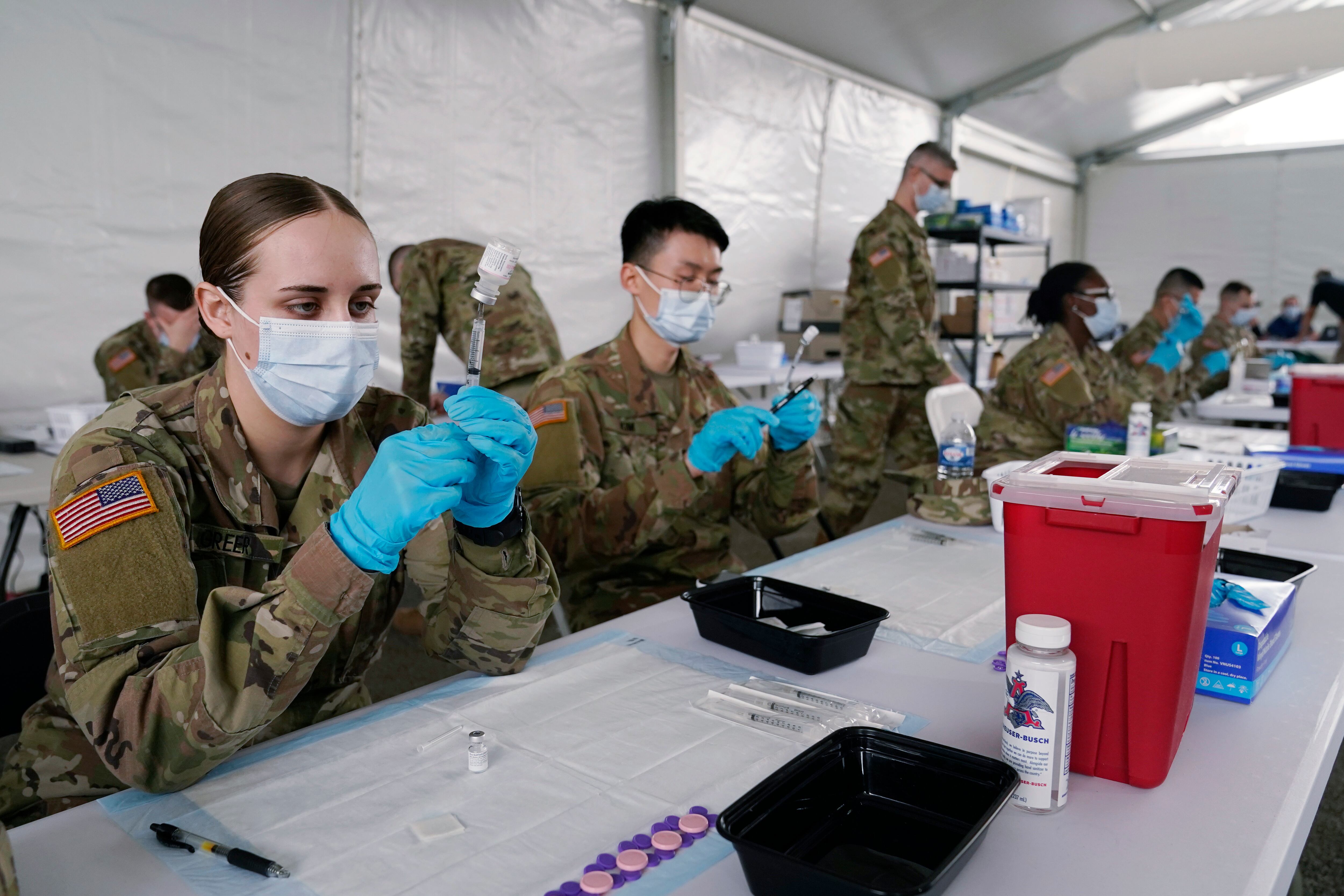
Cheddar talks to a group of Maryland teachers who took on the added task of hunting down vaccine appointments on behalf of the local seniors and Spanish-speaking populace.
NASA has completed an engine test firing of its moon rocket, after the first attempt in January ended prematurely.
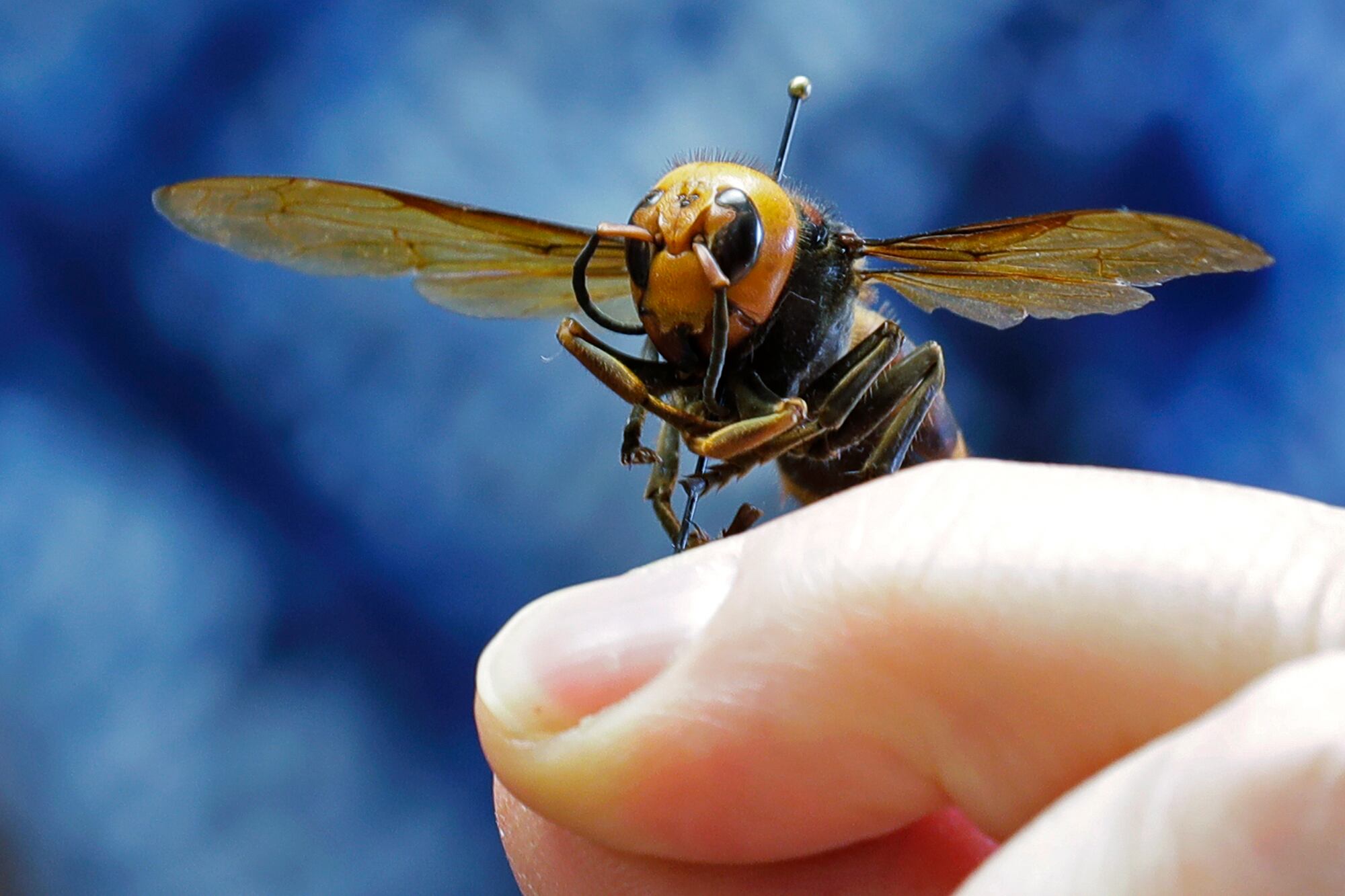
Scientists in the U.S. and Canada are opening new fronts in the war against so-called murder hornets as the giant insects begin establishing nests this spring.
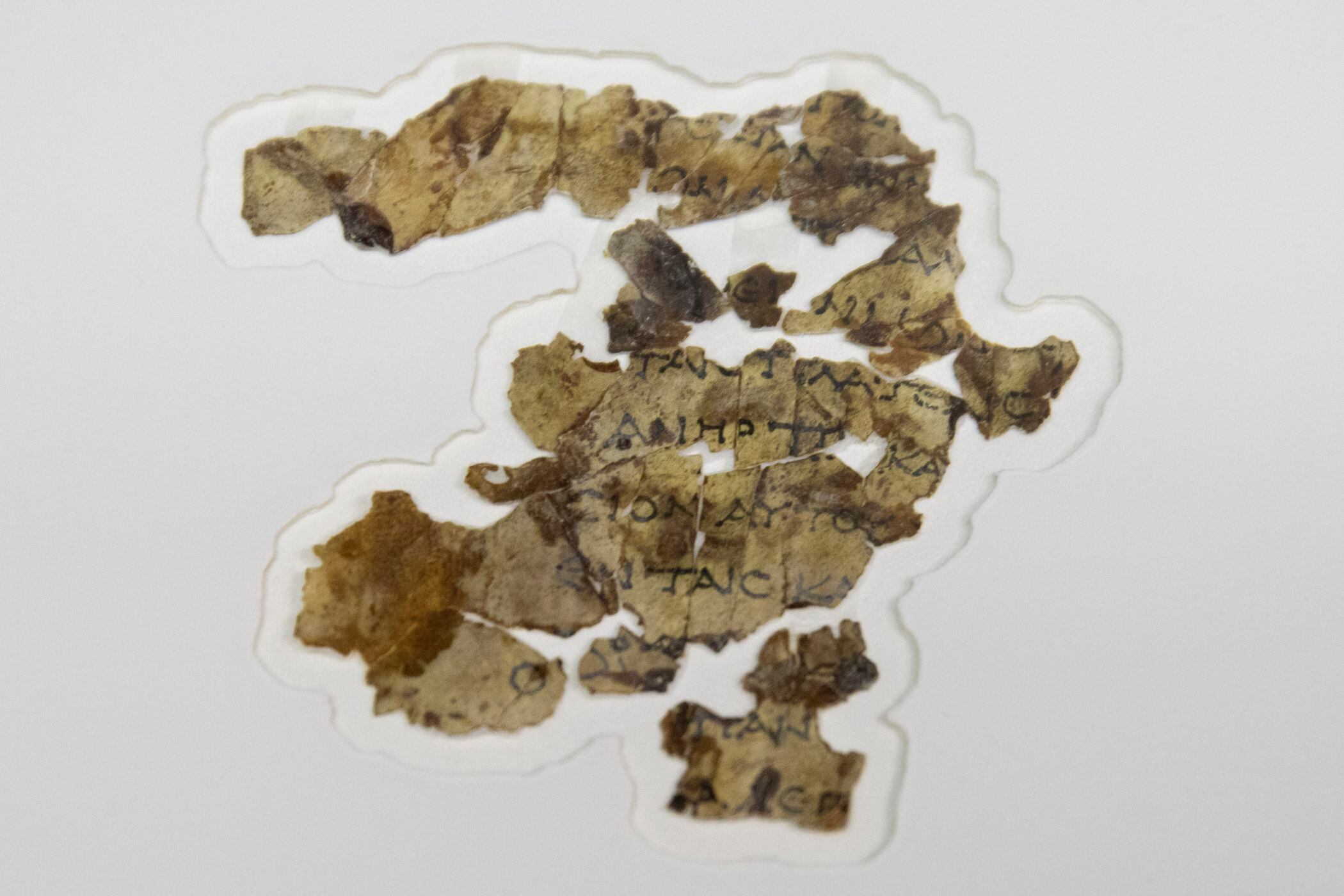
Israeli archaeologists have announced dozens of newly discovered Dead Sea Scroll fragments bearing a biblical text.
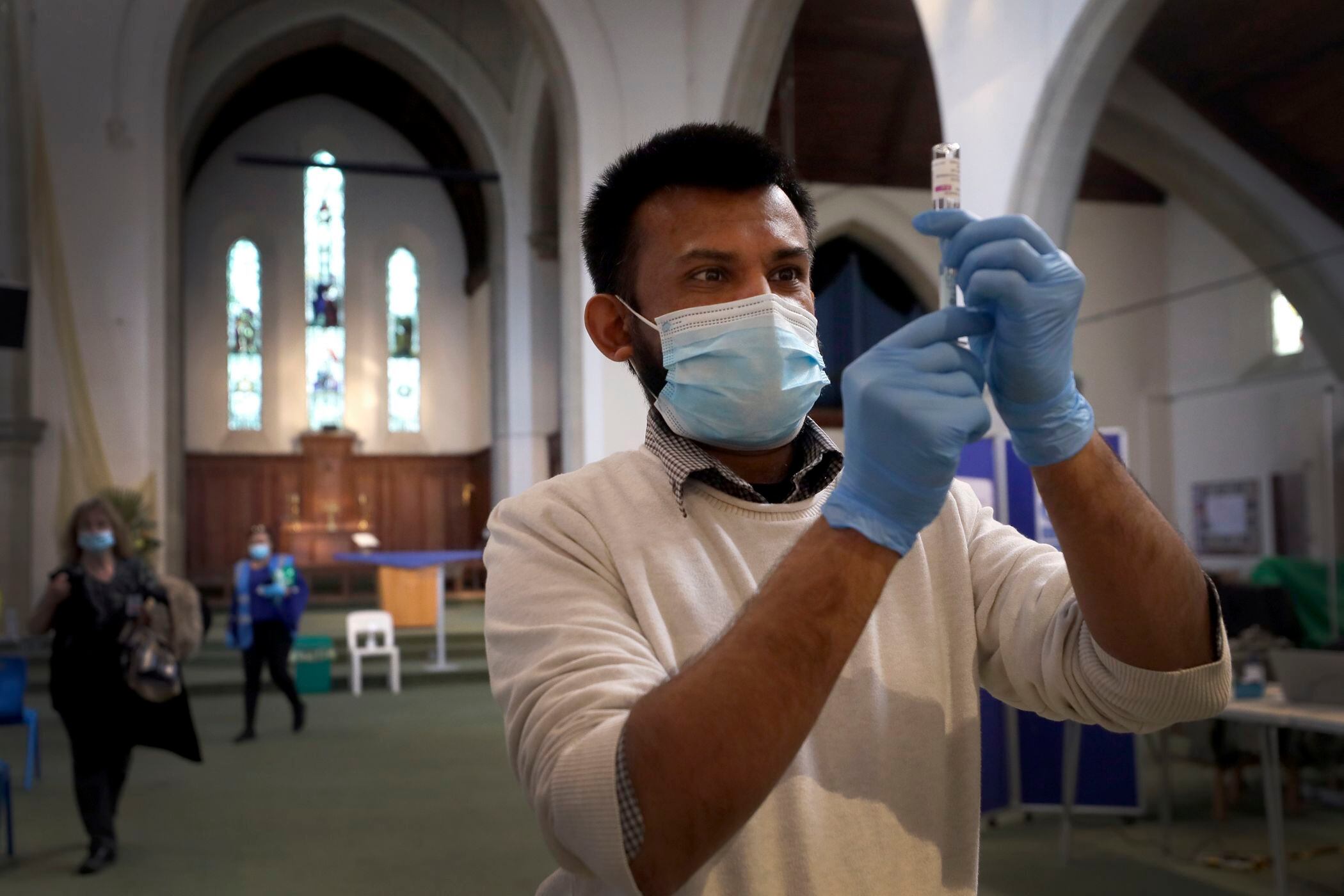
With COVID cases rising in many places, governments are facing the dilemma to push on with a vaccine that is known to save lives or suspend use of AstraZeneca over reports of dangerous blood clots in a few recipients.
From Wall Street to Silicon Valley, these are the top stories that moved markets and had investors, business leaders, and entrepreneurs talking this week on Cheddar.
Branden Chapman, the chief operating officer for The Recording Academy, spoke to Cheddar about the changes to the 63rd annual Grammy Awards as the latest show to change formats due to the pandemic.
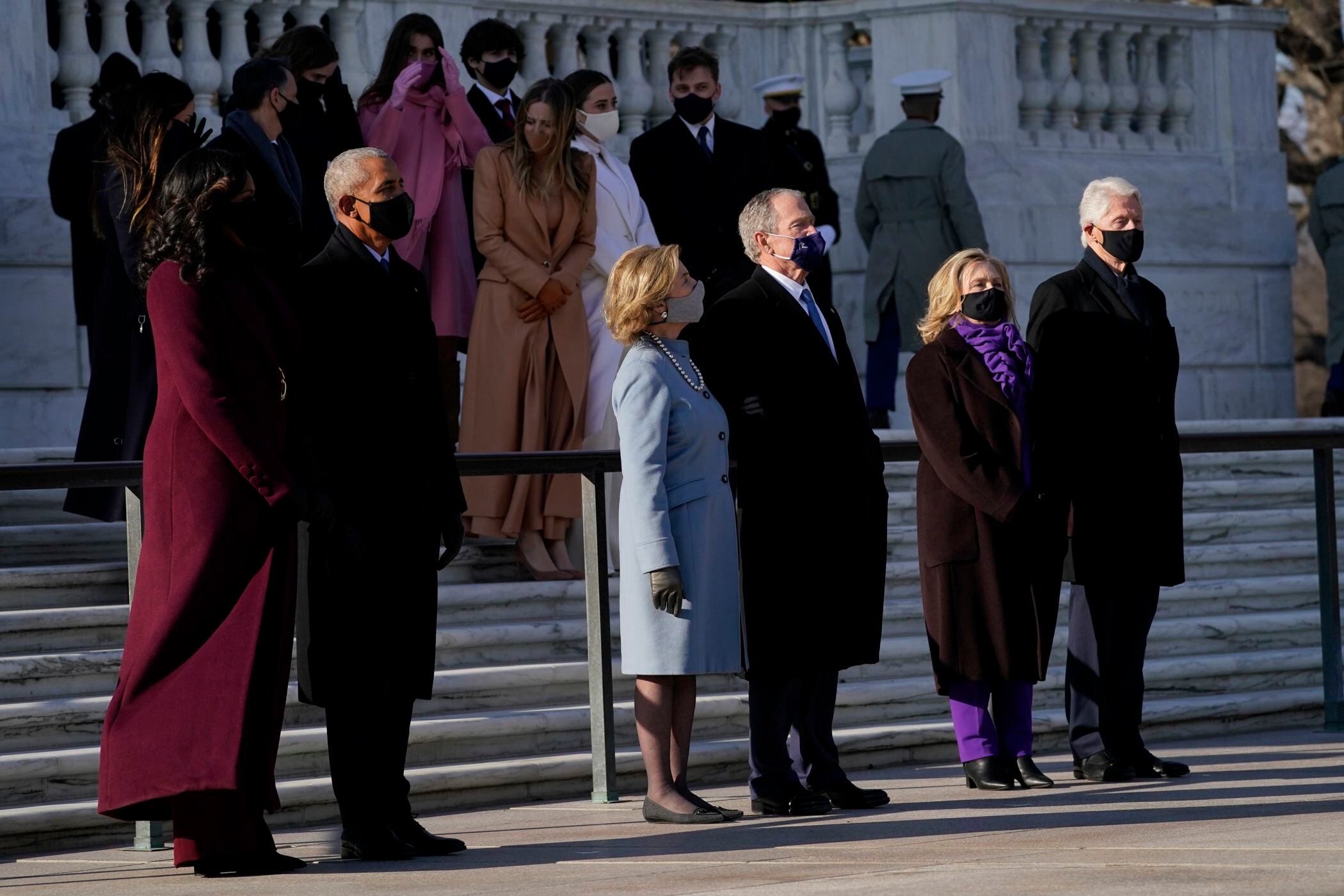
Four former presidents are urging Americans to get vaccinated as soon as COVID-19 doses are available to them, as part of a campaign to overcome hesitancy for the shots.
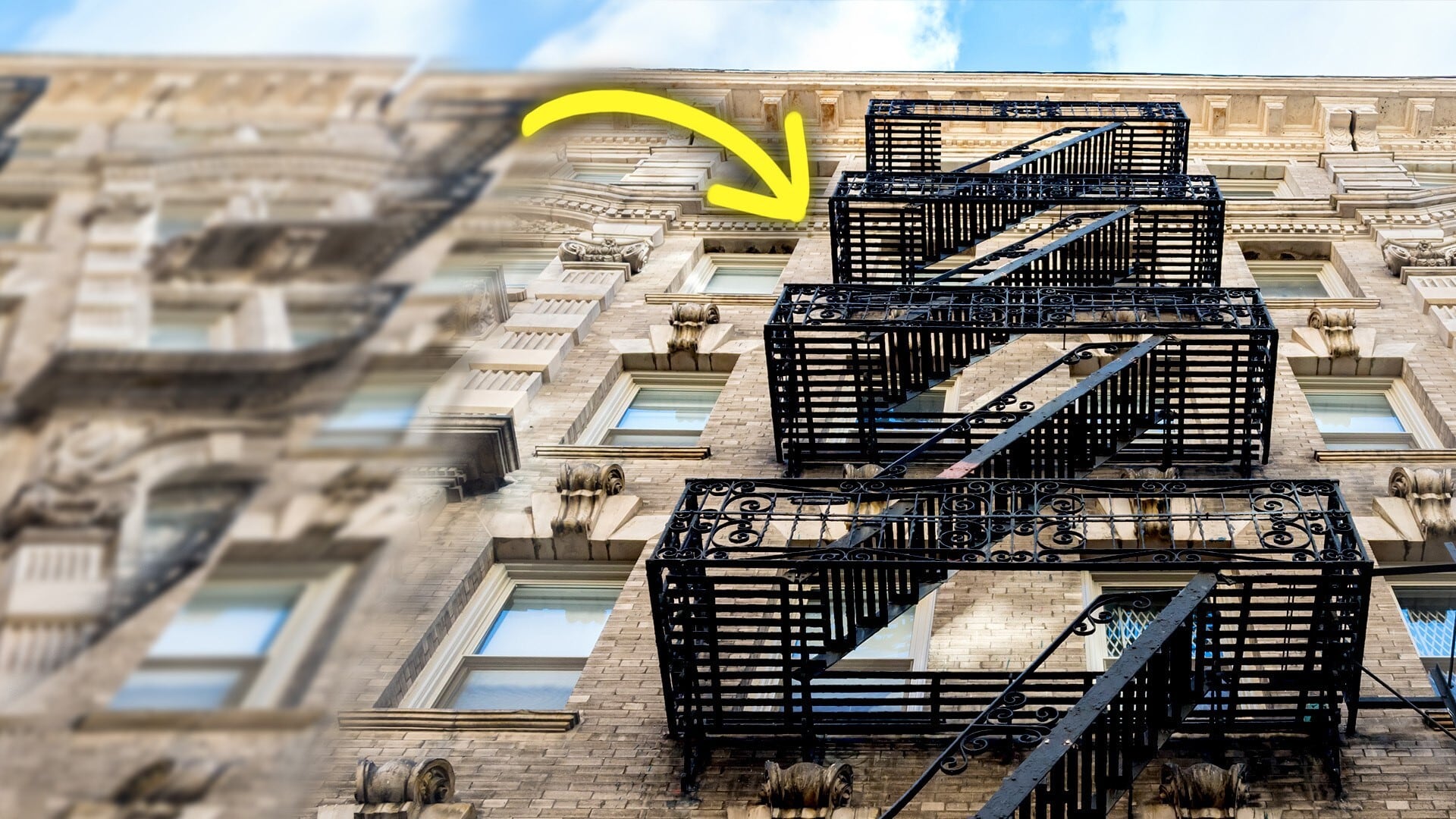
You can’t separate classic New York City architecture from the fire escape. They’re all over.