Every three minutes, someone in the U.S. is diagnosed with blood cancer. These people often rely on bone marrow donations to survive, but getting a match can be difficult. To make registering easier, the non-profit DKMS has launched virtual bone marrow drives. Carina Ortel, CEO of DKMS, explains how an online drive works.
When it comes to donations, not all marrow is made equal. Ortel says studies show that blood stem cells from young men have been found to be the most successful long term after transplants. Finding a match has a lot to do with ancestry. African-Americans, Latinos, and Native Americans are highly underrepresented on the American bone marrow donor registry.
The ongoing Avian flu, popularly referred to as the bird flu, is ravaging bird communities and is even crossing over into other mammal populations.
The life-saving overdose reversal agent Narcan is one step closer to being easily accessed by the general public.
Once COVID-19 hit, the demand for mental health services skyrocketed, and with in-person care suspended, many turned to digital services — which led to a disturbing breach of data privacy.
Quaoar, a dwarf planet with a ring, has some astronomers scratching their heads over its much wider than expected ring system.
More details are emerging out of East Palestine, Ohio with officials discovering three additional chemicals following the Norfolk Southern train derailment and controlled burn of hazardous materials.
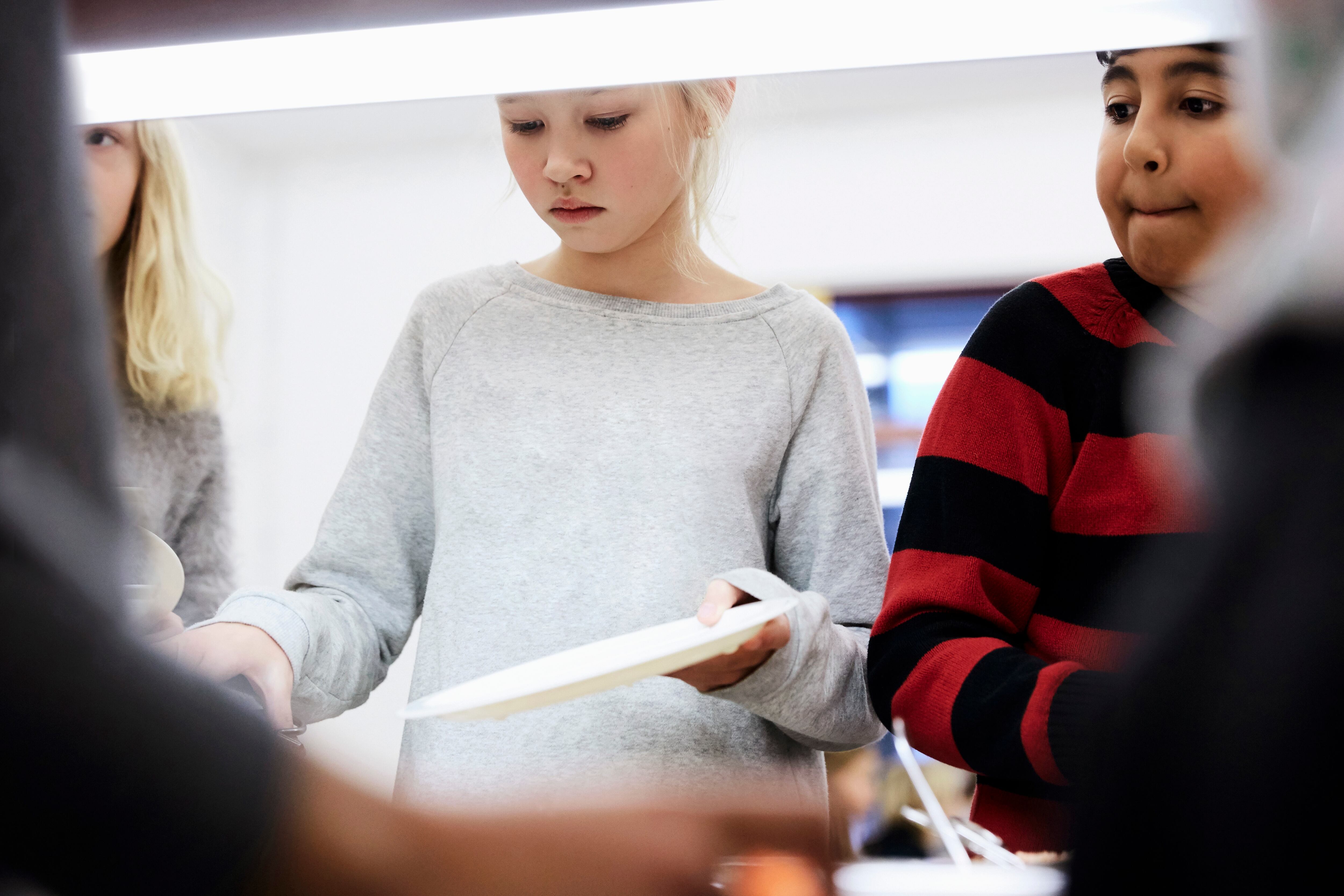
An Obama-era change to school lunches could be linked to a drop in childhood obesity rates, a new study suggests.
Teen girls are experiencing record levels of sadness, according to a report from the CDC.
A study by the Pew Research Center found that three in 10 Americans are single and nearly half of them are turning to dating apps to find companionship.
Seonghoon Woo, CEO of Amogy, joined Cheddar News to discuss its ammonia-powered, zero-emission semi-truck in an effort to de-carbonize transportation.
NASA is launching a scientific mission to Mars using Blue Origin's New Glenn rocket.