How One Company Is Using A.I. to Make Custom Emojis
From Apple's Animojis to Bitmoji, the emoji world is beginning to merge technology with self-expression. Mirror A.I.'s Serge Faguet joins Cheddar to discuss his company's keyboard, which uses facial recognition to make custom emoji. He explains the research and development that went into creating the app's software.
The co-founder and CEO also gives his take on the emoji industry's landscape. He says his company has a leg up on Bitmoji, thanks to its facial-recognition software and the ability to make likenesses of friends, in addition to oneself. He says this makes the app inherently more social, which gives it an advantage over competitors.
Finally, we discuss what the future of emoji may hold in store. Faguet says his company is exploring entering the VR and personalized advertising spaces. We also discuss how celebrities are using custom emoji keyboards to market their brands.
Neuralink, Elon Musk's brain implant venture, is reaching out to major U.S. neurosurgery centers to potentially begin testing its devices on humans, according to a Reuters report.
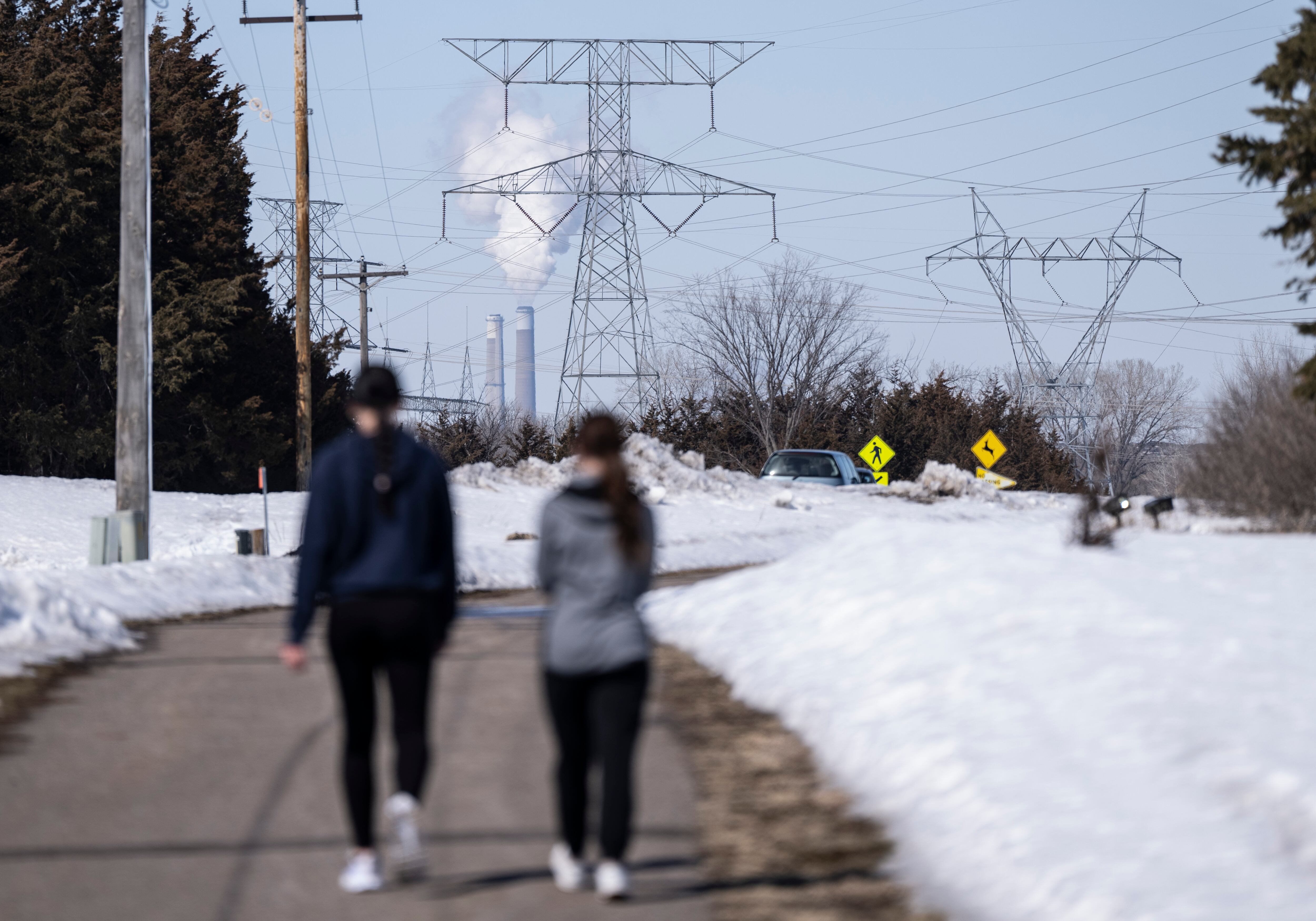
A Minnesota utility began shutting down a nuclear power plant near Minneapolis on Friday after discovering water containing a low level of radioactive material was leaking from a pipe for the second time. While the utility and health officials say it is not dangerous, the issue has prompted concerns among nearby residents and raised questions about aging pipelines.
Some parts of Twitter's source code — the fundamental computer code on which the social network runs — were leaked online, the social media company said in a legal filing that was first reported by The New York Times.