How One Company Is Using A.I. to Make Custom Emojis
From Apple's Animojis to Bitmoji, the emoji world is beginning to merge technology with self-expression. Mirror A.I.'s Serge Faguet joins Cheddar to discuss his company's keyboard, which uses facial recognition to make custom emoji. He explains the research and development that went into creating the app's software.
The co-founder and CEO also gives his take on the emoji industry's landscape. He says his company has a leg up on Bitmoji, thanks to its facial-recognition software and the ability to make likenesses of friends, in addition to oneself. He says this makes the app inherently more social, which gives it an advantage over competitors.
Finally, we discuss what the future of emoji may hold in store. Faguet says his company is exploring entering the VR and personalized advertising spaces. We also discuss how celebrities are using custom emoji keyboards to market their brands.
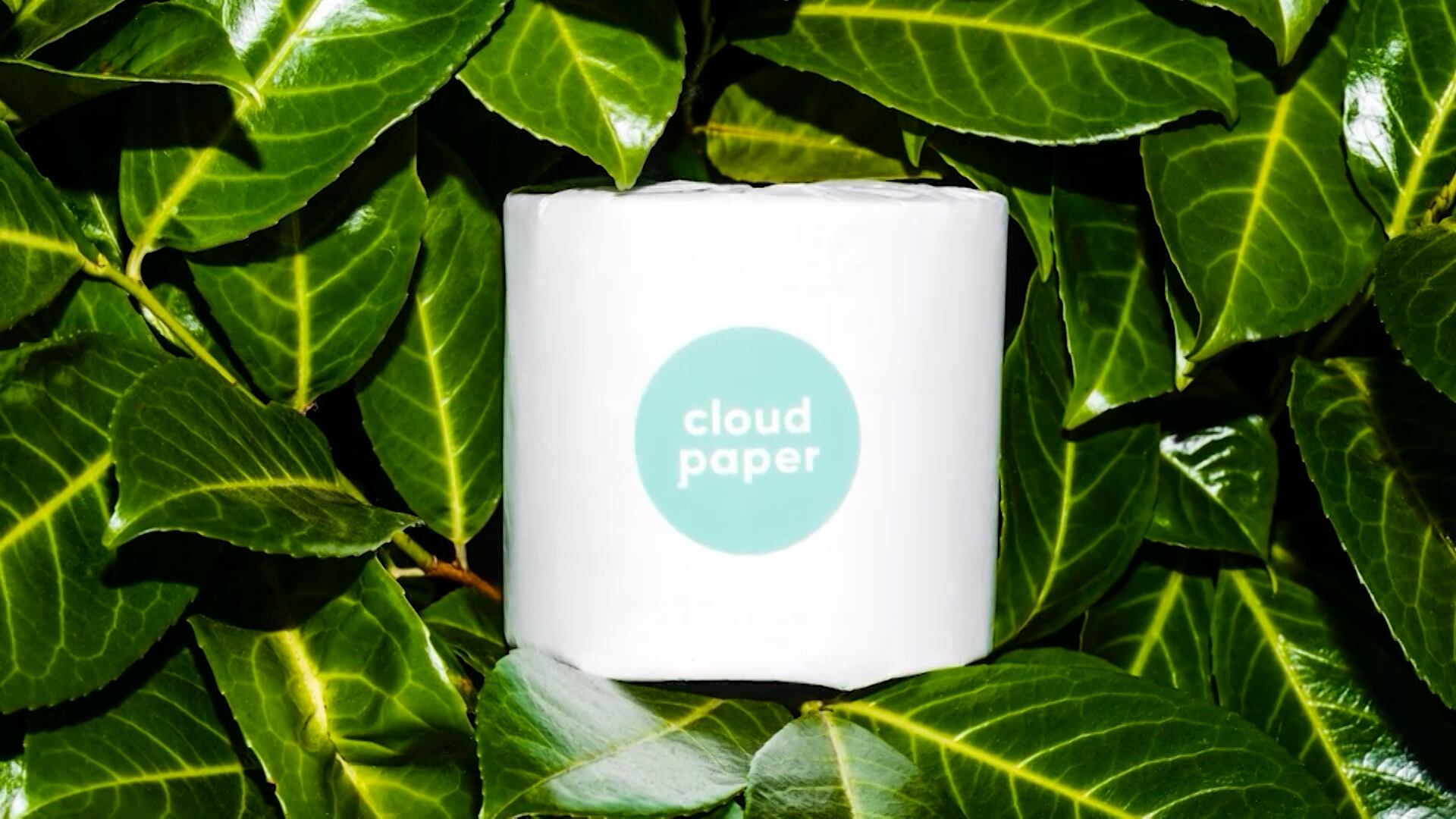
Bamboo-based toilet paper company Cloud Paper raised $5 million in a recent funding round. Its product is a bamboo-based alternative to traditional toilet paper made from trees, and its mission is to end the deforestation caused by traditional paper products. Cloud Paper says the raise will allow it to make significant investments in its supply chain, product development, and hiring. Ryan Fritsch, a co-founder of Cloud Paper, joined Cheddar News' Closing Bell to discuss.
The Biden Administration has now issued new guidelines when it comes to carbon capture. The new guidelines handed down this week encouraged the widespread use of climate attacks that traps and stores carbon emissions. The goal here is the process would help keep carbon out of the atmosphere without requiring a whole lot of change by big companies and manufacturing plants. Several scientists say that this method would be crucial to help us decrease the use of carbon emissions by the year 2050. Professor of Civil and Environmental Engineering at Stanford University, Mark Jacobson, joined Cheddar to discuss more.
Ellen Goodwin, Co-Founder and Chief Solutions Officer of Artifcts, joins ChedHER to discuss how she's creating a platform to preserve the history of your belongings, and her experience succeeding in male-dominated industries.