How Nicolas Cage Used "Cage Rage" to Prep for His Latest Film
Nicolas Cage is on a bloody hunt in his latest action thriller “Mandy.” So how does the Oscar-winning actor prepare for such a role?
“For me, film performance is like music, and I think all great art aspires to be music,” Cage told Cheddar in a recent interview. “And when I read the script I saw the notes that I could hit, in terms of my own life experience and emotional resources, so I can play [Red Miller] authentically.”
Joined by “Mandy” writer and director Panos Cosmatos and co-actor Linus Roache, Cage premiered his first film at Sundance this past week and says that he’s thrilled to participate in the festival.
But the movie landscape has been changing, as more viewers opt to see films at home or via streaming platforms such as Netflix or Hulu.
While some actors would say that films were intended for the big screen, and in most cases Cage certainly agrees, he noted that movies like 1983’s cult classic “Videodrome” are best watched at home.
“That movie is about a virus that’s going through the cathode ray tube, so if you’re watching on TV it [feels like it] could happen to you,” he said.
For full interview [click here](https://cheddar.com/videos/actor-nicolas-cage-on-the-making-of-revenge-thriller-mandy).
The U.S. economy is being held up in part by the AI boom, but that boom could still lead to broader prosperity or inequality, says a Nobel Prize winner.
Foundation Robotics co-founder Michael LeBlanc explains how humanoid robots are moving from the lab to military and industrial missions and what comes next.
Jeff Burnstein, President of the Association for Advancing Automation (A3), discusses humanoid robots, AI, smart manufacturing, and the future of U.S. industry.
Should kids be banned from social media? Nick Lichtenberg of Fortune breaks down the global push to restrict under-16 users and what it means for Big Tech.
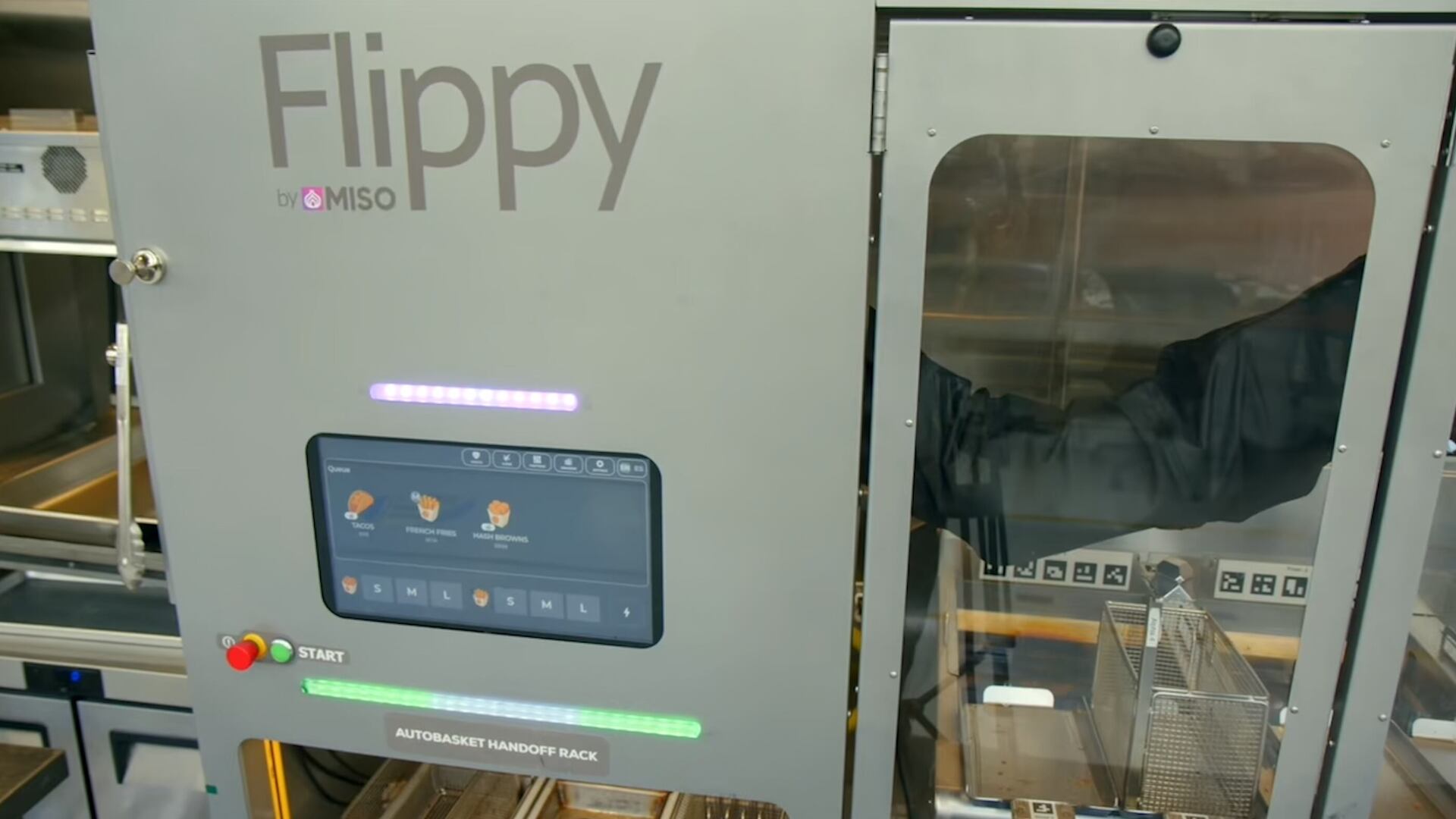
Miso Robotics CEO Rich Hull discusses Flippy Fry Station, the future of AI-powered restaurant automation and how acquiring Zume's IP could reshape food robotics
After two years of AI-fueled spending, Wall Street is asking what's next. Gil Luria breaks down monetization, valuations, winners, losers, and AI's future.