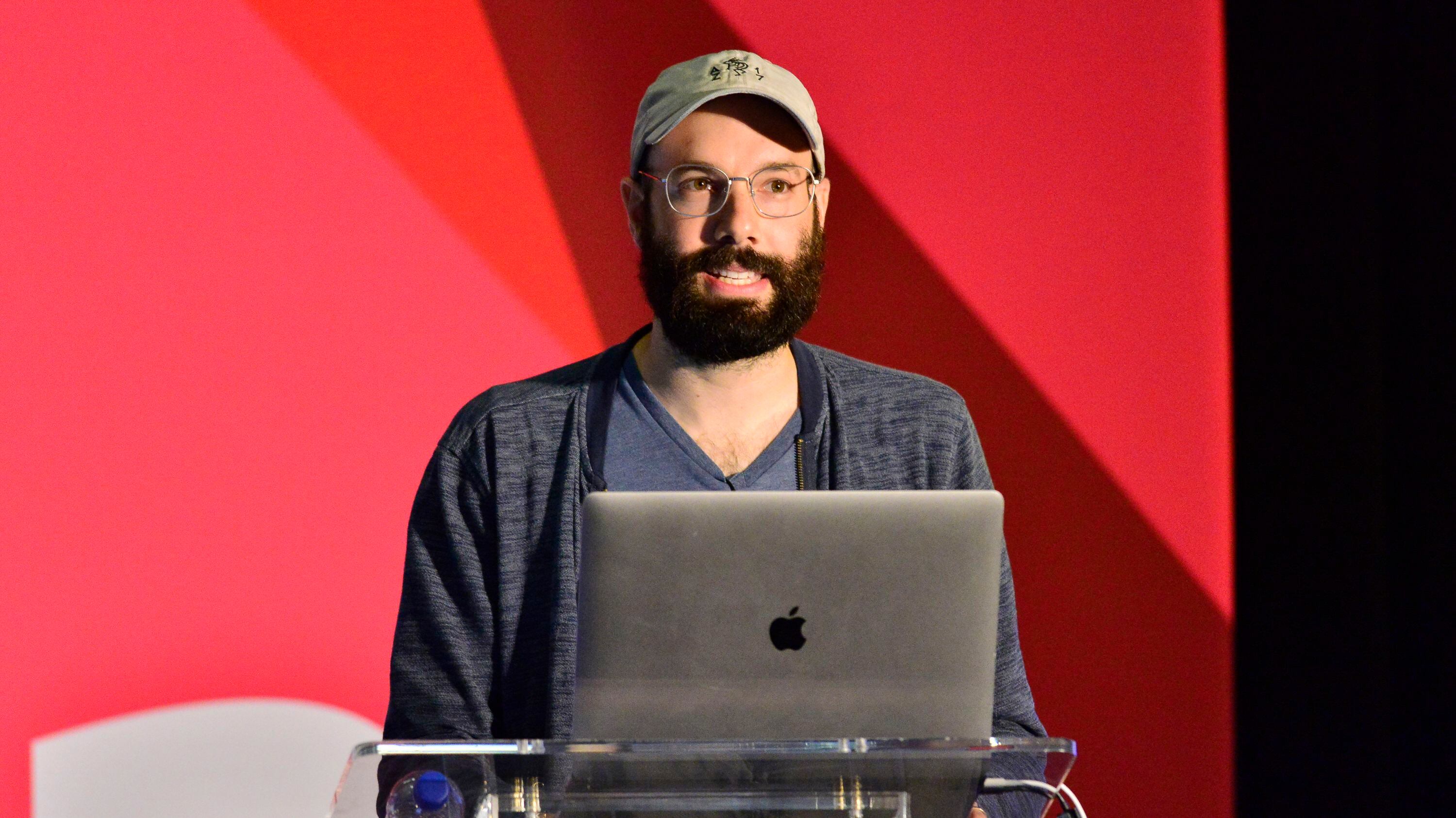
This week Mitipi launched a Kickstarter campaign for its virtual roommate device "Kevin." In just 19 hours the company met its goal of $50,000 in funding. Mitipi's Founder and CEO Julian Stylianou explains why he thinks this device will reinvent smart home technology, and security.
"We have a new angle, we are doing smart security differently than anybody else," said Stylianou. He explains this product leverages audio and light effects to deter burglars from entering homes.
Stylianou says he hopes to bring this product to consumers in late 2018, and it will cost around $300-$400.
In the 1980's and 90's, the solar car was deemed the future of transportation. Yet, just as quickly as it arrived, the solar car disappeared. But today, as the problems caused by our reliance on fossil fuels have grown, so has a demand for alternative sources of energy for our vehicles. While electric cars are rapidly gaining a larger share of the automotive market, this technology still relies on electricity from a grid often fueled by petroleum or coal. And this is why some companies today are again trying to harness the most powerful energy source we know: the sun.
Electric vehicle maker, Nikola, announced a partnership with General Motors to construct its electric pick up truck, the Badger. Founder and executive chairman, Trevor Milton, joined Cheddar to production timeline and benefits of joining GM.
From Wall Street to Silicon Valley, these are the top stories that moved markets and had investors, business leaders, and entrepreneurs talking this week on Cheddar.
Stocks fell sharply on Wall Street Thursday as high-flying technology companies took a tumble after months of spectacular gains.
With just two months left until the U.S. presidential election, Facebook says it is taking additional steps to encourage voting, minimize misinformation and reduce the likelihood of post-election “civil unrest.”
Patreon has been valued at over $1.2 billion as the coronavirus pandemic forces creators find new outlets. CEO Jack Conte joined Cheddar to discuss the company's vision.
Altice USA, Cheddar's parent company, has made an offer to purchase the rest of Cogeco, which owns Atlantic Broadband. Altice USA will sell the Canadian assets to Rogers Communications.
Samsung’s second attempt at a foldable smartphone will come with a $2,000 price tag and a few elite perks aimed at affluent consumers still able to afford the finer things in life during tough times.
Facebook said Tuesday that it removed a small network of accounts and pages linked to Russia's Internet Research Agency, the “troll factory" that has used social media accounts to sow political discord in the U.S. since the 2016 presidential election.
West Virginia University has developed technology that can predict coronavirus outbreaks with 90 percent accuracy. Dr. Ali Rezai, executive chair of WVU's Rockefeller Neuroscience Institute, joined Cheddar to discuss the technology and protocols the university will implement to mitigate the spread of COVID-19.