How Mitipi is Reinventing Home Security with Virtual Roommate "Kevin"
This week Mitipi launched a Kickstarter campaign for its virtual roommate device "Kevin." In just 19 hours the company met its goal of $50,000 in funding. Mitipi's Founder and CEO Julian Stylianou explains why he thinks this device will reinvent smart home technology, and security.
"We have a new angle, we are doing smart security differently than anybody else," said Stylianou. He explains this product leverages audio and light effects to deter burglars from entering homes.
Stylianou says he hopes to bring this product to consumers in late 2018, and it will cost around $300-$400.
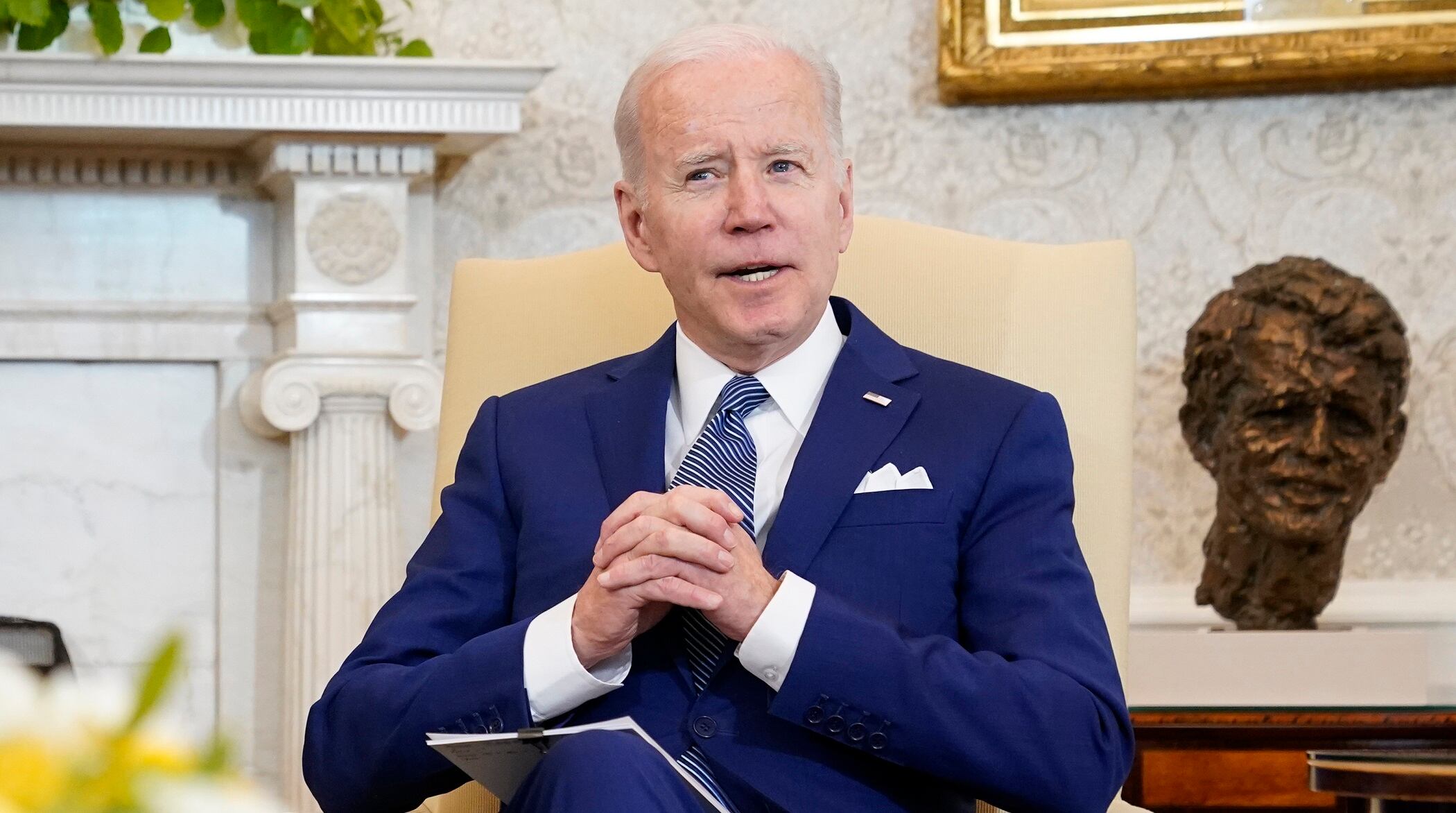
President Biden issued his first executive to begin determining how the United States will move forward on digital currencies. Charlotte Principato, a financial services analyst for Morning Consult, joined Cheddar News Wrap to discuss. "What this executive order says is that crypto is mainstream," she said. "The United States has put our hat in the race to create a central bank digital currency and one with the power of the U.S. dollar behind it, so I think it's a really exciting time for both the cryptocurrency and the digital asset world."
President Joe Biden on Wednesday signed a long-awaited executive order on cryptocurrencies, striking a careful balance between highlighting the risks of digital assets and touting their potential benefits.
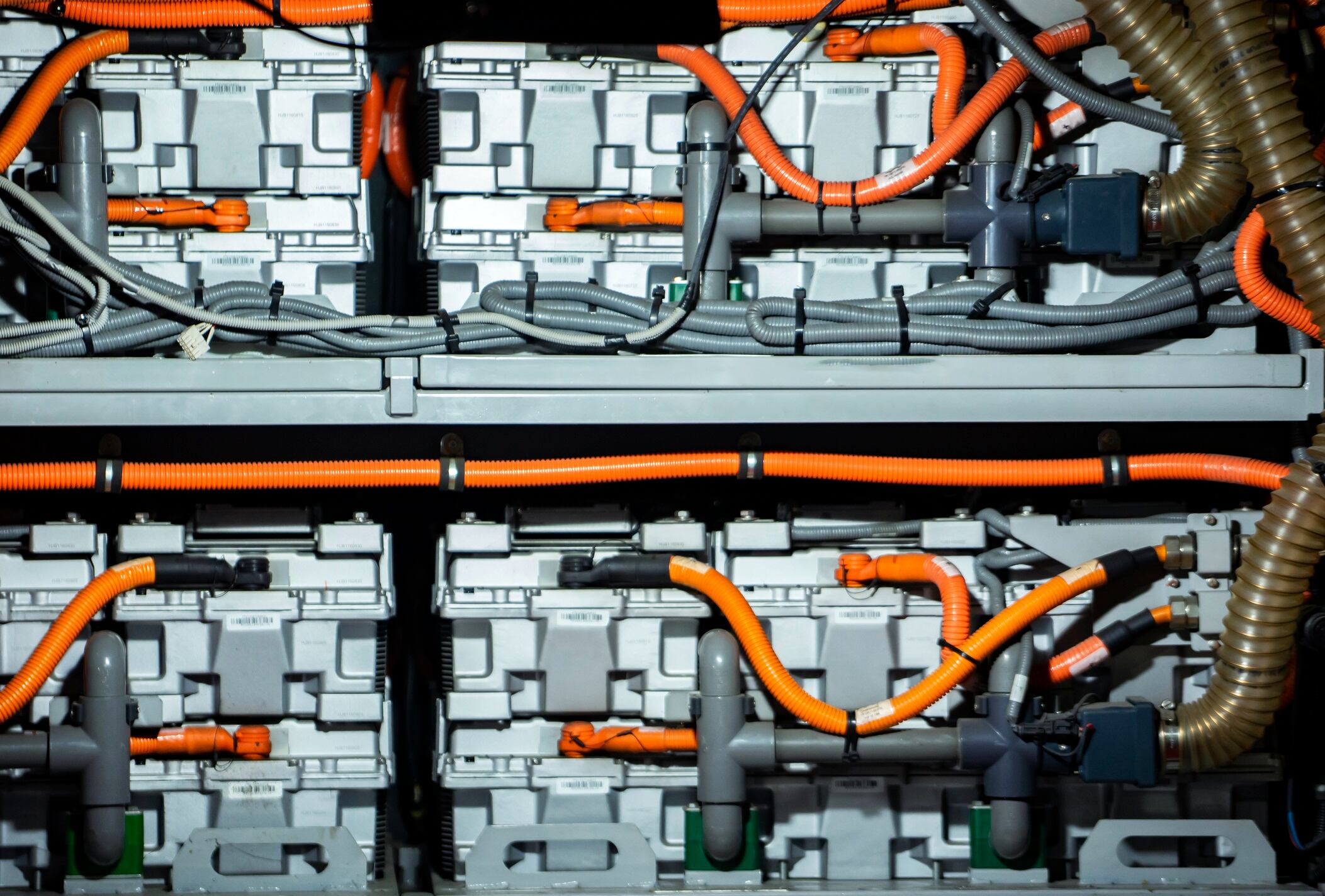
The price of nickel, one of the key minerals needed to produce stainless steel and lithium-ion batteries, saw an unprecedented surge Tuesday amid fears that Western sanctions could cut off Russian supplies of the crucial commodity.
Apple on Tuesday unveiled a new version of its budget-priced iPhone that’s capable of connecting to ultrafast 5G wireless networks, an upgrade that has been available on the company’s upscale models for more than a year.
For Fadia Kader, the global head of strategic and media partnerships at social audio app Clubhouse, it's about pushing culture forward and connecting people with the biggest and brightest stars in music and entertainment.
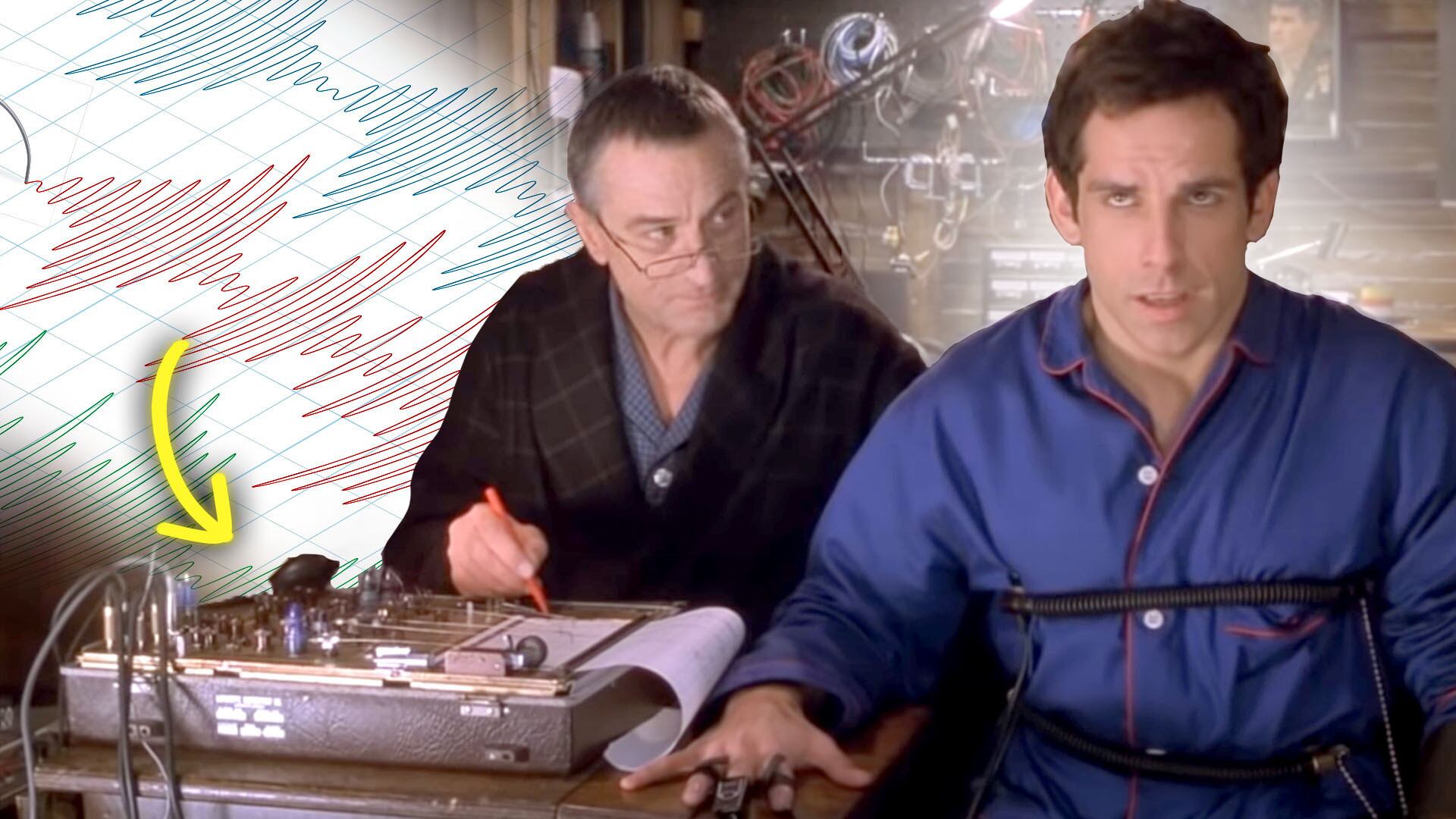
Lie detectors don't work. In fact, the science behind them has been increasingly scrutinized since their inception. But they’re still being used in high-stakes scenarios with real consequences.
So, if lie detectors don’t actually work, why do we still use them?