How Millennials Are Driving a Fourth Industrial Revolution
The real estate industry is beginning to classify millennials as the driving factors behind a fourth industrial revolution. JLL's Pushpa Gowda joins Cheddar to discuss what she thinks the future of work holds in store. She cites millennials' tendency to question and challenge norms as the reason they're catalyzing so much technological change.
Gowda walks us through the most innovative new technology hitting the workplace. She explains that the developments aren't just changing what offices look like, but how they function. The managing director reveals why companies are investing more in inter-office experiences to retain their employees.
Finally, Gowda breaks down her five great predictions for the future of work. She thinks C-suites around the world are about to introduce a new position: Chief Happiness Officer. She also previews a time in which humans count A.I. and robots among their colleagues.
On this episode of Cheddar Innovates: Vision Marine Technologies CEO discusses how e-boats will play a role in the fight against the climate crisis; Lasso CEO breaks down how the design behind these compression socks can prevent injuries and improve performance; Cheddar gets a look at Curiosity Stream's 'The Tombs Of Egypt.'
Catriona Campbell, CTIO, UK and Ireland, EY, joins Cheddar News to discuss how business leaders can bridge the gap between their technology investments and their aspirations, and breaks down the human aspects of A.I.
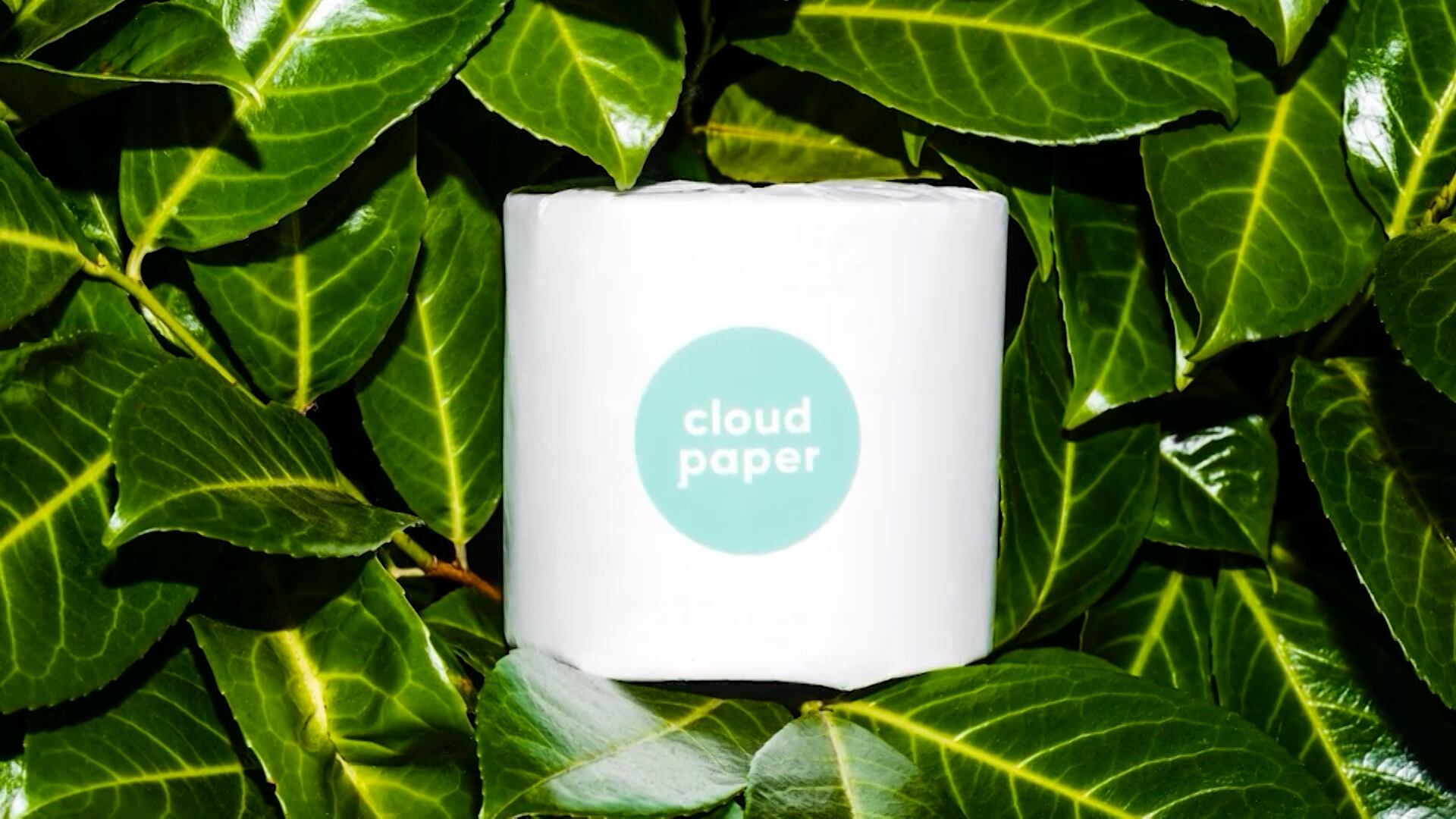
Bamboo-based toilet paper company Cloud Paper raised $5 million in a recent funding round. Its product is a bamboo-based alternative to traditional toilet paper made from trees, and its mission is to end the deforestation caused by traditional paper products. Cloud Paper says the raise will allow it to make significant investments in its supply chain, product development, and hiring. Ryan Fritsch, a co-founder of Cloud Paper, joined Cheddar News' Closing Bell to discuss.
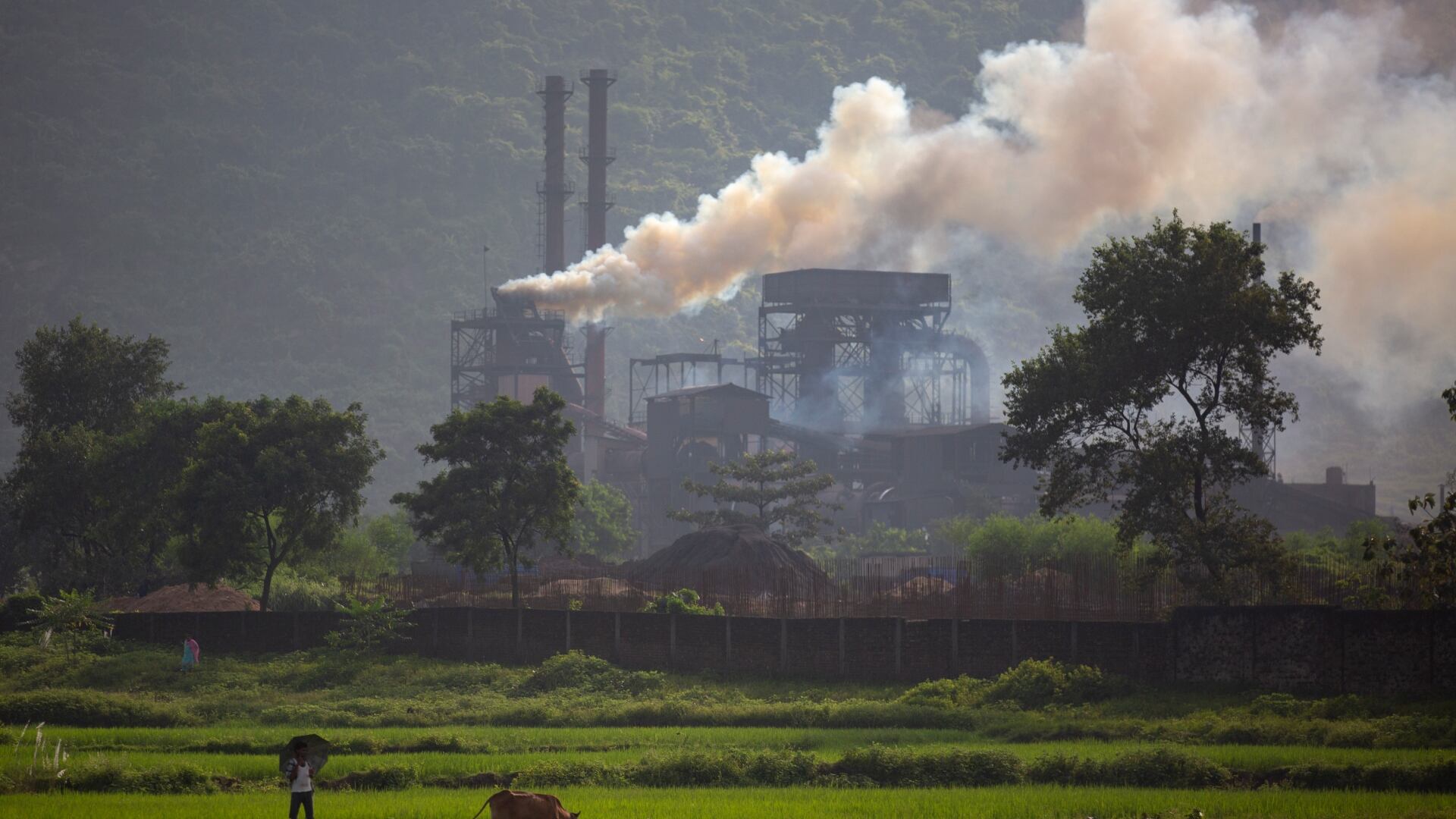
The Biden Administration has now issued new guidelines when it comes to carbon capture. The new guidelines handed down this week encouraged the widespread use of climate attacks that traps and stores carbon emissions. The goal here is the process would help keep carbon out of the atmosphere without requiring a whole lot of change by big companies and manufacturing plants. Several scientists say that this method would be crucial to help us decrease the use of carbon emissions by the year 2050. Professor of Civil and Environmental Engineering at Stanford University, Mark Jacobson, joined Cheddar to discuss more.