*By Michael Teich*
Ethical issues could be the Achilles heel for Juul, the $15 billion company behind the vaping devices infiltrating college and high school campuses.
"The valuation is justified on the math," said Dan Primack, Business Editor at Axios. The real question, though, is, "Does it want to stop kids from getting these?"
The sleek and colorful design of the company's e-cigarettes, paired with appealing flavors such as mango and cool mint, has helped Juul emerge as a leader in the market with a 68 percent share, according to Wells Fargo. The company projects $940 million in revenue this year, but Primack said he's told that "they are blowing through those numbers." Those numbers helped Juul raise a fresh $1.2 billion in new funding last week.
But strong sales growth may not be enough to entice more traditional Silicon Valley investors to overlook the moral complexities of Juul's business, Primack said.
While the device was created as an alternative to cigarettes, he pointed out the product is falling into the hands of first-time smokers and serves as a "gateway smoke."
For the full segment, [click here.](https://cheddar.com/videos/the-ethical-issues-that-may-plague-juuls-future)
If you're shopping on Amazon and want to save even more money after Prime Day, Cheddar News has got you covered. Senior reporter Michelle Castillo talked to the experts at the company to find out how you can keep an eye on deals and even get cash back on your household purchases.
Did you happen to watch the series The Bear? The show follows a struggling small business owner in Chicago who is trying to save his business. It's a story a lot of small business owners in the U.S. can relate to. To help out these struggling entrepreneurs, Cheddar News brought on an expert here to help take your company from stressful to successful.
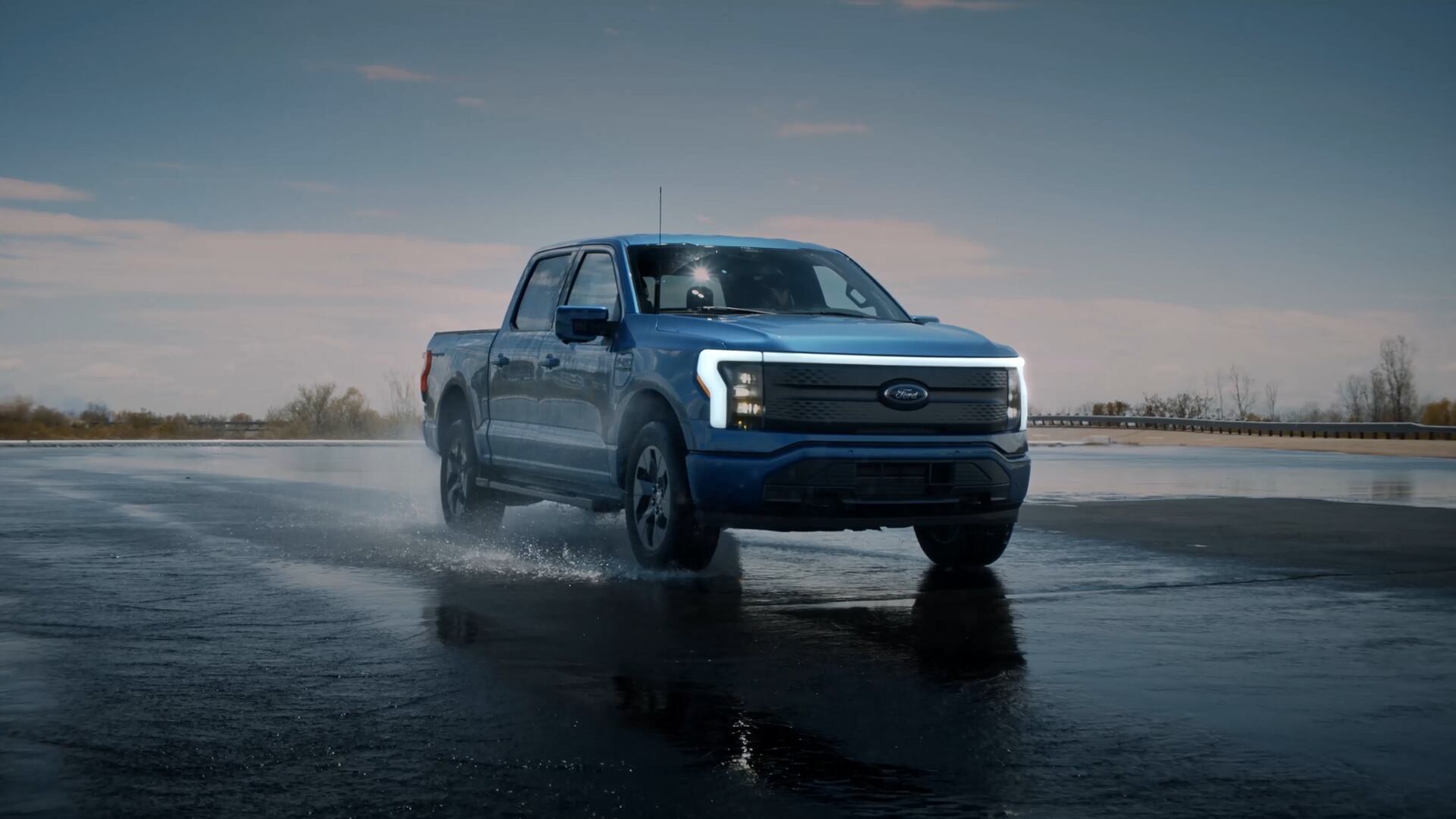
The sticker prices for Ford's F-150 Lightning electric pickup trucks are being lowered by thousands of dollars across the board, the company said Monday, due to increased plant capacity, falling costs for battery raw materials and internal efforts to scale production by the Detroit automaker.
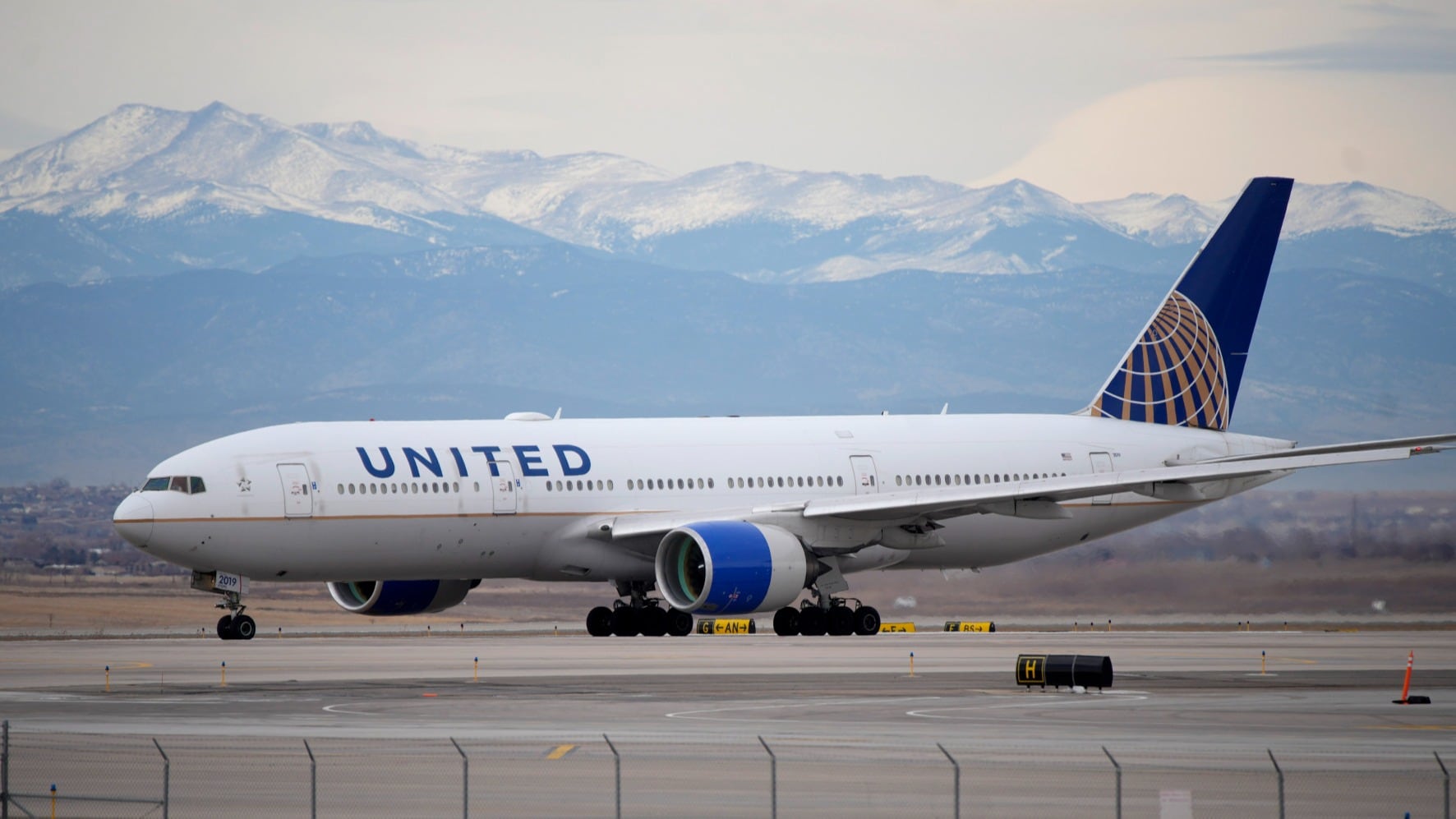
United Airlines and the union representing its pilots said Saturday they reached agreement on a contract that will raise pilot pay by up to 40% over four years.
The court’s ruling applies to higher education institutions and other entities that receive federal funding and doesn’t directly change private employer obligations, but business leaders might pull back diversity, equity and inclusion programs to avoid lawsuits.