As officials struggle to fight the opioid epidemic that is plaguing the country, some big cities are considering creating "safe injection" sites. Addicts would be able to use their drugs under the watch of medical professionals, and they would be provided clean needles. While no city has submitted a formal plan, the idea is already stirring up controversy.
Dina Fine Maron, Health & Medicine Editor at Scientific American, explains the science behind safe injection sites. Allowing addicts to use drugs under supervision and with clean needles helps to reduce diseases associated with intravenous drug use such as HIV.
While no city in the United States has a "safe injection" site, Fine Maron says existing sites in Europe and Canada have proven to be a success. Data shows that opening these sites helps reduce opioid-related deaths and problems.
Ten of the top Democratic candidates for president presented their plans to tackle climate change during a marathon, seven-hour town hall broadcast live on CNN Wednesday.
These are the headlines you Need 2 Know for Thursday, September 5, 2019.
These are the headlines you Need 2 Know on Tuesday, September 3, 2019.
These are the headlines you Need 2 Know on Tuesday, September 3, 2019.
The new proposal, an effort to reverse regulations put in place under President Obama, would — if enacted — eliminate requirements that oil and gas producers inspect for, and repair, methane leaks from their wells, pipelines, and manufacturing facilities.
Elon Musk says SpaceX will again attempt to launch its Starhopper prototype rocket around 5 p.m. ET today, 24 hours after engineers were forced to scrub the launch with one second remaining on the countdown clock.
The Democratic presidential candidate from Vermont drew praise from activists and advocates after revealing his $16.3 trillion plan to combat climate change.
These are the headlines you Need 2 Know for Thursday, Aug. 22, 2019.
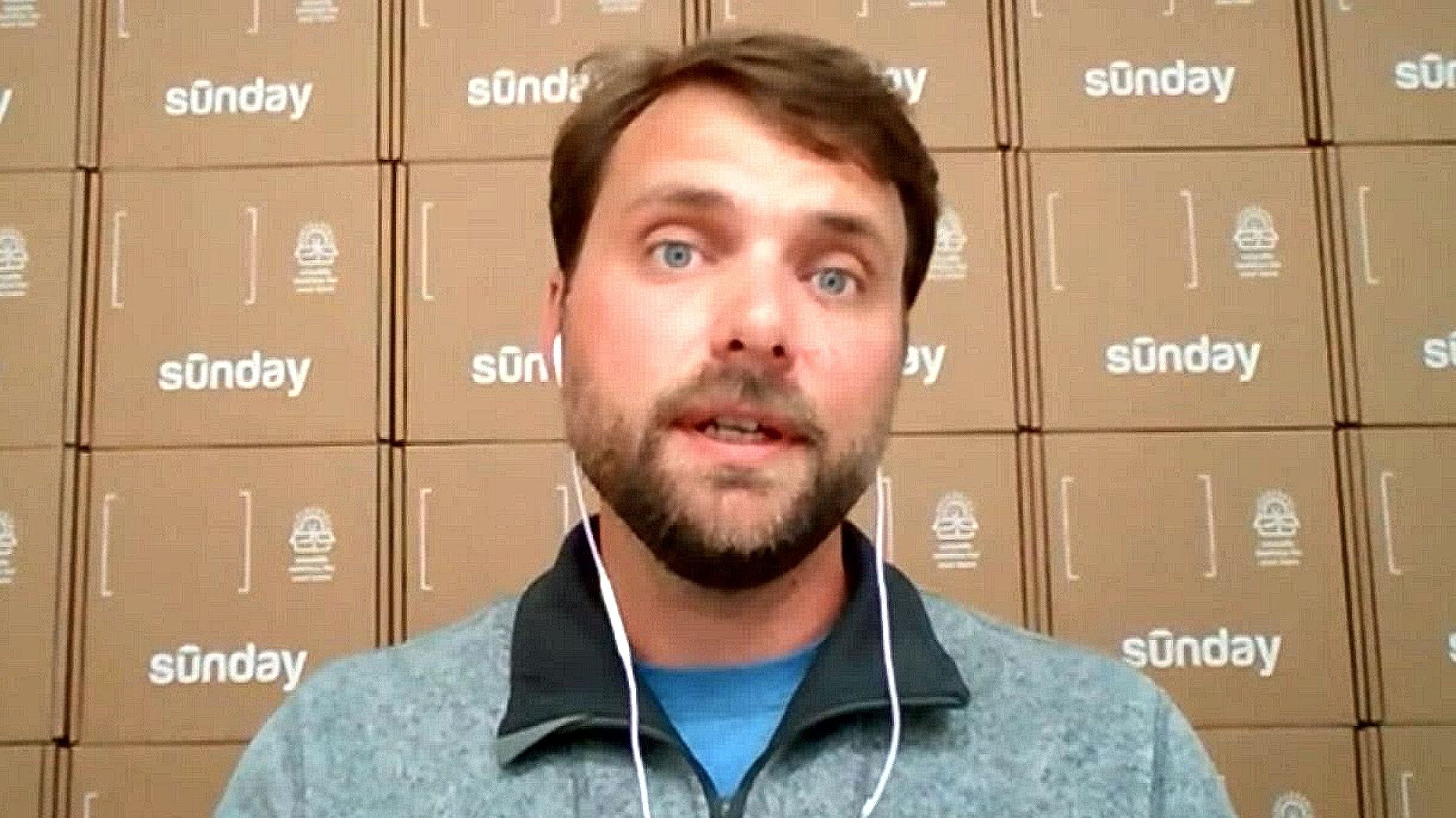
Founder and CEO Coulter Lewis told Cheddar that Sunday aims to distinguish itself within the industry by focusing on the strength of grass, rather than on killing weeds and pests.
Dr. Mona Sarfaty, the director of the Medical Society's consortium on climate and health, details how the changing climate requires a change in the way future doctors are taught about public health.