*By Conor White*
As if digitally organizing the wardrobes of hundreds of thousands of people wasn't enough, Finery is answering the demands of its users by providing added features to its fashion app and website.
"This is so typical of an unbelievable, strong, millennial woman," said the Finery co-founder and CEO Whitney Casey. "She's like, 'Great, I want my wardrobe on my phone. Thanks for doing that. And, can you also give me a whole outfit and how to wear it?'"
The new Finery features, which launched Tuesday, are a response to customers' requests for personalized fashion recommendations, recommendations for outfits based on the weather, and visualizations to give customers style inspiration based on what they already have in their closets.
To do all of this, all Finery needs is one photo of a piece of clothing, Casey said in an interview Tuesday with Cheddar.
"We take that image, and scan it for the most important colors, how many pixels of each color, if there's a print, we can even know down to if it's a silk, or if it's a linen, or it's velvet, that's how advanced computer vision is getting," she said. "Then we take that same knowledge, scan multiple images all through Instagram to try to find a dress that looks like this."
Since the company was founded in 2016, Finery's free service has only been for women, but Casey said it won't be difficult to start helping men, when the time comes.
"Once we nail women, and get all of that styling, and really learn the A.I. on what women are liking and what women are not liking with the product, men, I'm sorry to say it, but you're just going to be so easy to dress," she said.
For full interview, [click here](https://cheddar.com/videos/finery-founder-talks-app-updates).
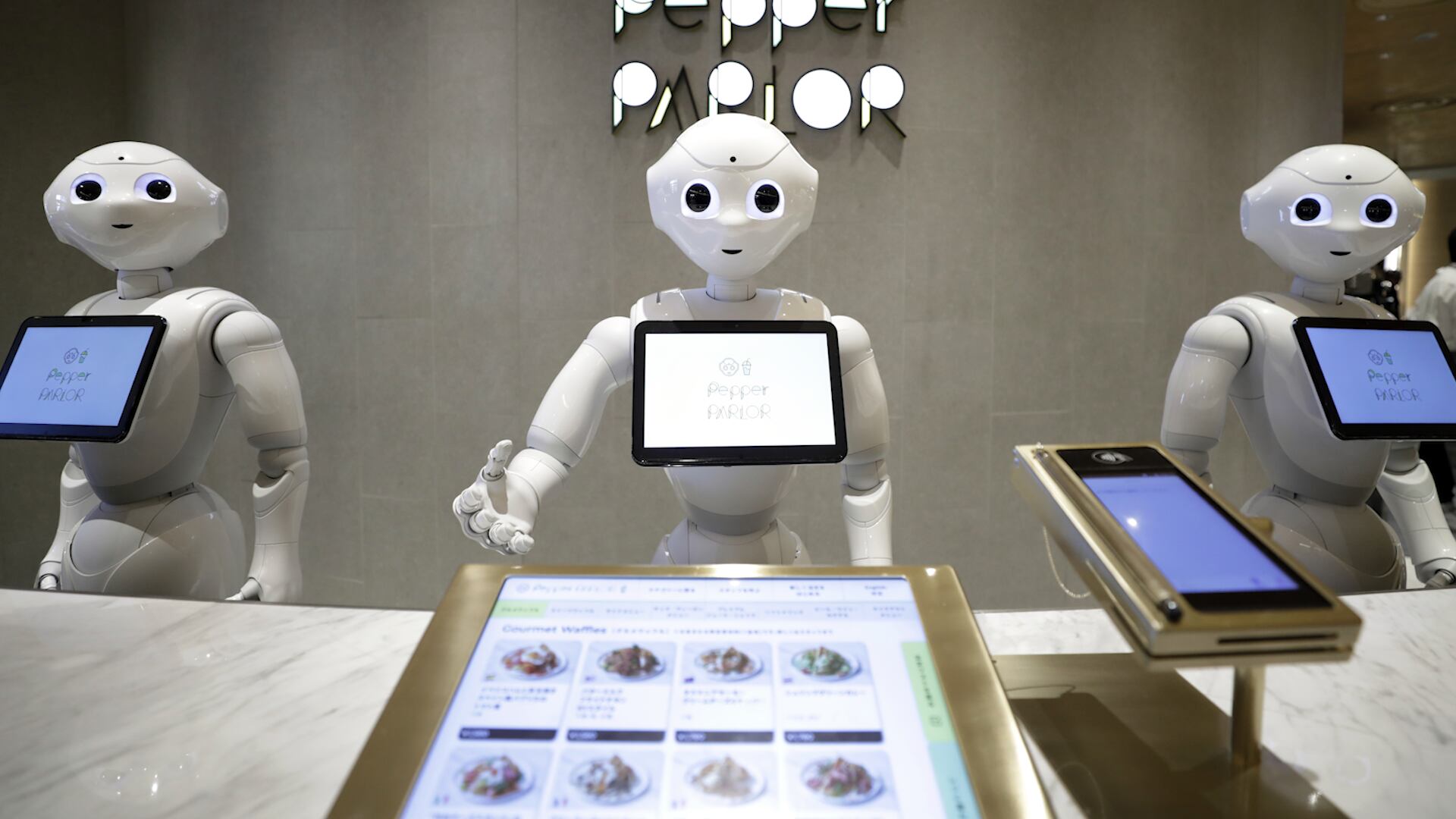
Nicolas Halftermeyer, Communications & Product Branding Director, SoftBank Robotics, and Emile Kroeger, Robotics Engineer, Humanizing Technologies, join Cheddar Reveals to unveil Pepper and NAO, the humanoid robots designed to interact with humans.
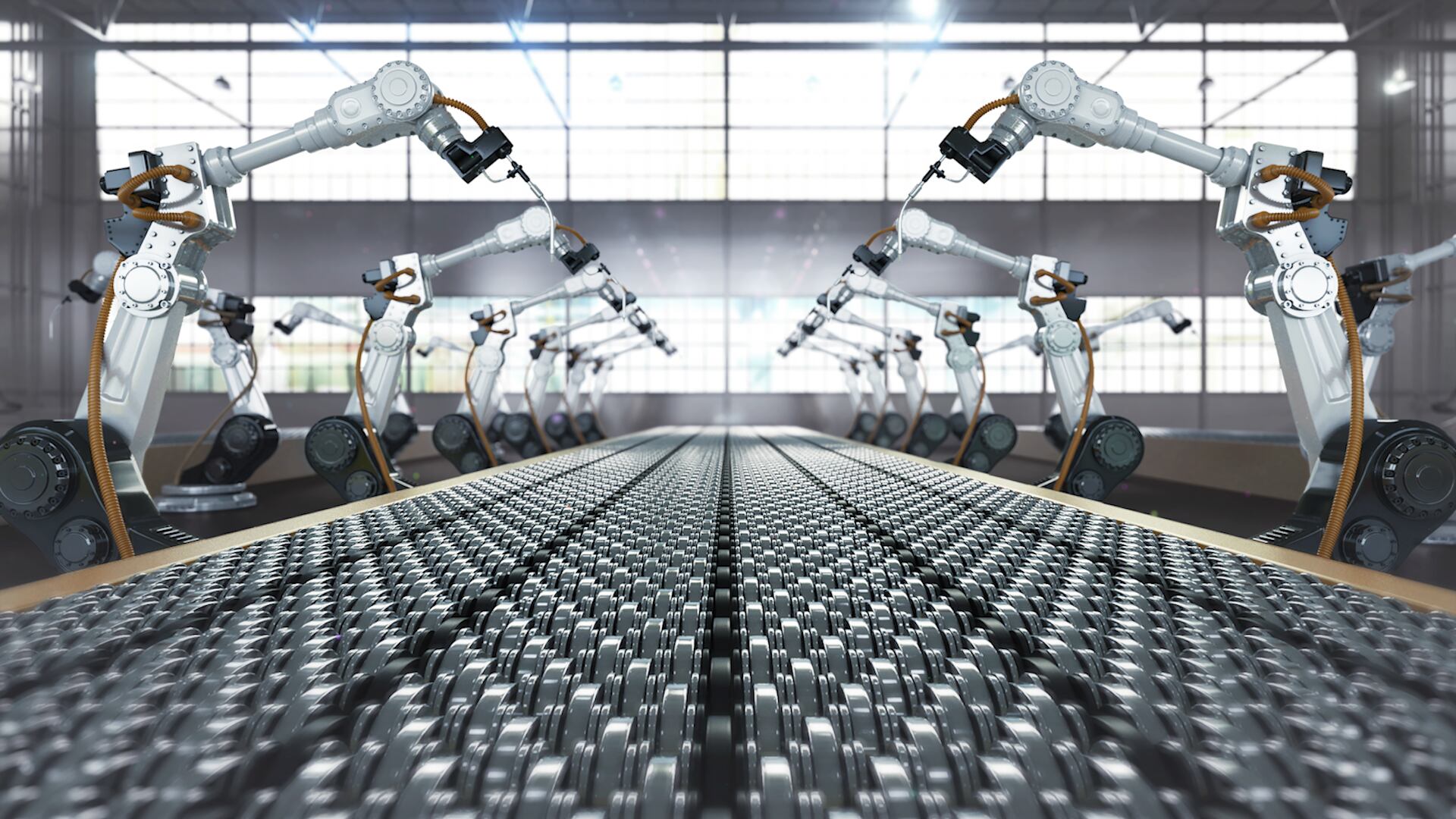
On this episode of Cheddar Reveals, Christopher Atkeson, roboticist and a professor at the Robotics Institute and Human-Computer Interaction Institute at Carnegie Mellon University, discusses what the robots of the future will look like, the role they will play in society and different industries, and if they will they ever reach human-level sentience; Nicolas Halftermeyer, Communications & Product Branding Director, SoftBank Robotics, and Emile Kroeger, Robotics Engineer, Humanizing Technologies, unveil Pepper and NAO, the humanoid robots designed to interact with humans; Cheddar gets a look at Curiosity Stream's 'iHuman.'
Christopher Atkeson, roboticist and a professor at the Robotics Institute and Human-Computer Interaction Institute at Carnegie Mellon University, joins Cheddar Reveals to discuss what the robots of the future will look like, the role they will play in society and different industries, and if they will they ever reach human-level sentience.
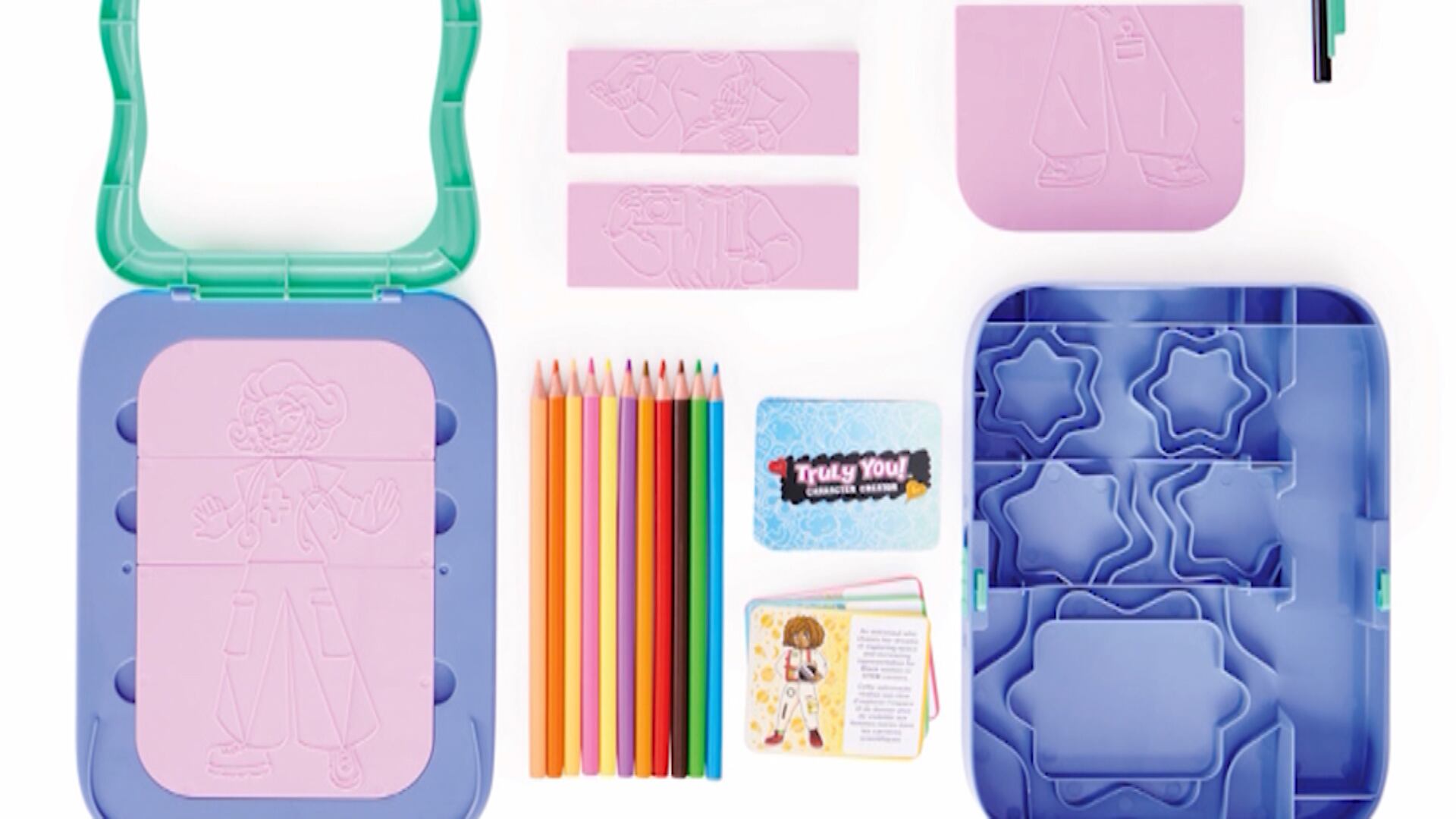
When it comes to diversity in children's toys, we have come a long way as a society but we still have a ways to go. One group of students decided to take matters into their own hands. Truly You! Character Creator is a fashion illustration activity set made for youth by youth. Lindsay Buckingham, one of the toy’s creators, sat down with Cheddar News to talk all about it.
Apple revealed its plans for new IOS software, products, and more at its Worldwide Developers Conference. However, new features added to iMessage, including options to delete and edit already sent text messages, stole the show.
Meta's announcement that COO Sheryl Sandberg will be stepping down from her role after 14 years with the company has left investors wondering about the tech giant's future. Doug Astrop, a managing partner at Exponential Investment Partners (an investor in Meta), joined Cheddar News to discuss what the personnel change to Javier Olivan means for investors and the future of the Meta. "They are bringing somebody up who's been there a long time, who has been the chief revenue officer, and so I don't think it means major changes," he said. "but symbolically it's important and significant."
Vinay Ravuri, Founder and CEO at EdgeQ, breaks down an all-new solution to unlock the full potential of edge computing and create a hyper-connected world; Cheddar gets a look at Curiosity Stream's 'Work in Progress.'