Imagine this: you’ve found your dream apartment and you want to close the deal. But instead of dealing with realtors, lawyers, and banks, you just enter a passcode, and you’re done.
“That’s just one example of how I think the blockchain will come to reinvent how business is done and consumer experiences,” Bryan Schreier, partner at venture capital firm Sequoia Capital, told Cheddar.
He says the technology could wipe out layers of inefficiencies and middlemen.
Schreier, who sits on the boards of Dropbox, Thumbtack, and Qualtrics, said he sees a dozen pitches from start-ups in the crypto space every week.
“It reminds us of the early days of the internet…[which] promised to reinvent companies across a number of different industries,” Schreier told Cheddar.
But he cautioned that the world he envisions is probably a decade out. “It’s still very early.”
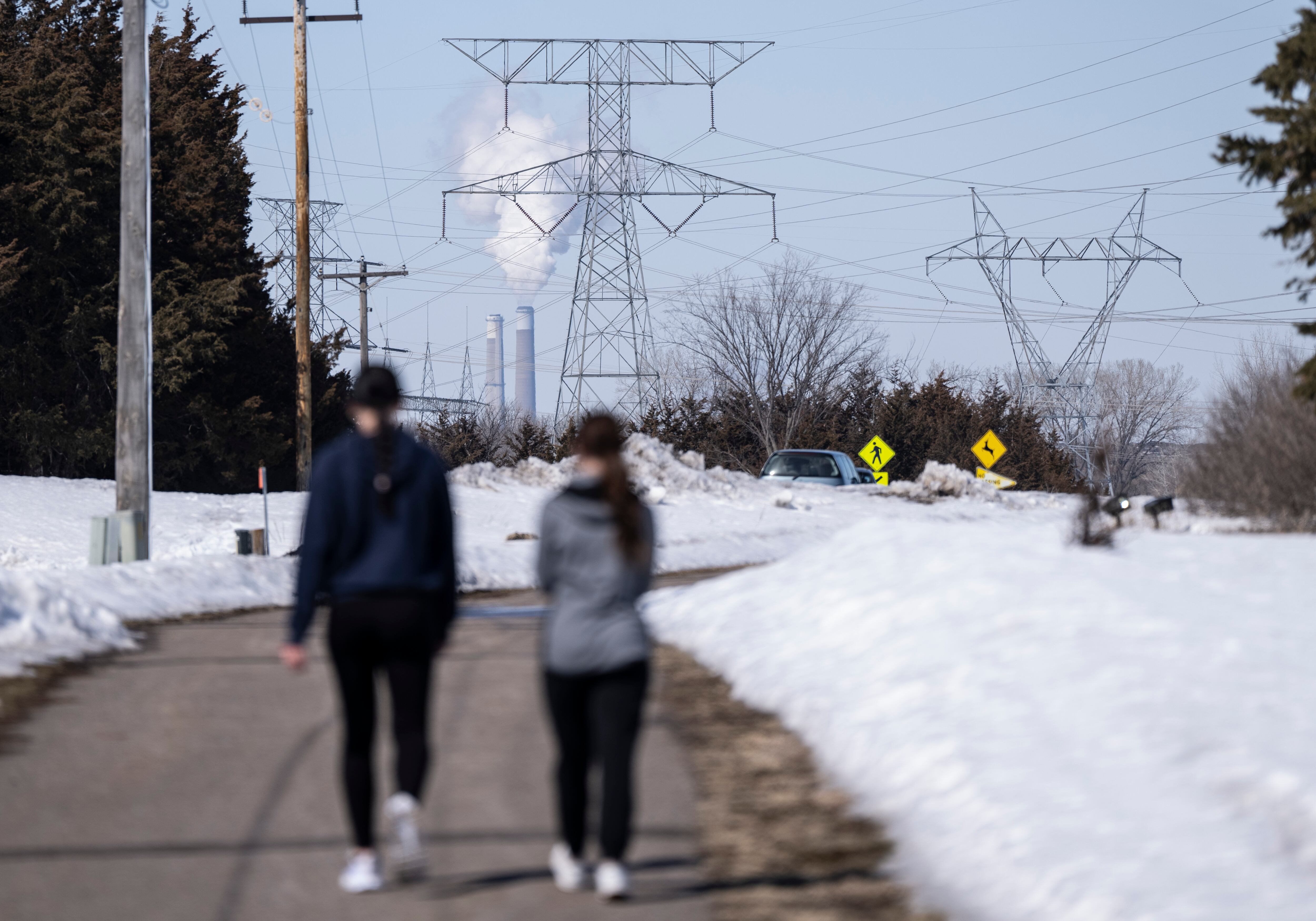
A Minnesota utility began shutting down a nuclear power plant near Minneapolis on Friday after discovering water containing a low level of radioactive material was leaking from a pipe for the second time. While the utility and health officials say it is not dangerous, the issue has prompted concerns among nearby residents and raised questions about aging pipelines.
Some parts of Twitter's source code — the fundamental computer code on which the social network runs — were leaked online, the social media company said in a legal filing that was first reported by The New York Times.
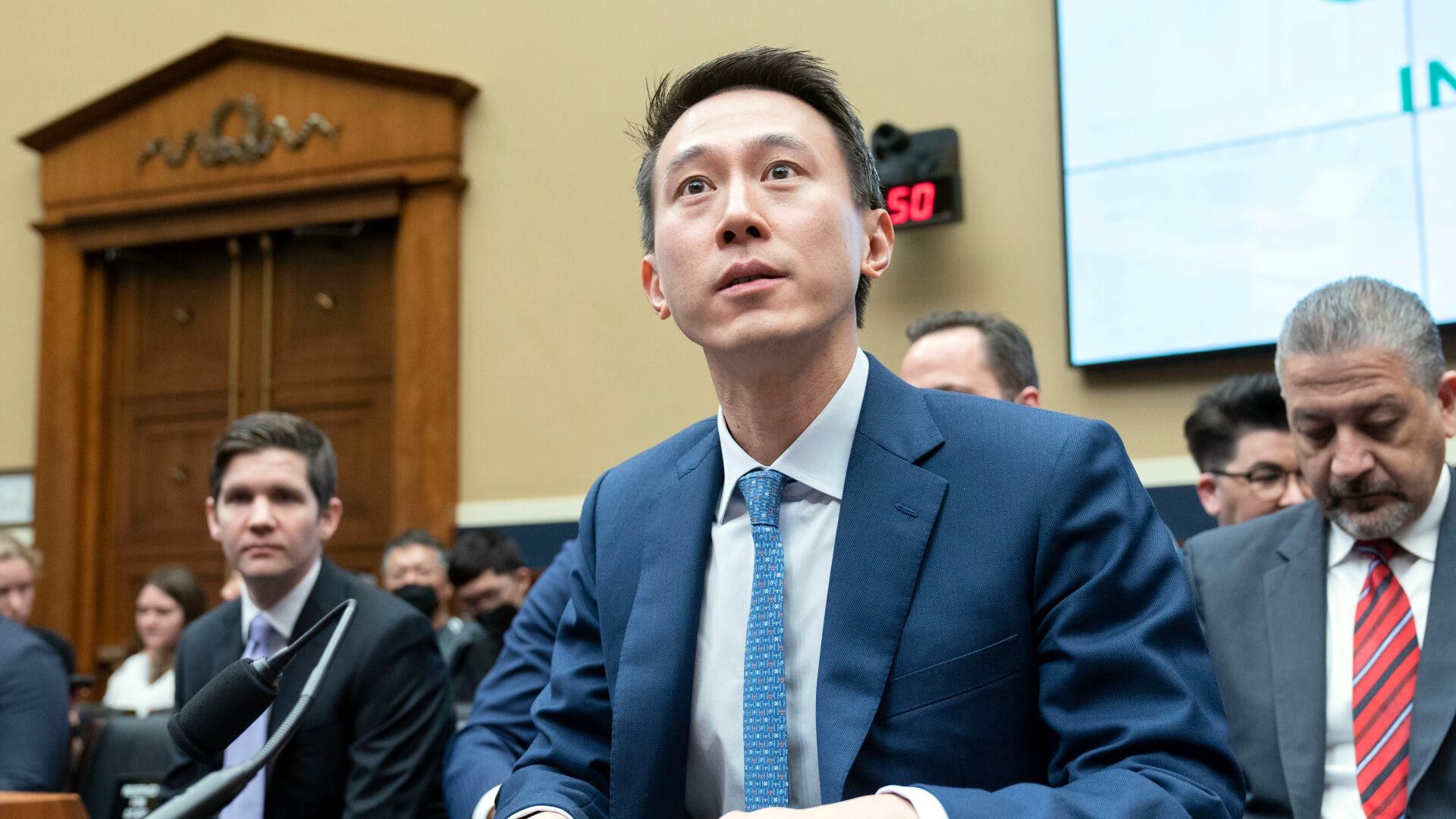
While data privacy still remains one of TikTok's biggest challenges, it may face a larger problem in order to stay in the United States: content moderation.
Governor Spencer Cox signed two measures restricting how easily children in the state can access platforms like TikTok and Twitter, setting the precedent in the U.S.