Ants could be the next line of defense against cancer.
A study published in the journal Proceedings of Royal Society B: Biological Sciences focused on Ants and their keen sense of smell. Ants use smell via their thin sensory appendages that sit on top of their heads to do almost everything, including hunt for food, spotting mates, and protecting their young.
In the study, scientists used pieces of a breast cancer tumor, which were grafted onto mice, and then trained 35 ants to associate urine from the infected mice with sugar. In analyzing, scientists detected that the ants would hover for longer periods of time near the sick mouse rather than the healthy one.
Using ants to detect cancers would be a cost-cutting tool. Currently, cancers are diagnosed by blood withdrawal, biopsies, and colonoscopies, which are all considered invasive as well as being expensive procedures. Utilizing ants to screen for cancer would be significantly more reasonable.
While dogs have similar capabilities in that they are able to detect cancer in humans through smell, they take much longer to train. Baptiste Piqueret, a postdoctoral fellow at the Max Planck Institute for Chemical Ecology in Germany, said ants would be the ideal animal to use because they have good memories, are easy to train and don't bite.
Though progress has been made with ants and their cancer detection capabilities, there is still more research to be done on their efficacy. The next phase of the study will be human trials to see if ants are able to sniff out cancers through human excrement.
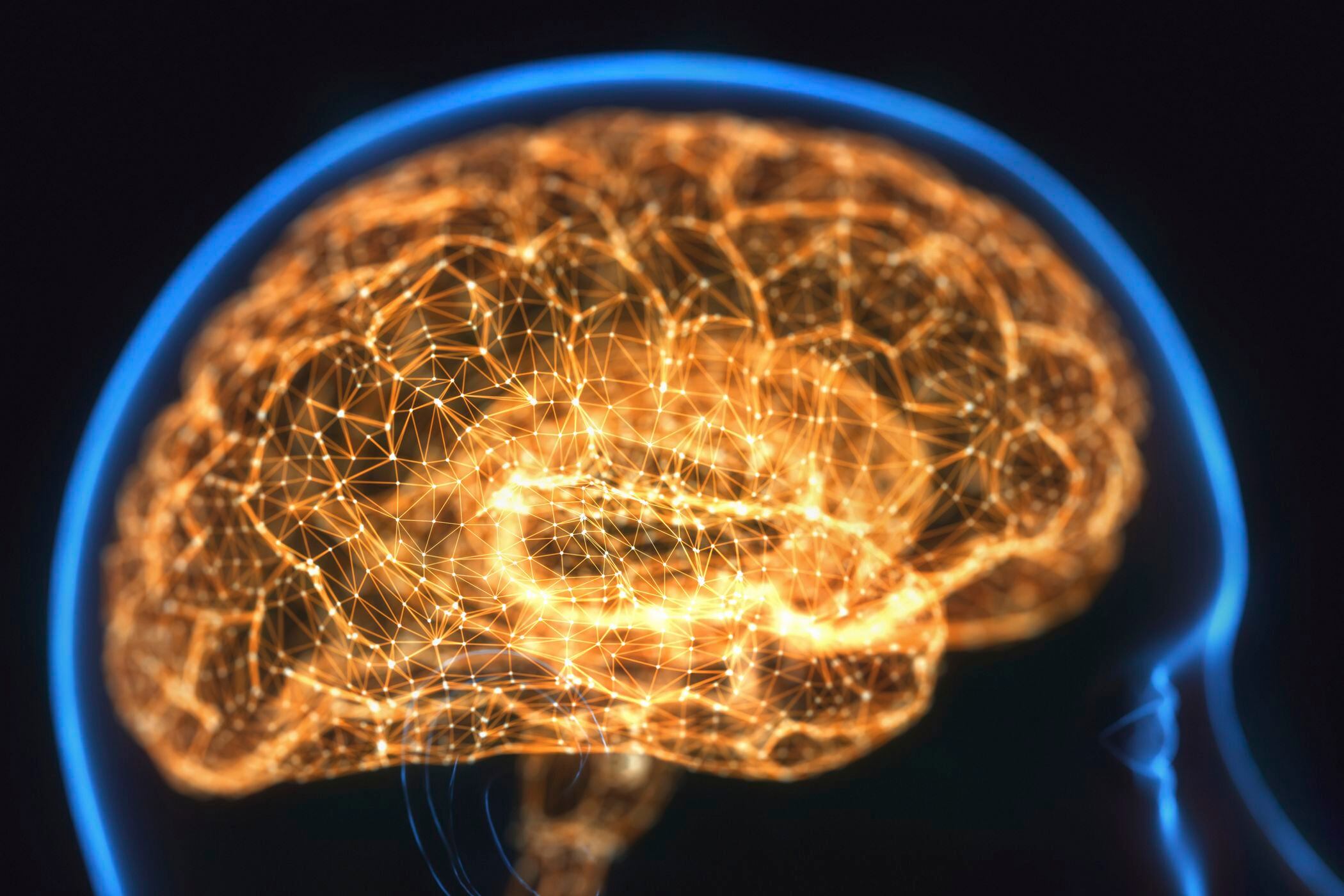
Mindmed has entered a partnership with NYU Langone and will invest $5 million in psychedelic treatments. JR Rahn, Mindmed CEO, joined Cheddar to discuss how the company can help patients suffering from mental health issues and other illnesses like addiction.
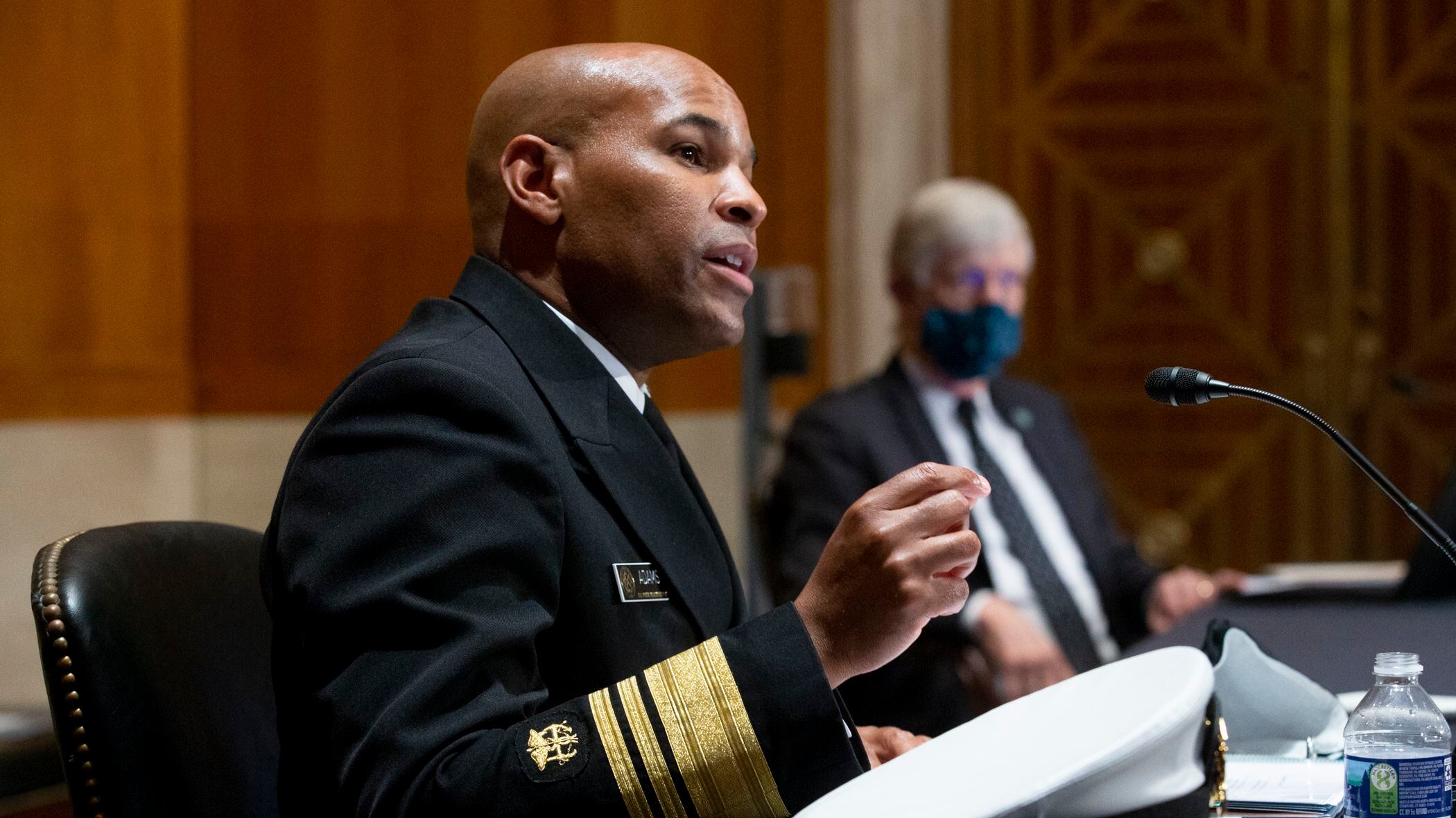
U.S. Surgeon General, Jerome Adams, joined Cheddar to discuss why he feels Americans should trust in a coronavirus vaccine once it clears the protocols.
Grammy-winning singer Mary J. Blige, and Linda Goler Blount, CEO of the Black Women's Health Imperative, joined Cheddar to discuss a new Breast Cancer Month initiative encouraging Black women to get mammogram screenings.
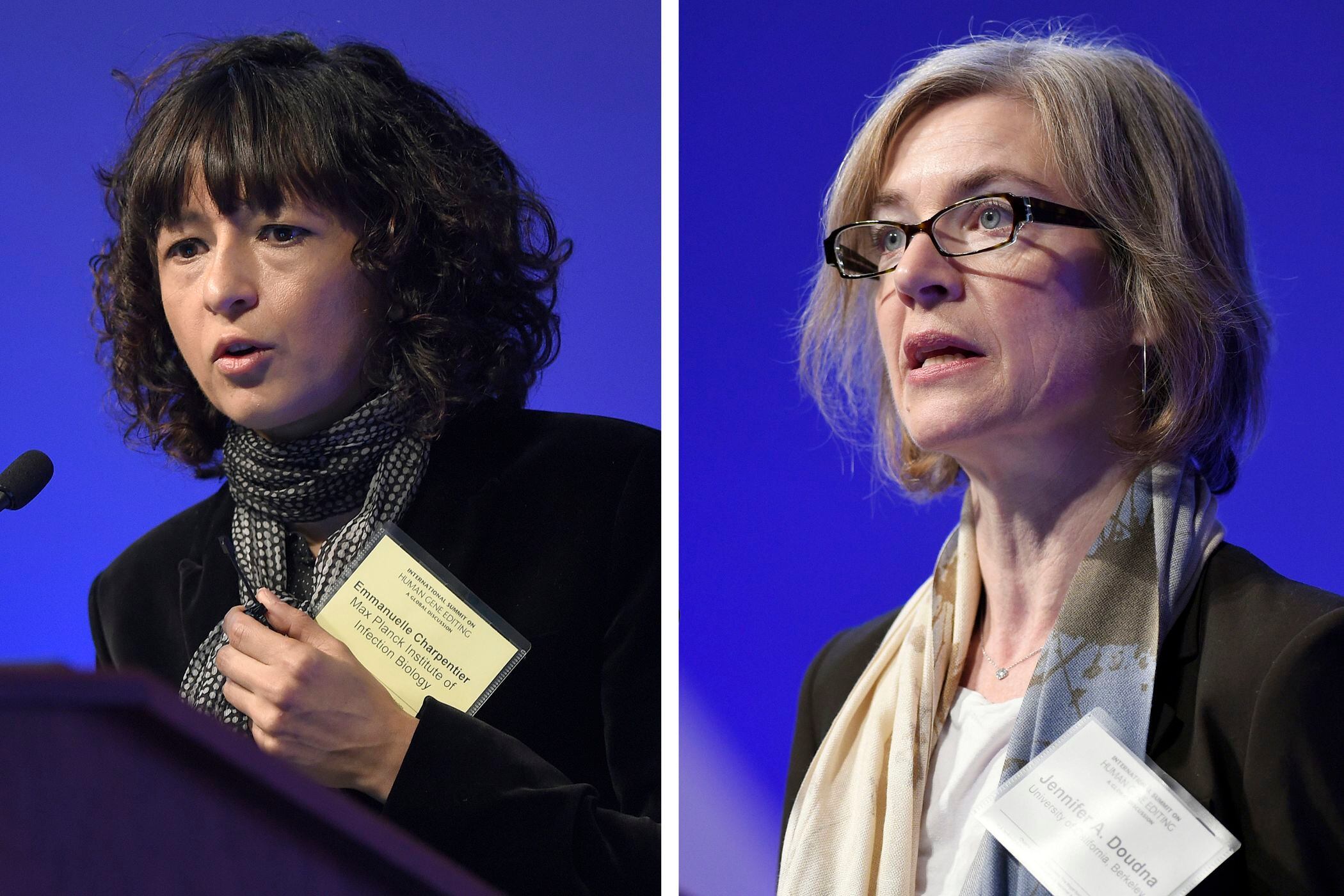
Frenchwoman Emmanuelle Charpentier and American Jennifer A. Doudna developed a method known as CRISPR-cas9 that can be used to alter the DNA of animals, plants, and microorganisms.
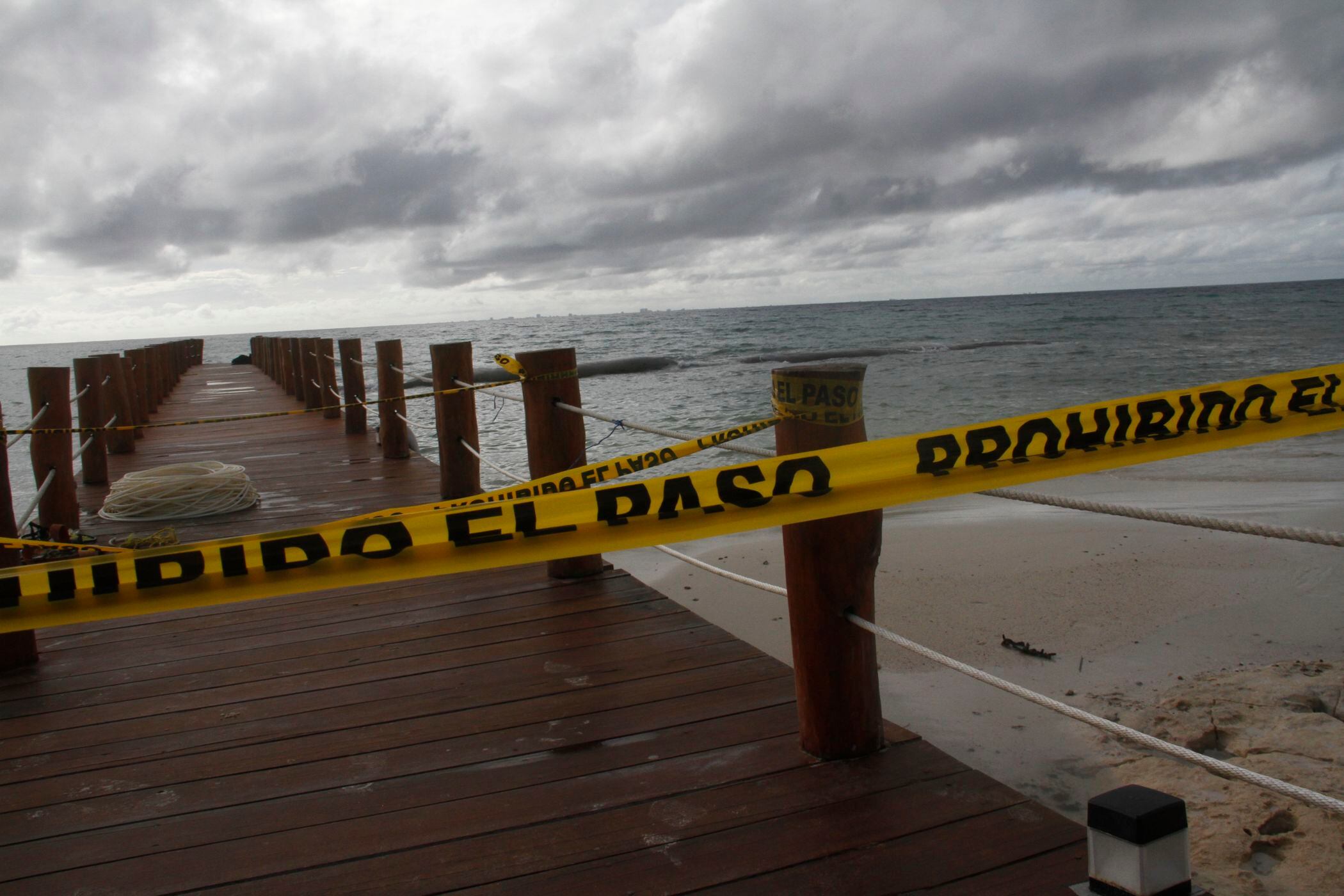
Hurricane Delta is getting bigger fast and speeding up as it takes aim at Mexico's Yucatan Peninsula.
Julie Samuels, executive director at Tech: NY, joined Cheddar to discuss the COVID NY Alert app that will be used for contact tracing in New York.
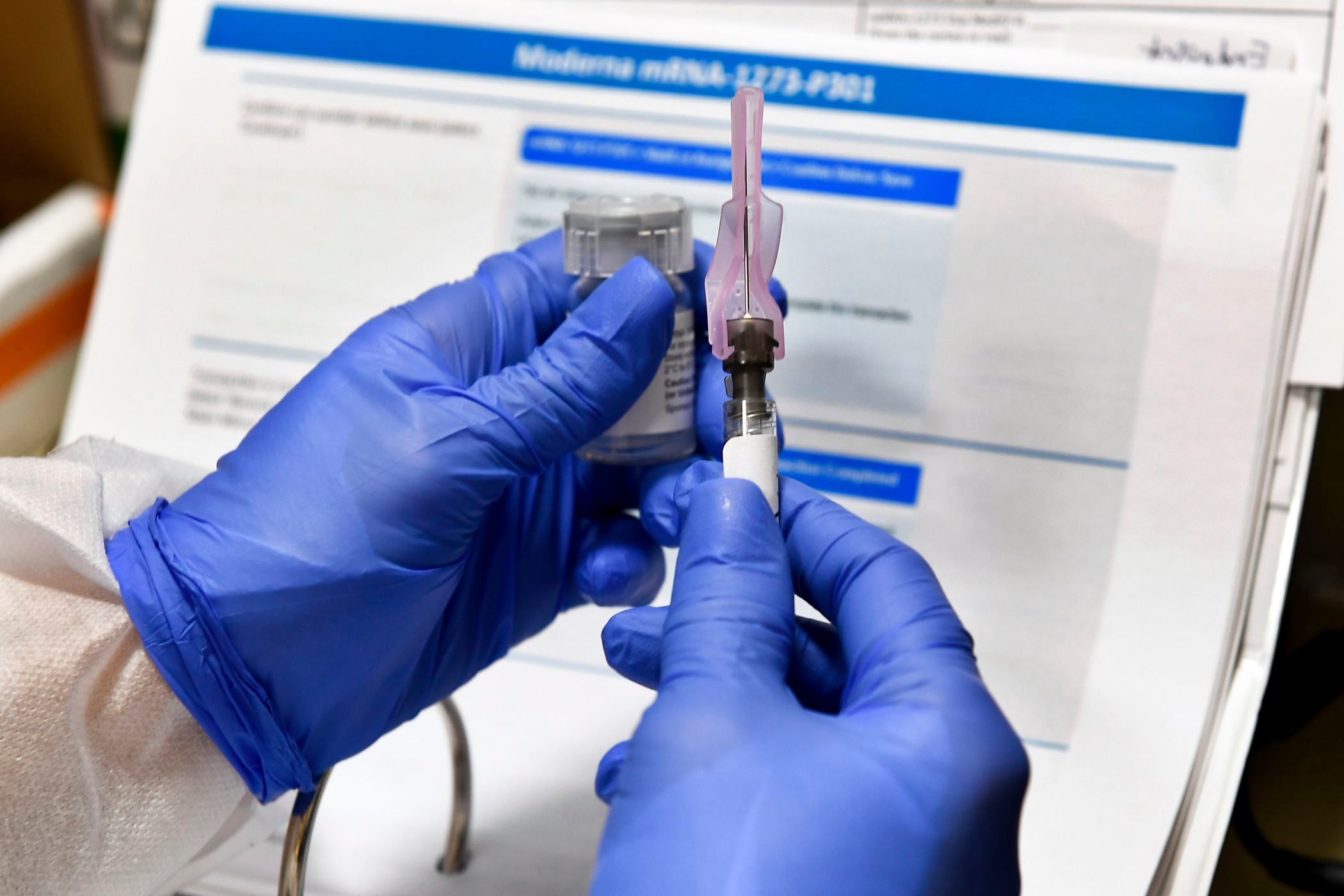
The Food and Drug Administration has laid out its safety standards for developers of COVID-19 vaccines after the White House blocked their formal release.
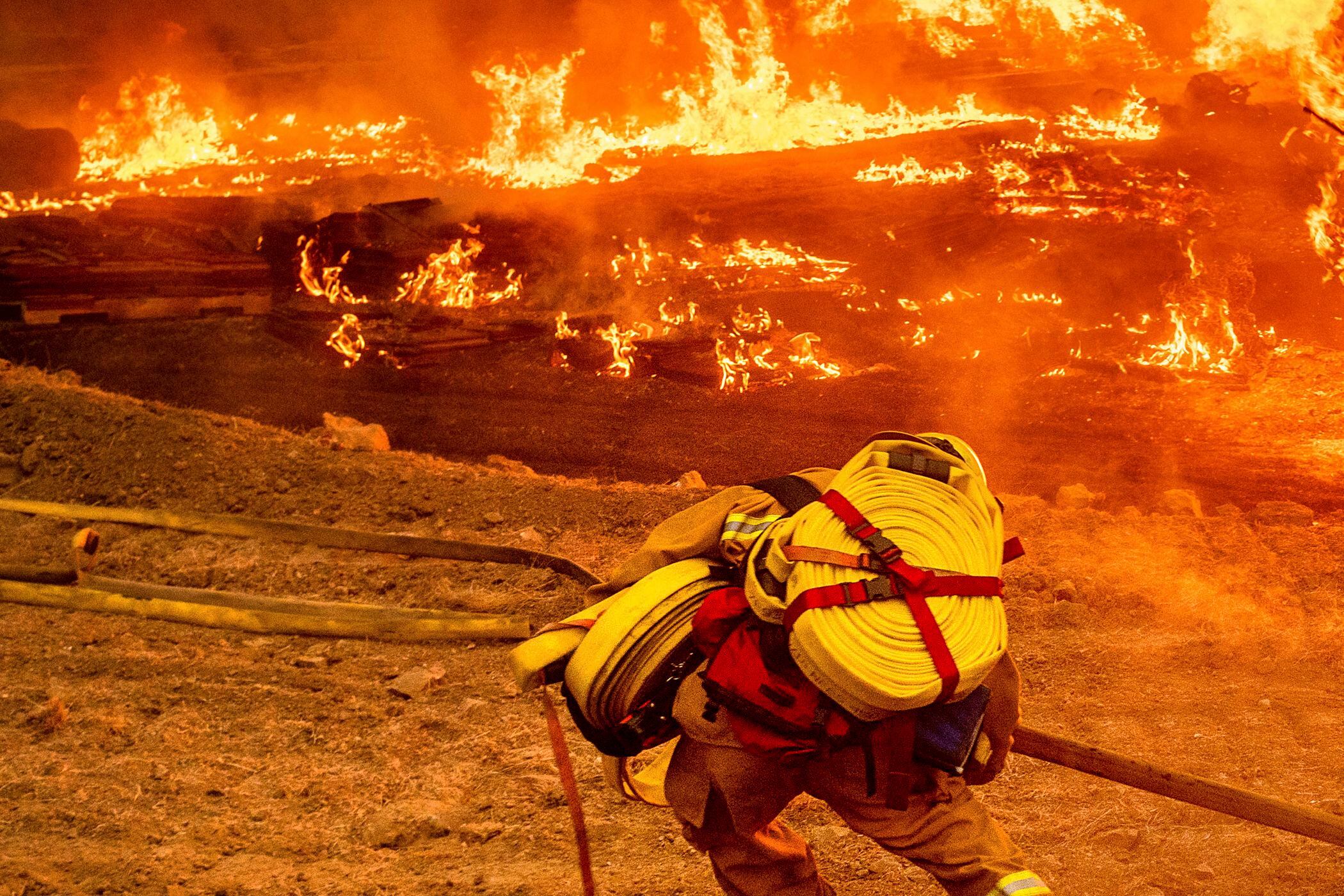
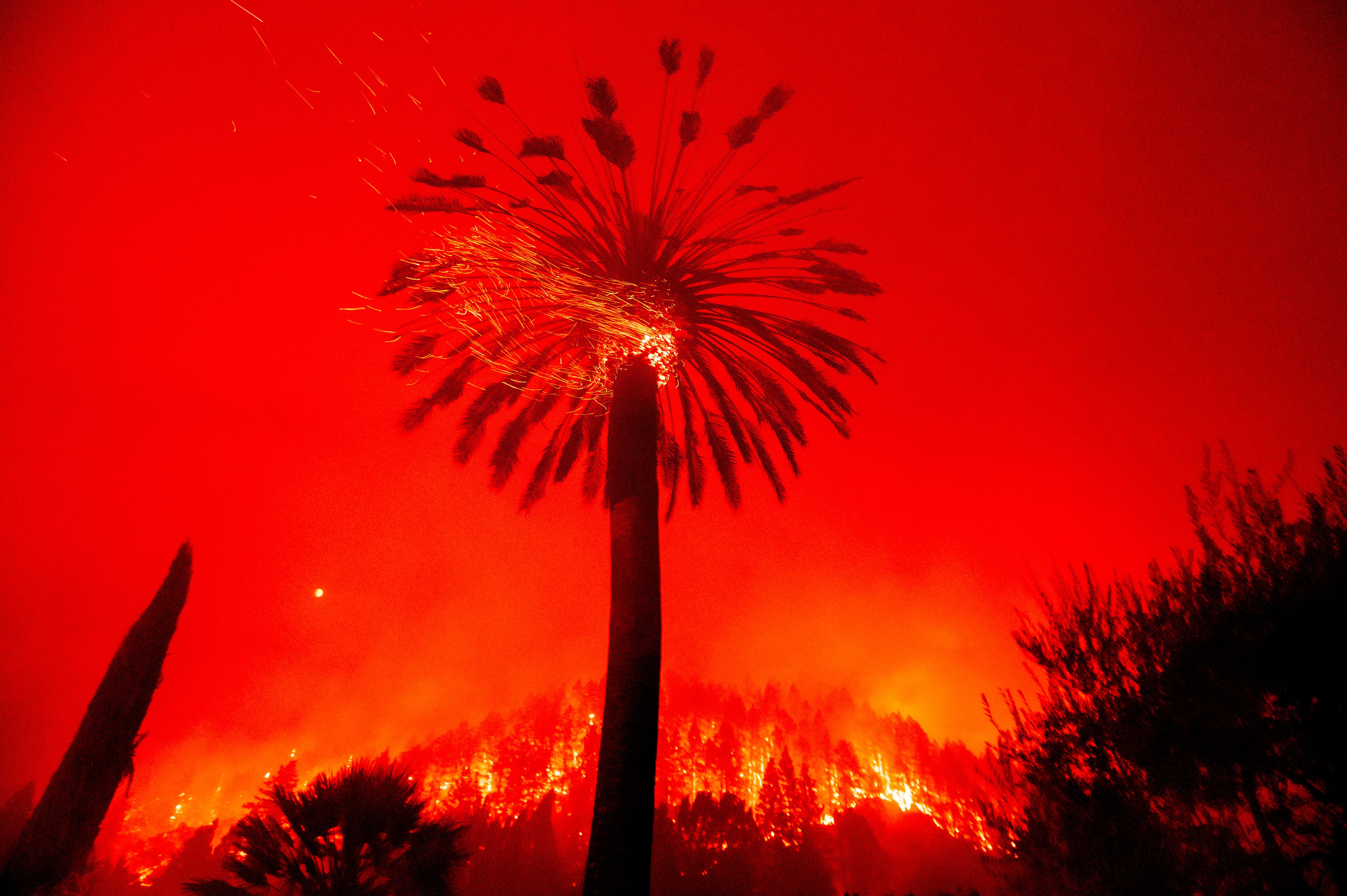
The staggering scale of California’s wildfires has reached another milestone: A single fire has surpassed 1 million acres.
From Wall Street to Silicon Valley, these are the top stories that moved markets and had investors, business leaders, and entrepreneurs talking this week on Cheddar.
California is poised to hit a fearsome milestone: 4 million acres burned this year by wildfires that have killed 30 people and incinerated hundreds of homes in what is already the worst fire season on record.