Ants could be the next line of defense against cancer.
A study published in the journal Proceedings of Royal Society B: Biological Sciences focused on Ants and their keen sense of smell. Ants use smell via their thin sensory appendages that sit on top of their heads to do almost everything, including hunt for food, spotting mates, and protecting their young.
In the study, scientists used pieces of a breast cancer tumor, which were grafted onto mice, and then trained 35 ants to associate urine from the infected mice with sugar. In analyzing, scientists detected that the ants would hover for longer periods of time near the sick mouse rather than the healthy one.
Using ants to detect cancers would be a cost-cutting tool. Currently, cancers are diagnosed by blood withdrawal, biopsies, and colonoscopies, which are all considered invasive as well as being expensive procedures. Utilizing ants to screen for cancer would be significantly more reasonable.
While dogs have similar capabilities in that they are able to detect cancer in humans through smell, they take much longer to train. Baptiste Piqueret, a postdoctoral fellow at the Max Planck Institute for Chemical Ecology in Germany, said ants would be the ideal animal to use because they have good memories, are easy to train and don't bite.
Though progress has been made with ants and their cancer detection capabilities, there is still more research to be done on their efficacy. The next phase of the study will be human trials to see if ants are able to sniff out cancers through human excrement.
Despite the expected arrival of COVID-19 vaccines in just a few weeks, it could take several months — probably well into 2021 — before things get back to something close to normal in the United States.
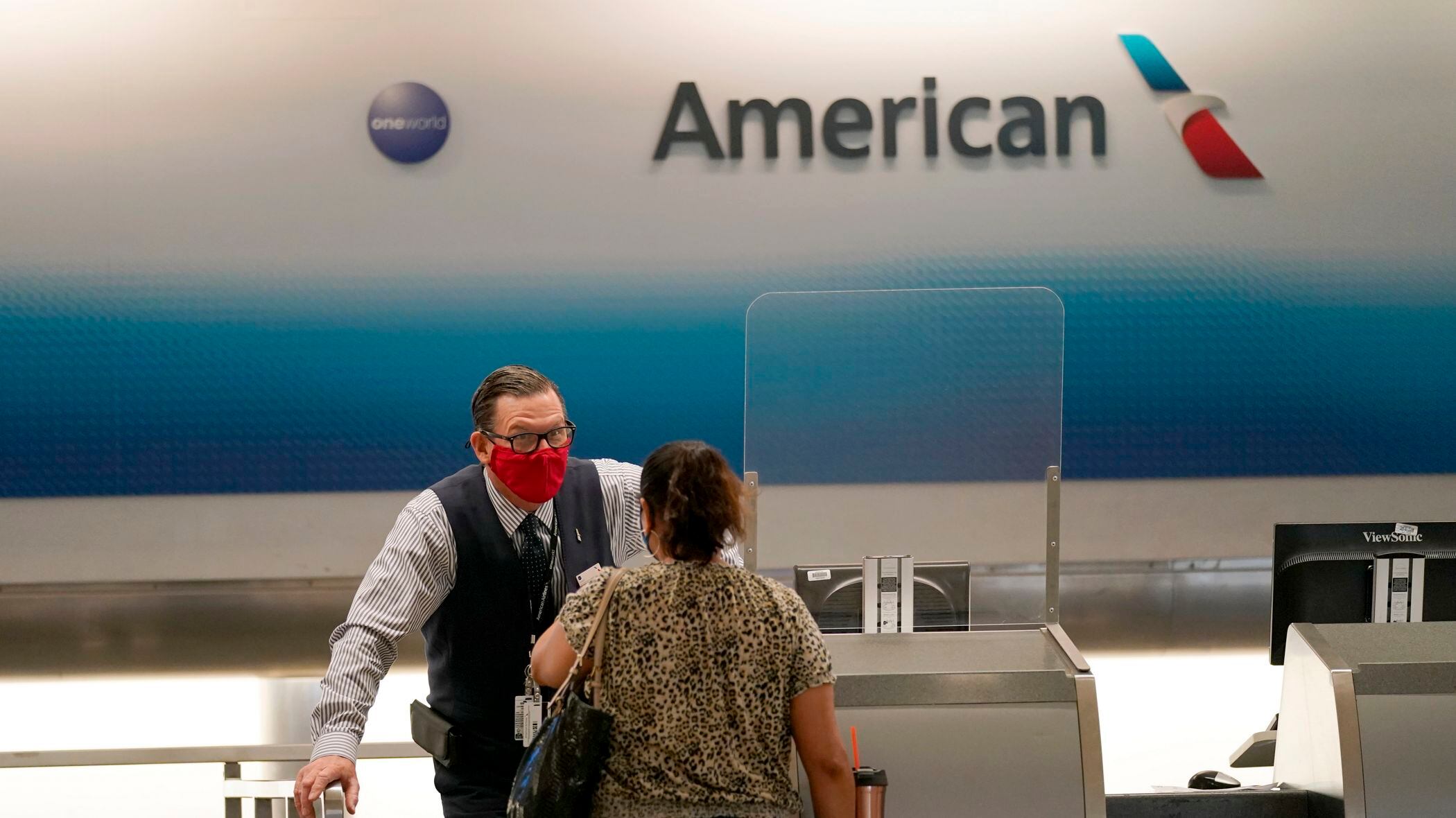
American Airlines is expanding its COVID-19 pilot pre-flight testing program to London in an effort to get more international flyers in the sky.
AstraZeneca reported that its vaccine is 90% effective and cheaper to distribute than vaccines from its competitors. Meanwhile, the U.S. is averaging 1,500 deaths per day according to Johns Hopkins.
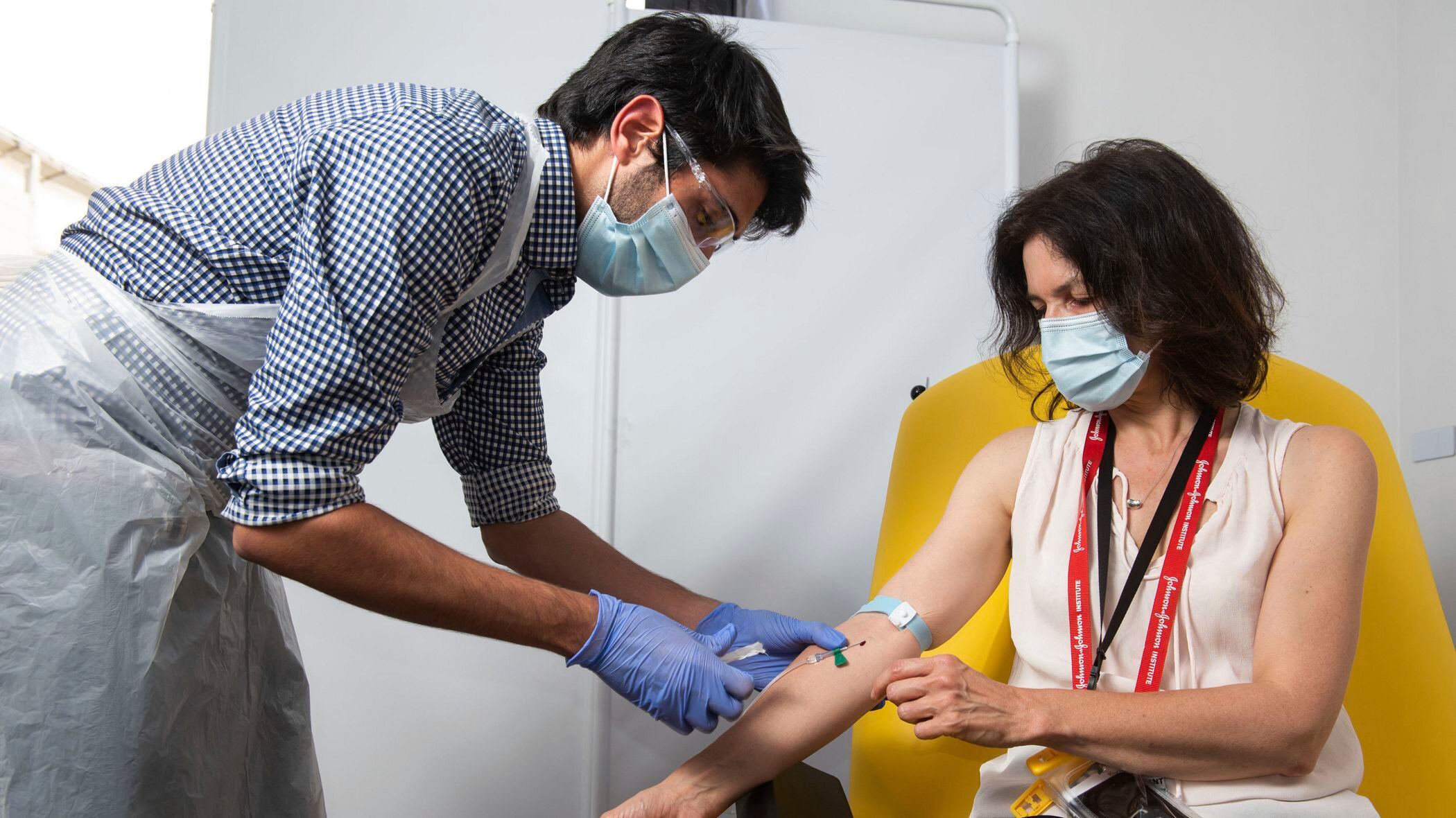
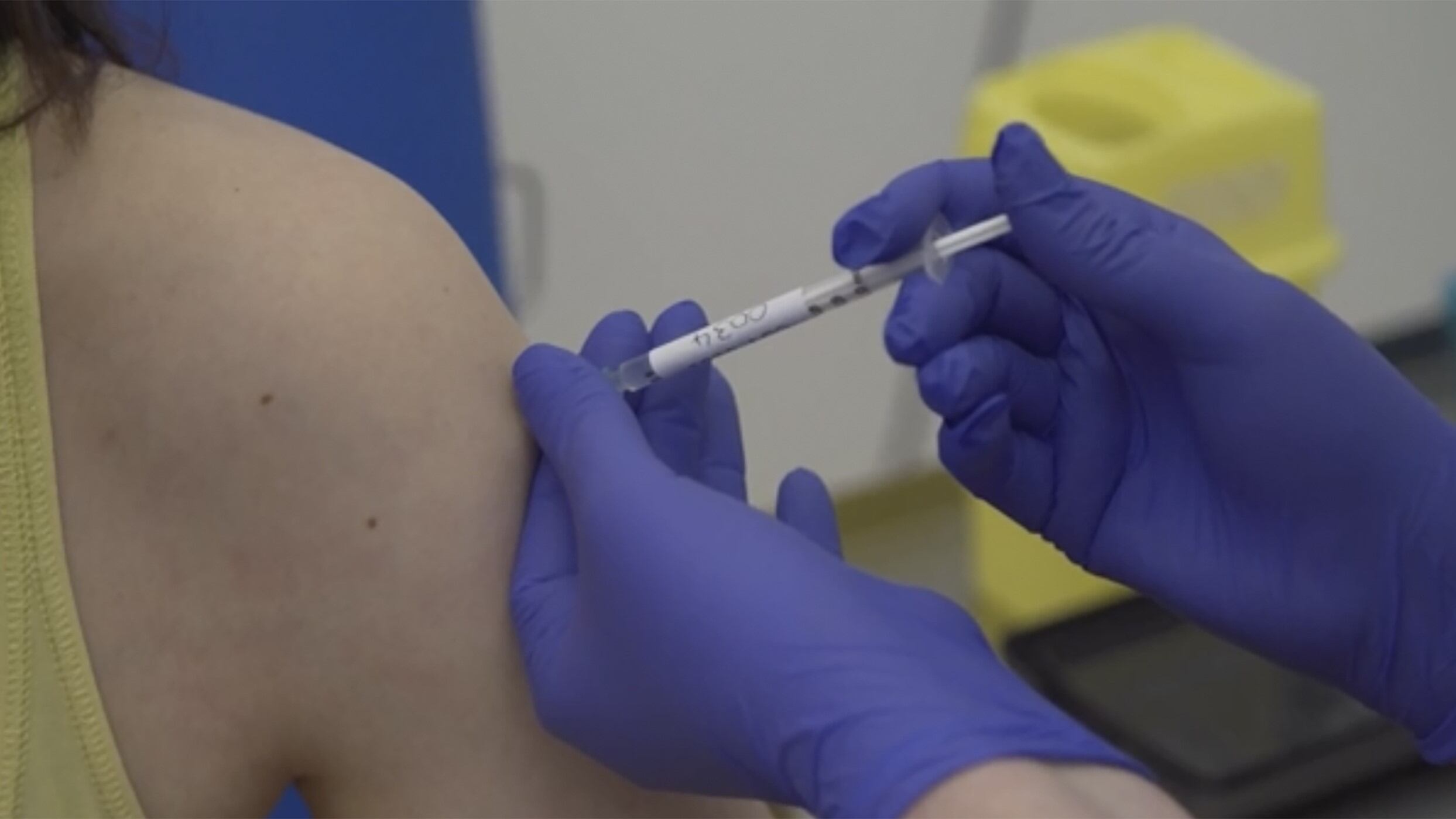
Pharmaceutical company AstraZeneca said Monday that late-stage trials showed its coronavirus vaccine was up to 90% effective, giving public health officials hope they may soon have access to a vaccine that is cheaper and easier to distribute than some of its rivals.
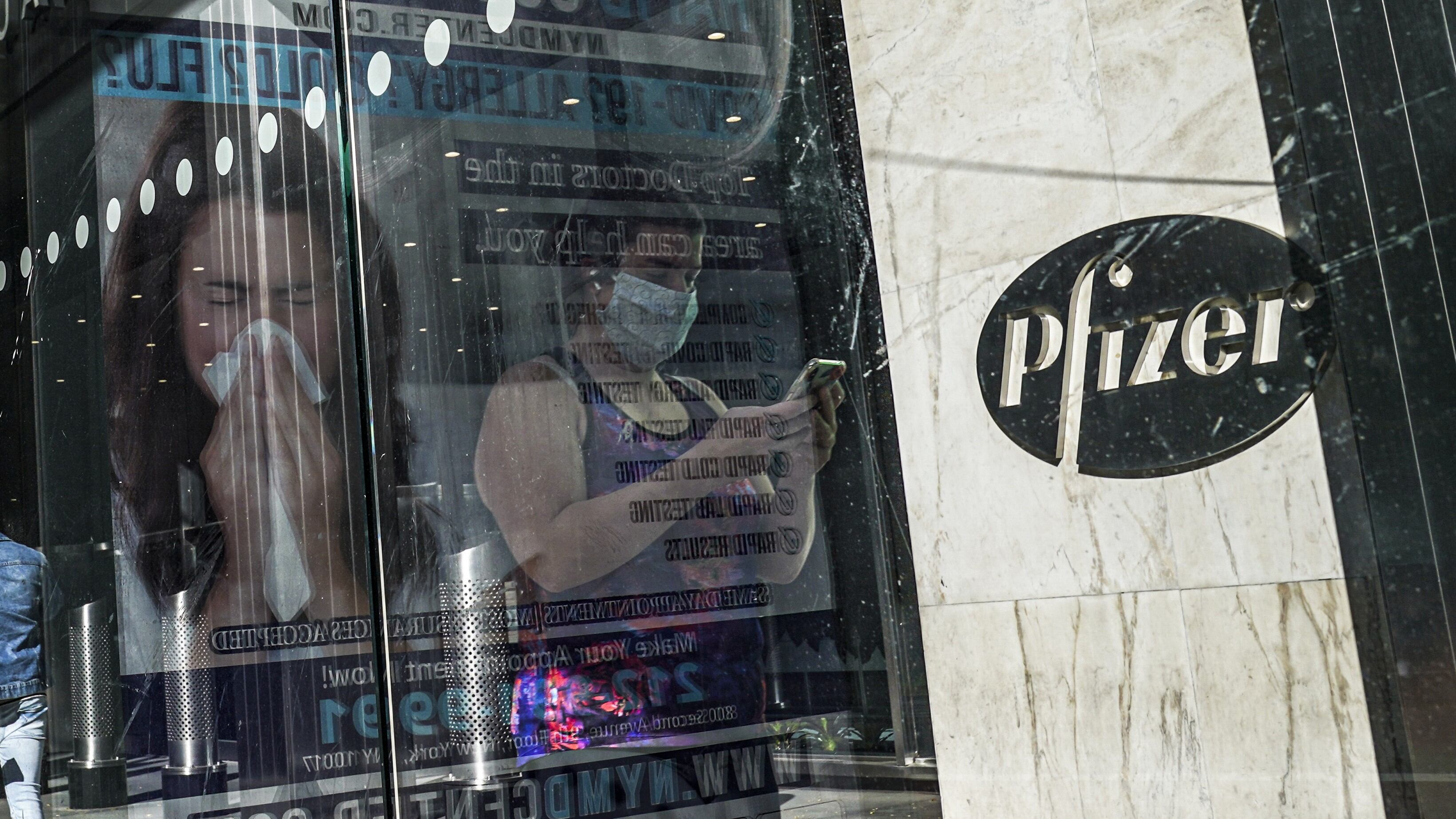
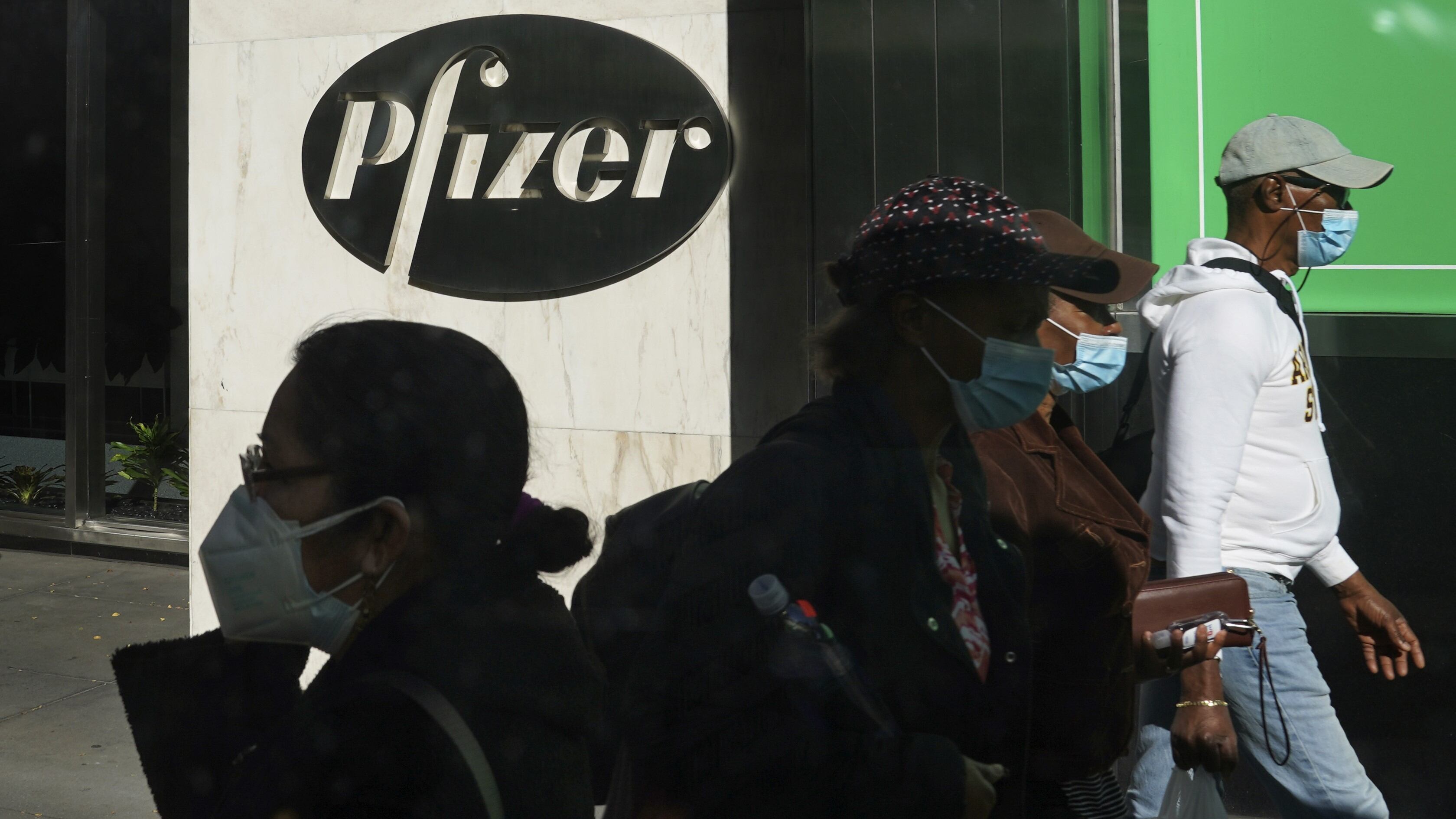
Pfizer said Friday it is asking U.S. regulators to allow emergency use of its COVID-19 vaccine, starting the clock on a process that could bring limited first shots as early as next month and eventually an end to the pandemic -- but not until after a long, hard winter.
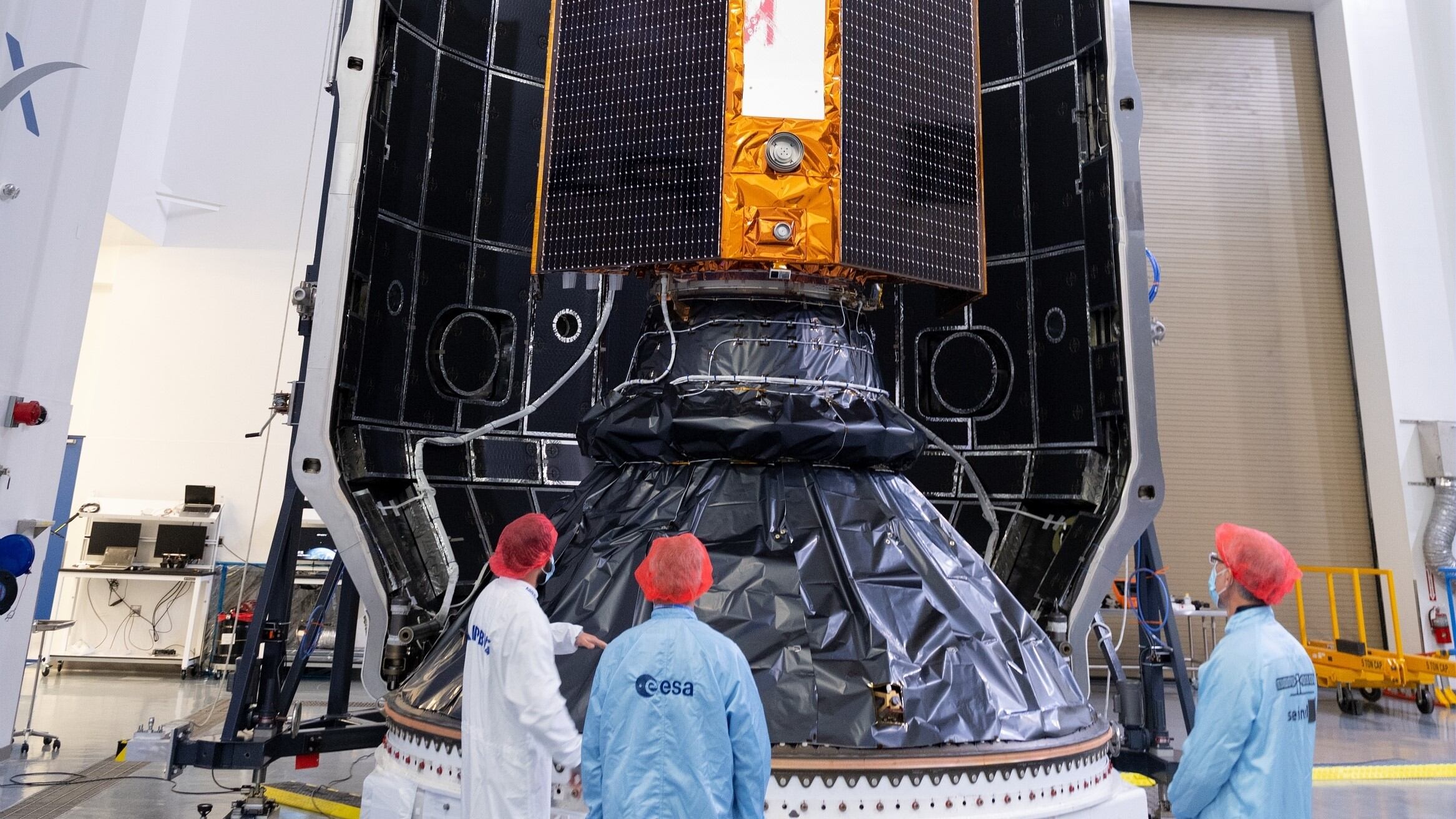
A satellite jointly developed by Europe and the United States being launched this weekend will greatly help scientists keep track of the rise in global sea levels, one of the most daunting effects of climate change, a senior official at the European Space Agency said Friday.
The use of mRNA technology in COVID-19 vaccines is groundbreaking for a number of reasons. However, there is a drawback to the vaccines: they have to be stored in brutally cold temperatures.
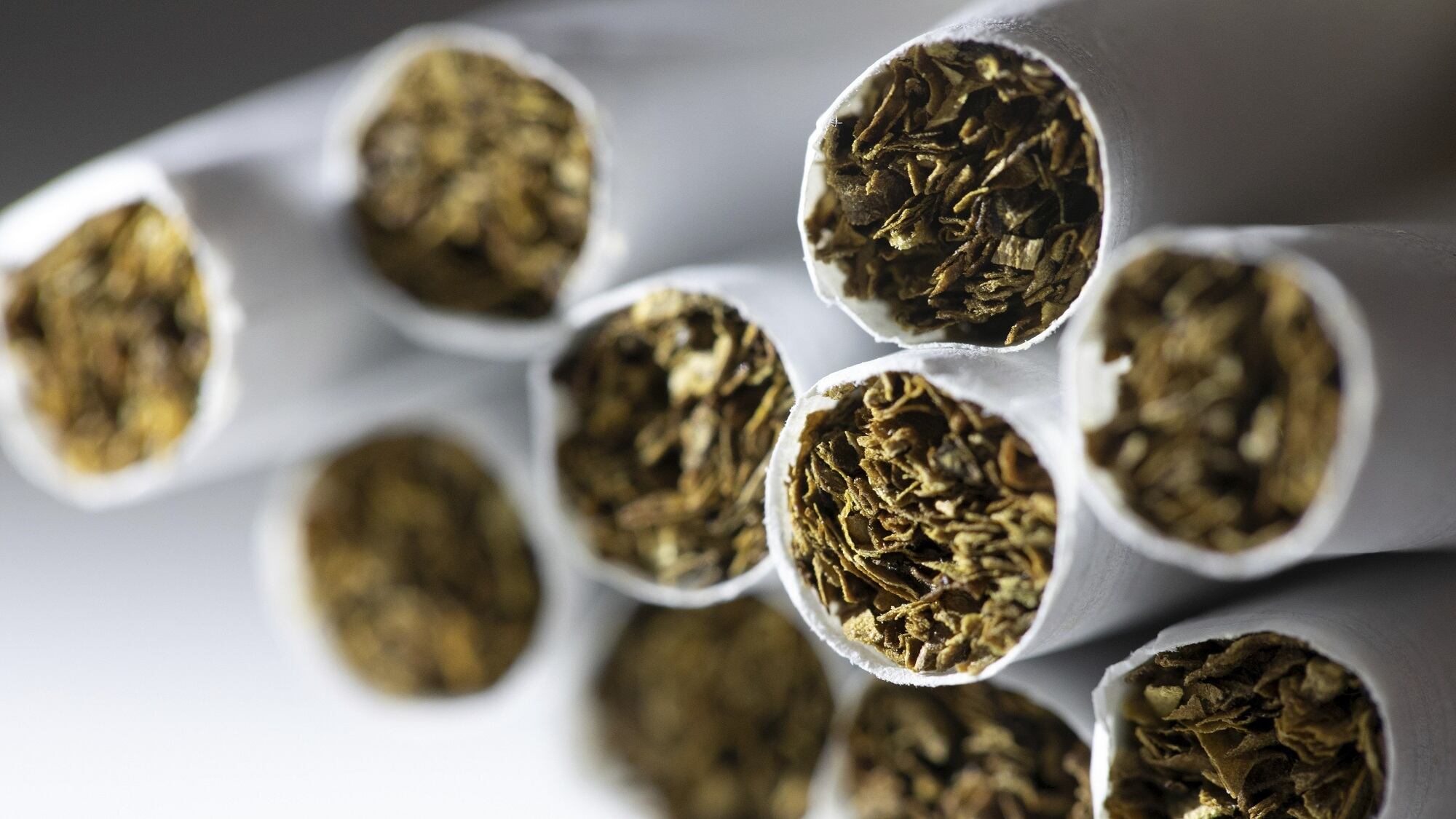
The U.S. decline in cigarette smoking could be stalling while the adult vaping rate appears to be rising, according to a government report released Thursday.
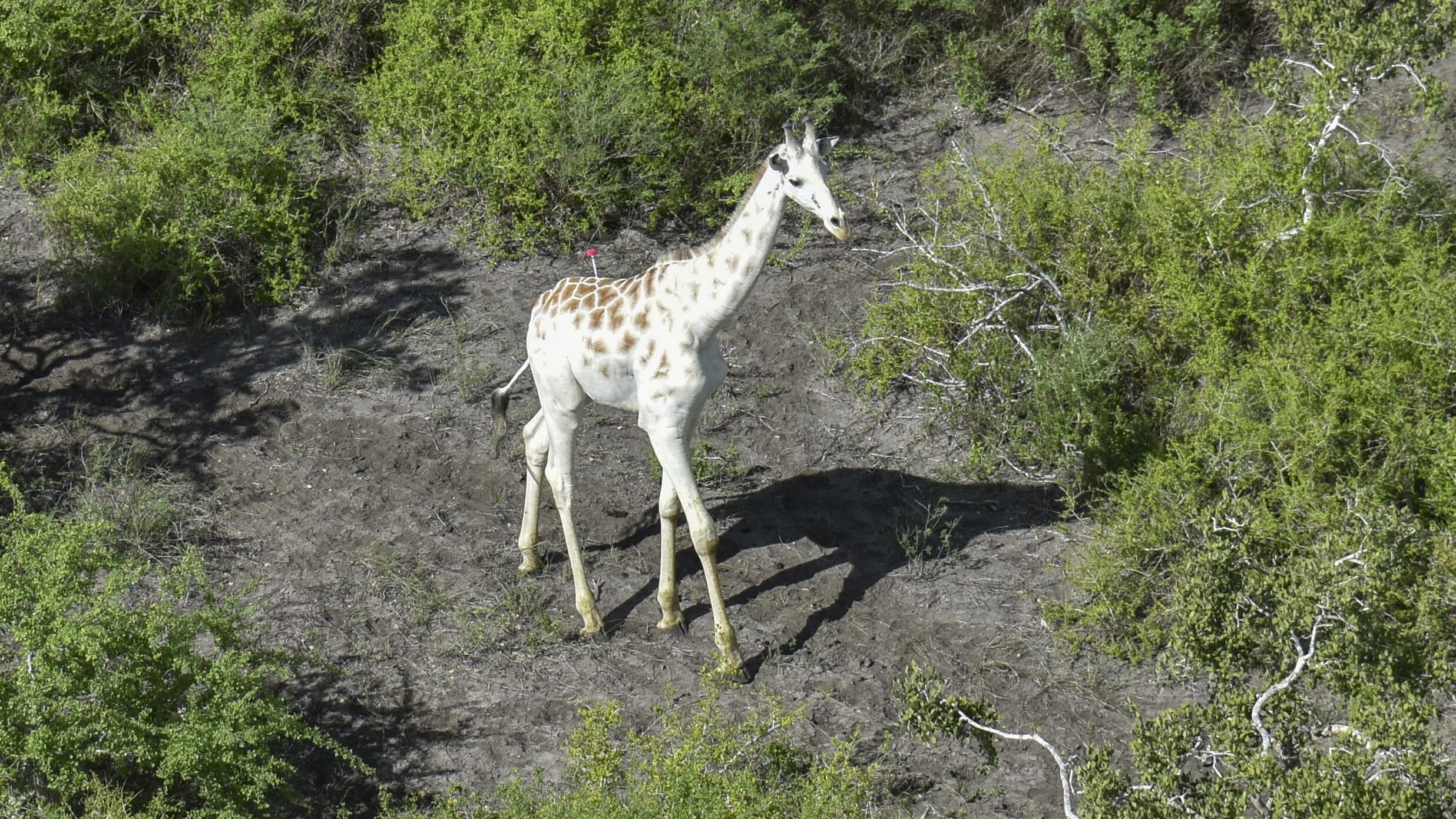
The only known white giraffe in the world has been fitted with a GPS tracking device to help protect it from poachers as it grazes in Kenya.
Pfizer said Wednesday that new test results show its coronavirus vaccine is 95% effective, is safe and also protects older people most at risk of dying.