Ants could be the next line of defense against cancer.
A study published in the journal Proceedings of Royal Society B: Biological Sciences focused on Ants and their keen sense of smell. Ants use smell via their thin sensory appendages that sit on top of their heads to do almost everything, including hunt for food, spotting mates, and protecting their young.
In the study, scientists used pieces of a breast cancer tumor, which were grafted onto mice, and then trained 35 ants to associate urine from the infected mice with sugar. In analyzing, scientists detected that the ants would hover for longer periods of time near the sick mouse rather than the healthy one.
Using ants to detect cancers would be a cost-cutting tool. Currently, cancers are diagnosed by blood withdrawal, biopsies, and colonoscopies, which are all considered invasive as well as being expensive procedures. Utilizing ants to screen for cancer would be significantly more reasonable.
While dogs have similar capabilities in that they are able to detect cancer in humans through smell, they take much longer to train. Baptiste Piqueret, a postdoctoral fellow at the Max Planck Institute for Chemical Ecology in Germany, said ants would be the ideal animal to use because they have good memories, are easy to train and don't bite.
Though progress has been made with ants and their cancer detection capabilities, there is still more research to be done on their efficacy. The next phase of the study will be human trials to see if ants are able to sniff out cancers through human excrement.
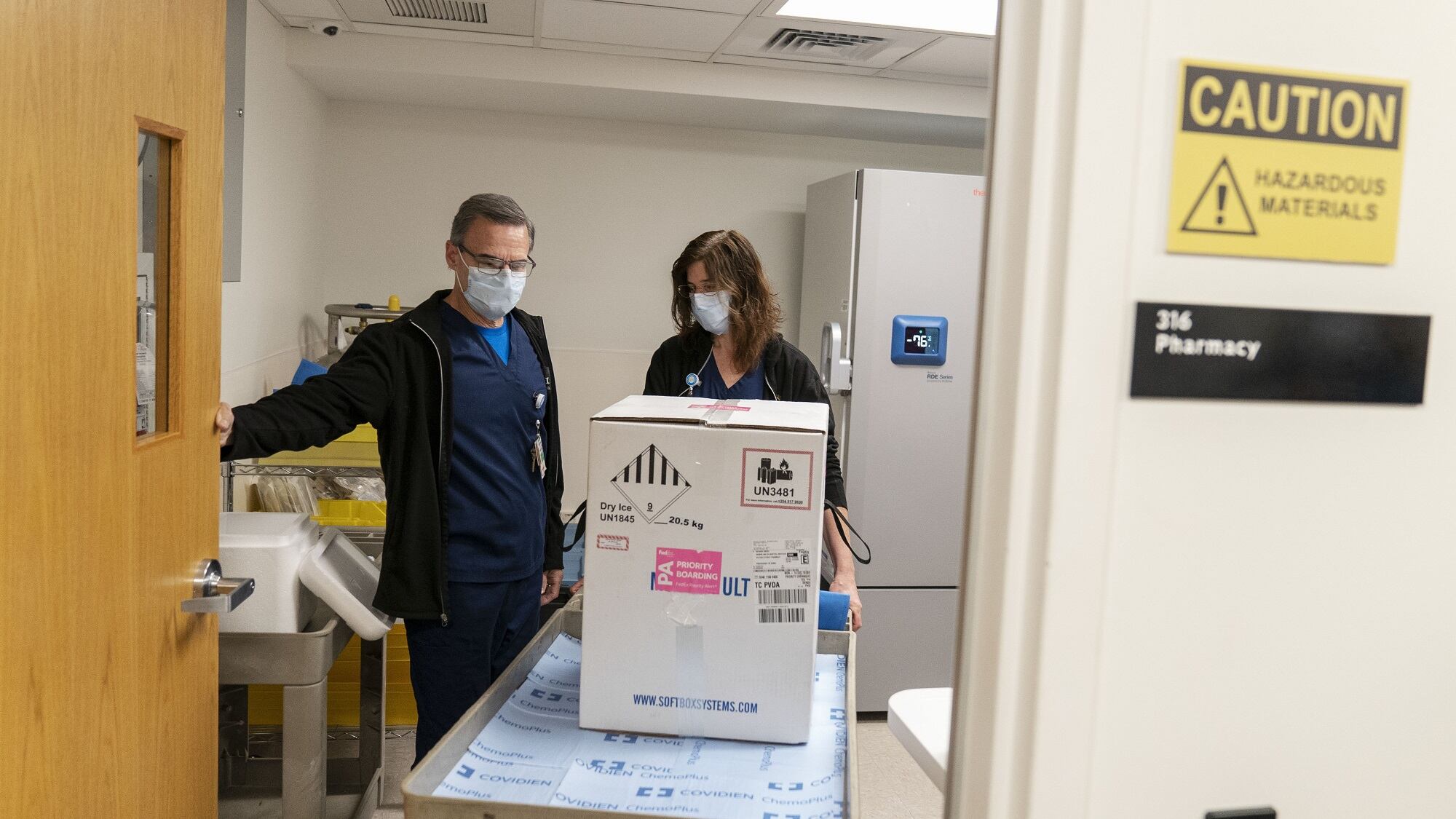
Hospital workers begin unloading precious frozen vials of COVID-19 vaccine Monday, with the first vaccinations against a scourge that has killed nearly 300,000 Americans expected later in the day.
Sen. Tina Smith (D-Minn.) joined Cheddar to discuss the need for the federal government to provide more help to states in order to effectively distribute the COVID vaccines.
Get better sleep, improve productivity and boost overall happiness with a little help from these highly-rated mindfulness picks.
Airships were once believed to be the future of human flight, so why did they fall out of favor so quickly and which flaws ultimately made them a design disaster?
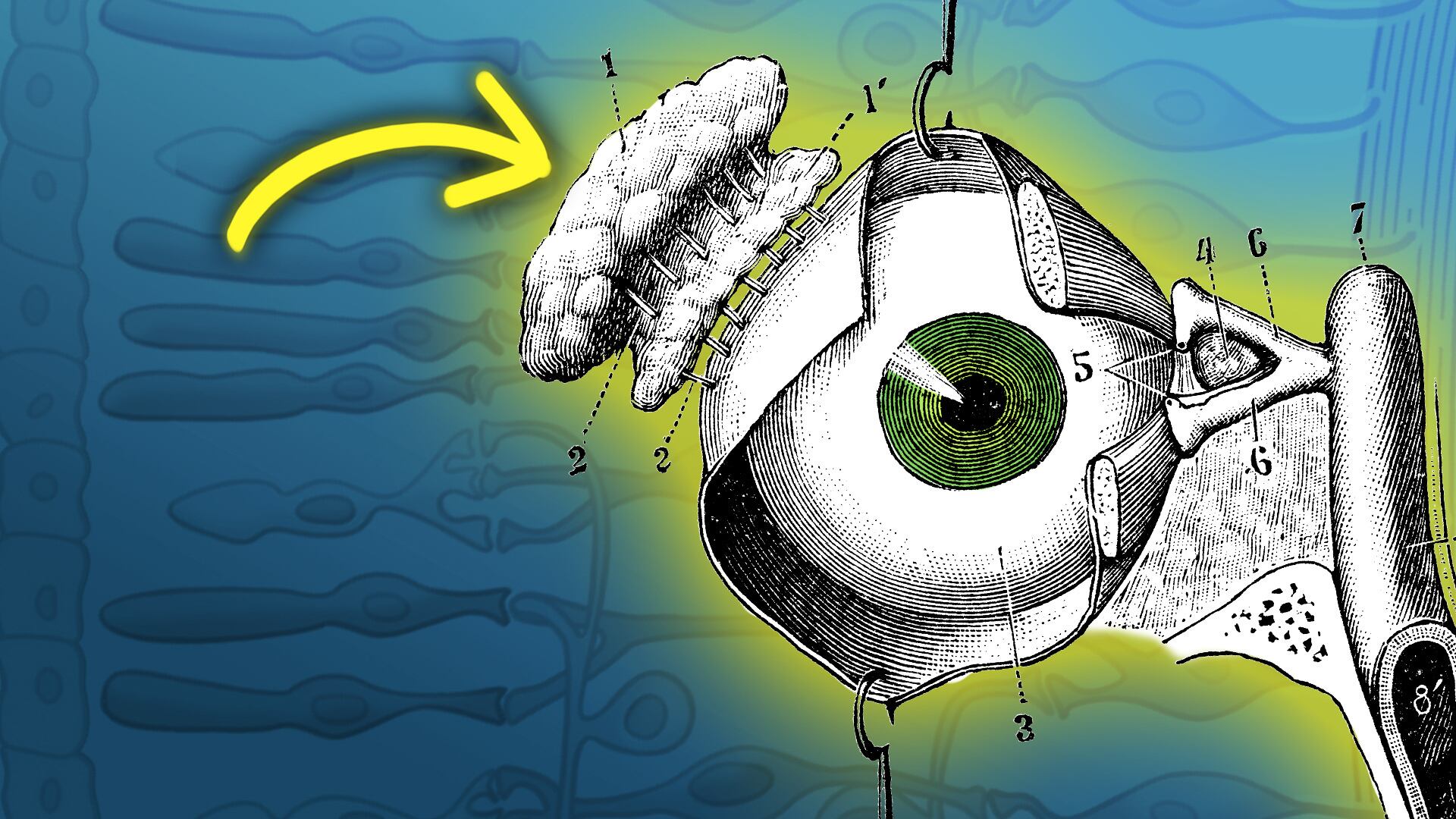
Over 24 million adults in the United States have eye issues: Either you’re born with eye issues, you grow up to have eye issues, or you get so old that your eyes deteriorate into one big issue. So why are our eyes an engineering nightmare? Cheddar explains.
Make a gamer's day with the hottest accessories, subscriptions and consoles of the holiday season.
A new report shows how warming temperatures in the Arctic are transforming the region's geography and ecosystems.
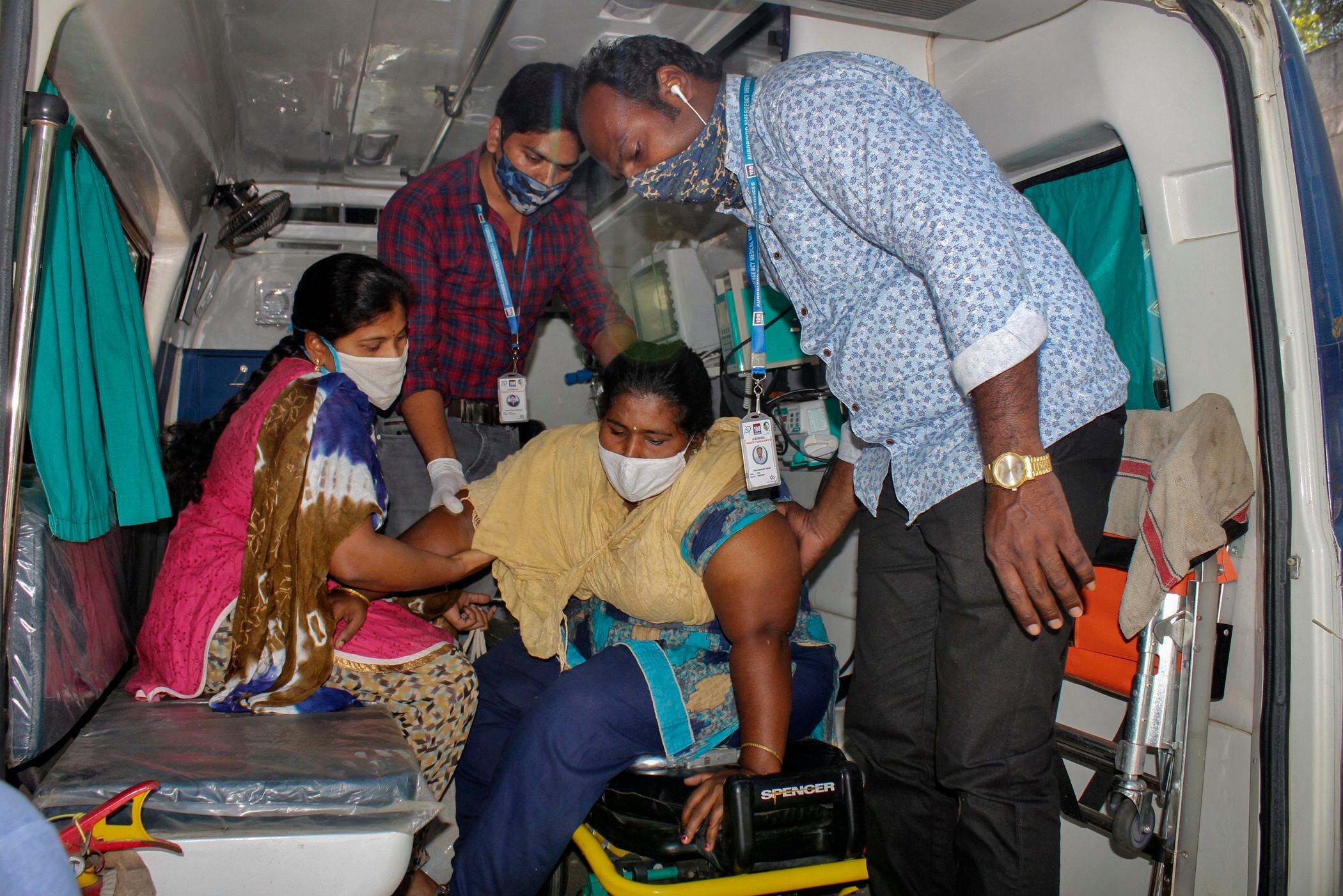
Indian health officials say they have found traces of nickel and lead in a few blood samples taken from hundreds of patients who have been hospitalized by a mysterious illness in a southern state.
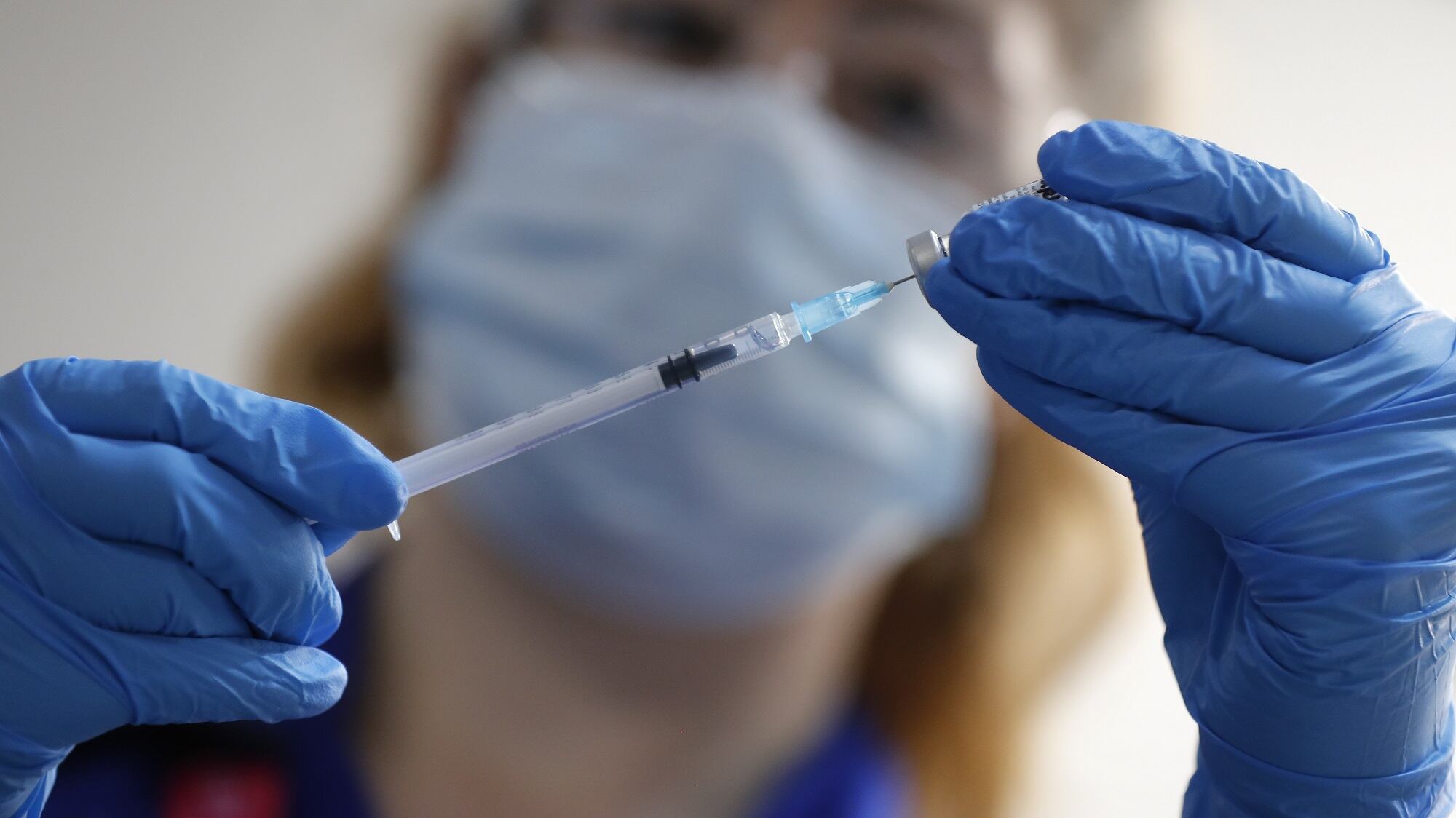
British regulators warned Wednesday that people who have a history of serious allergic reactions shouldn’t receive the new Pfizer-BioNTech vaccine as they investigate two adverse reactions that occurred on the first day of the country’s mass vaccination program.
These seven surprises are guaranteed to top a gadget lover's holiday wish list.