Ants could be the next line of defense against cancer.
A study published in the journal Proceedings of Royal Society B: Biological Sciences focused on Ants and their keen sense of smell. Ants use smell via their thin sensory appendages that sit on top of their heads to do almost everything, including hunt for food, spotting mates, and protecting their young.
In the study, scientists used pieces of a breast cancer tumor, which were grafted onto mice, and then trained 35 ants to associate urine from the infected mice with sugar. In analyzing, scientists detected that the ants would hover for longer periods of time near the sick mouse rather than the healthy one.
Using ants to detect cancers would be a cost-cutting tool. Currently, cancers are diagnosed by blood withdrawal, biopsies, and colonoscopies, which are all considered invasive as well as being expensive procedures. Utilizing ants to screen for cancer would be significantly more reasonable.
While dogs have similar capabilities in that they are able to detect cancer in humans through smell, they take much longer to train. Baptiste Piqueret, a postdoctoral fellow at the Max Planck Institute for Chemical Ecology in Germany, said ants would be the ideal animal to use because they have good memories, are easy to train and don't bite.
Though progress has been made with ants and their cancer detection capabilities, there is still more research to be done on their efficacy. The next phase of the study will be human trials to see if ants are able to sniff out cancers through human excrement.
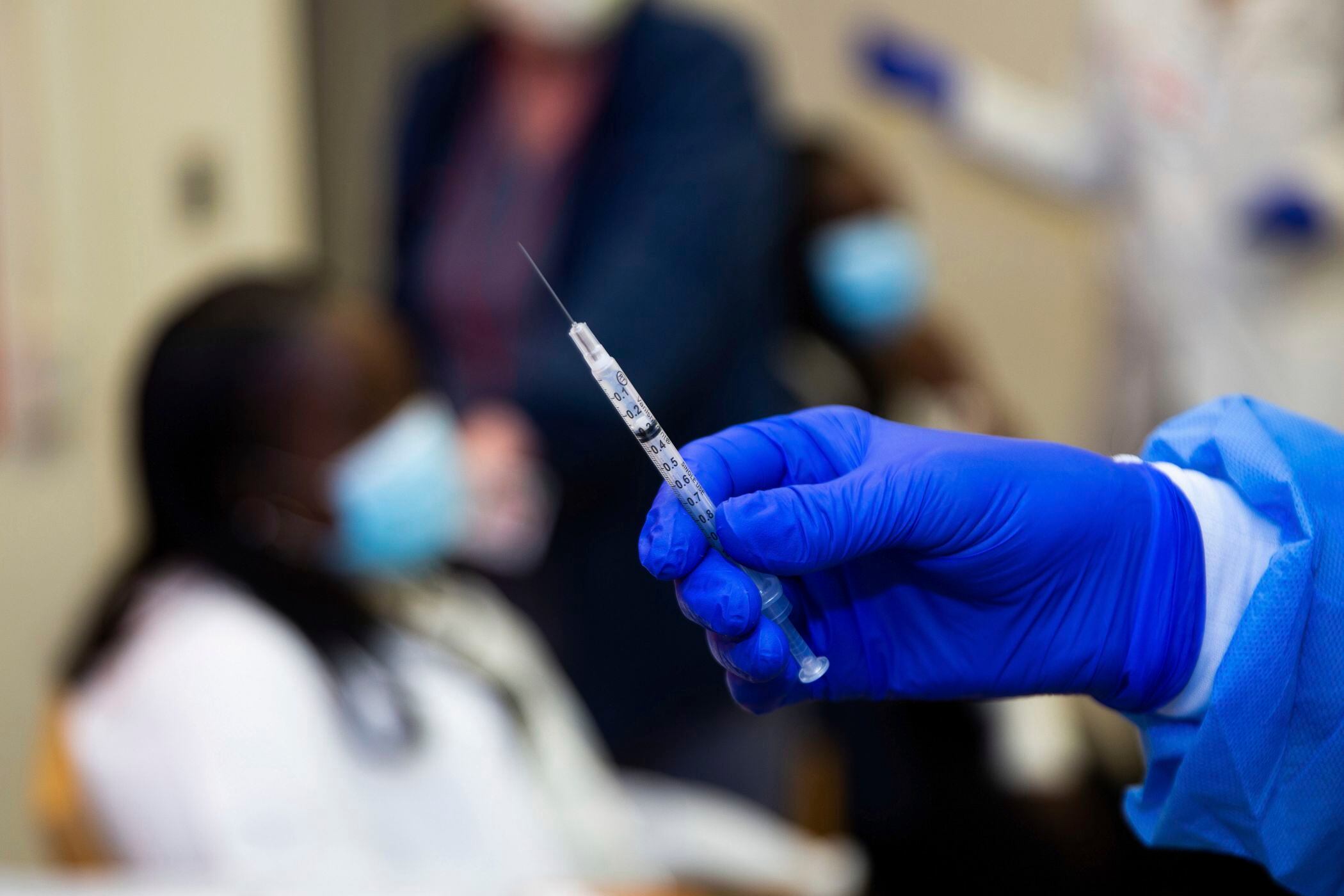
California is transforming baseball stadiums, fairgrounds and even a Disneyland Resort parking lot into mass vaccination sites as the coronavirus surge overwhelms hospitals and sets a deadly new record in the state.
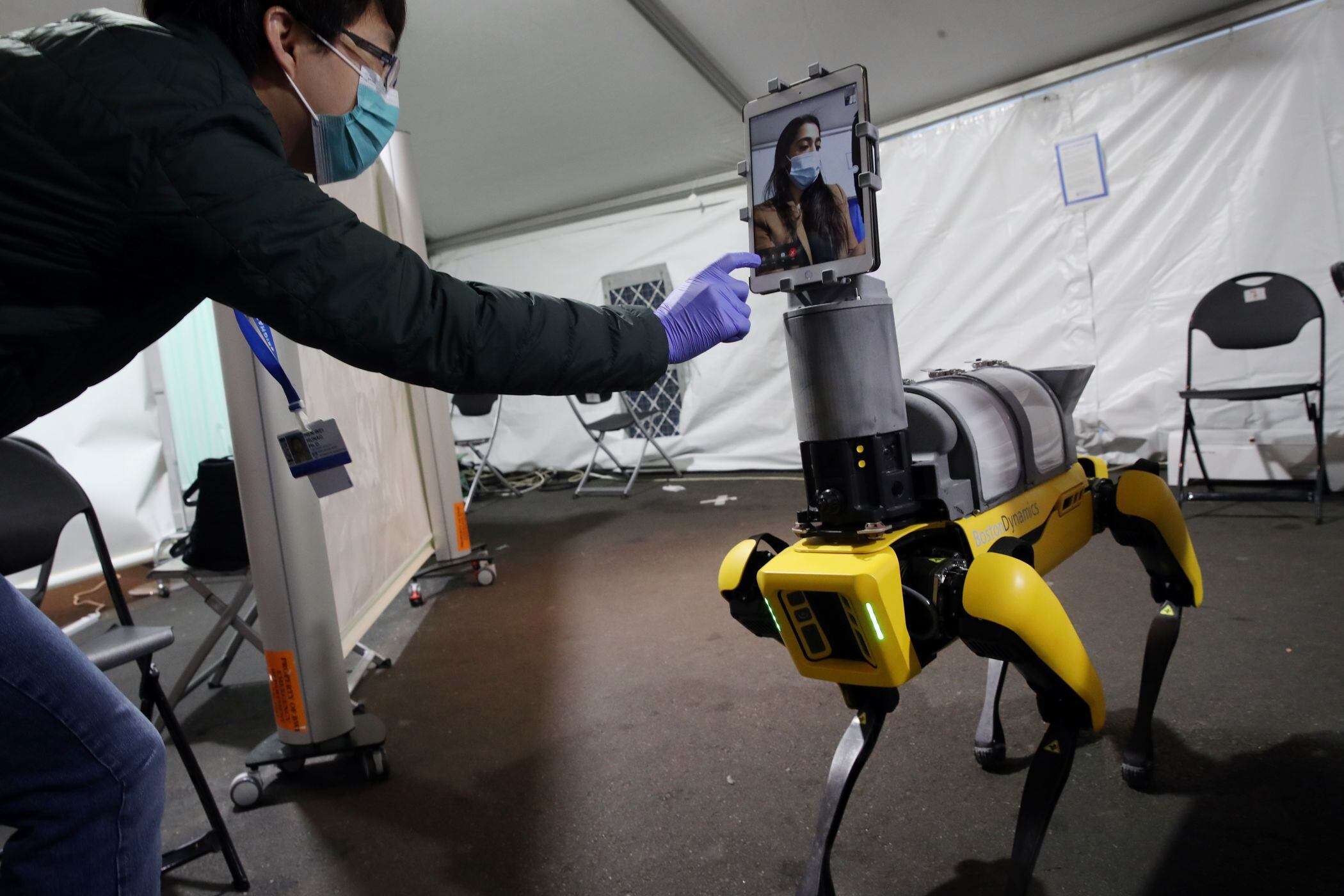
Boston Dynamic's vice president of business development Michael Perry talked to Cheddar about the variety of roles that its robot dog Spot could fill in business — and in the every-day lives of people.
From Wall Street to Silicon Valley, these are the top stories that moved markets and had investors, business leaders, and entrepreneurs talking this week on Cheddar.
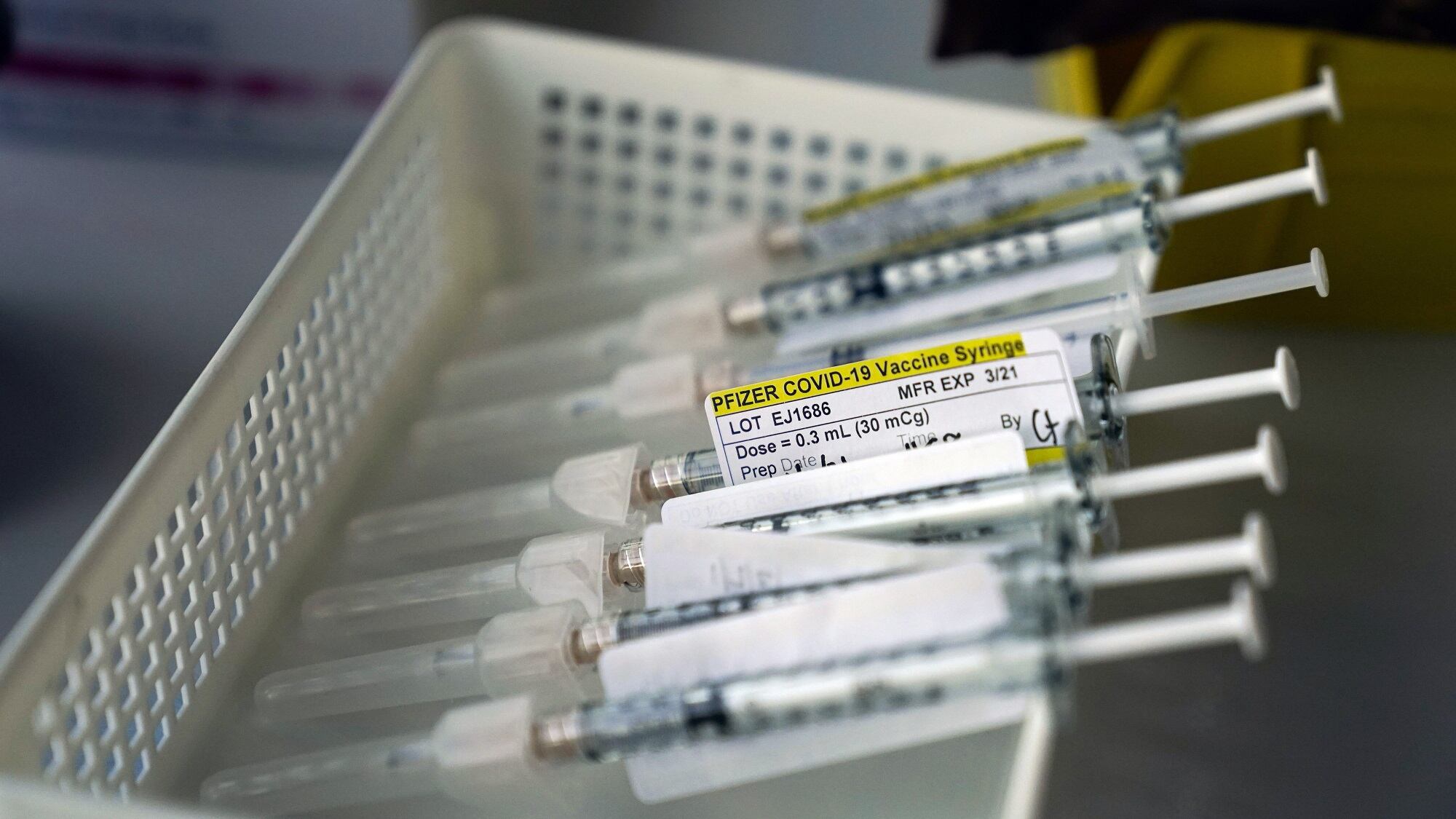
New research suggests that Pfizer’s COVID-19 vaccine can protect against a mutation found in two easier-to-spread variants of the coronavirus that erupted in Britain and South Africa.
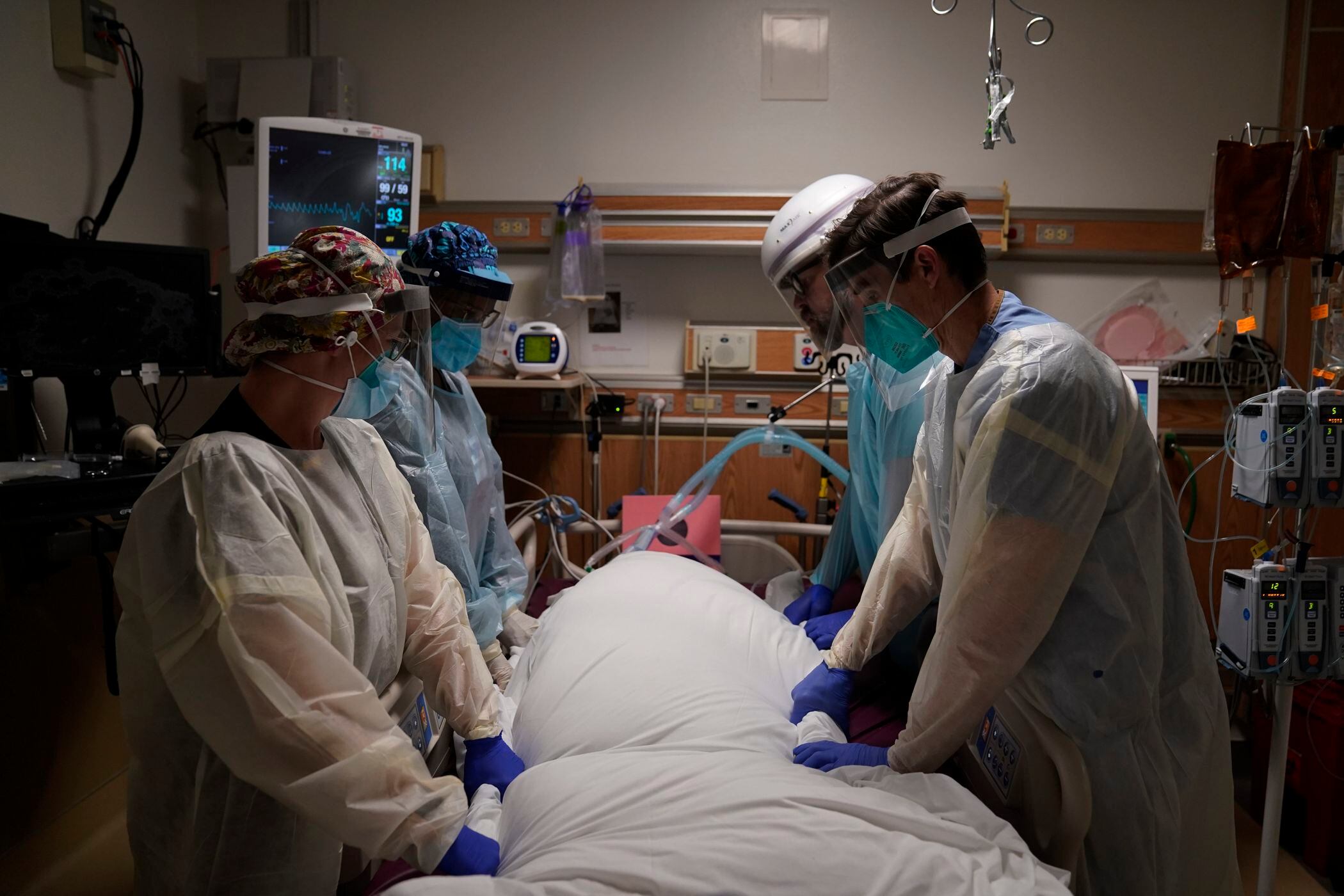
The U.S. registered its highest deaths yet from the coronavirus on the very day the mob attack on the Capitol laid bare some of the same, deep political divisions that have hampered the battle against the pandemic.
The nation's top infectious disease expert says the U.S. could soon be doing a million COVID-19 vaccinations a day despite the sluggish start.
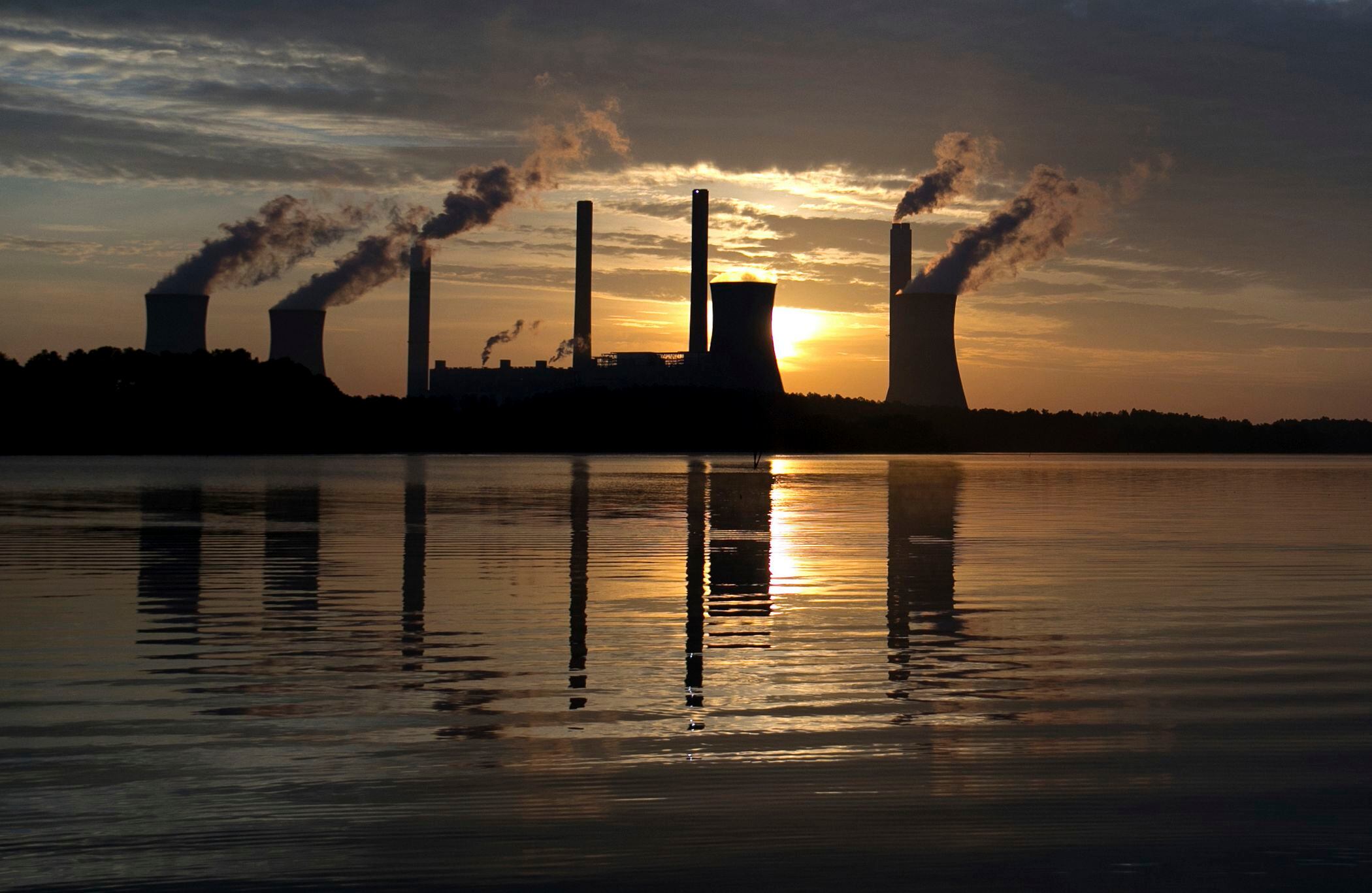
With Georgia's Senate runoff election underway, a pair of local environmental activists are spreading their message about the need to fight climate change.
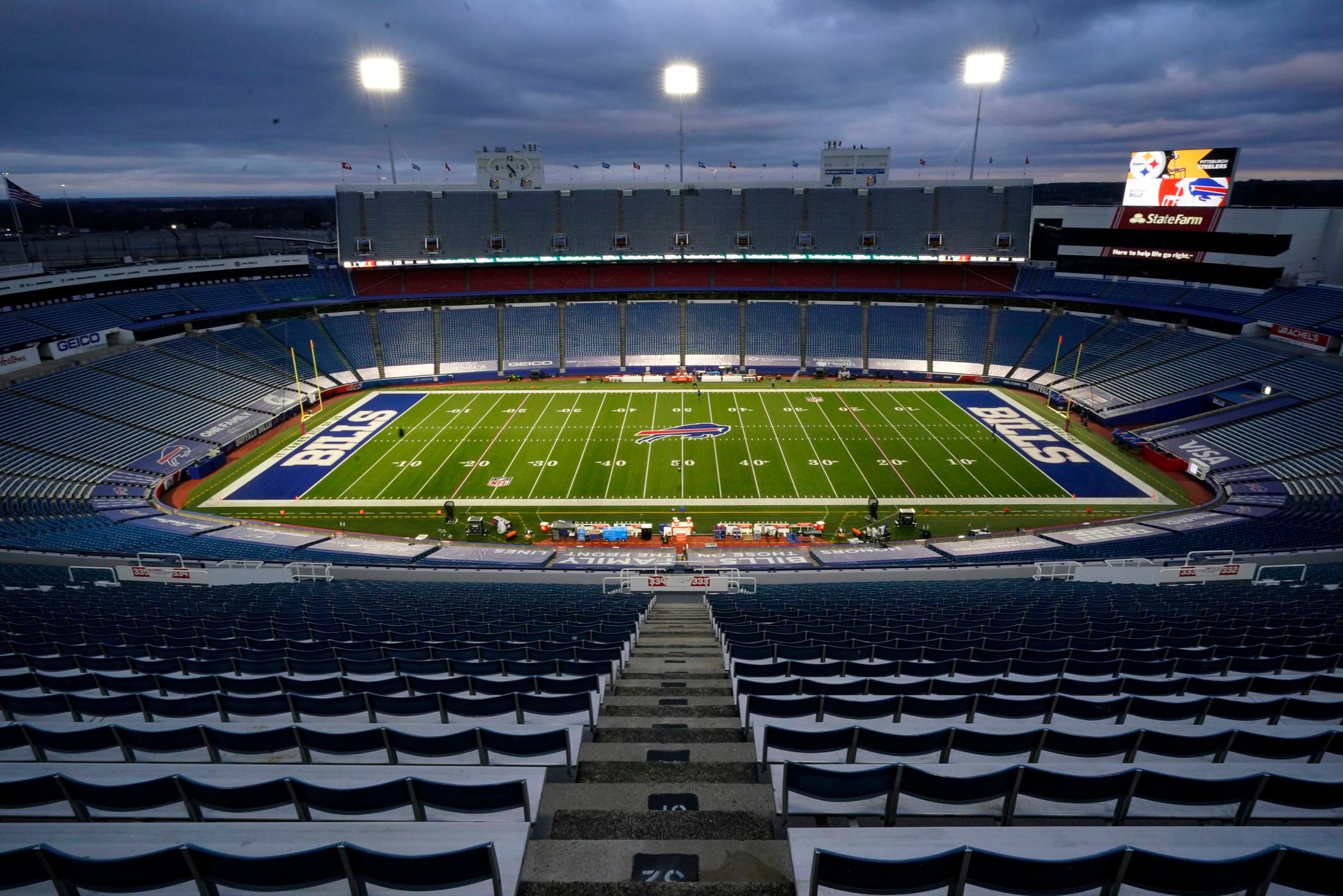
Buffalo's NFL team is playing its first home game since 1996, and in order to make it work amid a pandemic, the Bills are partnering with BioReference Laboratories in a pilot testing program.
The award-winning streaming library features thousands of top documentaries covering myriad topics, including history, nature, science, lifestyle and more.
From Wall Street to Silicon Valley, these are the top stories that moved markets and had investors, business leaders, and entrepreneurs talking this week on Cheddar.