Ants could be the next line of defense against cancer.
A study published in the journal Proceedings of Royal Society B: Biological Sciences focused on Ants and their keen sense of smell. Ants use smell via their thin sensory appendages that sit on top of their heads to do almost everything, including hunt for food, spotting mates, and protecting their young.
In the study, scientists used pieces of a breast cancer tumor, which were grafted onto mice, and then trained 35 ants to associate urine from the infected mice with sugar. In analyzing, scientists detected that the ants would hover for longer periods of time near the sick mouse rather than the healthy one.
Using ants to detect cancers would be a cost-cutting tool. Currently, cancers are diagnosed by blood withdrawal, biopsies, and colonoscopies, which are all considered invasive as well as being expensive procedures. Utilizing ants to screen for cancer would be significantly more reasonable.
While dogs have similar capabilities in that they are able to detect cancer in humans through smell, they take much longer to train. Baptiste Piqueret, a postdoctoral fellow at the Max Planck Institute for Chemical Ecology in Germany, said ants would be the ideal animal to use because they have good memories, are easy to train and don't bite.
Though progress has been made with ants and their cancer detection capabilities, there is still more research to be done on their efficacy. The next phase of the study will be human trials to see if ants are able to sniff out cancers through human excrement.
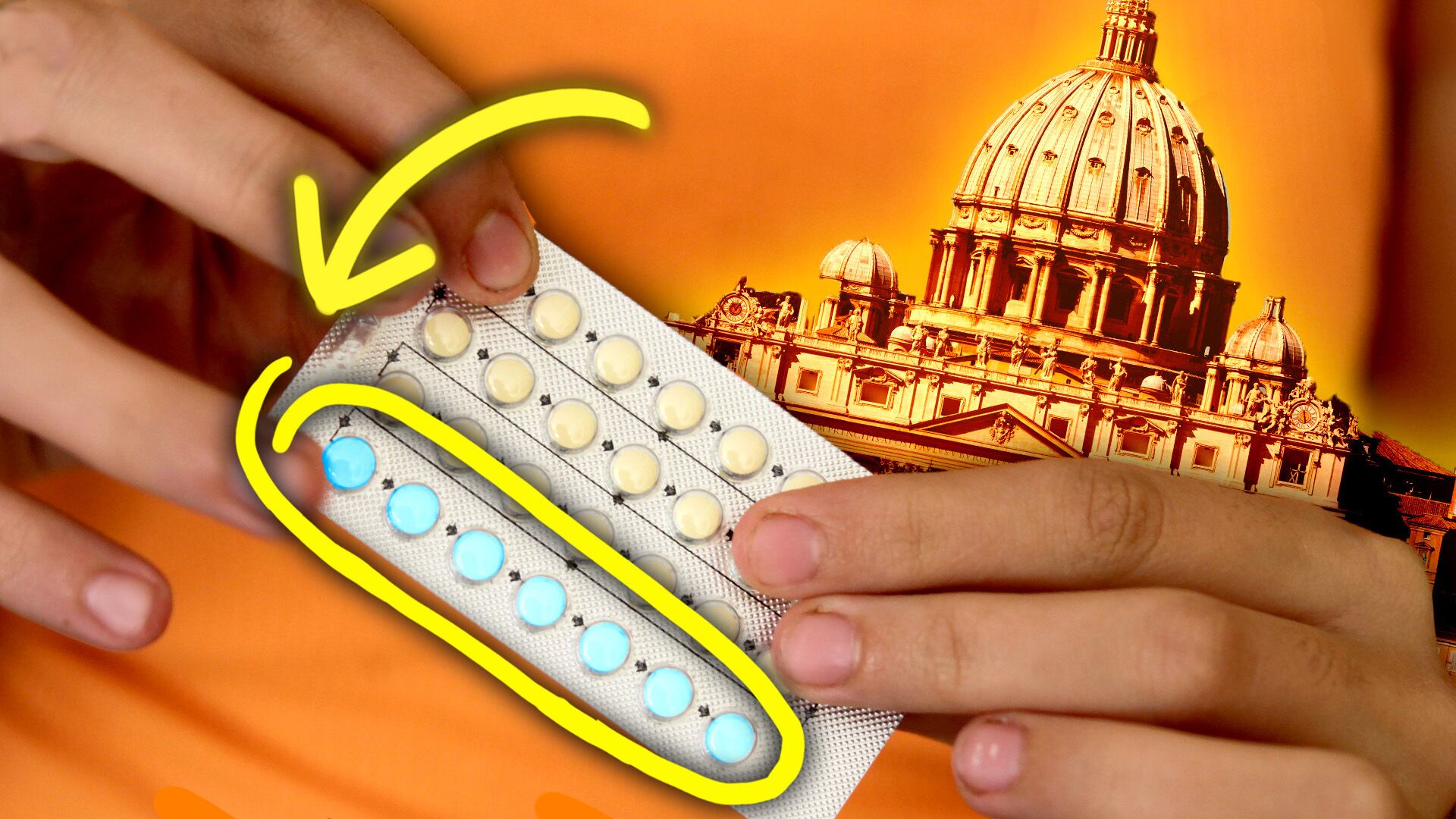
The pill comprises 40% of the profits in the U.S. contraceptive market and 25% of contraceptive consumers, causing millions of unnecessary ‘periods’ along the way. So, why hasn’t birth control evolved beyond the pseudo-period?
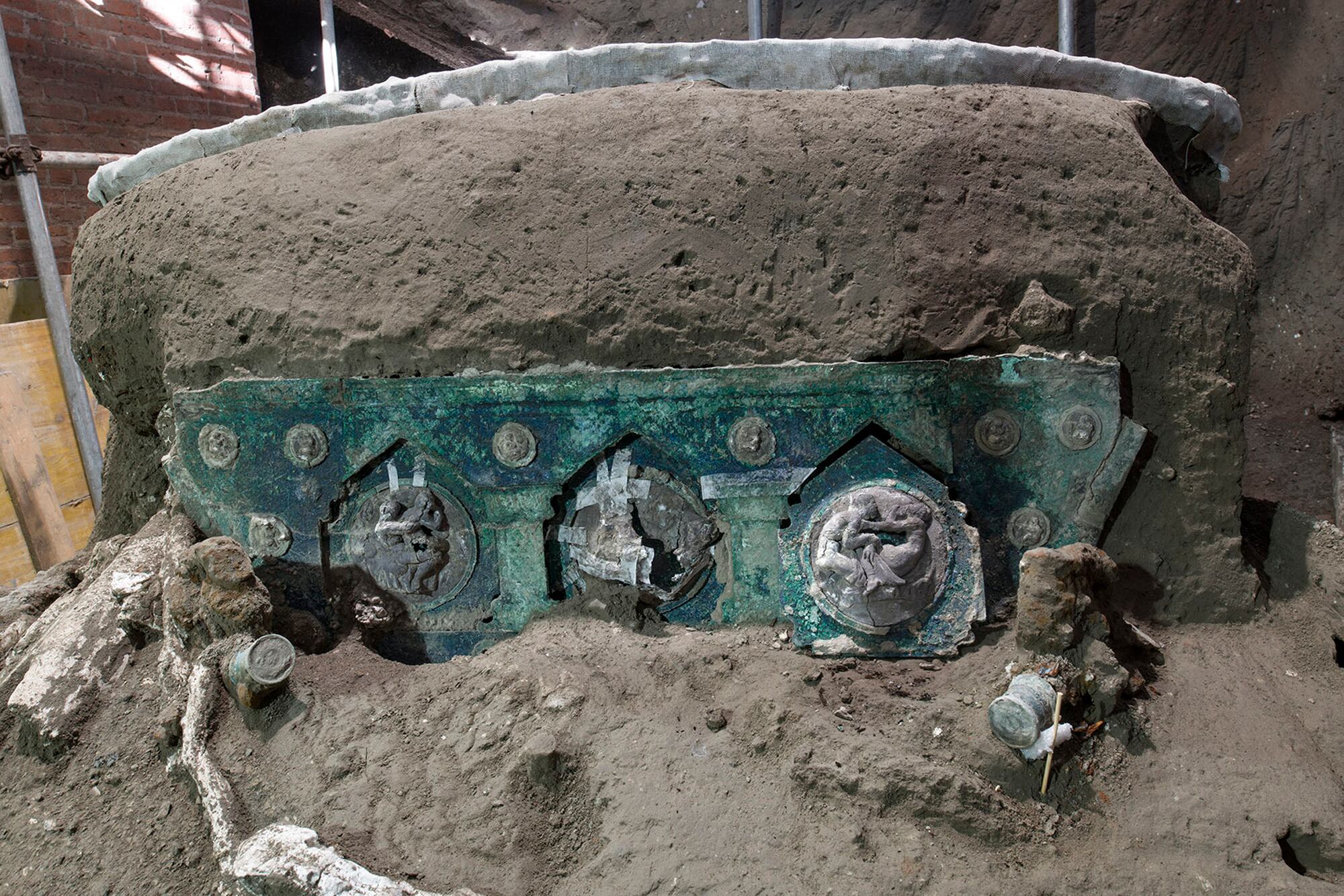
Officials at the Pompeii archaeological site in Italy have announced the discovery of an intact ceremonial chariot, one of several important discoveries made outside the park following an investigation into an illegal dig.
Spacewalking astronauts have installed support frames at the International Space Station for new solar panels arriving later this year.
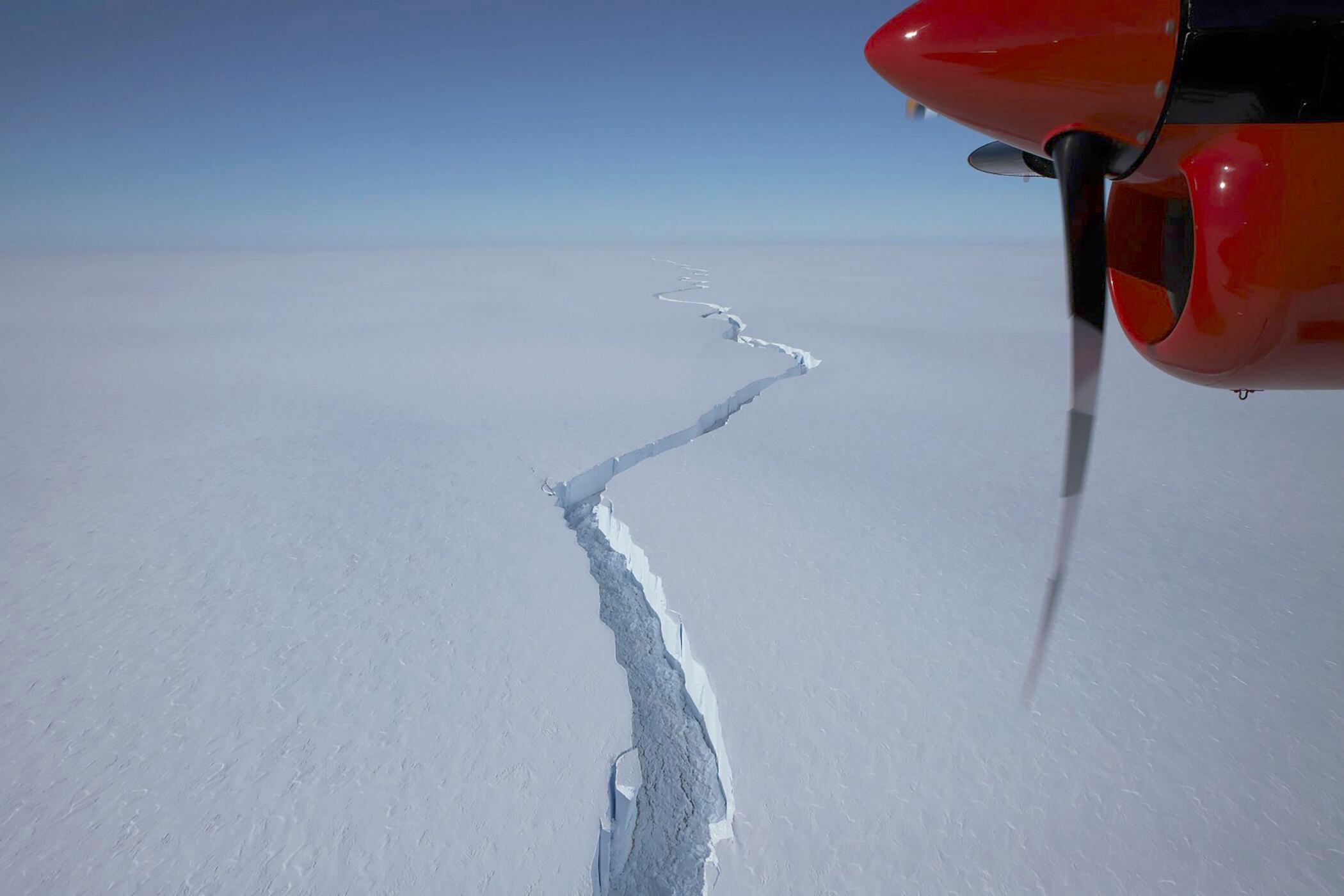
A huge iceberg, the size of the UK county of Bedfordshire, has broken off the Brunt Ice Shelf.
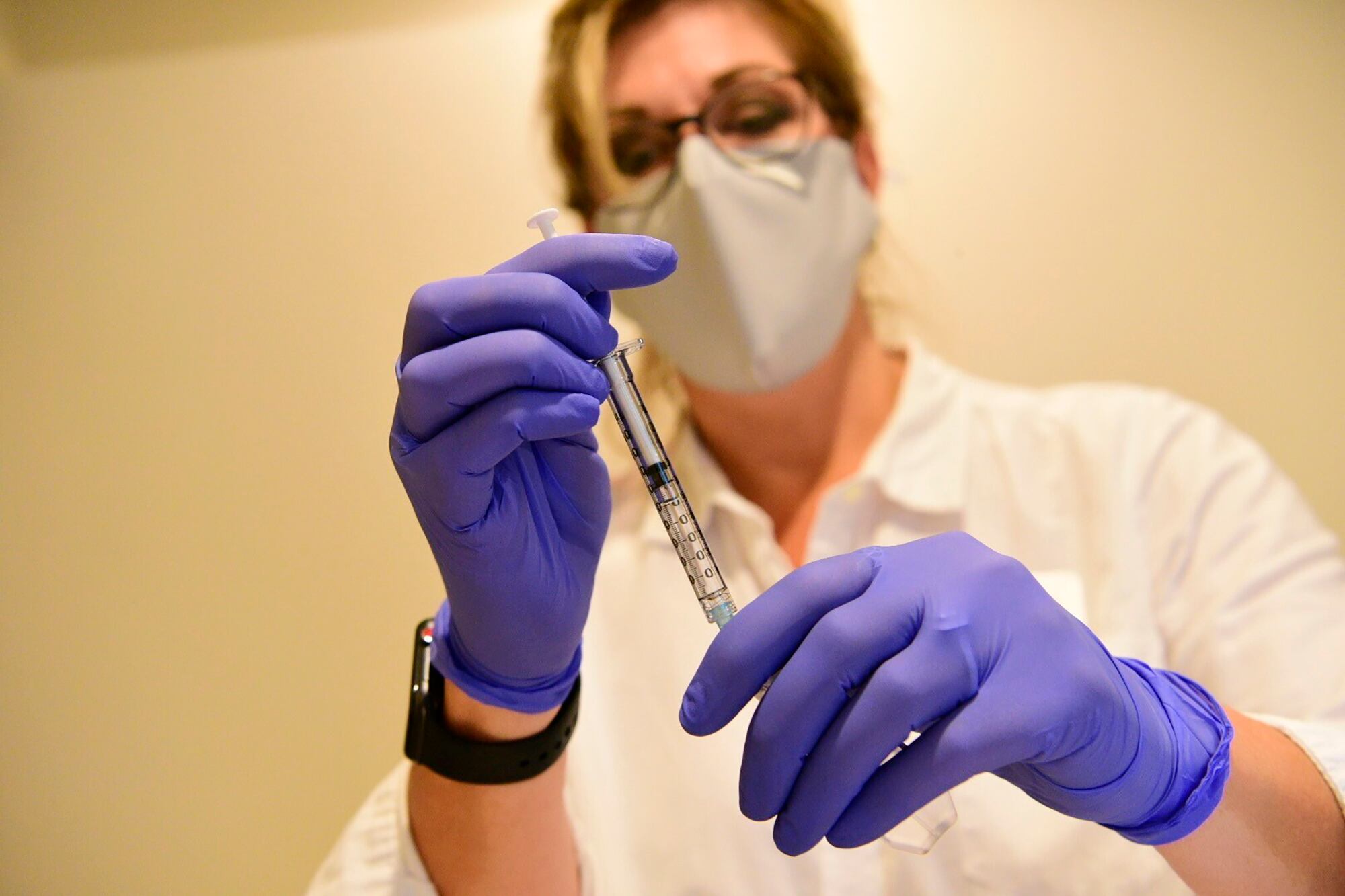
U.S. health advisers have endorsed a one-dose COVID-19 vaccine from Johnson & Johnson that's expected to provide an easier-to-use option to fight the pandemic.
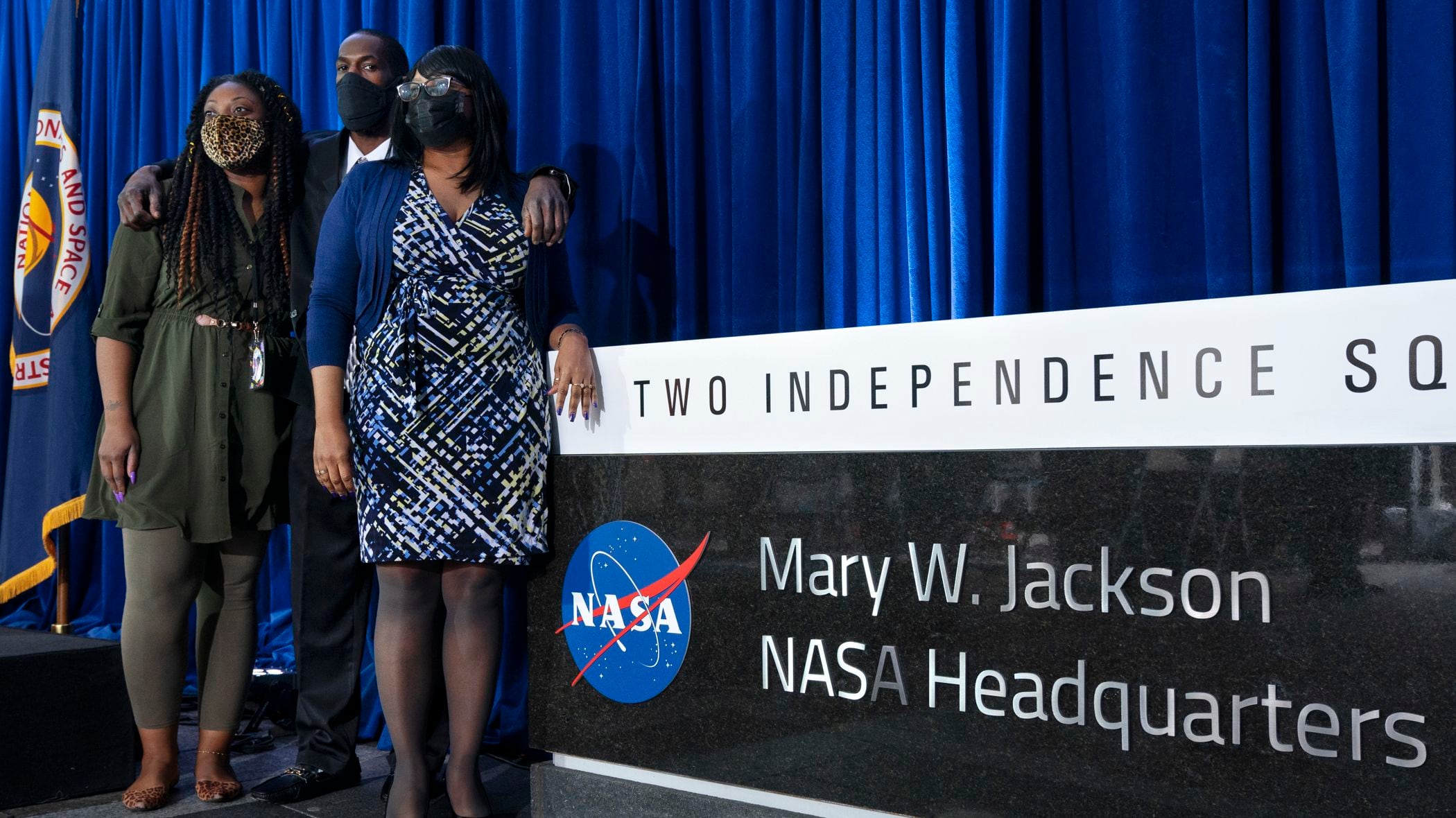
NASA on Friday is named its Washington headquarters after Mary W. Jackson, the space agency's first African American female engineer whose story was portrayed in the popular film "Hidden Figures."
From Wall Street to Silicon Valley, these are the top stories that moved markets and had investors, business leaders, and entrepreneurs talking this week on Cheddar.
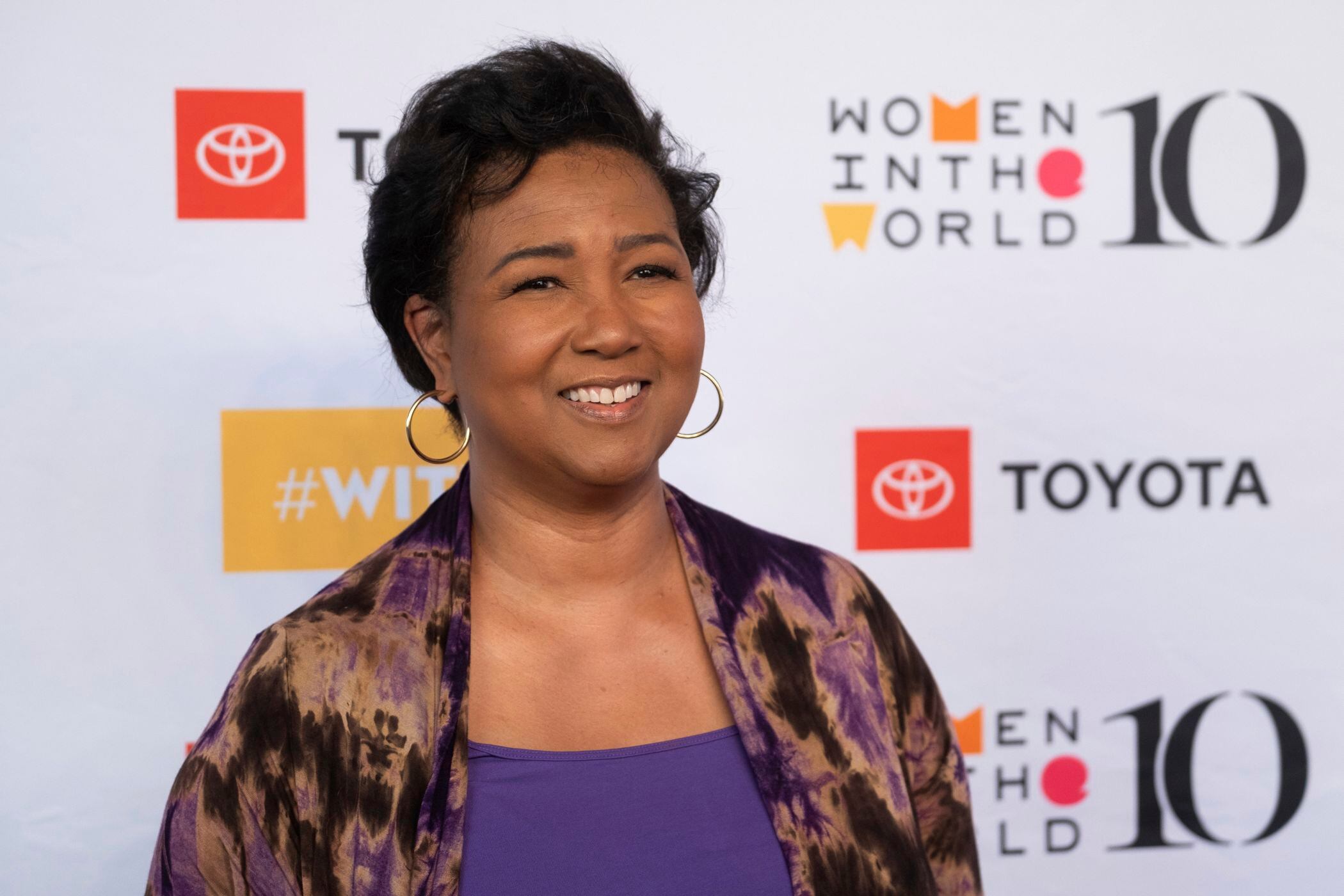
Dr. Mae Jemison, the first Black woman in space, spoke with Cheddar about how space provides the perspective of an interconnected global community.
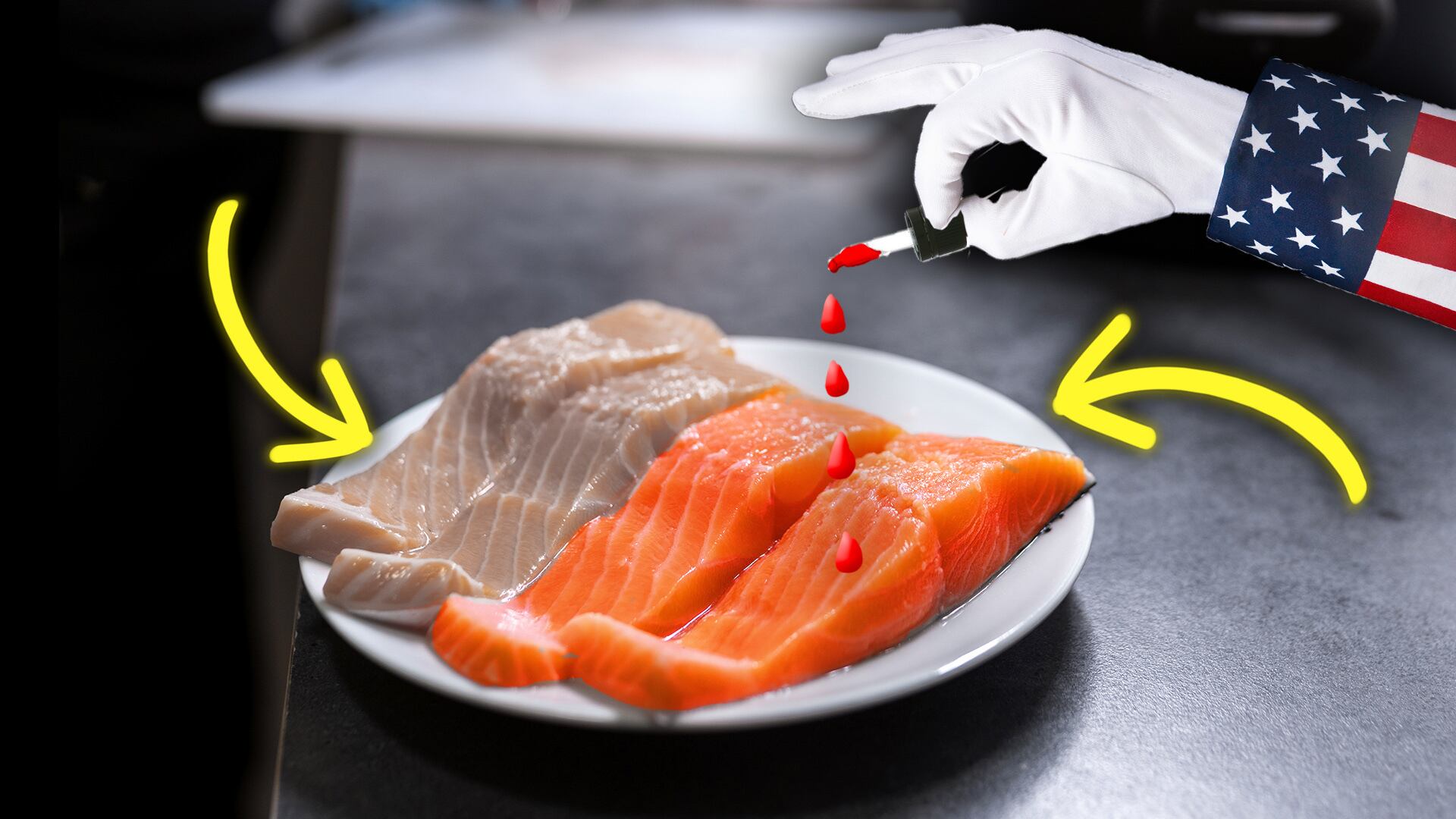
The government plays a key role in determining the colors of your food, and for that, we can thank the margarine wars of the late 19th century.
A designer named Robert Propst dreamed up what he called “The Action Office” as a groovy 1960s workplace utopia. This is how it all went so wrong.