Ants could be the next line of defense against cancer.
A study published in the journal Proceedings of Royal Society B: Biological Sciences focused on Ants and their keen sense of smell. Ants use smell via their thin sensory appendages that sit on top of their heads to do almost everything, including hunt for food, spotting mates, and protecting their young.
In the study, scientists used pieces of a breast cancer tumor, which were grafted onto mice, and then trained 35 ants to associate urine from the infected mice with sugar. In analyzing, scientists detected that the ants would hover for longer periods of time near the sick mouse rather than the healthy one.
Using ants to detect cancers would be a cost-cutting tool. Currently, cancers are diagnosed by blood withdrawal, biopsies, and colonoscopies, which are all considered invasive as well as being expensive procedures. Utilizing ants to screen for cancer would be significantly more reasonable.
While dogs have similar capabilities in that they are able to detect cancer in humans through smell, they take much longer to train. Baptiste Piqueret, a postdoctoral fellow at the Max Planck Institute for Chemical Ecology in Germany, said ants would be the ideal animal to use because they have good memories, are easy to train and don't bite.
Though progress has been made with ants and their cancer detection capabilities, there is still more research to be done on their efficacy. The next phase of the study will be human trials to see if ants are able to sniff out cancers through human excrement.
NASA has completed an engine test firing of its moon rocket, after the first attempt in January ended prematurely.
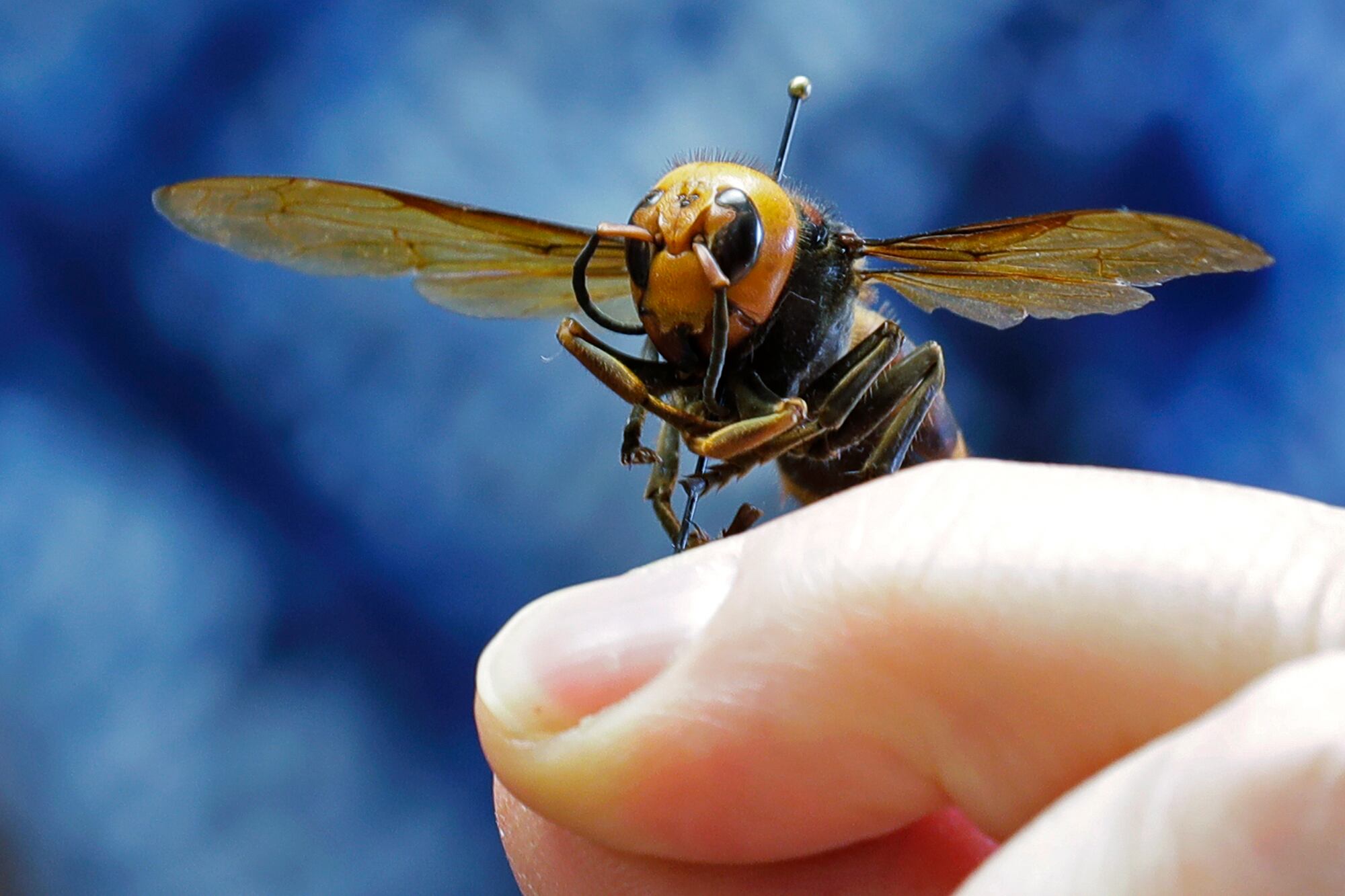
Scientists in the U.S. and Canada are opening new fronts in the war against so-called murder hornets as the giant insects begin establishing nests this spring.
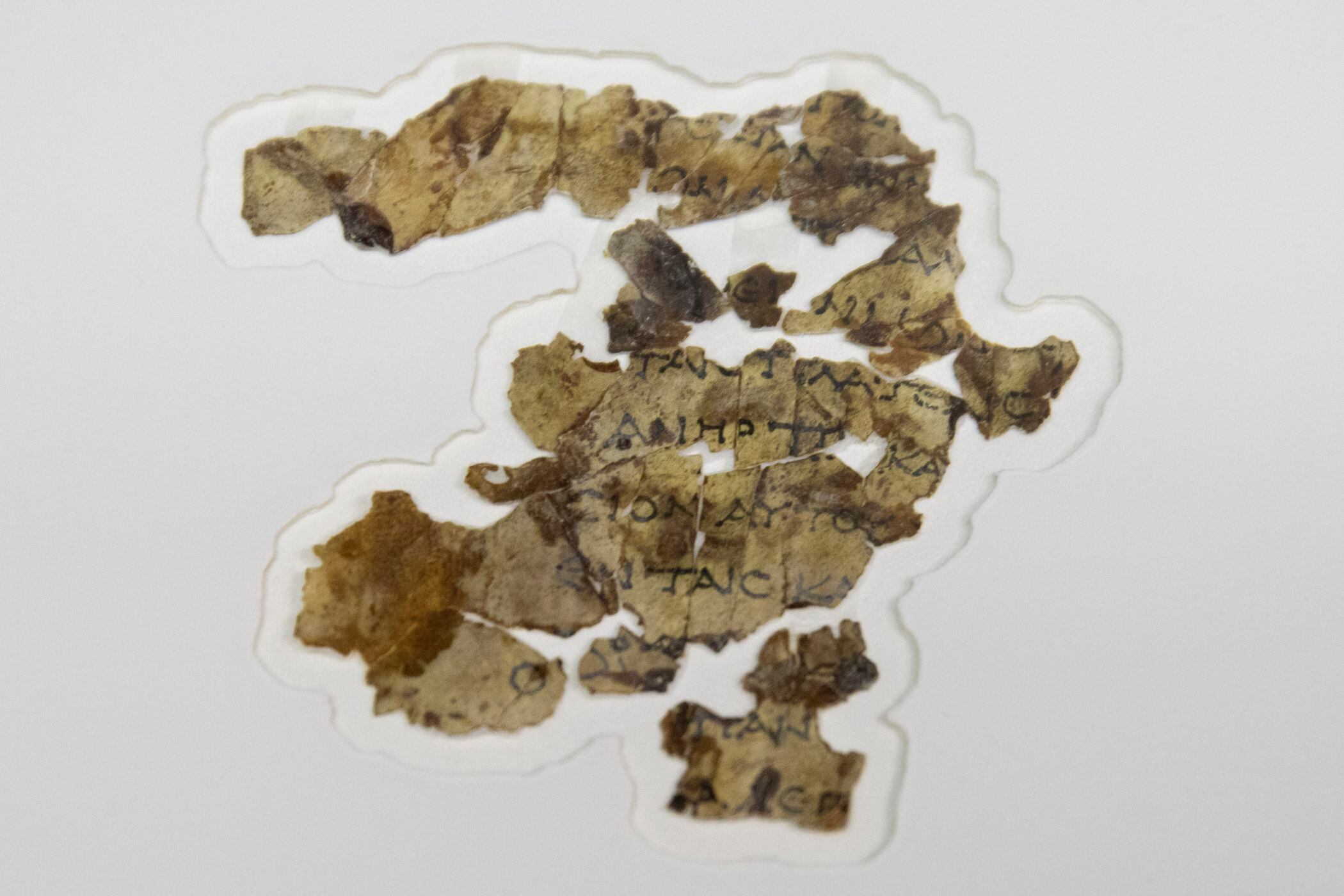
Israeli archaeologists have announced dozens of newly discovered Dead Sea Scroll fragments bearing a biblical text.
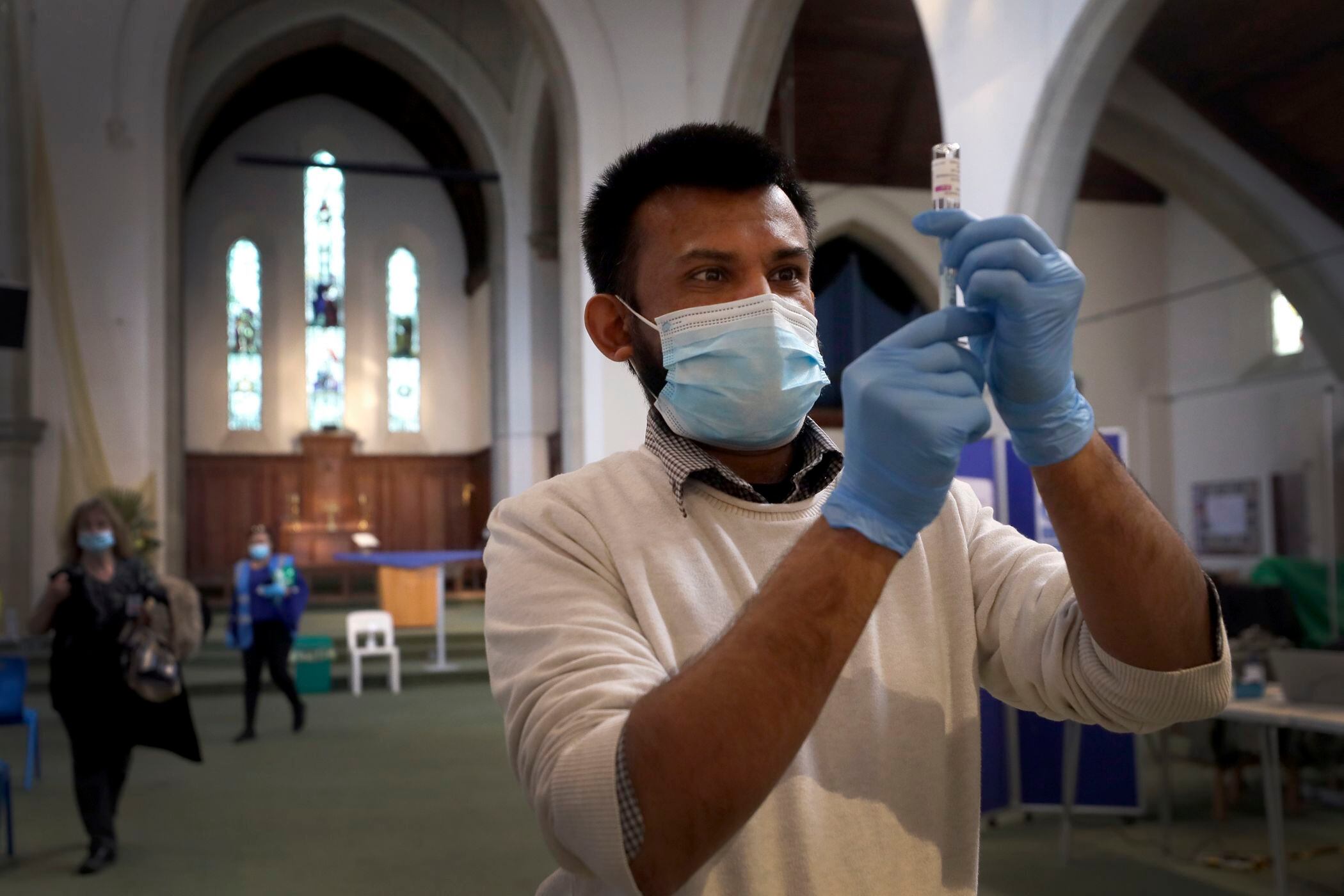
With COVID cases rising in many places, governments are facing the dilemma to push on with a vaccine that is known to save lives or suspend use of AstraZeneca over reports of dangerous blood clots in a few recipients.
From Wall Street to Silicon Valley, these are the top stories that moved markets and had investors, business leaders, and entrepreneurs talking this week on Cheddar.
Branden Chapman, the chief operating officer for The Recording Academy, spoke to Cheddar about the changes to the 63rd annual Grammy Awards as the latest show to change formats due to the pandemic.
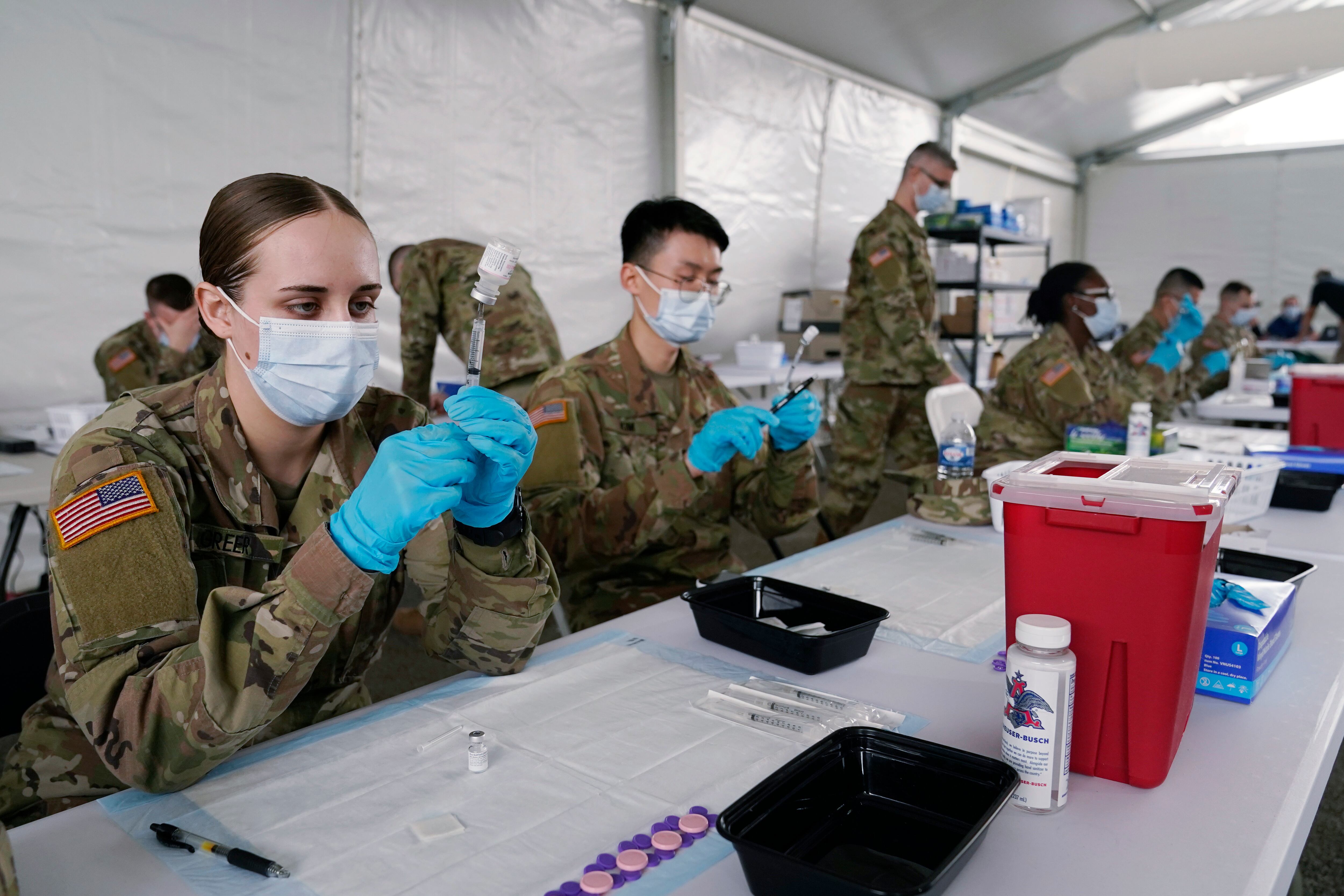
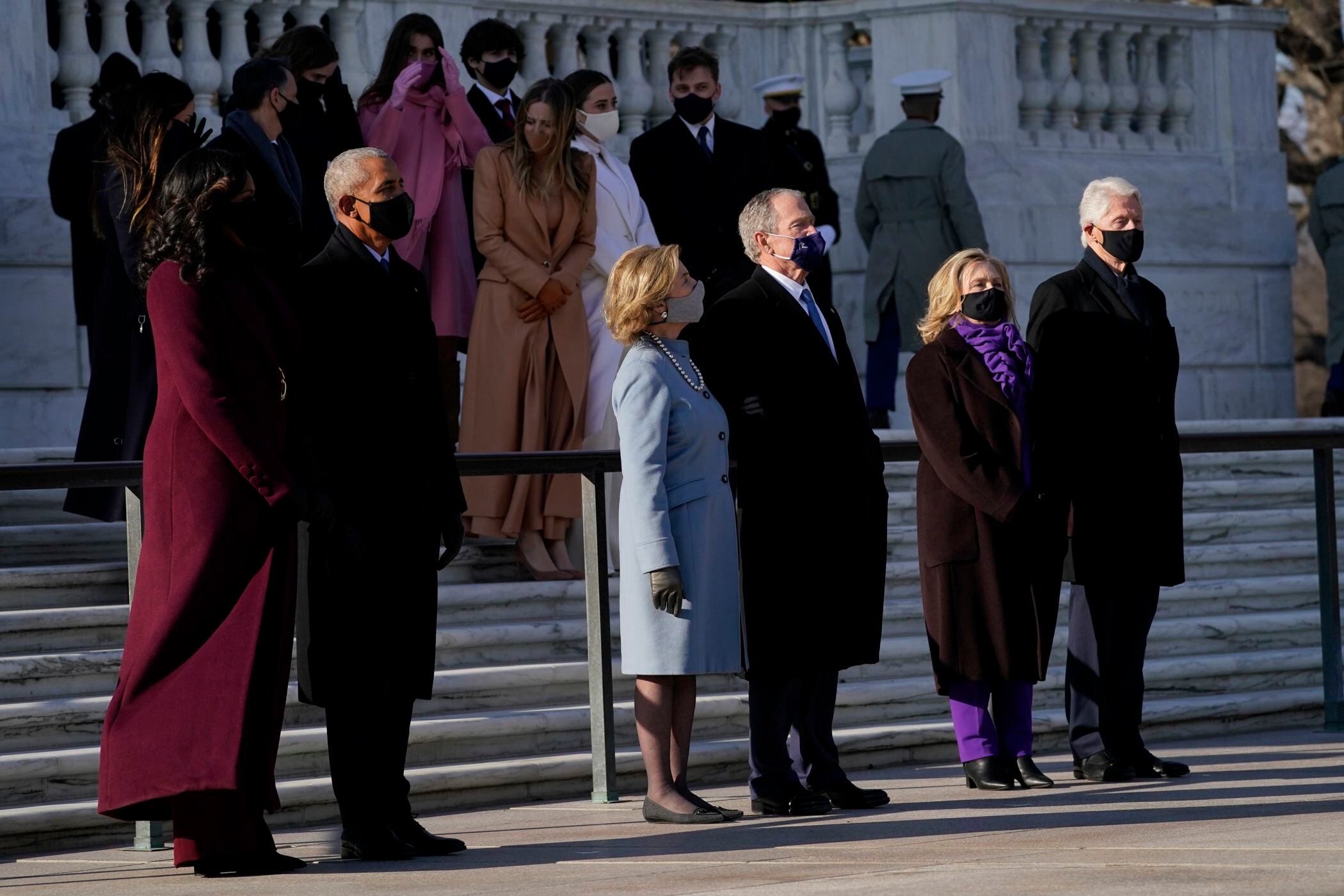
Four former presidents are urging Americans to get vaccinated as soon as COVID-19 doses are available to them, as part of a campaign to overcome hesitancy for the shots.
You can’t separate classic New York City architecture from the fire escape. They’re all over.
As Cheddar celebrates phenomenal women during March, we’re taking a second to highlight a few trailblazers who helped shape the world we live in through science and tech.
When the World Health Organization declared a pandemic one year ago on Thursday, it did so only after weeks of resisting the term and maintaining the coronavirus could still be stopped.