Ants could be the next line of defense against cancer.
A study published in the journal Proceedings of Royal Society B: Biological Sciences focused on Ants and their keen sense of smell. Ants use smell via their thin sensory appendages that sit on top of their heads to do almost everything, including hunt for food, spotting mates, and protecting their young.
In the study, scientists used pieces of a breast cancer tumor, which were grafted onto mice, and then trained 35 ants to associate urine from the infected mice with sugar. In analyzing, scientists detected that the ants would hover for longer periods of time near the sick mouse rather than the healthy one.
Using ants to detect cancers would be a cost-cutting tool. Currently, cancers are diagnosed by blood withdrawal, biopsies, and colonoscopies, which are all considered invasive as well as being expensive procedures. Utilizing ants to screen for cancer would be significantly more reasonable.
While dogs have similar capabilities in that they are able to detect cancer in humans through smell, they take much longer to train. Baptiste Piqueret, a postdoctoral fellow at the Max Planck Institute for Chemical Ecology in Germany, said ants would be the ideal animal to use because they have good memories, are easy to train and don't bite.
Though progress has been made with ants and their cancer detection capabilities, there is still more research to be done on their efficacy. The next phase of the study will be human trials to see if ants are able to sniff out cancers through human excrement.
Despite a measurable impact that the COVID-19 pandemic made on carbon emissions throughout 2020, researchers are warning that to hold back climate change, nations need to keep pushing for reductions.
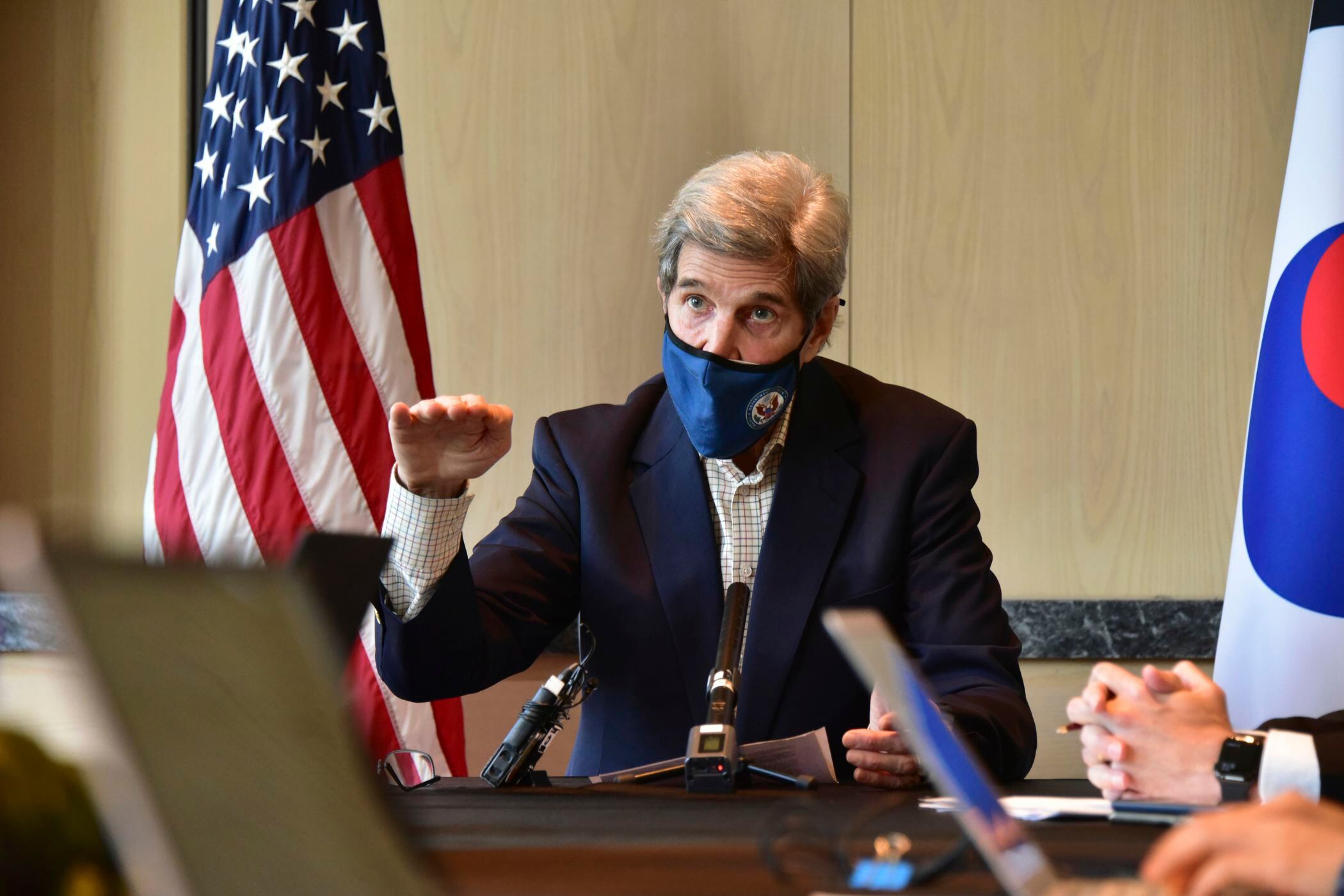
The United States and China, the world’s two biggest carbon polluters, have agreed to cooperate to curb climate change with urgency.
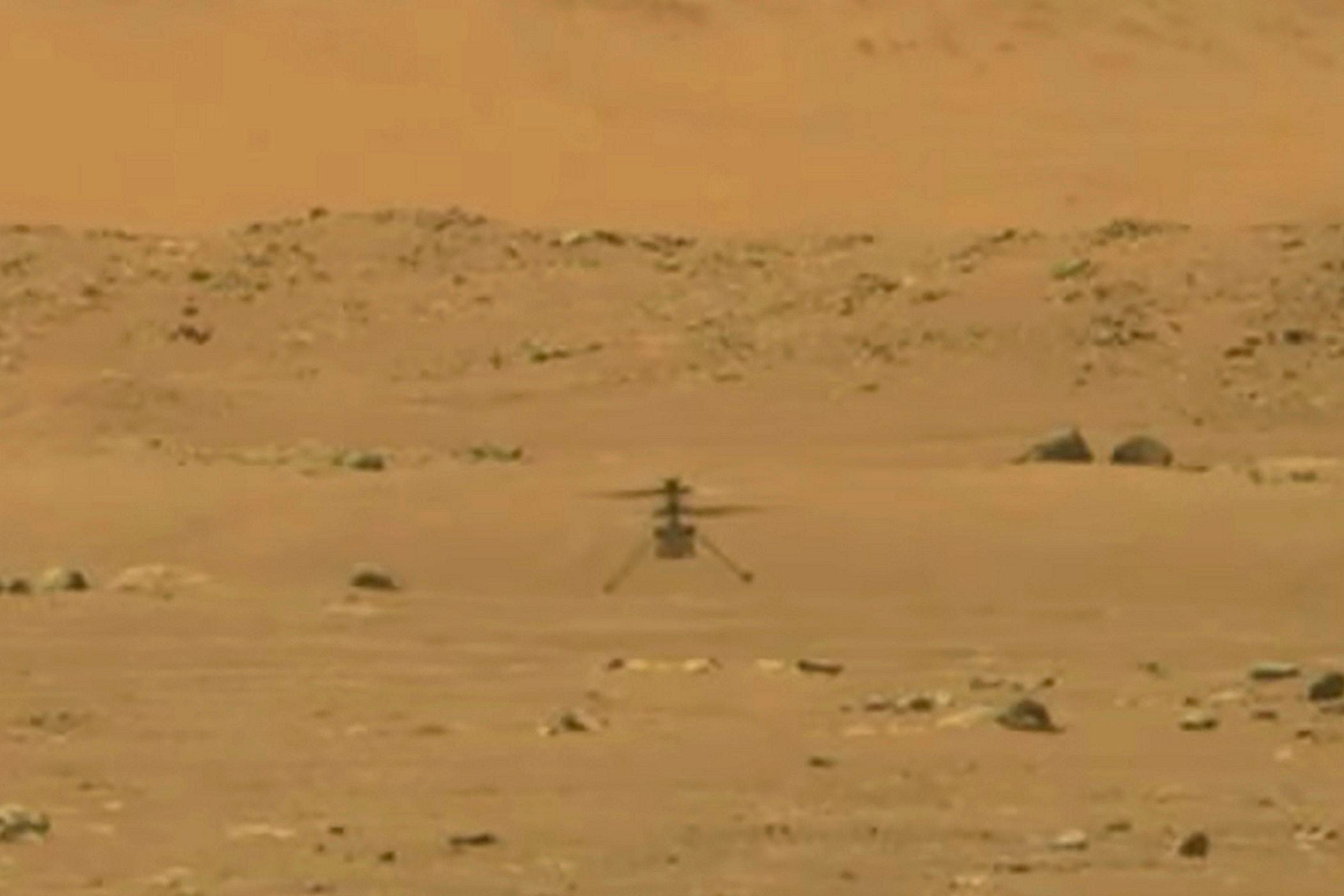
NASA's experimental Mars helicopter has taken flight. The little 4-pound helicopter named Ingenuity rose into the thin air above the dusty red surface of Mars on Monday, achieving the first powered flight by an aircraft on another planet.
From Wall Street to Silicon Valley, these are the top stories that moved markets and had investors, business leaders, and entrepreneurs talking this week on Cheddar.
Developers and architects have been searching for creative solutions to zoning regulations. What started as a creative solution is now the standard blueprint for all modern apartment construction.
Ideas about how to celebrate Earth Day, even as we continue to fight the COVID-19 pandemic.
Cheddar takes a closer look at the controversy surrounding COVID-19 "vaccine passports."
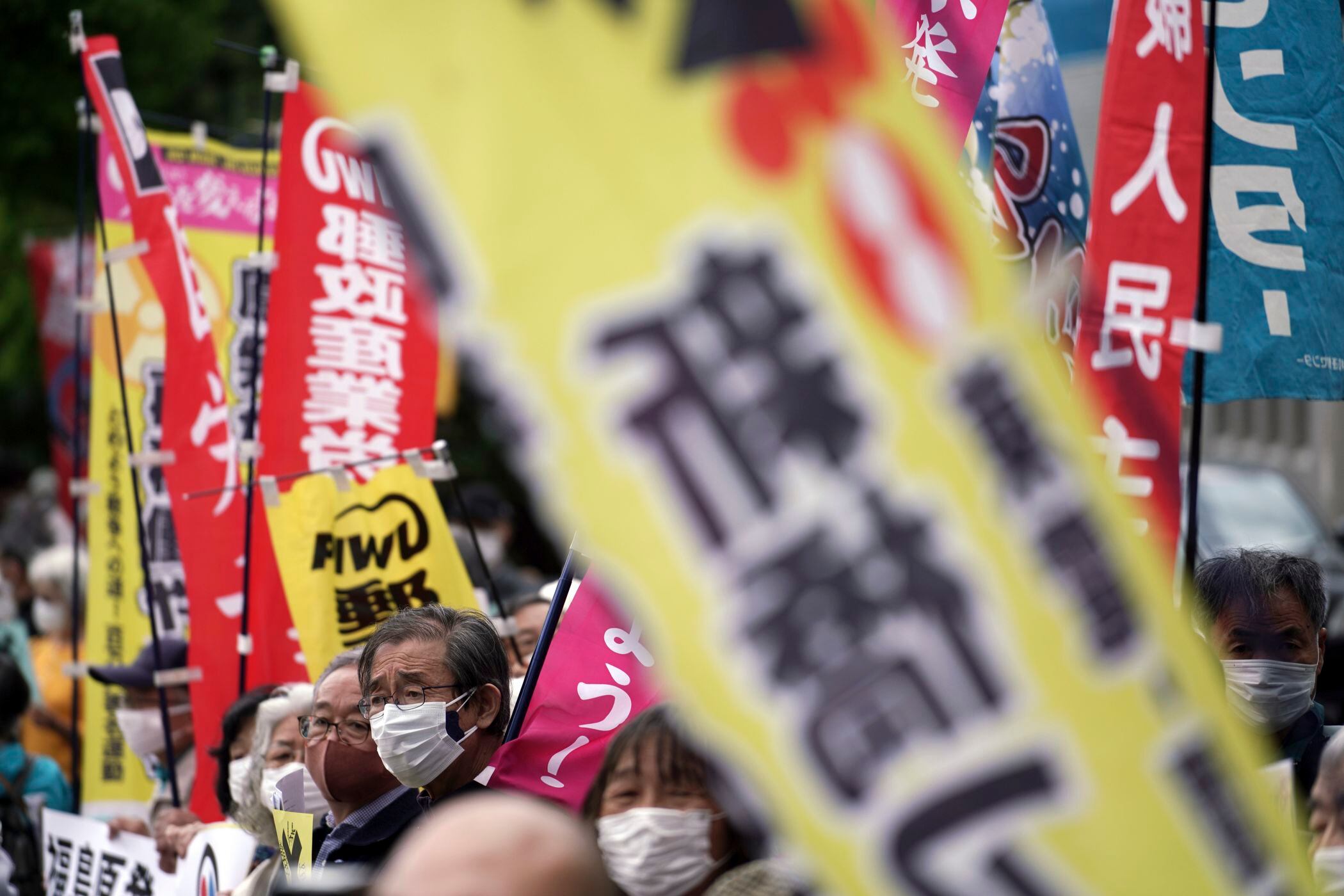
Japan’s government has decided to start releasing treated radioactive water from the wrecked Fukushima nuclear plant into the Pacific Ocean in two years.
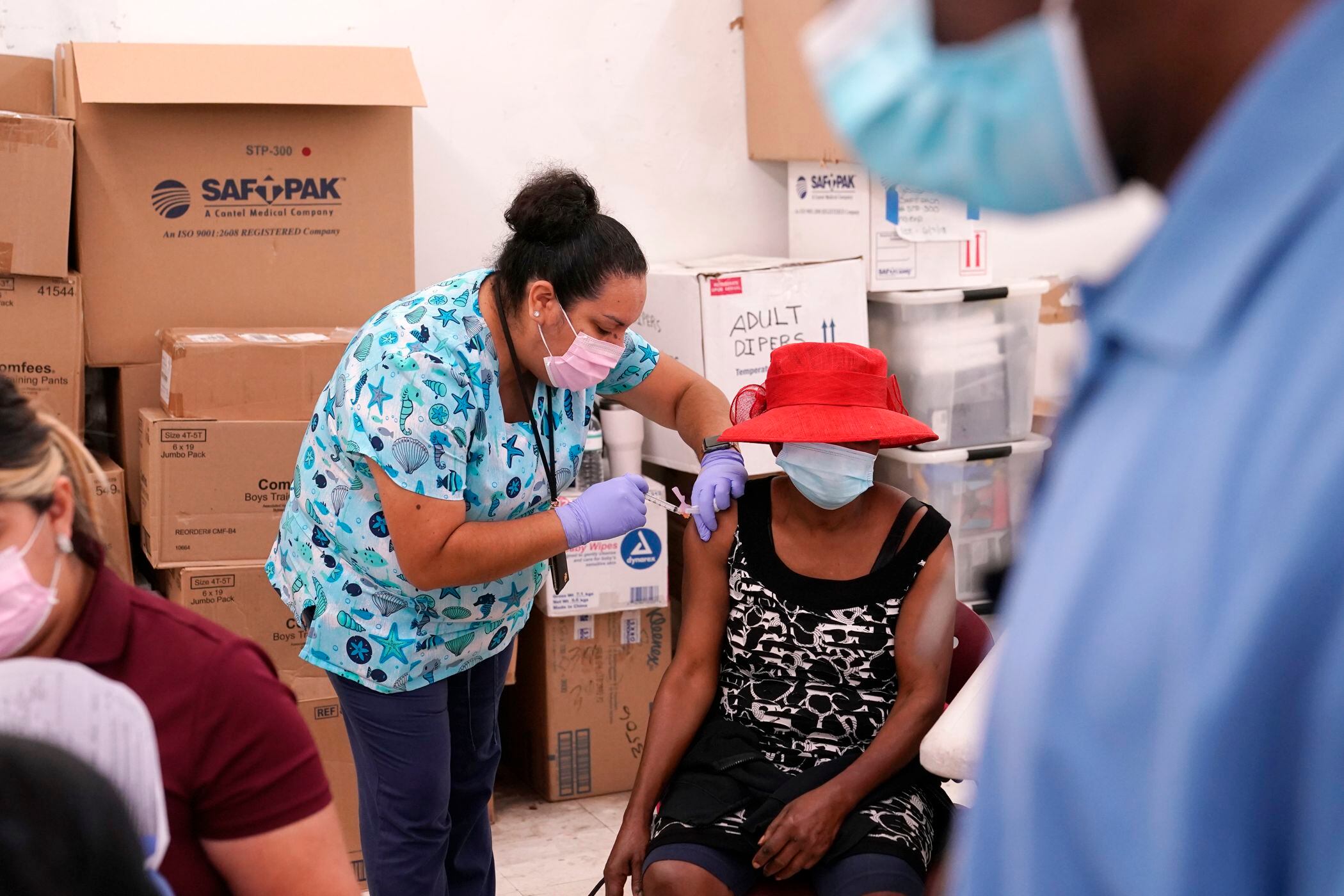
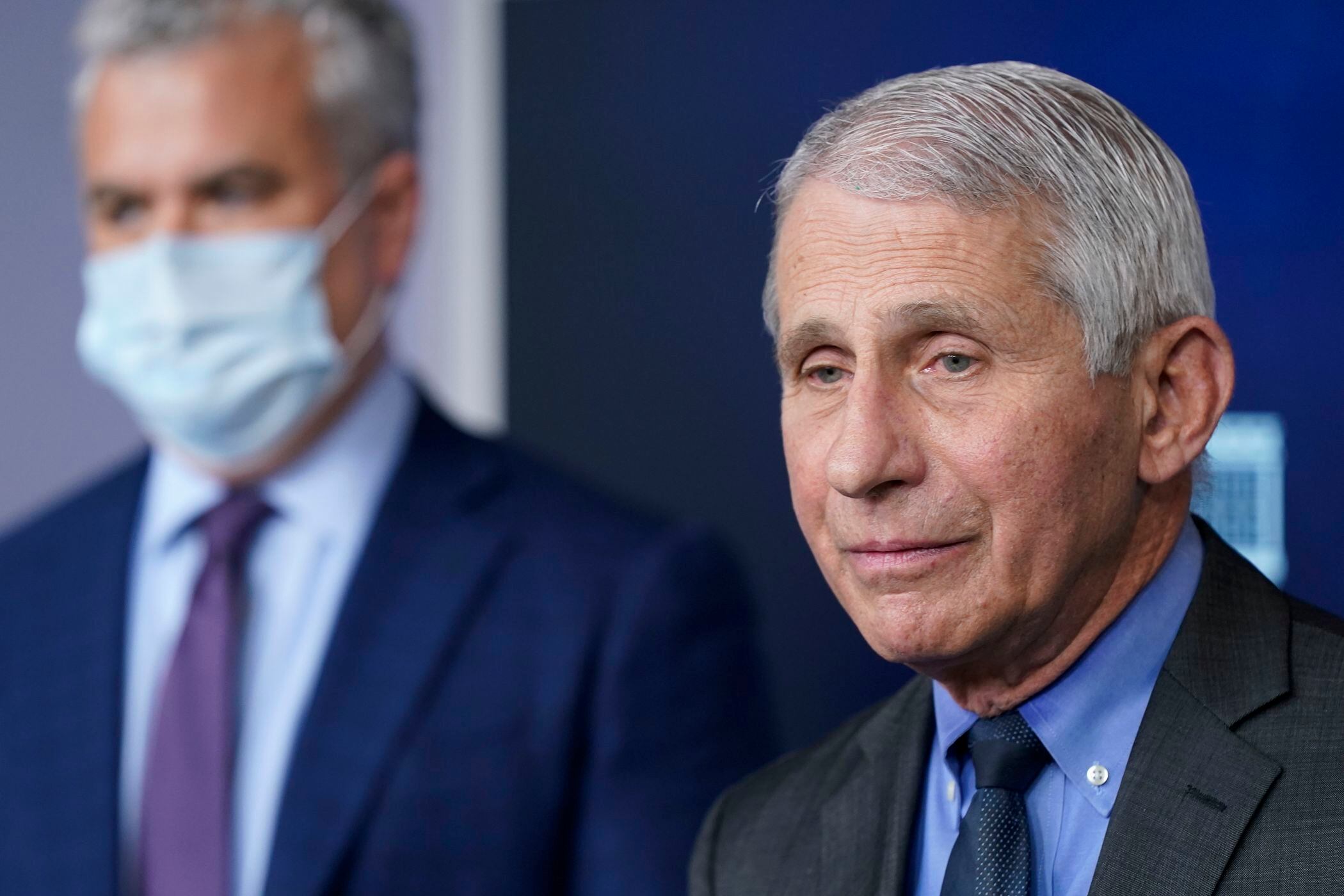
The U.S. is recommending a “pause” in administration of the single-dose Johnson & Johnson COVID-19 vaccine to investigate reports of potentially dangerous blood clots.
La Soufriere volcano has fired an enormous amount of ash and hot gas in the biggest explosive eruption yet since volcanic activity began on the eastern Caribbean island of St. Vincent late last week.