Ants could be the next line of defense against cancer.
A study published in the journal Proceedings of Royal Society B: Biological Sciences focused on Ants and their keen sense of smell. Ants use smell via their thin sensory appendages that sit on top of their heads to do almost everything, including hunt for food, spotting mates, and protecting their young.
In the study, scientists used pieces of a breast cancer tumor, which were grafted onto mice, and then trained 35 ants to associate urine from the infected mice with sugar. In analyzing, scientists detected that the ants would hover for longer periods of time near the sick mouse rather than the healthy one.
Using ants to detect cancers would be a cost-cutting tool. Currently, cancers are diagnosed by blood withdrawal, biopsies, and colonoscopies, which are all considered invasive as well as being expensive procedures. Utilizing ants to screen for cancer would be significantly more reasonable.
While dogs have similar capabilities in that they are able to detect cancer in humans through smell, they take much longer to train. Baptiste Piqueret, a postdoctoral fellow at the Max Planck Institute for Chemical Ecology in Germany, said ants would be the ideal animal to use because they have good memories, are easy to train and don't bite.
Though progress has been made with ants and their cancer detection capabilities, there is still more research to be done on their efficacy. The next phase of the study will be human trials to see if ants are able to sniff out cancers through human excrement.
An overnight stampede in Israel kills dozens, a look at the COVID disaster in Latin America, the economic repositioning in America, a new shortage to report and did people really answer the phone without Caller ID?
A new study of the world's 220,000 mountain glaciers finds that they are melting faster now than in the early 2000s.
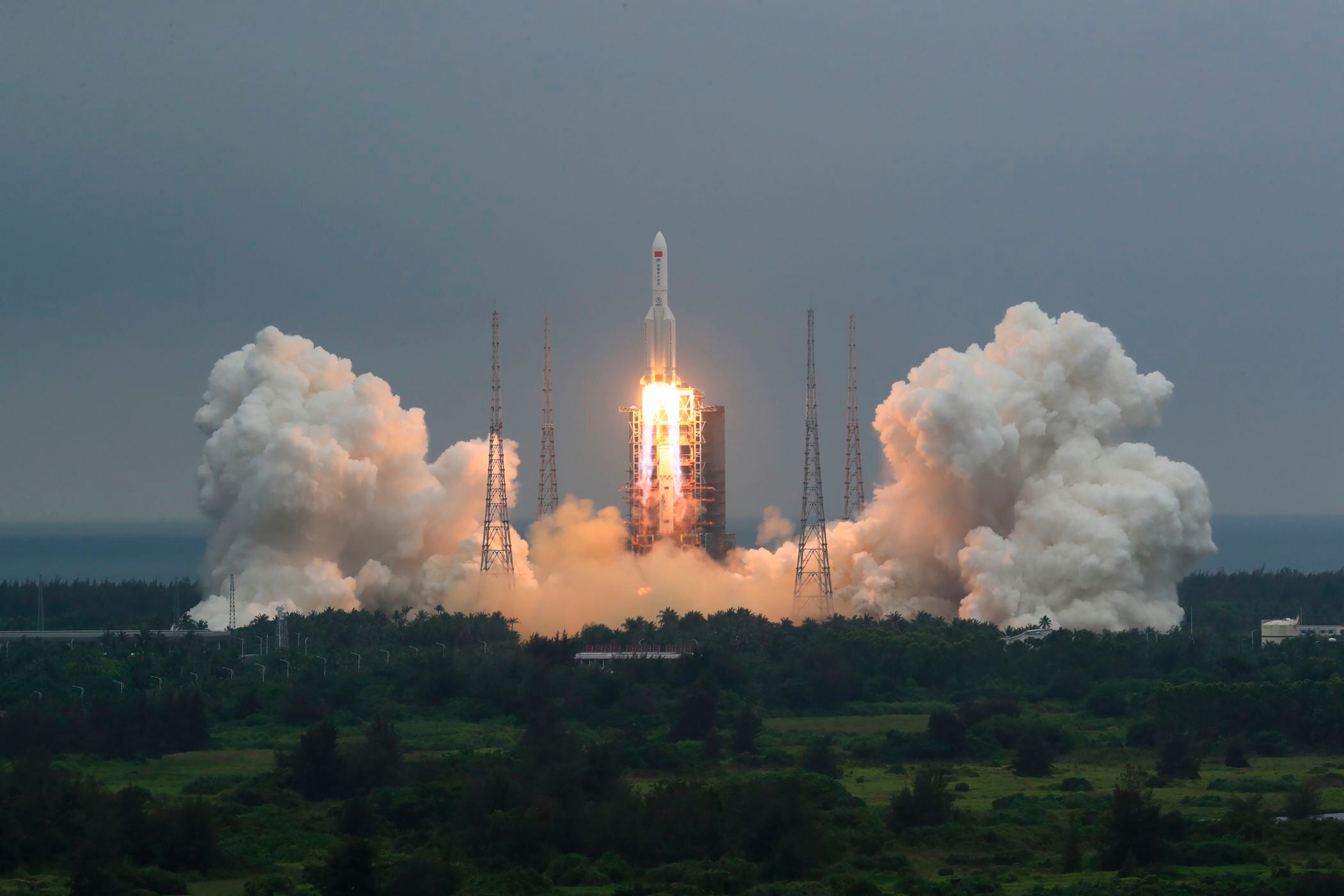
China has launched the main module of its first permanent space station that will host astronauts long term.
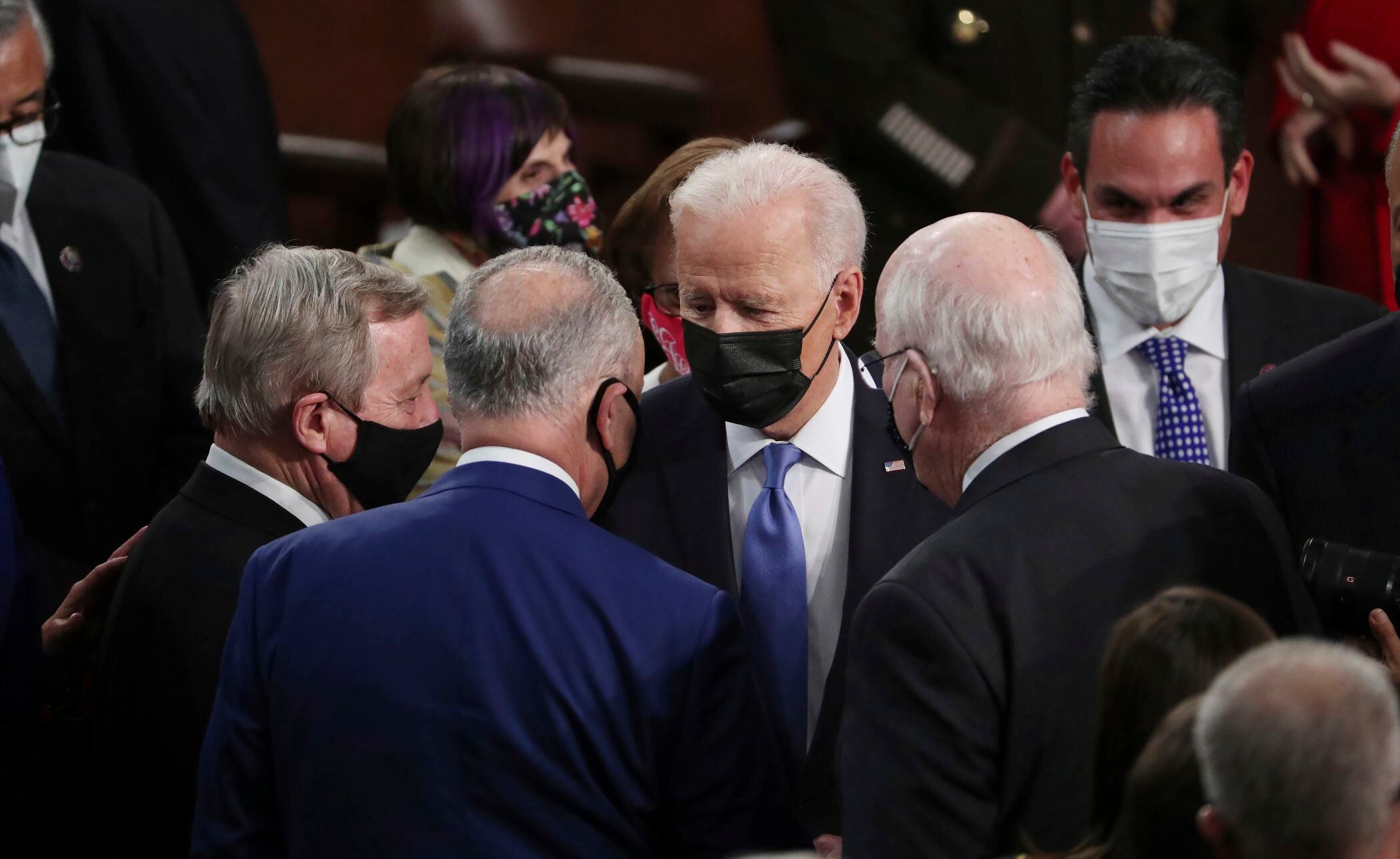
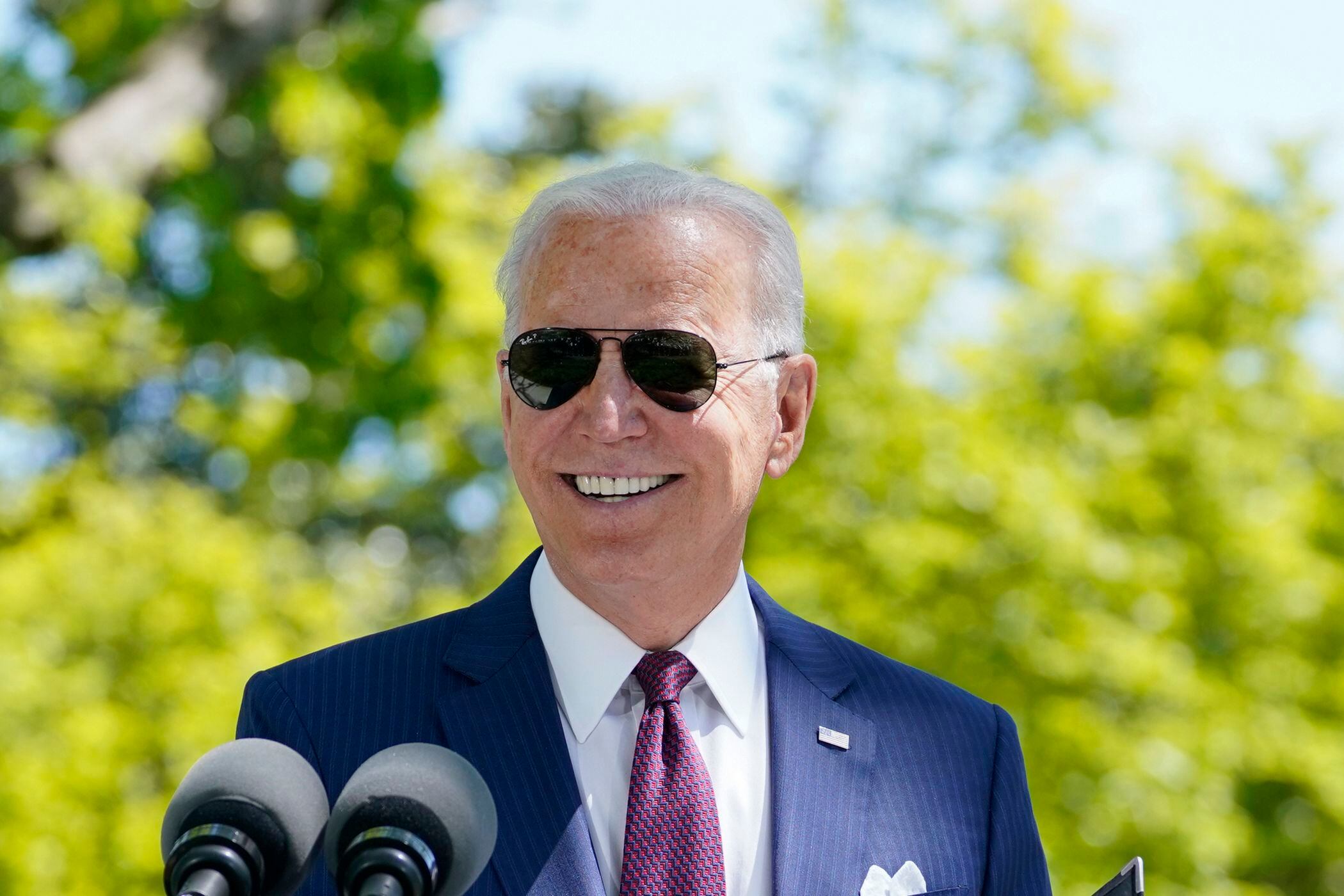
The headlines from President Biden's first speech to Congress, plus why he's got reason to be sounding optimistic about the state of the pandemic. And would you let a Walmart worker stock your fridge?
Jill and Carlo discuss the CDC's updated mask guidance, a deeper dive into the catastrophe in India, what POTUS will pitch to Congress, and the biggest public health breakthrough of the decade that you haven't heard about.
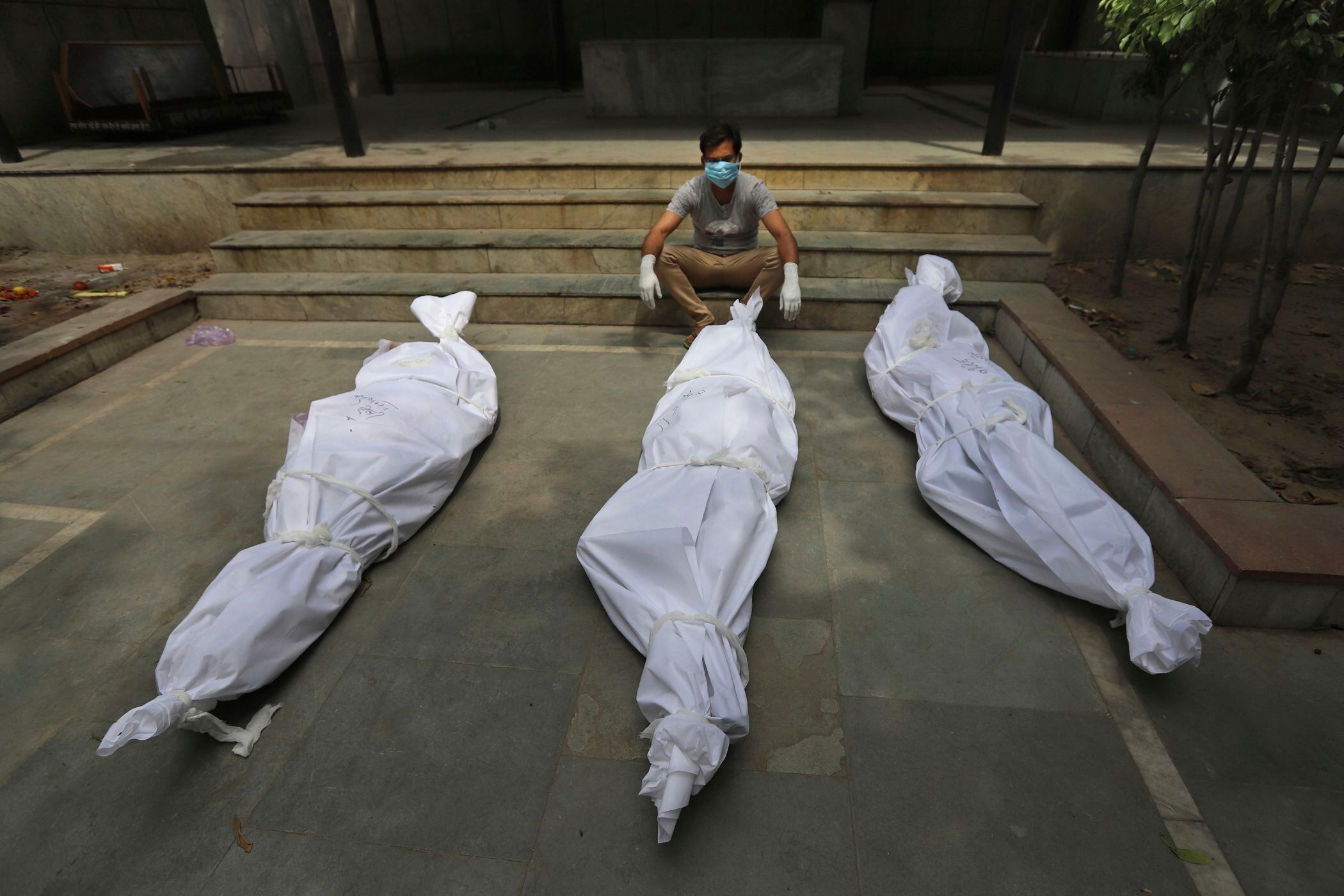
India’s official death toll has passed 200,000, but the true number is likely far higher.
MindMed CEO J.R. Rahn spoke to Cheddar about the psychedelic mental health therapy company taking the big step forward going public on the Nasdaq exchange.
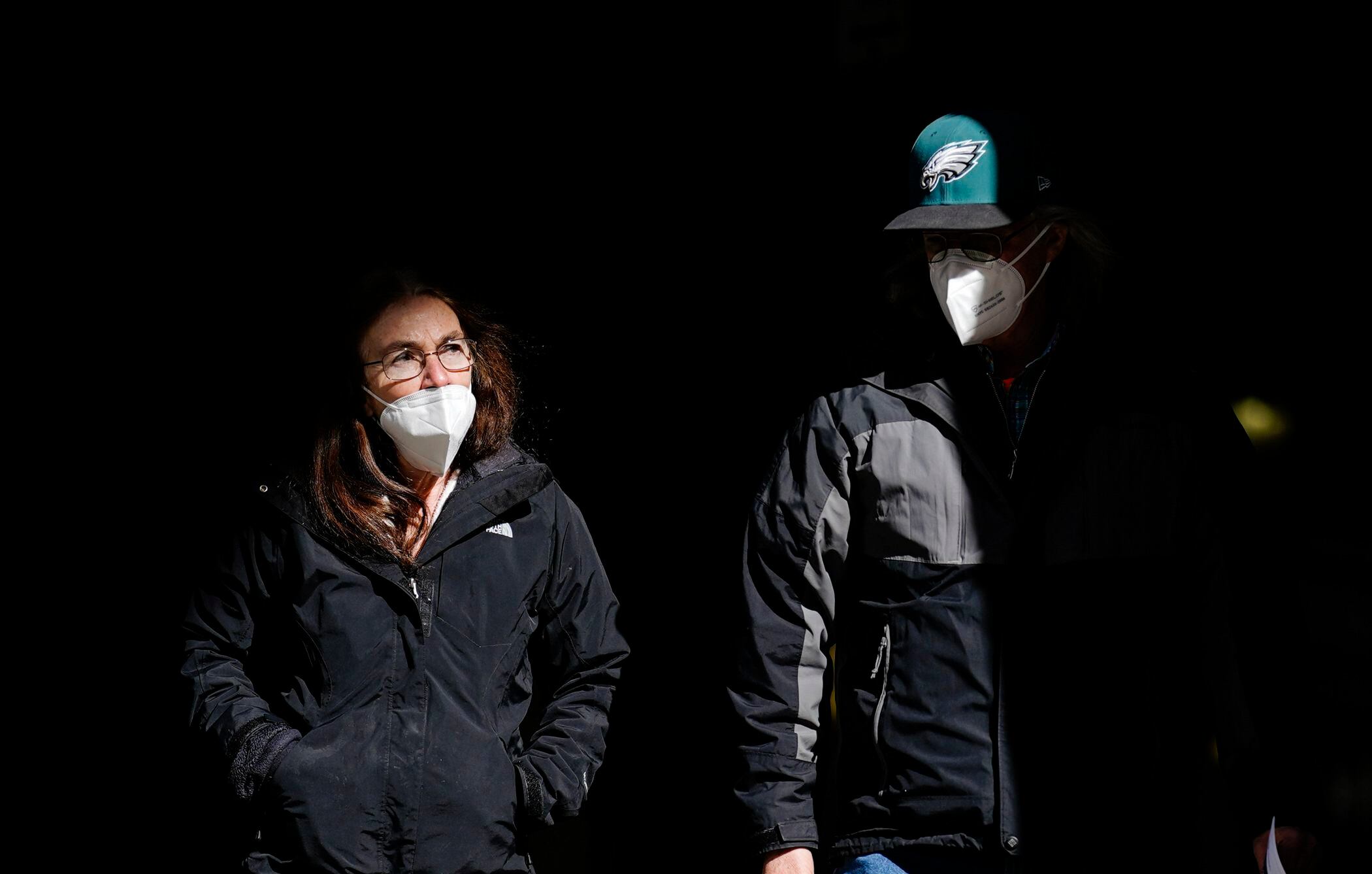
U.S. health officials say fully vaccinated Americans don't need to wear masks outdoors anymore unless they are in a big crowd of strangers.
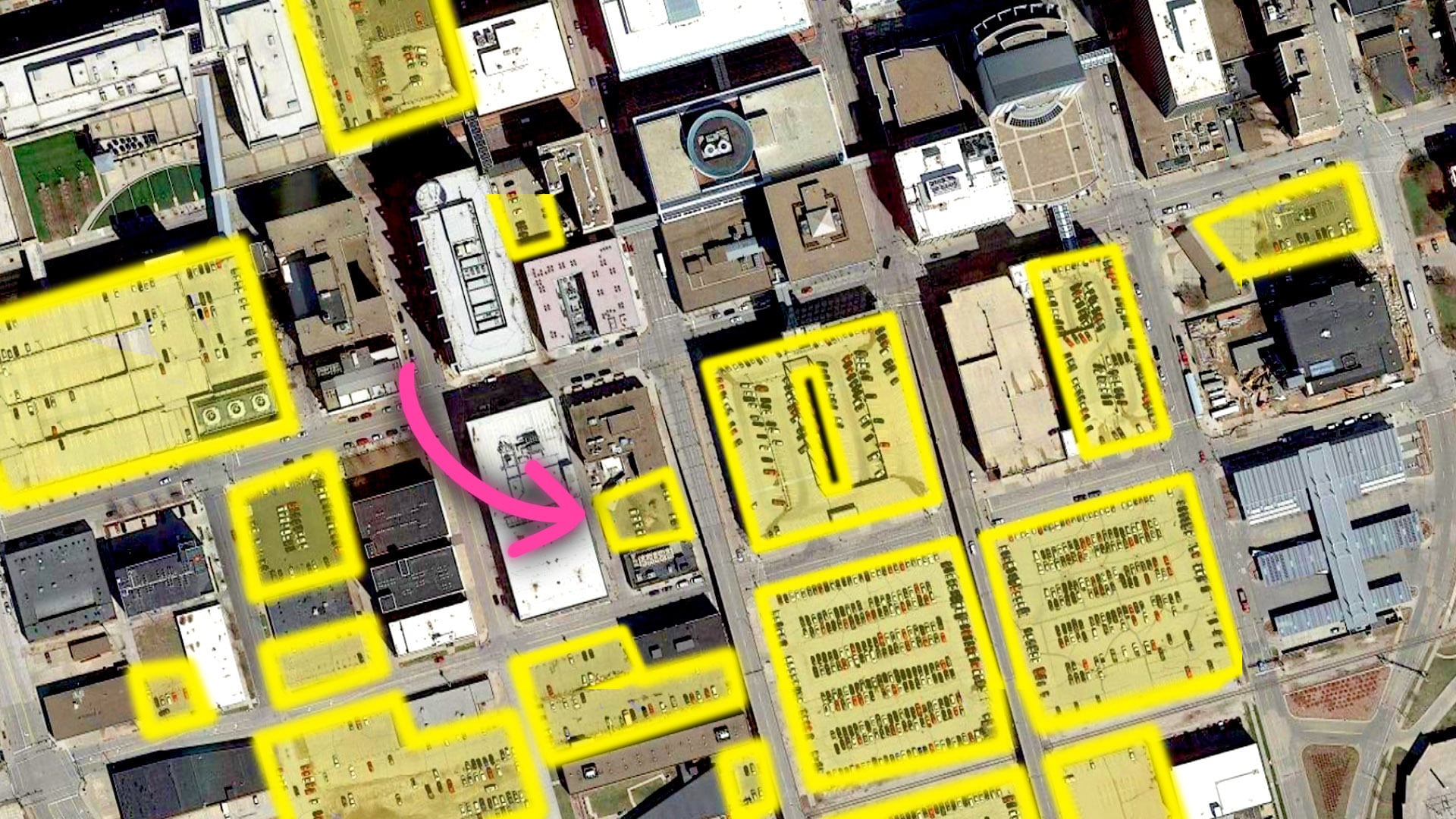
Car culture in the U.S. spurred a parking boom since the early 1900s. As a result, cities are chock full of parking lots and garages. Cheddar explains why this happened and the often unseen damage it's doing to our urban centers.
Jill and Carlo talk about optimism on the pandemic and economy, a big demographic shift that will have implications for the midterms, Apple rolling out its new privacy tool, and the Oscars ratings.