Ants could be the next line of defense against cancer.
A study published in the journal Proceedings of Royal Society B: Biological Sciences focused on Ants and their keen sense of smell. Ants use smell via their thin sensory appendages that sit on top of their heads to do almost everything, including hunt for food, spotting mates, and protecting their young.
In the study, scientists used pieces of a breast cancer tumor, which were grafted onto mice, and then trained 35 ants to associate urine from the infected mice with sugar. In analyzing, scientists detected that the ants would hover for longer periods of time near the sick mouse rather than the healthy one.
Using ants to detect cancers would be a cost-cutting tool. Currently, cancers are diagnosed by blood withdrawal, biopsies, and colonoscopies, which are all considered invasive as well as being expensive procedures. Utilizing ants to screen for cancer would be significantly more reasonable.
While dogs have similar capabilities in that they are able to detect cancer in humans through smell, they take much longer to train. Baptiste Piqueret, a postdoctoral fellow at the Max Planck Institute for Chemical Ecology in Germany, said ants would be the ideal animal to use because they have good memories, are easy to train and don't bite.
Though progress has been made with ants and their cancer detection capabilities, there is still more research to be done on their efficacy. The next phase of the study will be human trials to see if ants are able to sniff out cancers through human excrement.
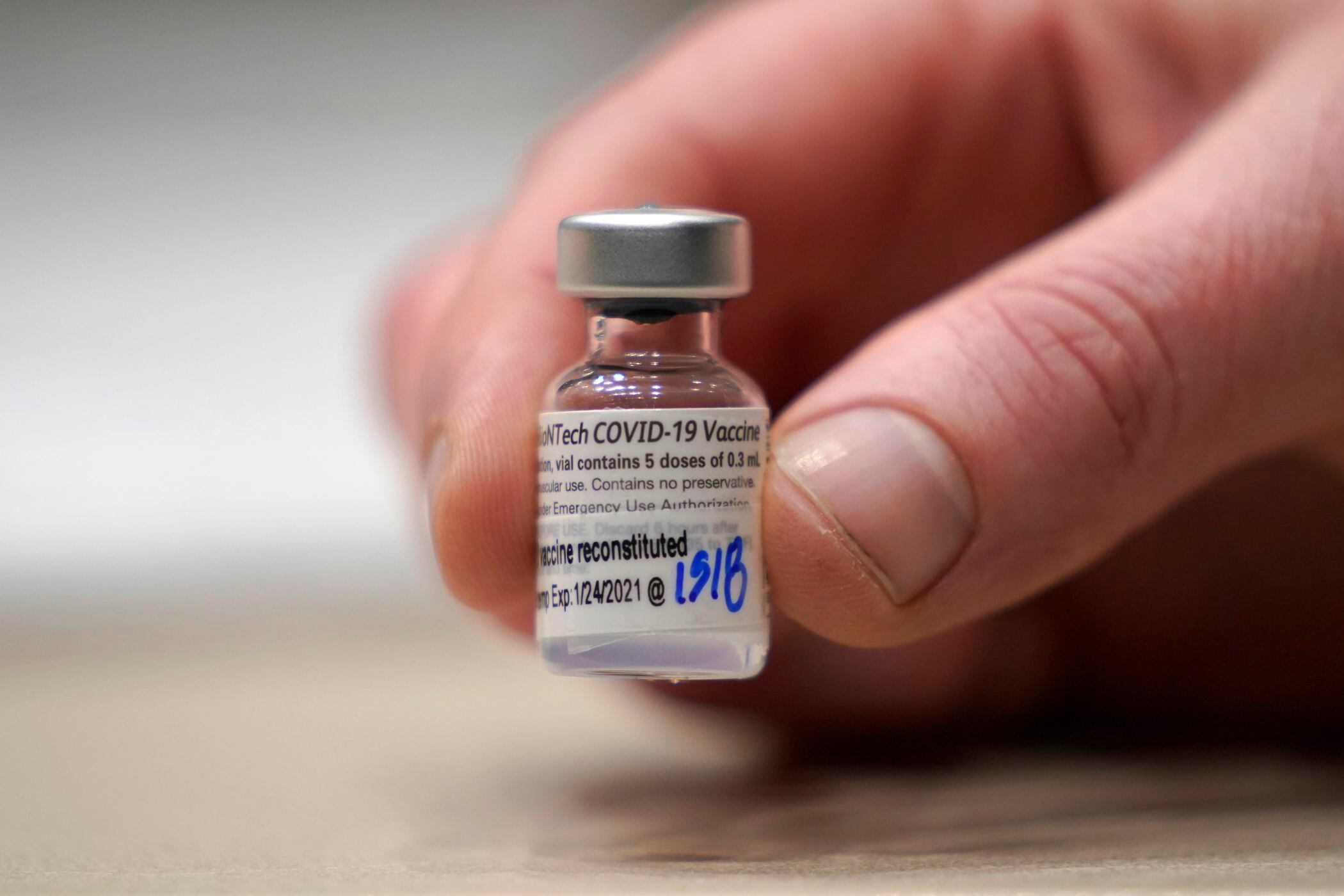
The Food and Drug Administration said Monday the shot is safe and offers strong protection for younger teens based on testing of more than 2,000 U.S. volunteers.
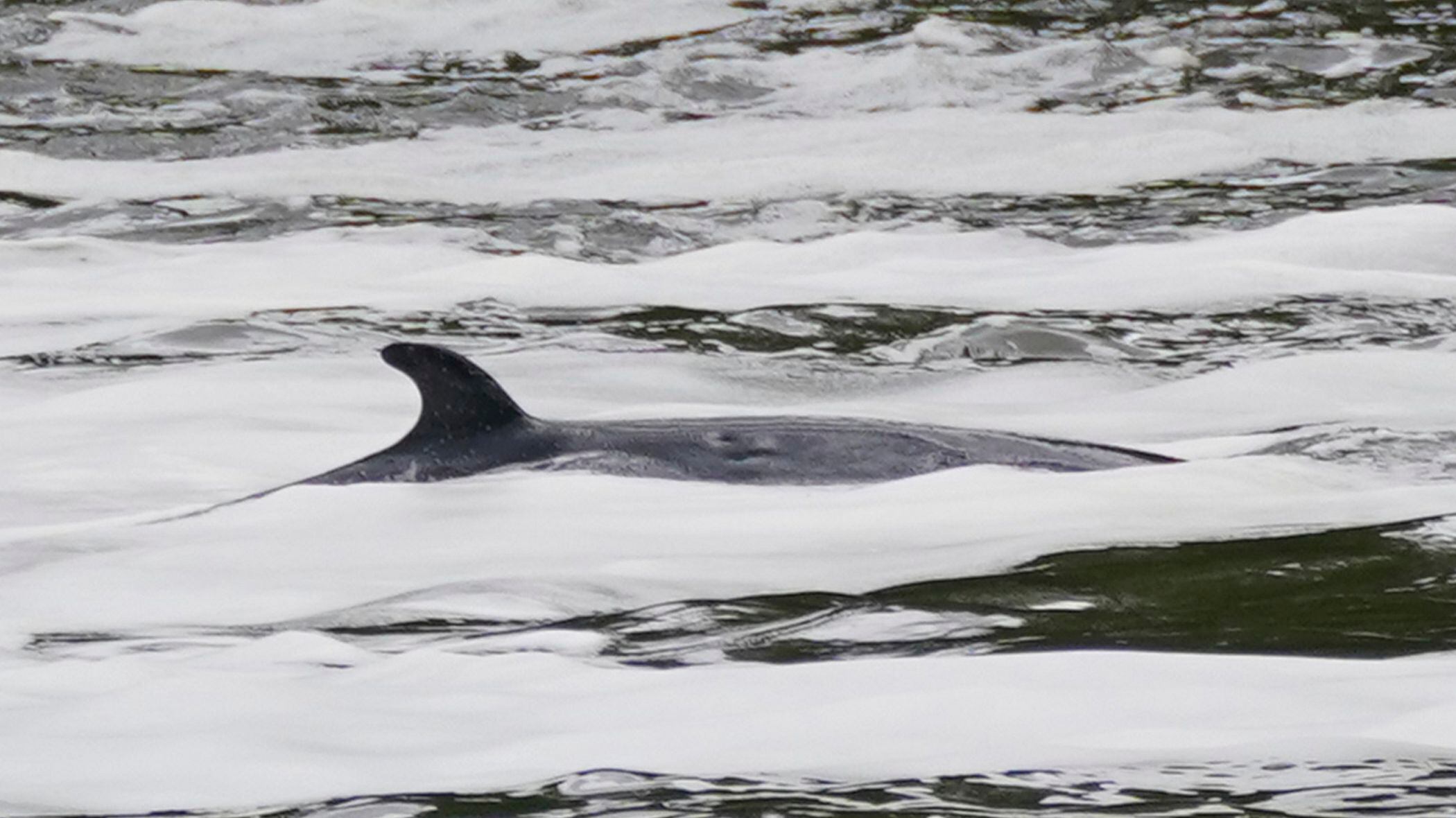
British authorities are seeking to recapture a young minke whale lost far from home in the Thames River after it escaped from rescuers overnight.
From Wall Street to Silicon Valley, these are the top stories that moved markets and had investors, business leaders, and entrepreneurs talking this week on Cheddar.
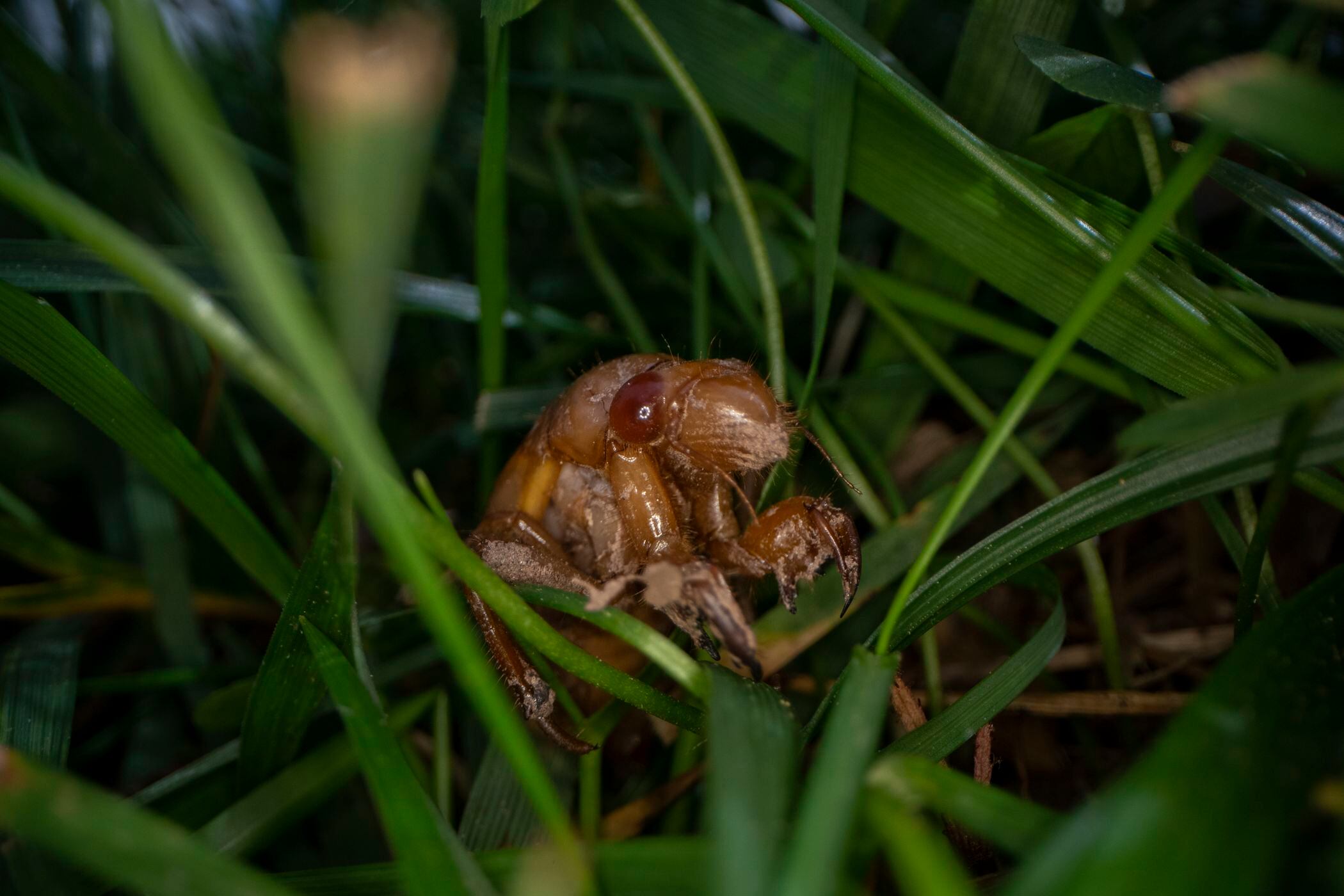
Trillions of cicadas are about to emerge from 15 U.S. states. Scientists say Brood X (as in 10, not the letter) is one of the biggest for these bugs that come out only once every 17 years.
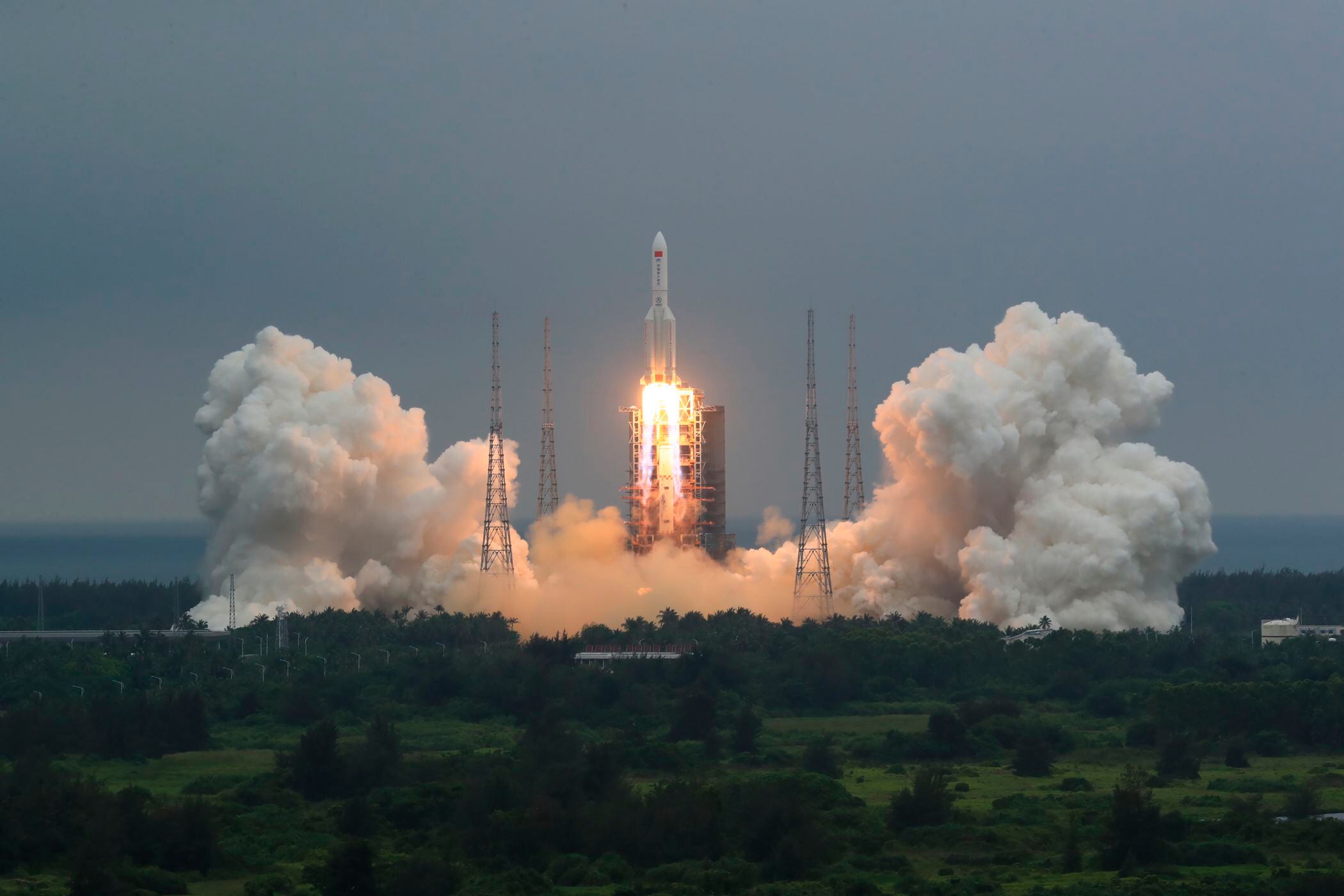
The largest section of the rocket that launched the main module of China’s first permanent space station into orbit is expected to plunge back to Earth as early as Saturday at an unknown location.
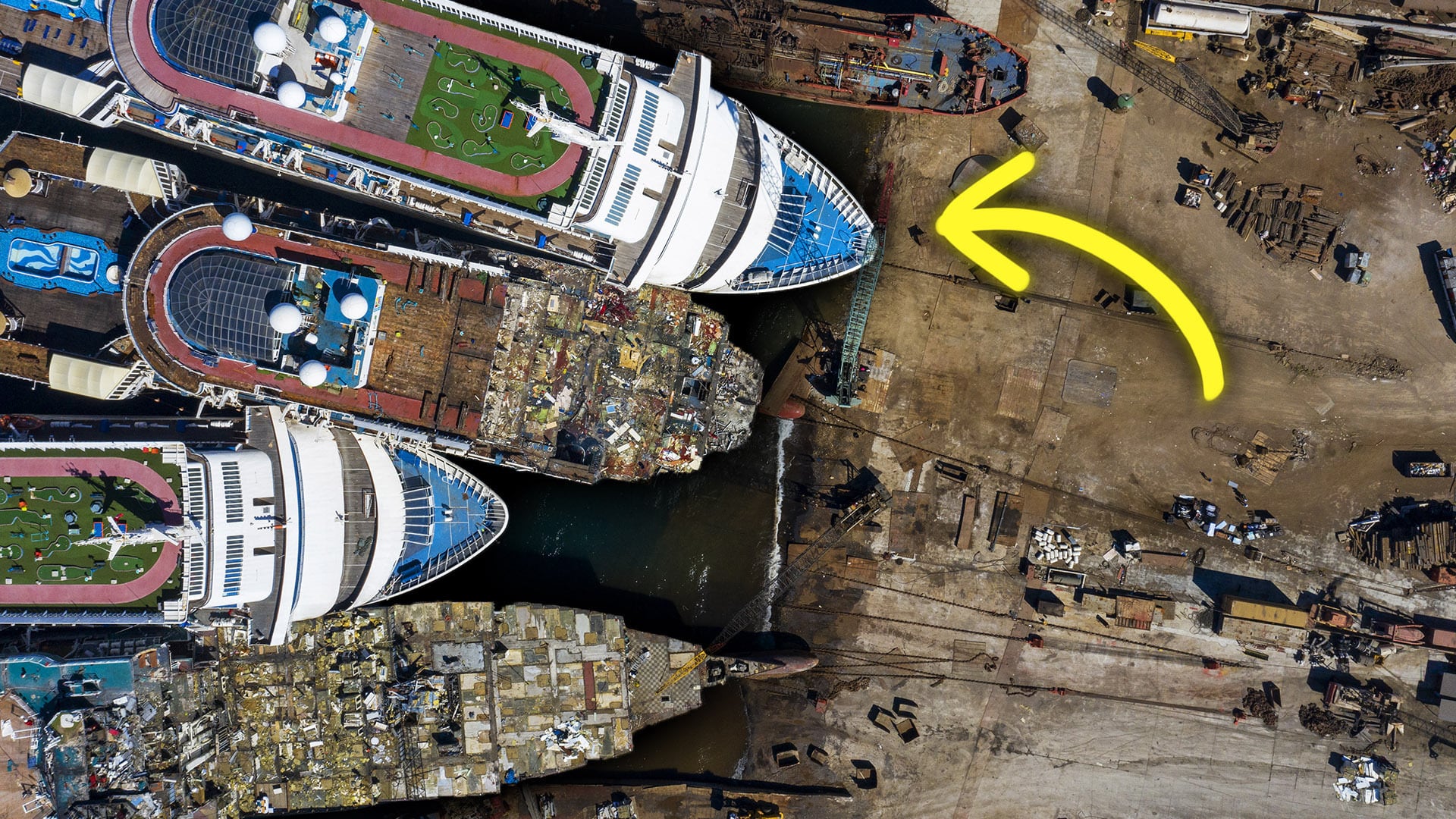
Turkey’s shipbreaking yard is located in the town of Aliaga - about 30 miles north of Port Izmir. Usually, this yard breaks down cargo and container ships. But in 2020, it started bringing in another type of vessel. And business is booming.
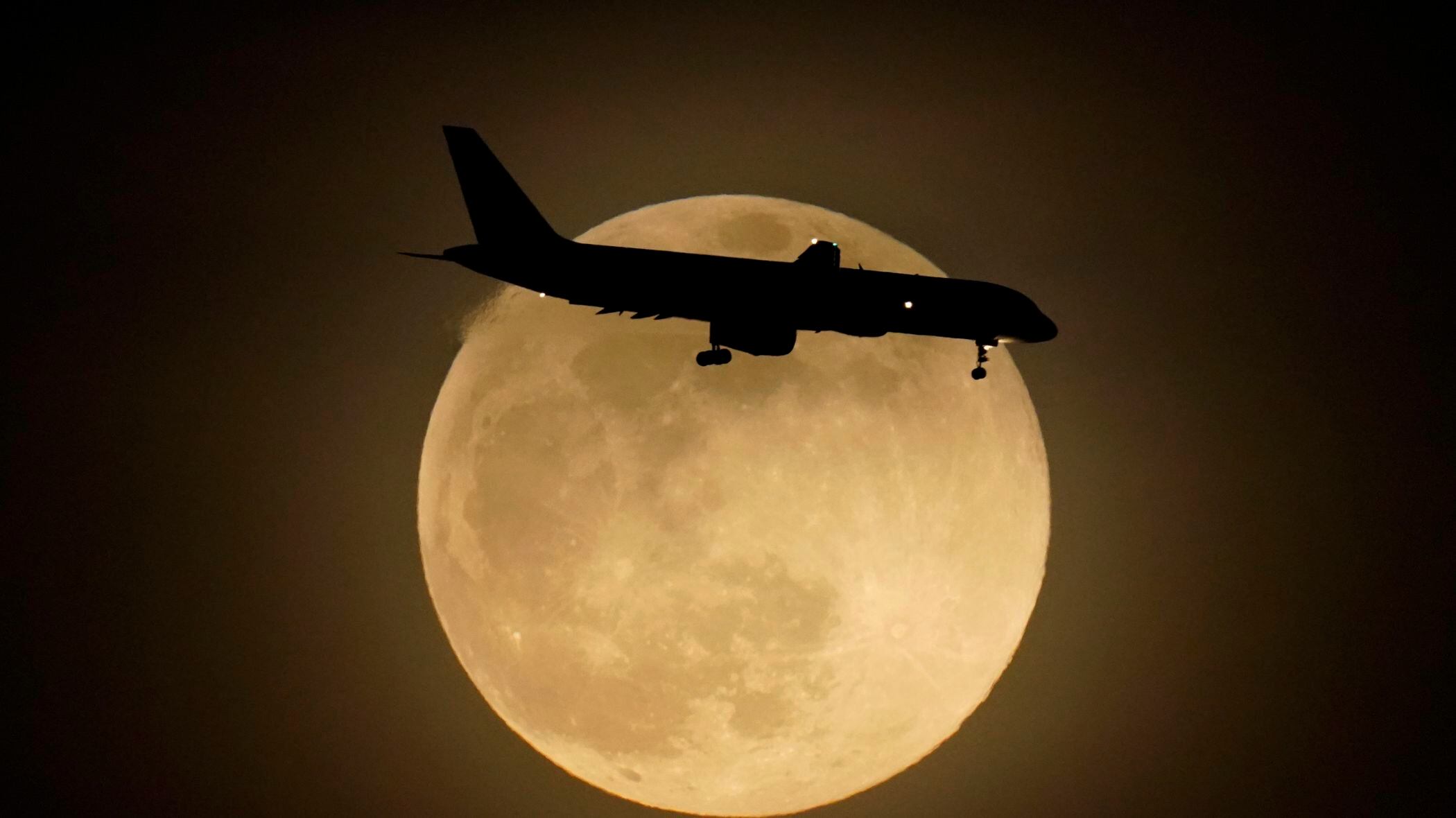
Air travel continues to recover from the pandemic, although it's still not close to normal.
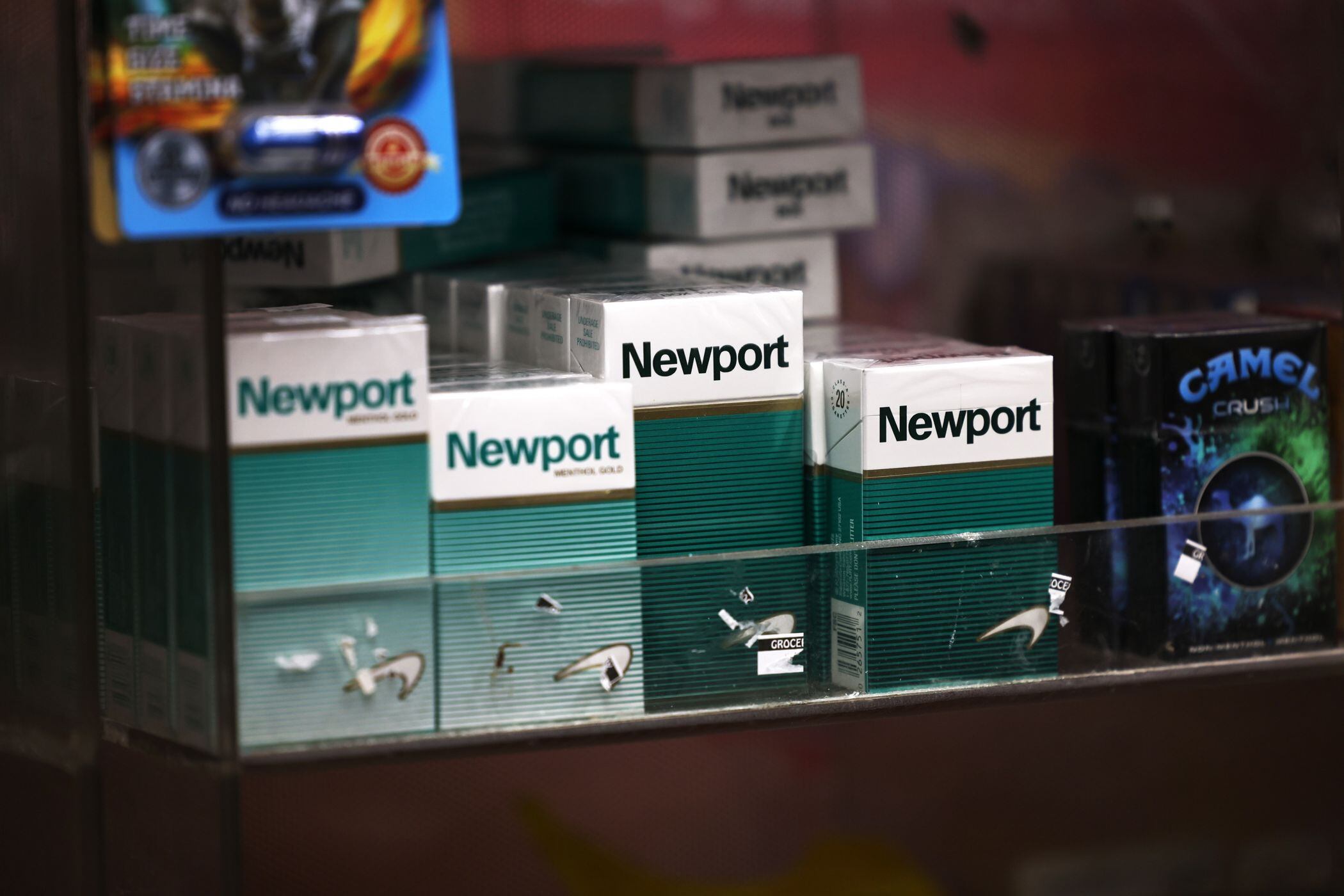
Lincoln Mondy, advocate and filmmaker behind the short film "Black Lives/Black Lungs," talked to Cheddar about the FDA's announcement it will move to ban menthol-flavored cigarettes.
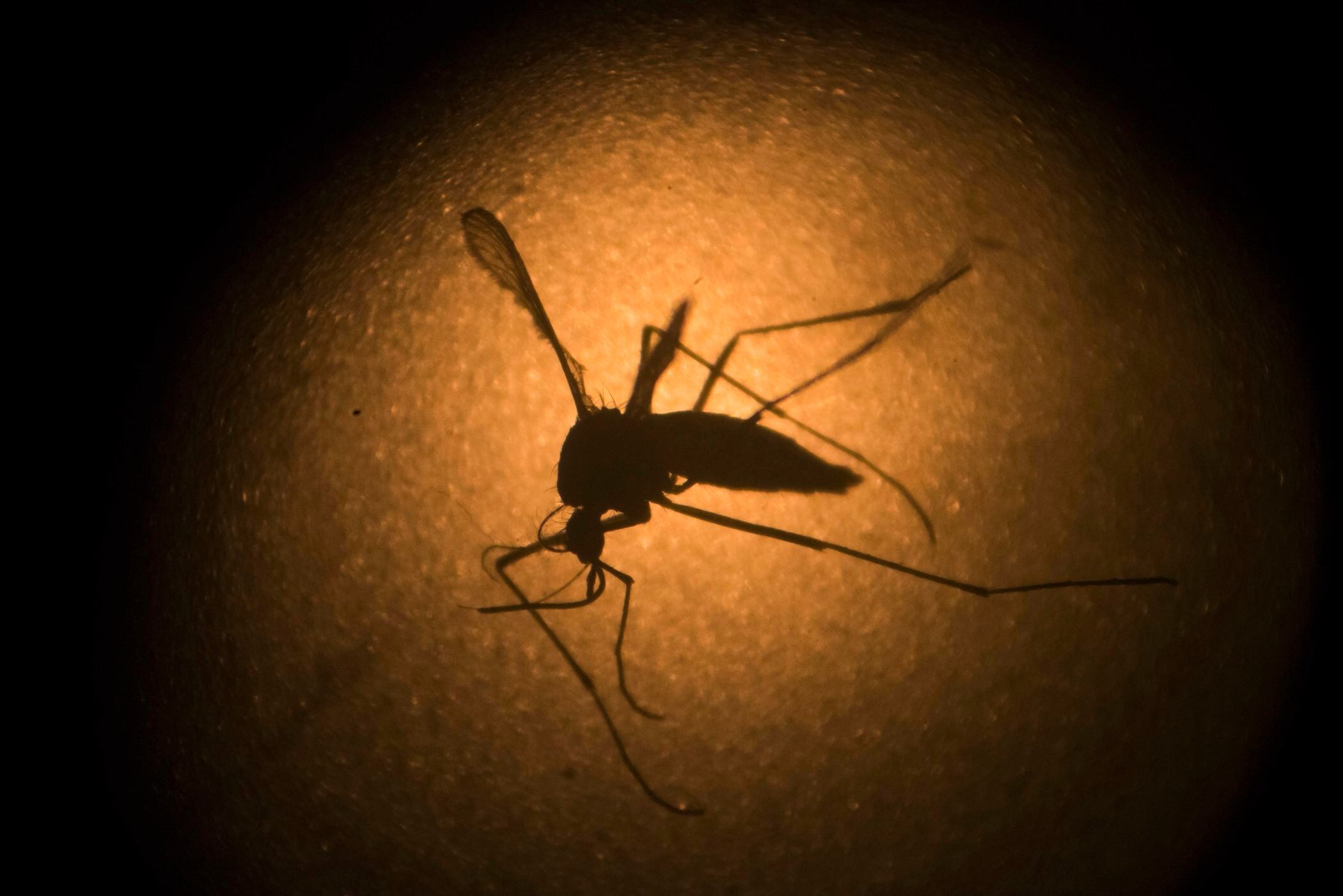
Genetically modified mosquitoes are being released in the Florida Keys in an effort to combat persistent insect-borne diseases such as Dengue fever and the Zika virus.
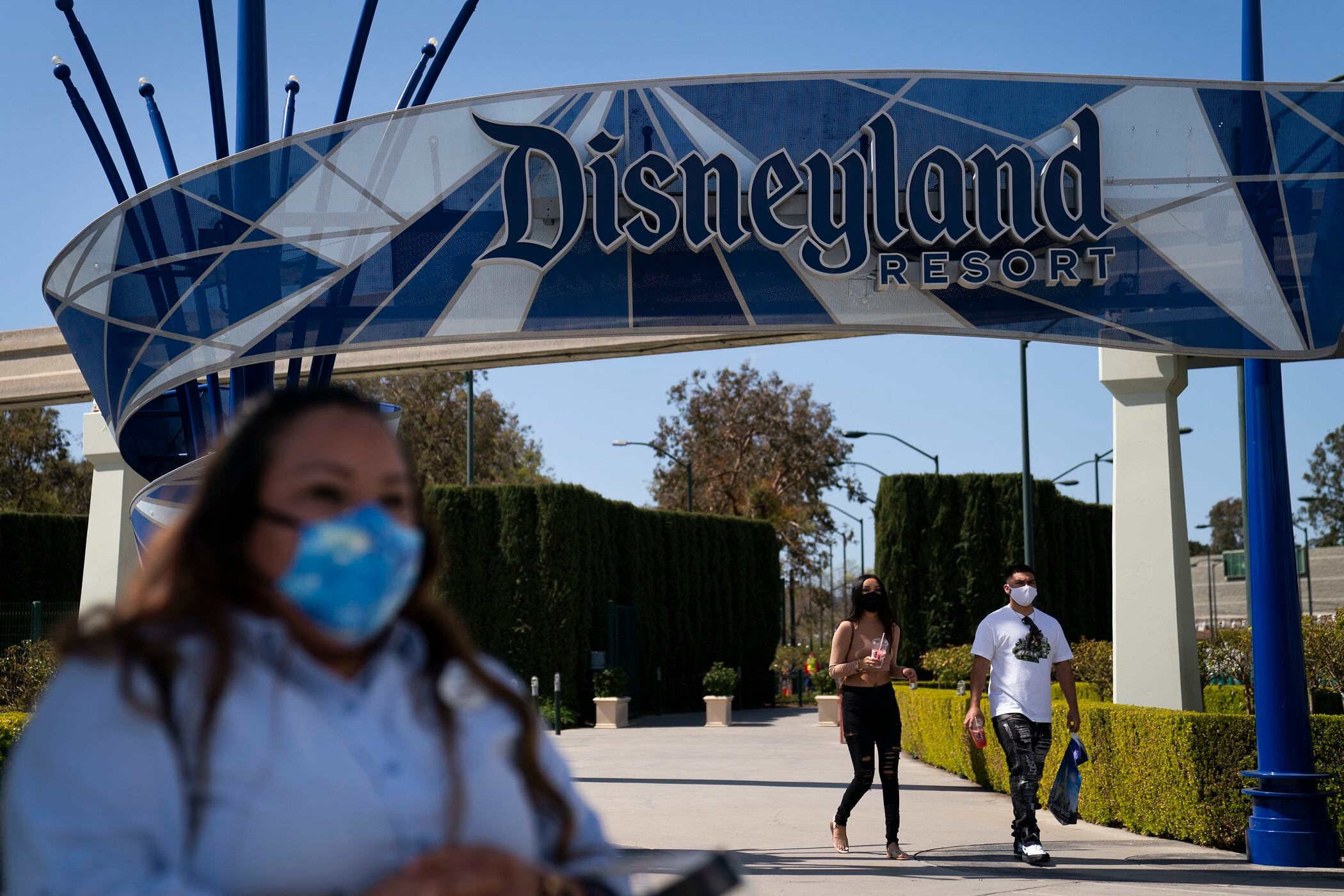
Disneyland has reopened after a 13-month closure. The iconic theme park in Southern California that was closed under the state's strict virus rules swung open its gates Friday and some visitors came in cheering and screaming with happiness.