Ants could be the next line of defense against cancer.
A study published in the journal Proceedings of Royal Society B: Biological Sciences focused on Ants and their keen sense of smell. Ants use smell via their thin sensory appendages that sit on top of their heads to do almost everything, including hunt for food, spotting mates, and protecting their young.
In the study, scientists used pieces of a breast cancer tumor, which were grafted onto mice, and then trained 35 ants to associate urine from the infected mice with sugar. In analyzing, scientists detected that the ants would hover for longer periods of time near the sick mouse rather than the healthy one.
Using ants to detect cancers would be a cost-cutting tool. Currently, cancers are diagnosed by blood withdrawal, biopsies, and colonoscopies, which are all considered invasive as well as being expensive procedures. Utilizing ants to screen for cancer would be significantly more reasonable.
While dogs have similar capabilities in that they are able to detect cancer in humans through smell, they take much longer to train. Baptiste Piqueret, a postdoctoral fellow at the Max Planck Institute for Chemical Ecology in Germany, said ants would be the ideal animal to use because they have good memories, are easy to train and don't bite.
Though progress has been made with ants and their cancer detection capabilities, there is still more research to be done on their efficacy. The next phase of the study will be human trials to see if ants are able to sniff out cancers through human excrement.
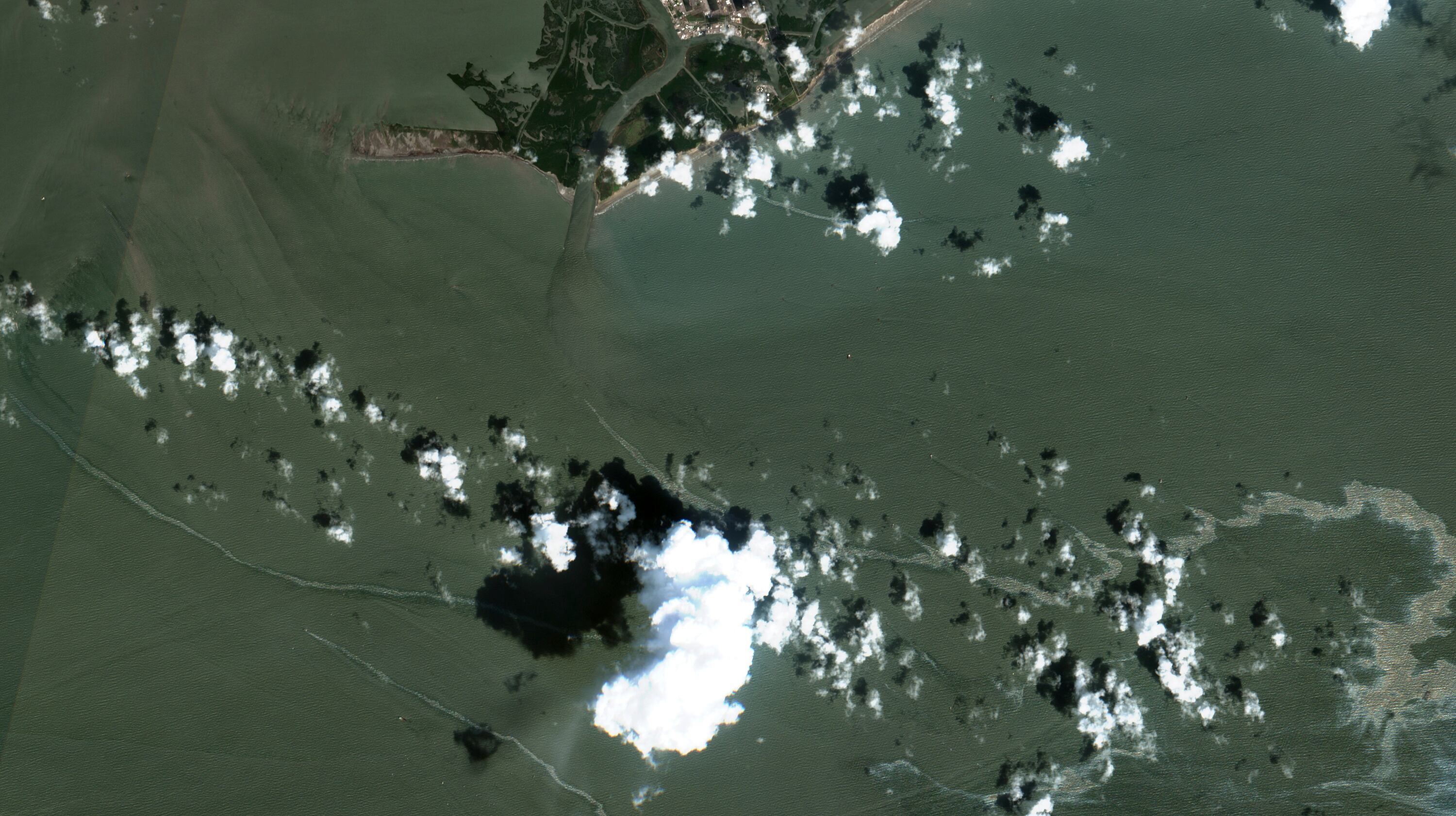
The company overseeing the response to a large oil spill spurred by Hurricane Ida said Tuesday that a containment dome has been placed over a broken undersea pipeline, stemming the flow into the Gulf of Mexico.
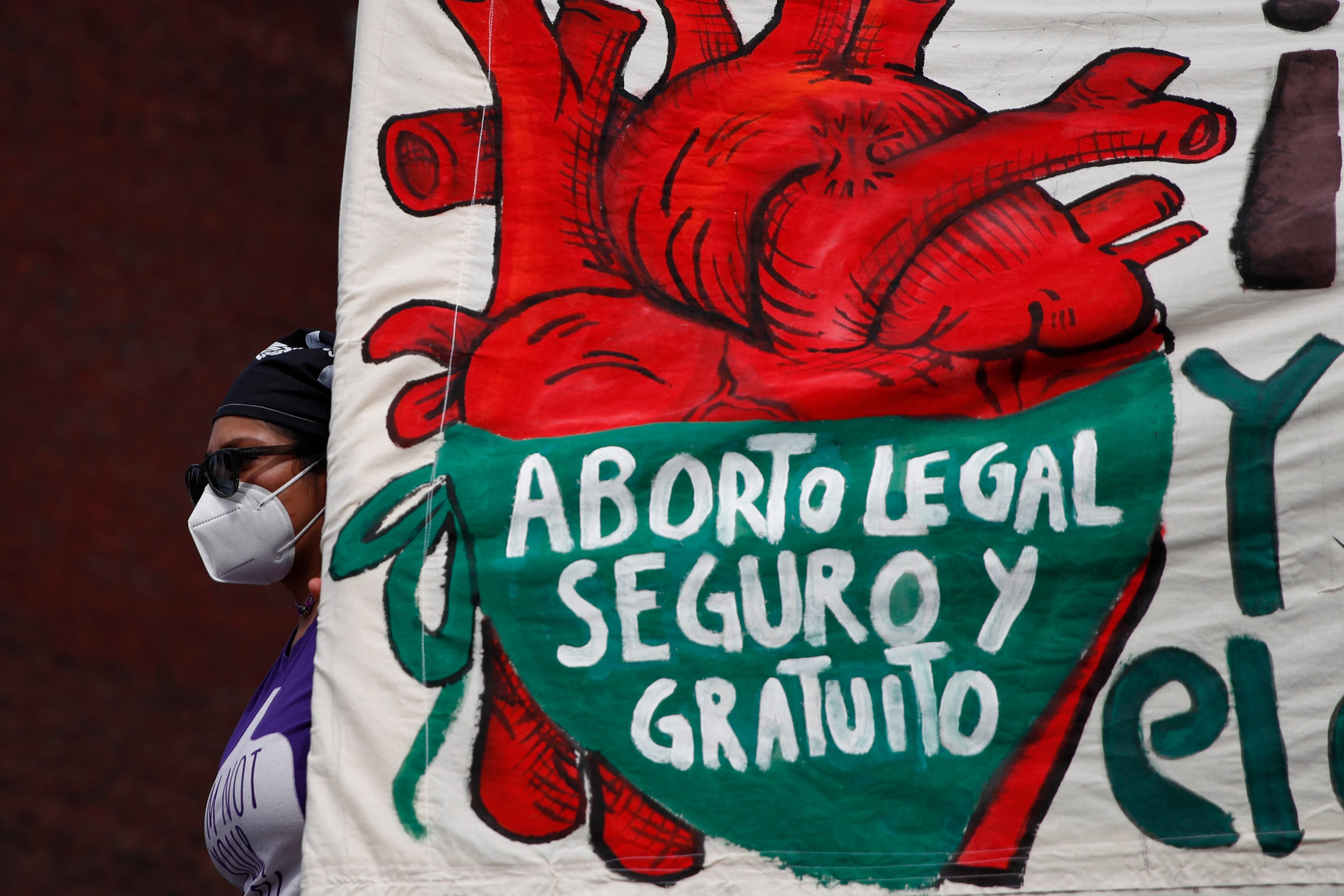
Gain-of-Function, Mexico Abortion Stunner & Album Wars
Cheddar asked its Gen Z and Millennial-aged Facebook and Instagram users about several topics including how they use social media, buying cryptocurrency, and the future job market.
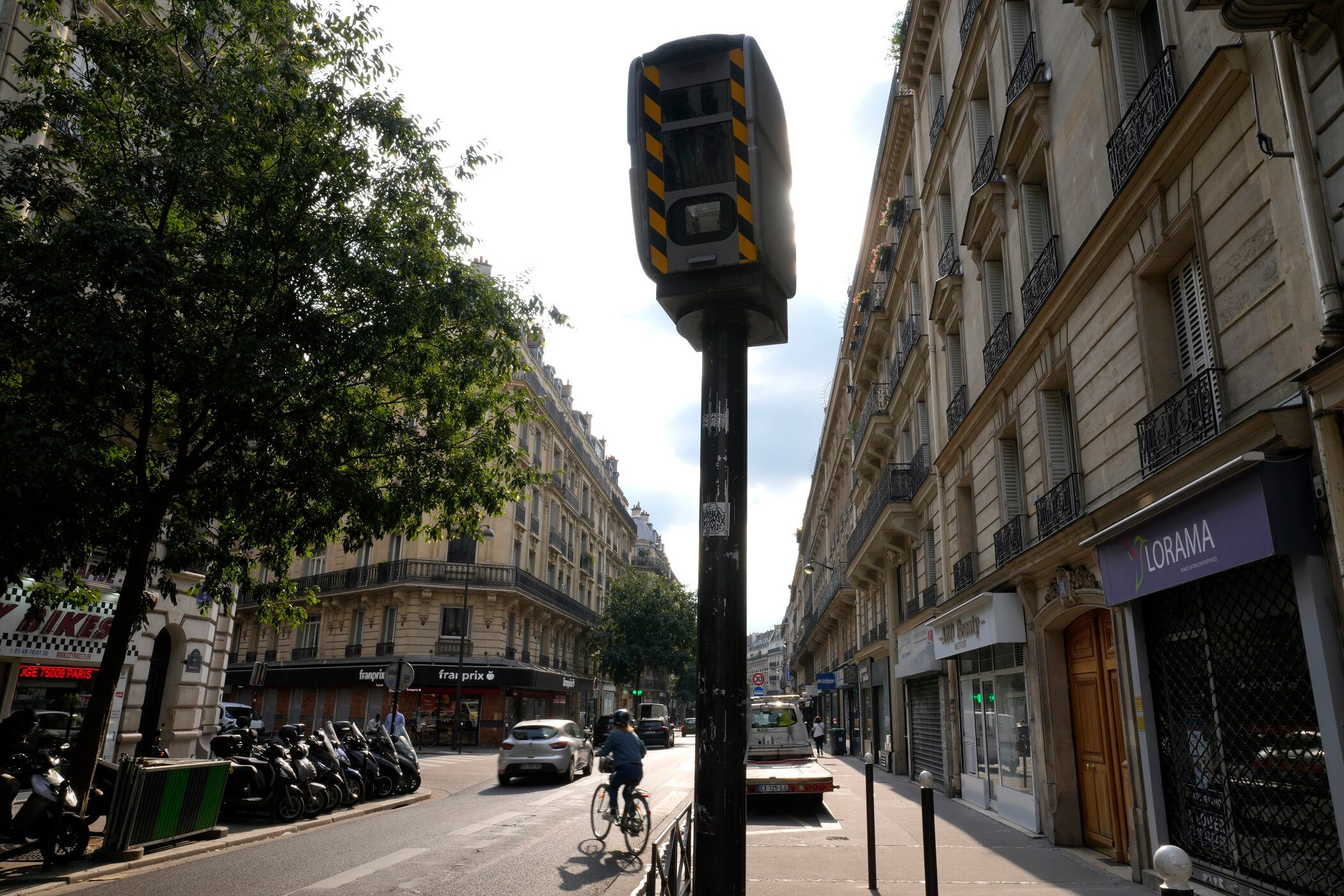
The speed limit for most of Paris is now 30 kilometers per hour (less than 19 miles per hour). The new rule takes effect Monday almost everywhere in the city except for a few wide avenues like the Champs-Elysees and the bypass circling the capital.
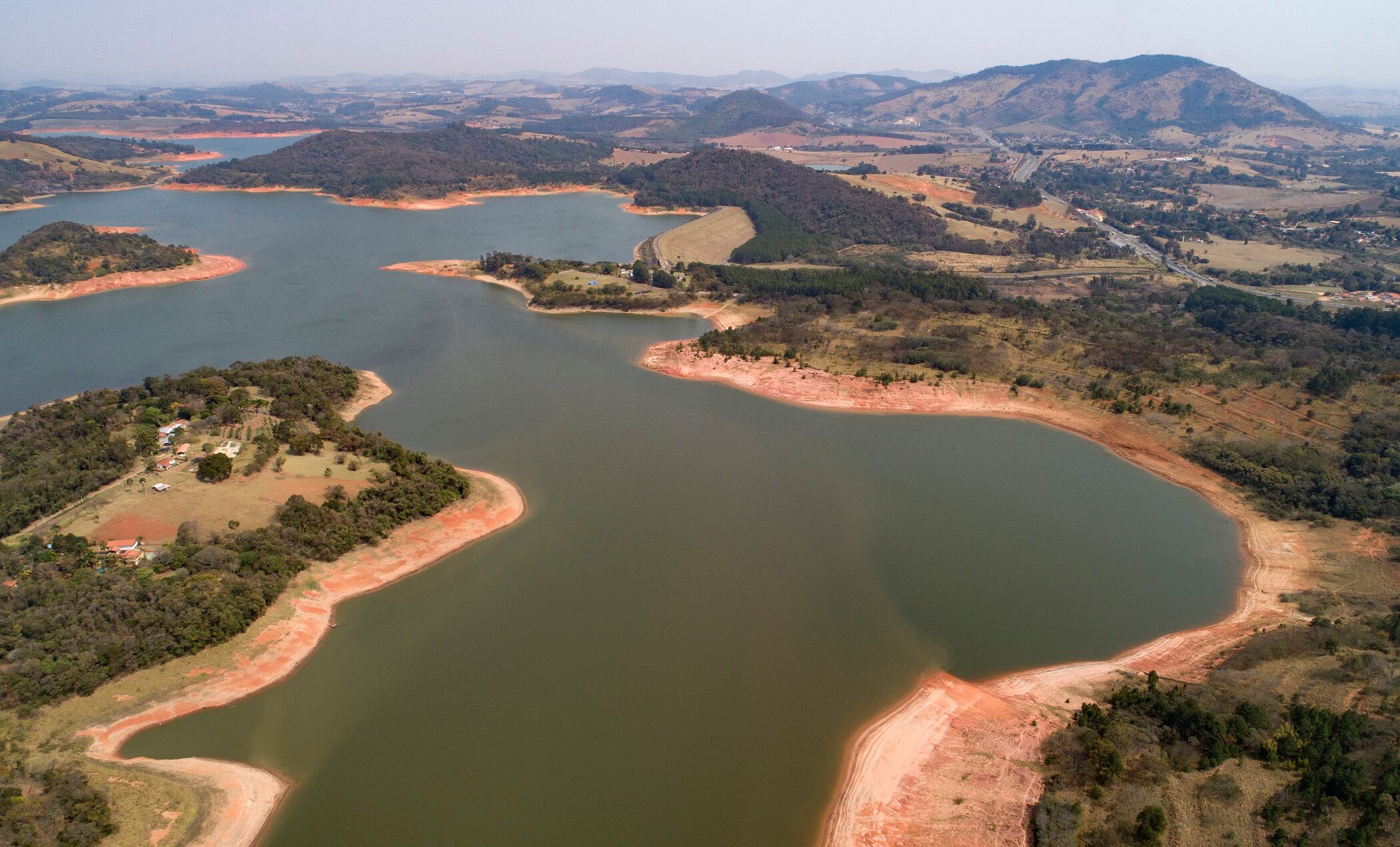
Brazil, the country with the most freshwater resources in the world, has lost 15% of its surface water over the last three decades.
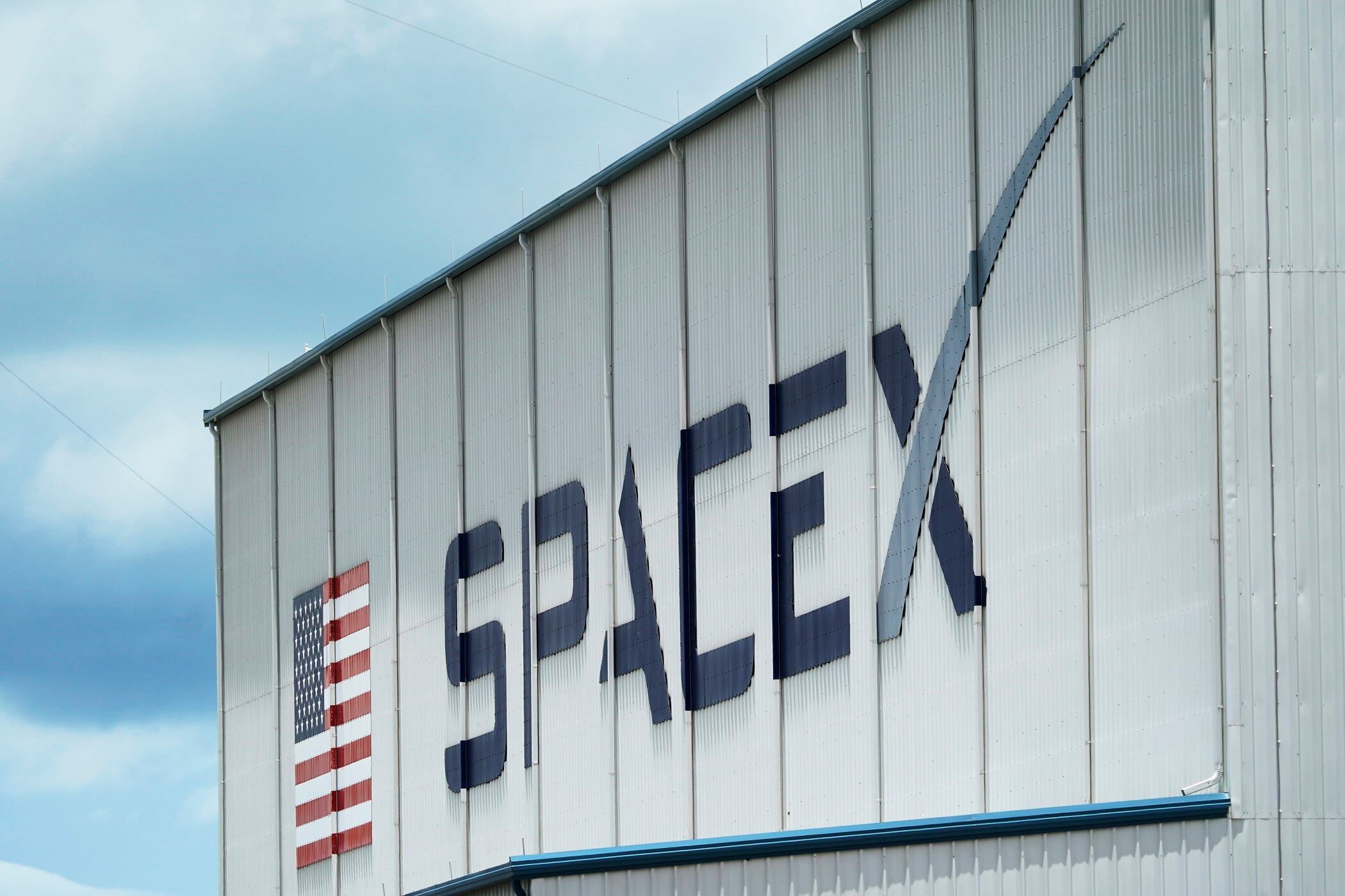
A SpaceX shipment of ants, avocados, and a human-sized robotic arm is on its way to the International Space Station.
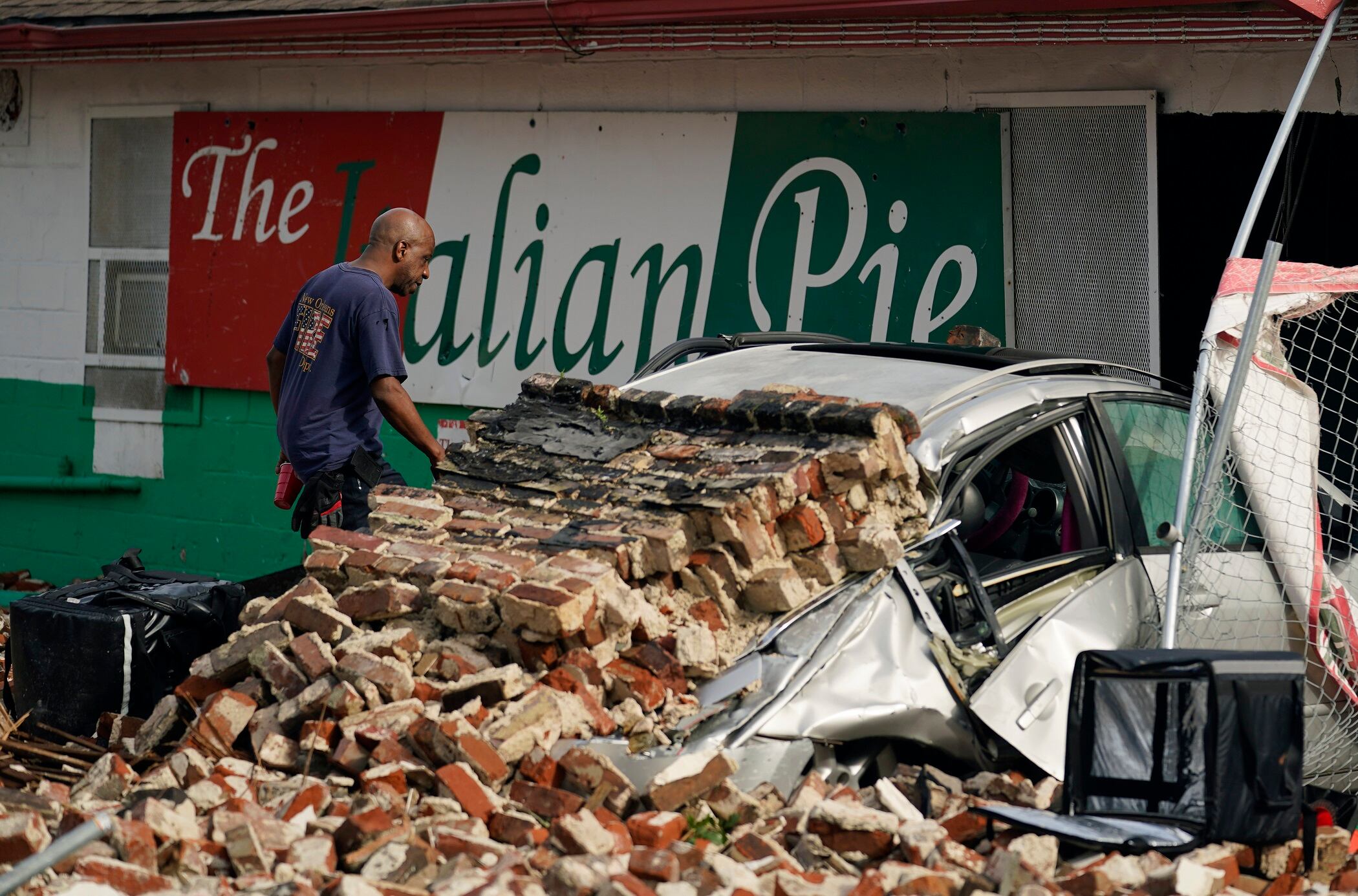
A fearsome Hurricane Ida has left scores of coastal Louisiana residents trapped by floodwaters and pleading to be rescued, while making a shambles of the electrical grid across a wide swath of the state in the sweltering, late-summer heat.
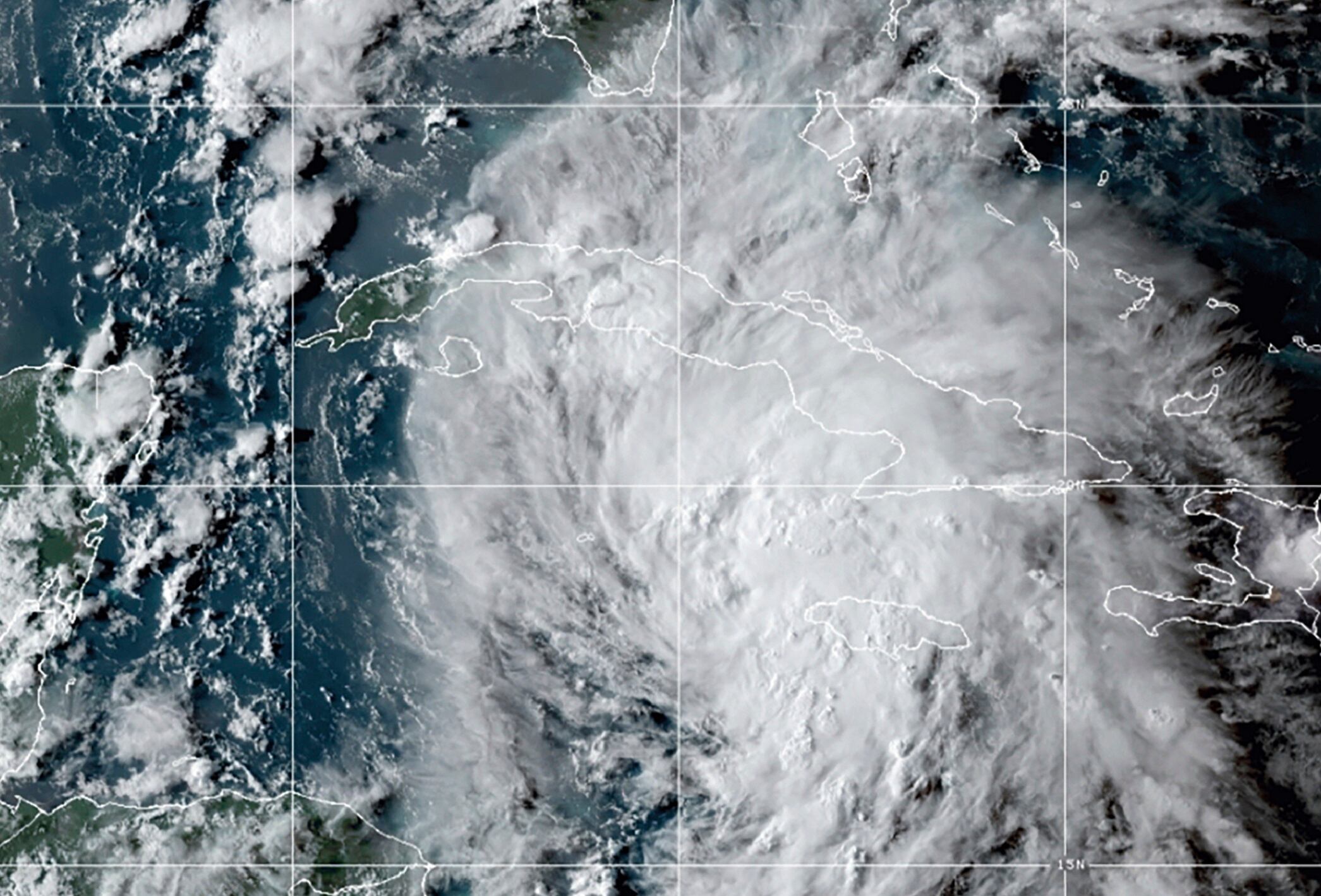
New Orleans Mayor Latoya Cantrell has ordered people outside the city’s levee protection system to evacuate. Forecasters say Ida made landfall in Cuba as a hurricane and could grow to an extremely dangerous Category 4 storm with top winds of 140 mph when it nears the U.S. coast.
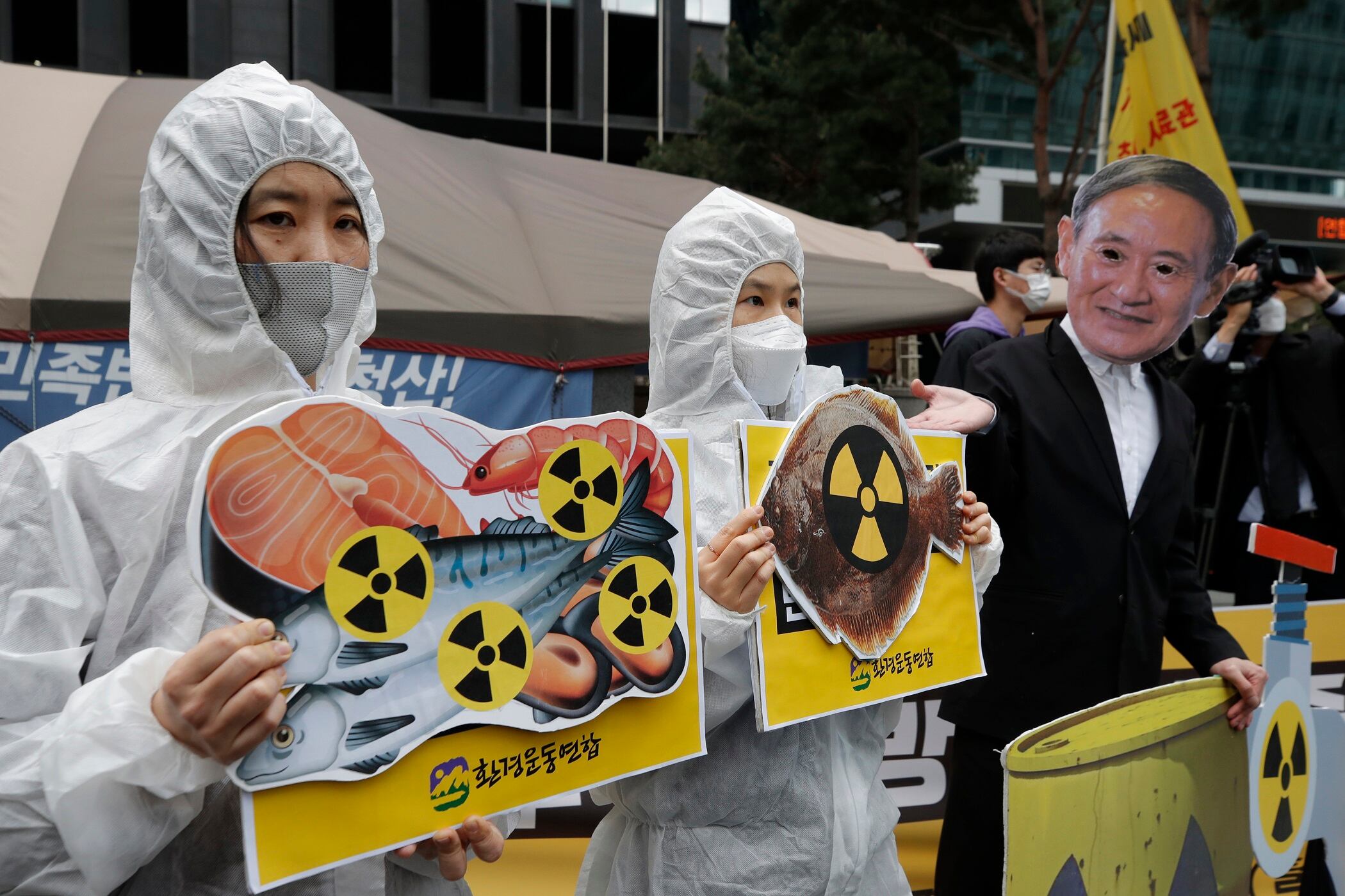
The operator of the wrecked Fukushima nuclear power plant says it plans to build an undersea tunnel so that massive amounts of treated but still radioactive water can be released into the ocean about 1 kilometer (0.6 mile) away from the plant to avoid interference with local fishing.
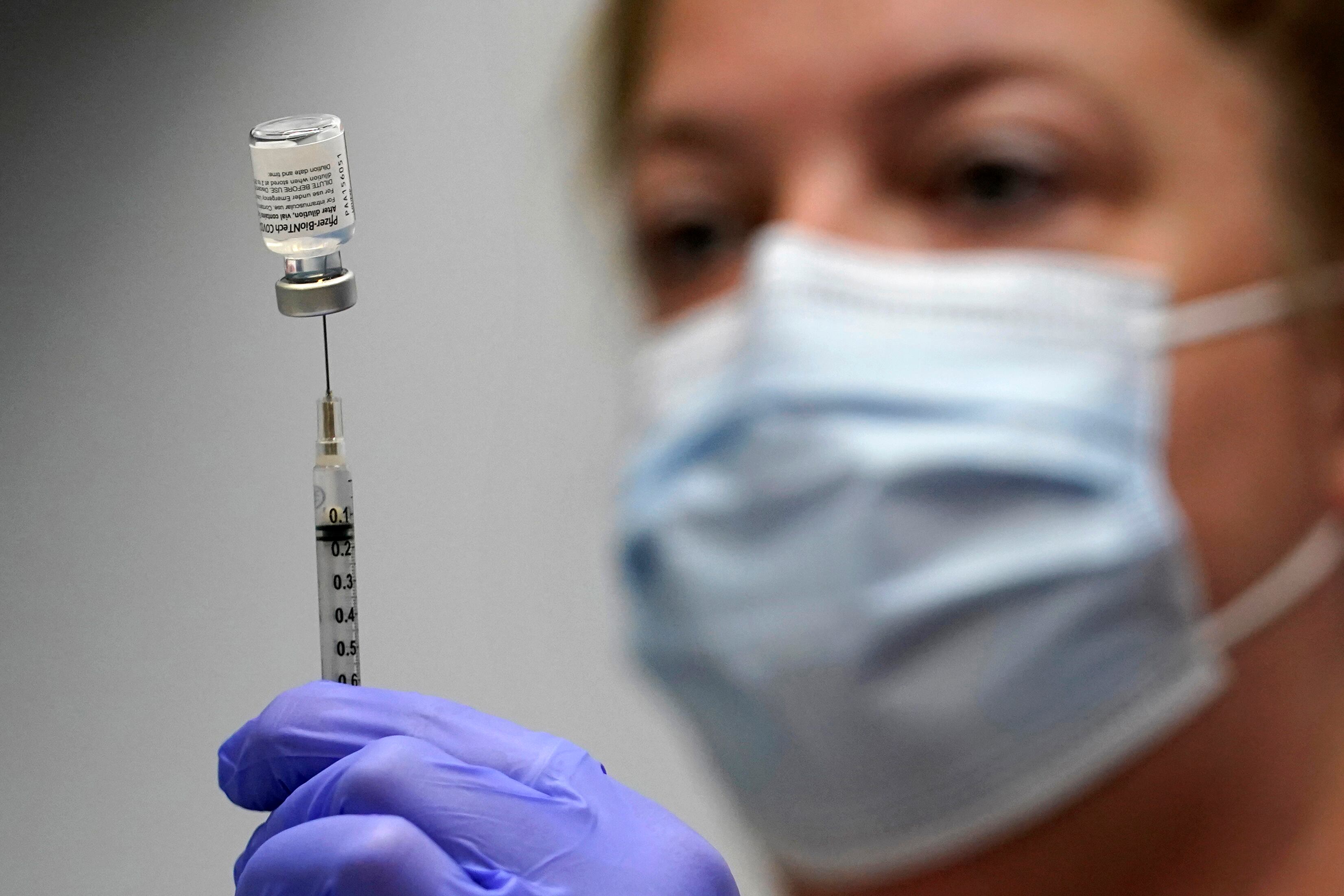
The U.S. gave full approval to Pfizer's COVID-19 vaccine on Monday, a milestone that may help lift public confidence in the shots as the nation battles the most contagious coronavirus mutant yet.