Ants could be the next line of defense against cancer.
A study published in the journal Proceedings of Royal Society B: Biological Sciences focused on Ants and their keen sense of smell. Ants use smell via their thin sensory appendages that sit on top of their heads to do almost everything, including hunt for food, spotting mates, and protecting their young.
In the study, scientists used pieces of a breast cancer tumor, which were grafted onto mice, and then trained 35 ants to associate urine from the infected mice with sugar. In analyzing, scientists detected that the ants would hover for longer periods of time near the sick mouse rather than the healthy one.
Using ants to detect cancers would be a cost-cutting tool. Currently, cancers are diagnosed by blood withdrawal, biopsies, and colonoscopies, which are all considered invasive as well as being expensive procedures. Utilizing ants to screen for cancer would be significantly more reasonable.
While dogs have similar capabilities in that they are able to detect cancer in humans through smell, they take much longer to train. Baptiste Piqueret, a postdoctoral fellow at the Max Planck Institute for Chemical Ecology in Germany, said ants would be the ideal animal to use because they have good memories, are easy to train and don't bite.
Though progress has been made with ants and their cancer detection capabilities, there is still more research to be done on their efficacy. The next phase of the study will be human trials to see if ants are able to sniff out cancers through human excrement.
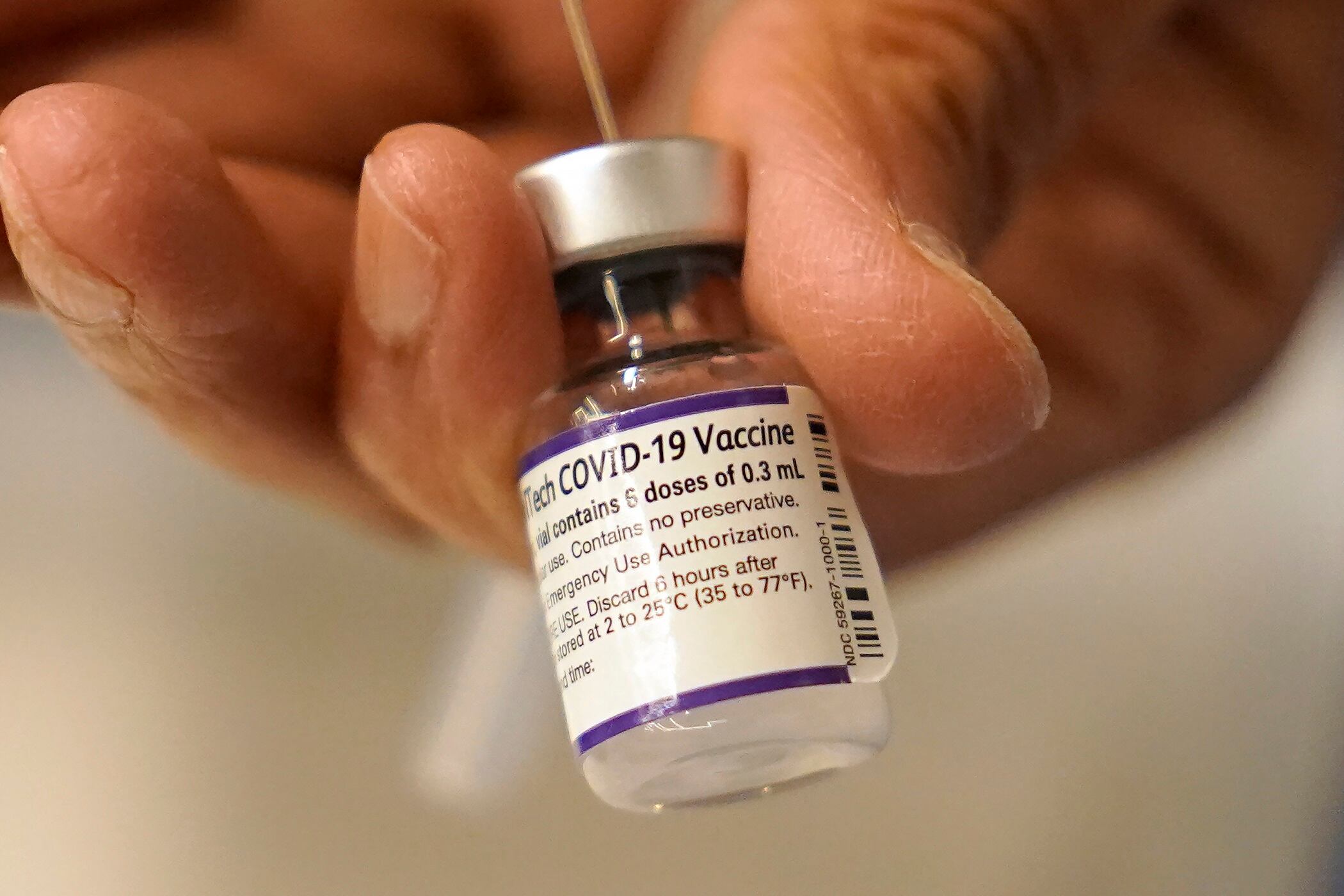
Pfizer says a booster dose of its COVID-19 vaccine appears to offer important protection against the new omicron variant.
A Japanese billionaire and his producer rocketed to space on Wednesday and reached the International Space Station several hours later.
Hawaii Flooding, Beijing Boycott & Disrupting Death
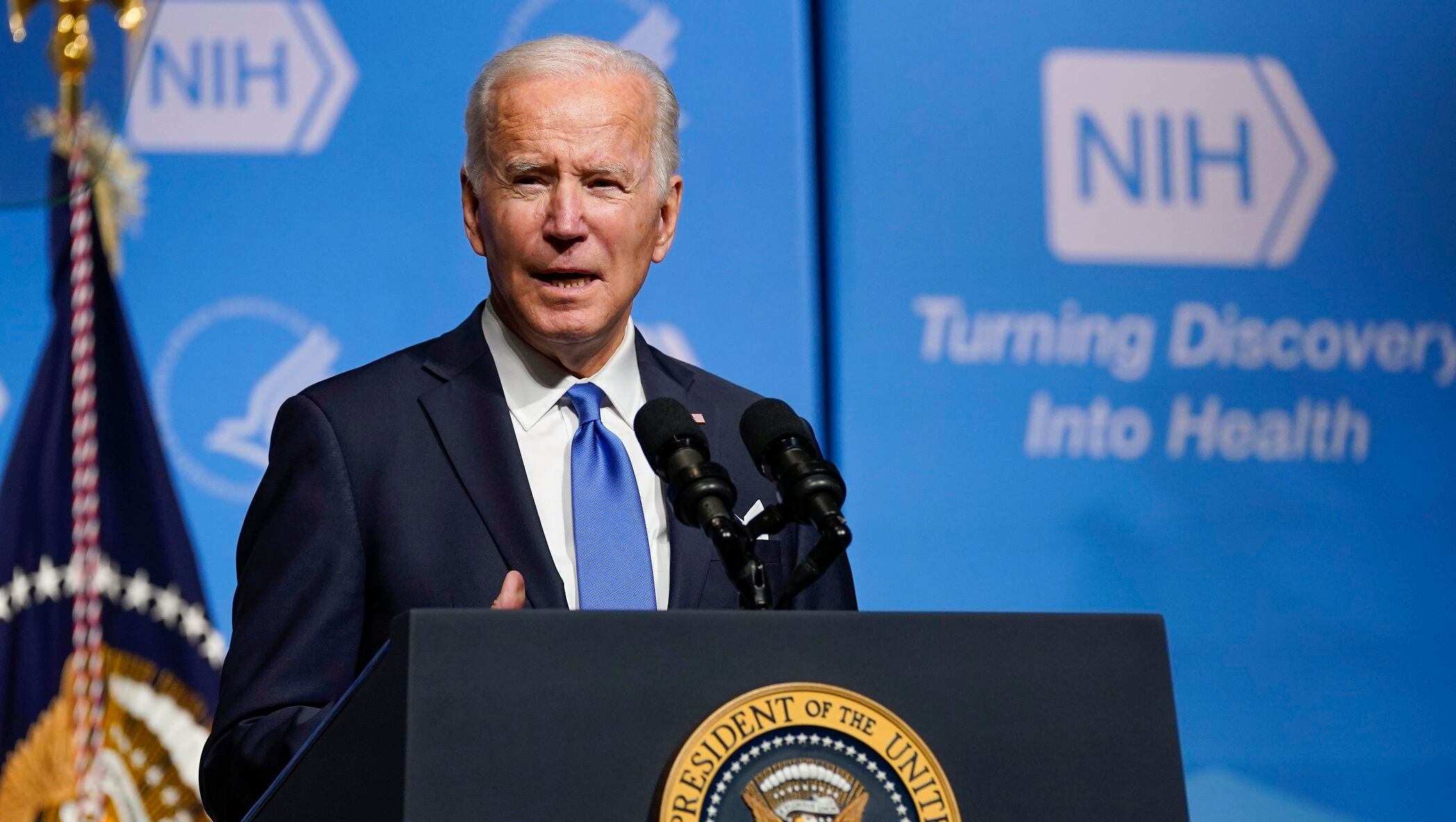
With rising numbers of COVID-19 cases predicted this winter, President Joe Biden is appealing for Americans to get their boosters and get behind his plan to tackle the new omicron variant through wider availability of vaccines and shots.
The U.S. identified its first known case of the omicron variant Wednesday — in a vaccinated traveler returning to California from South Africa — as scientists around the world raced to establish whether the new, mutant version of the coronavirus is more dangerous than the previous ones.
A person in California has become the first in the U.S. to have an identified case of the omicron variant of COVID-19.
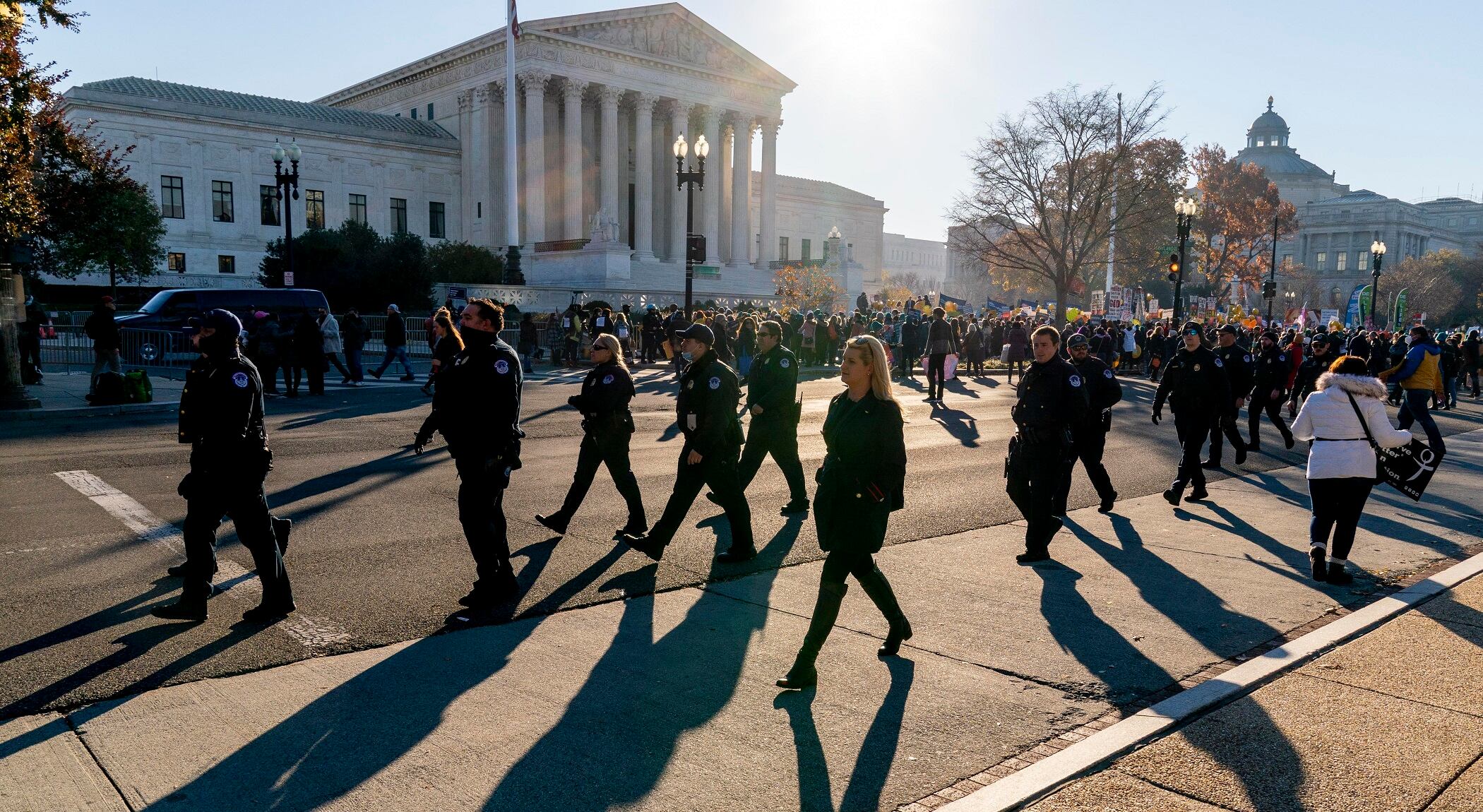
The Supreme Court’s conservative majority is signaling it will uphold Mississippi’s 15-week ban on abortion — and may go much further to overturn the nationwide right to abortion that has existed for nearly 50 years.
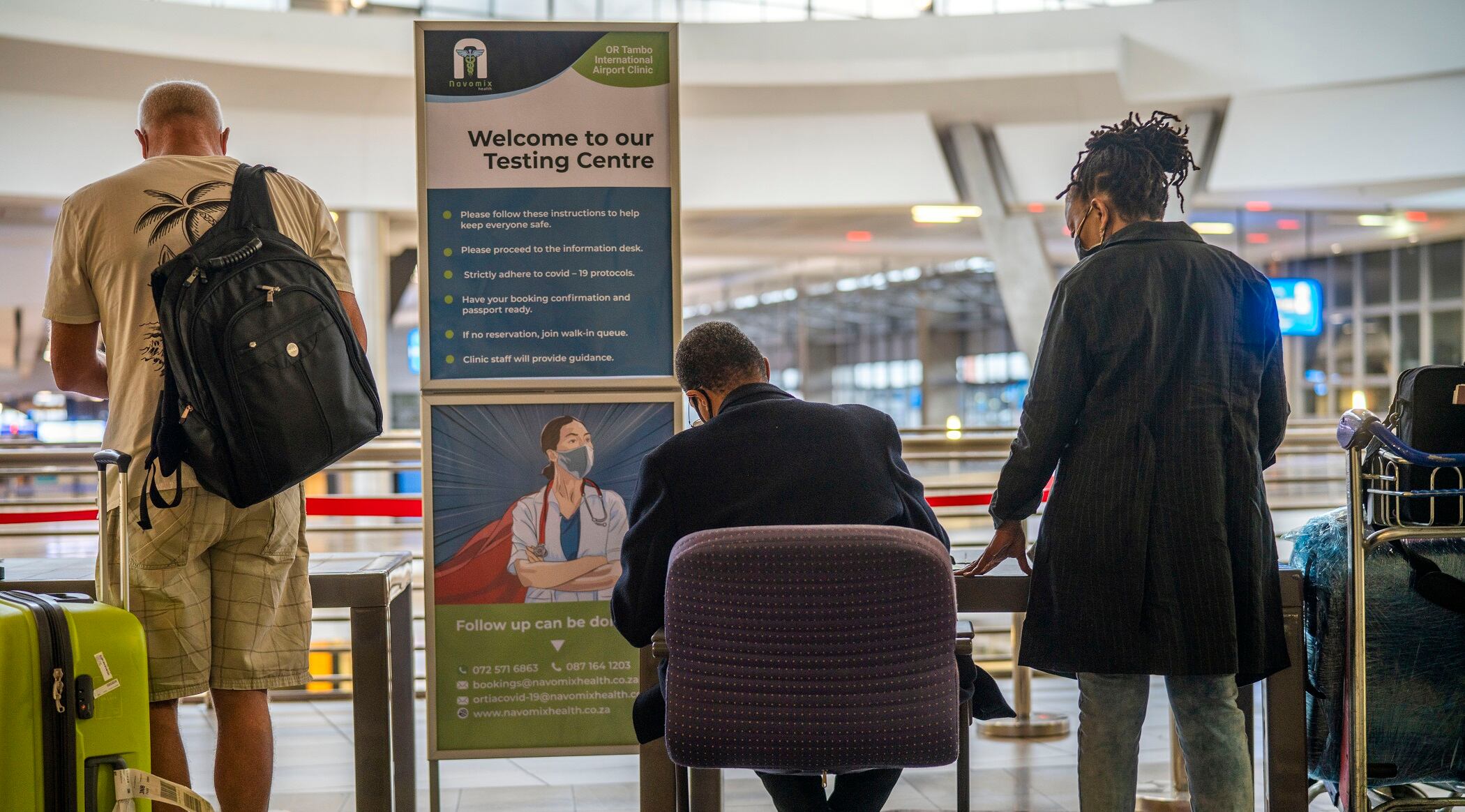
The world is confronting a new coronavirus variant, and officials have named it “omicron." A World Health Organization panel has classified it as a highly transmissible virus of concern.
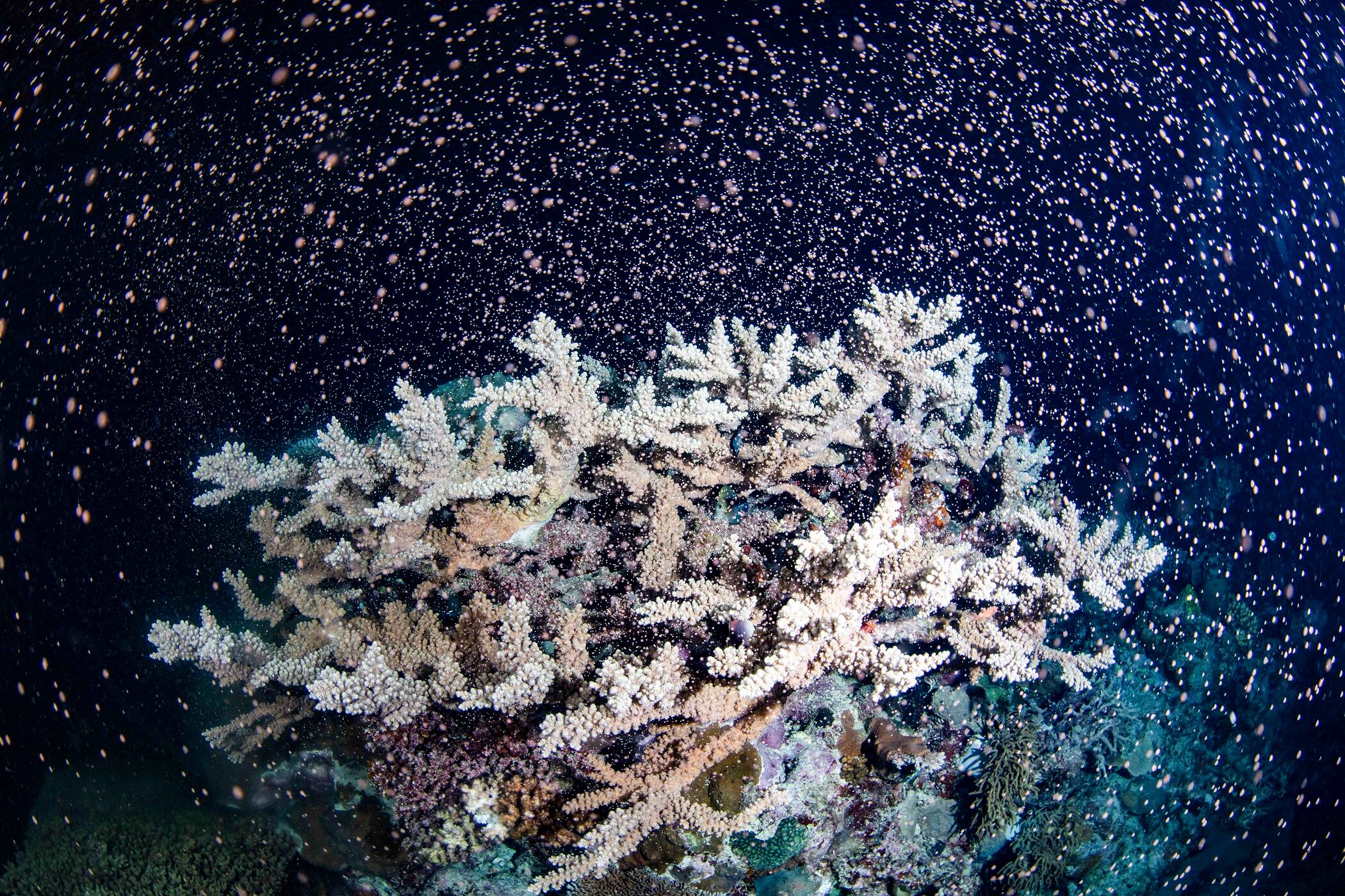
Australia’s Great Barrier Reef is spawning in an explosion of color as the World Heritage-listed natural wonder recovers from life-threatening coral bleaching episodes.
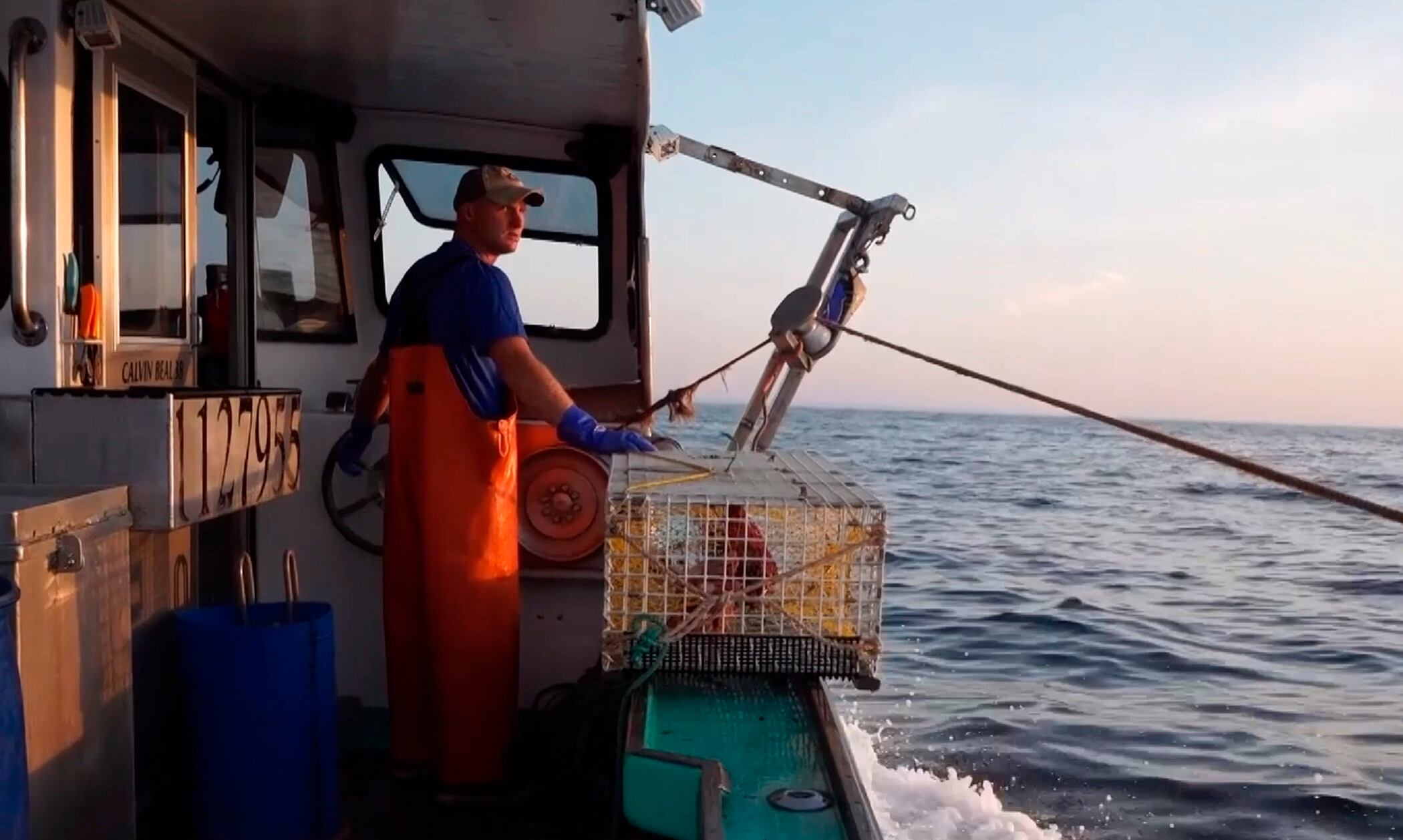
Climate change that may have contributed to a lobster boom in Maine could soon lead to a bust. Chloe Aiello reports.