Ants could be the next line of defense against cancer.
A study published in the journal Proceedings of Royal Society B: Biological Sciences focused on Ants and their keen sense of smell. Ants use smell via their thin sensory appendages that sit on top of their heads to do almost everything, including hunt for food, spotting mates, and protecting their young.
In the study, scientists used pieces of a breast cancer tumor, which were grafted onto mice, and then trained 35 ants to associate urine from the infected mice with sugar. In analyzing, scientists detected that the ants would hover for longer periods of time near the sick mouse rather than the healthy one.
Using ants to detect cancers would be a cost-cutting tool. Currently, cancers are diagnosed by blood withdrawal, biopsies, and colonoscopies, which are all considered invasive as well as being expensive procedures. Utilizing ants to screen for cancer would be significantly more reasonable.
While dogs have similar capabilities in that they are able to detect cancer in humans through smell, they take much longer to train. Baptiste Piqueret, a postdoctoral fellow at the Max Planck Institute for Chemical Ecology in Germany, said ants would be the ideal animal to use because they have good memories, are easy to train and don't bite.
Though progress has been made with ants and their cancer detection capabilities, there is still more research to be done on their efficacy. The next phase of the study will be human trials to see if ants are able to sniff out cancers through human excrement.
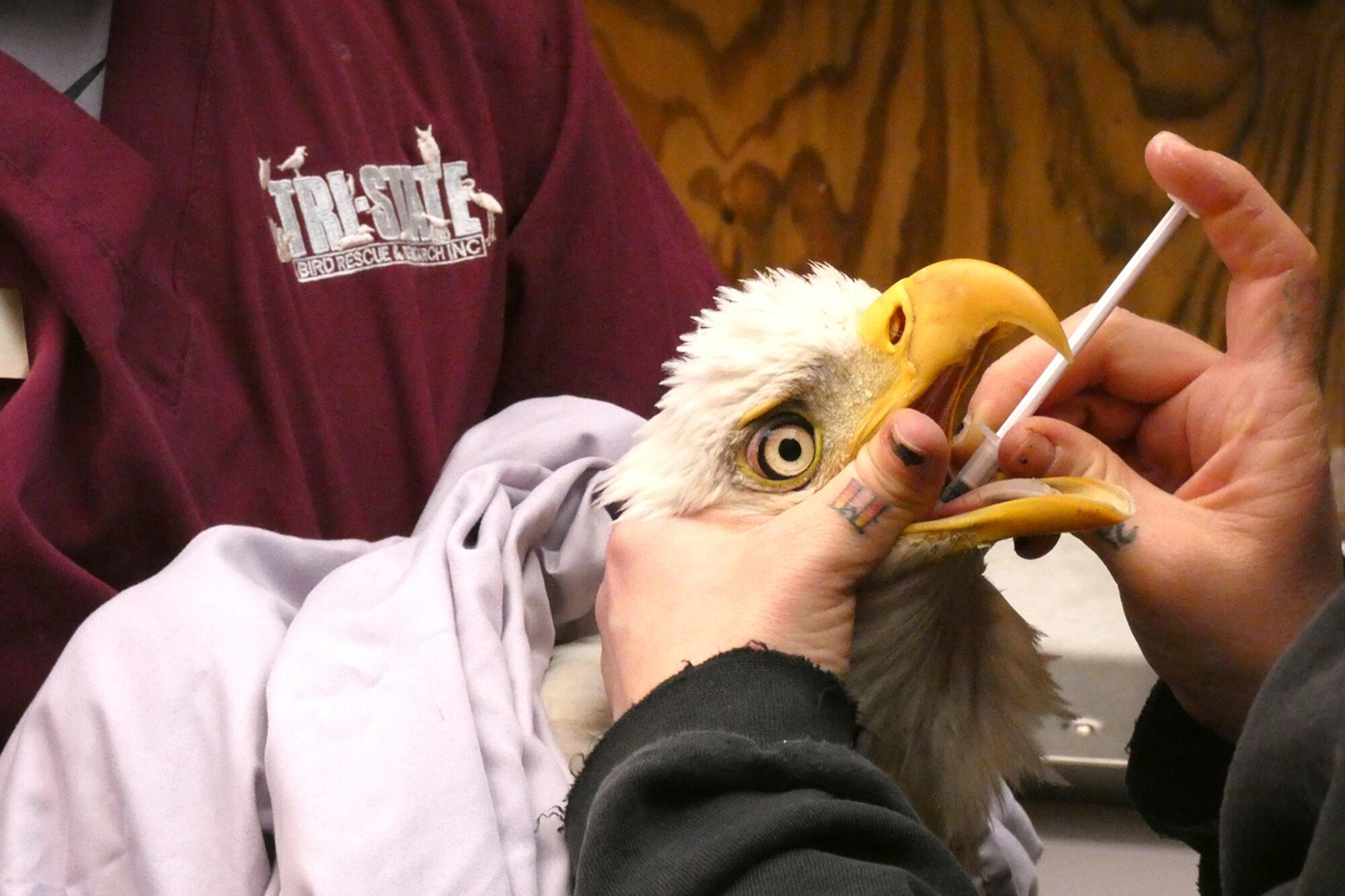
Researchers report harmful levels of toxic lead were found in the bones of 46% of bald eagles sampled in 38 states. Similar rates of lead exposure were found in golden eagles, according to their study Thursday in the journal Science.
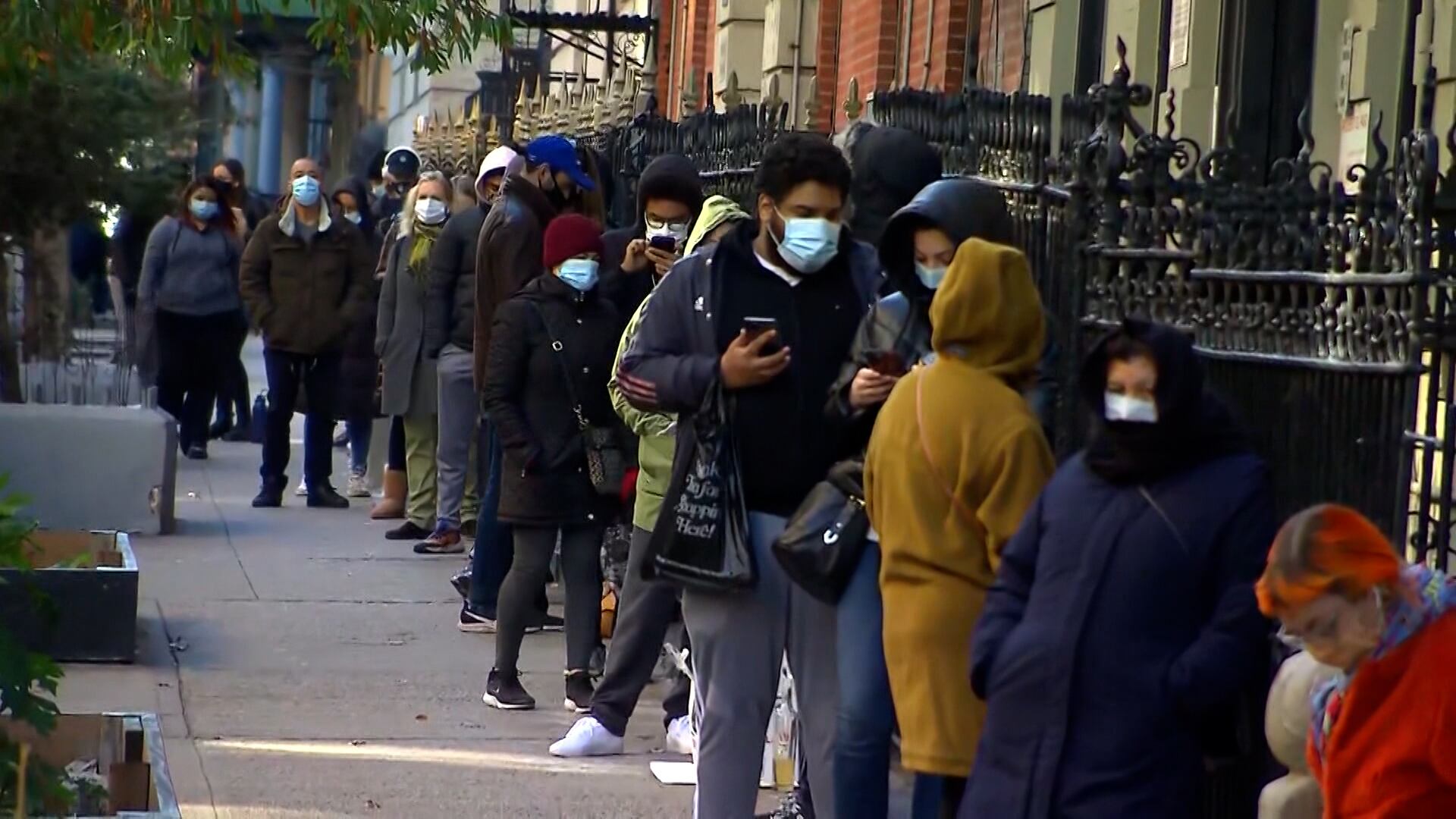
As more and more states end mask mandates and ease other COVID restrictions, discussions about the endemic phase of the pandemic have been growing. For weeks, scientists have warned about how contagious the omicron variant is, but now it seems the tone has shifted and governors are rolling back policies they've had in place for months. Dr. Eric Feigl-Ding, epidemiologist and senior fellow at the Federation of American Scientists, joined Cheddar's Opening Bell to discuss what the next phase of the pandemic might look like, how to act now that mask mandates are ending, and if we should be worried about another variant emerging.
Swedish electric motorcycle maker Cake says its mission is to inspire society to adopt a zero-emission lifestyle. The company admits this is a lofty goal that covers a lot of ground - so it's starting with the world of urban mobility and last-mile deliveries. The company also has an agreement in place with NorthVolt to continually improve the environmental impact of batteries for electric vehicles. Stefan Ytterborn, Founder & CEO of Cake, joins Cheddar Climate to discuss.
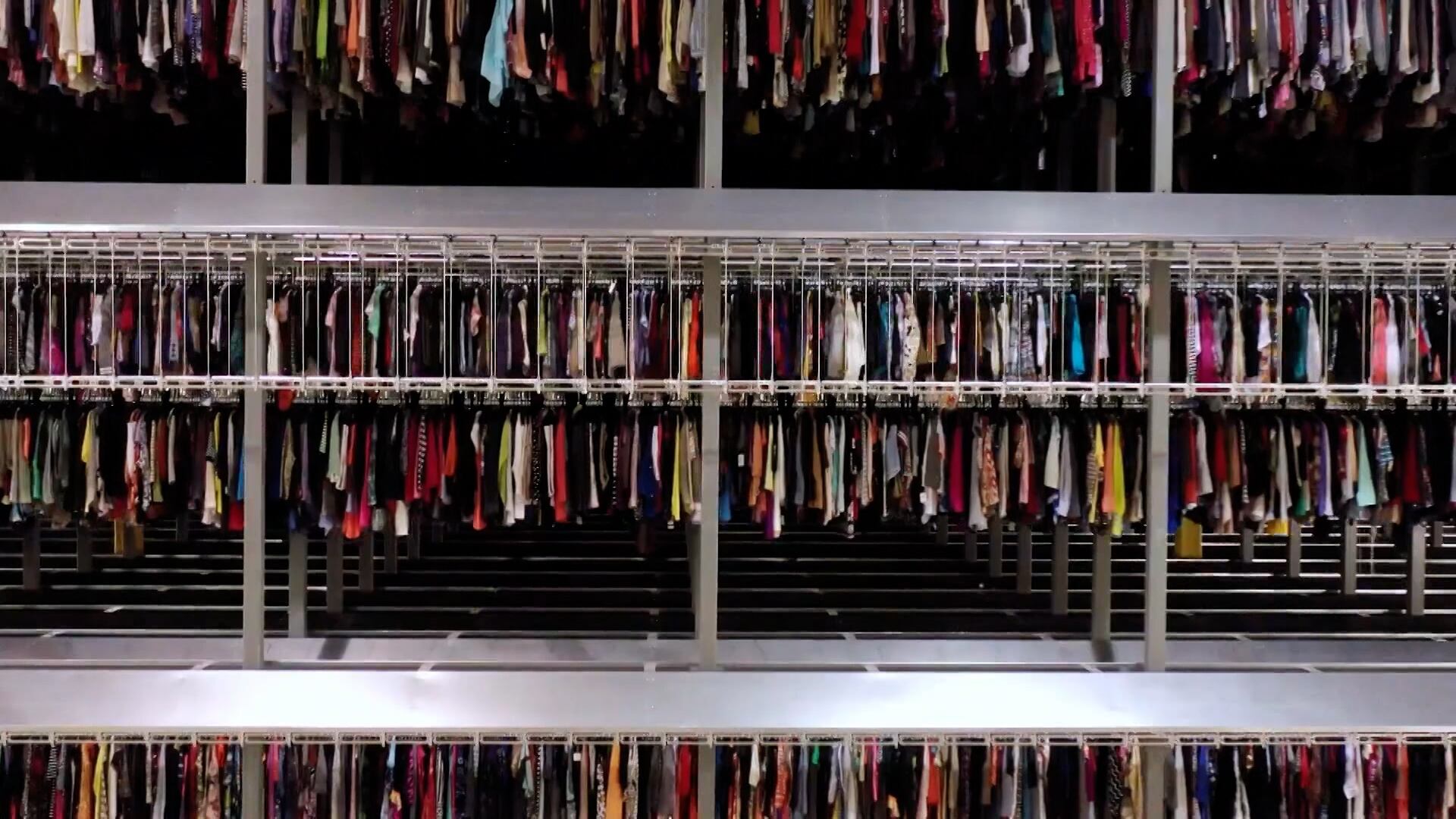
One retailer and publicly-traded company says it is on a mission to inspire a new generation of consumers to think secondhand - first. thredUP is one of the world's largest resale platforms for women's and kids' apparel, shoes, and accessories. The company says it is changing the way consumers shop and ushering in a more sustainable future for the fashion industry. Anthony Marino, President of thredUP, joins Cheddar Climate to discuss.
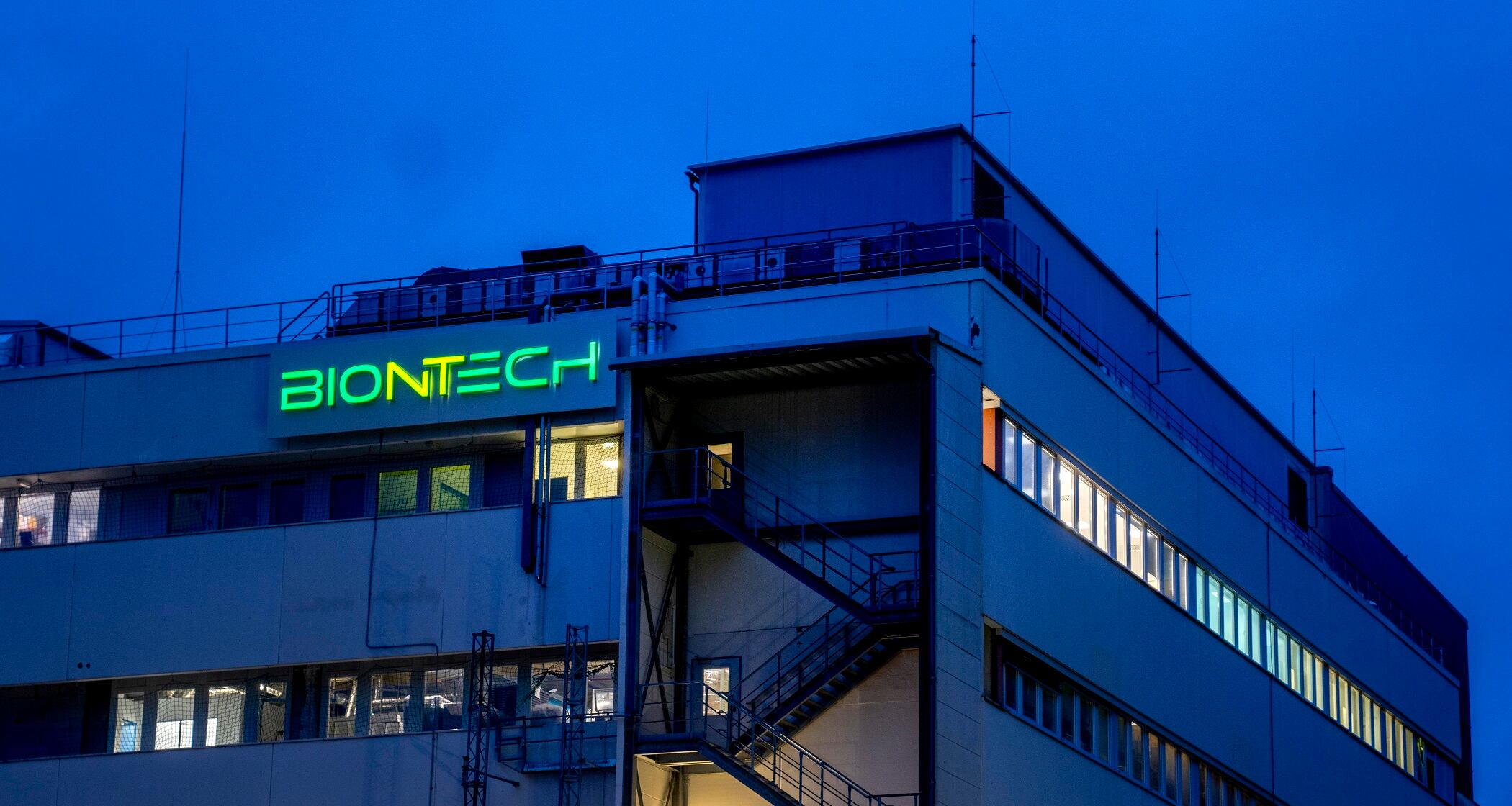
German vaccine maker BioNTech unveiled plans Wednesday to establish manufacturing facilities in Africa that would boost the availability of much-needed medicines on the continent.
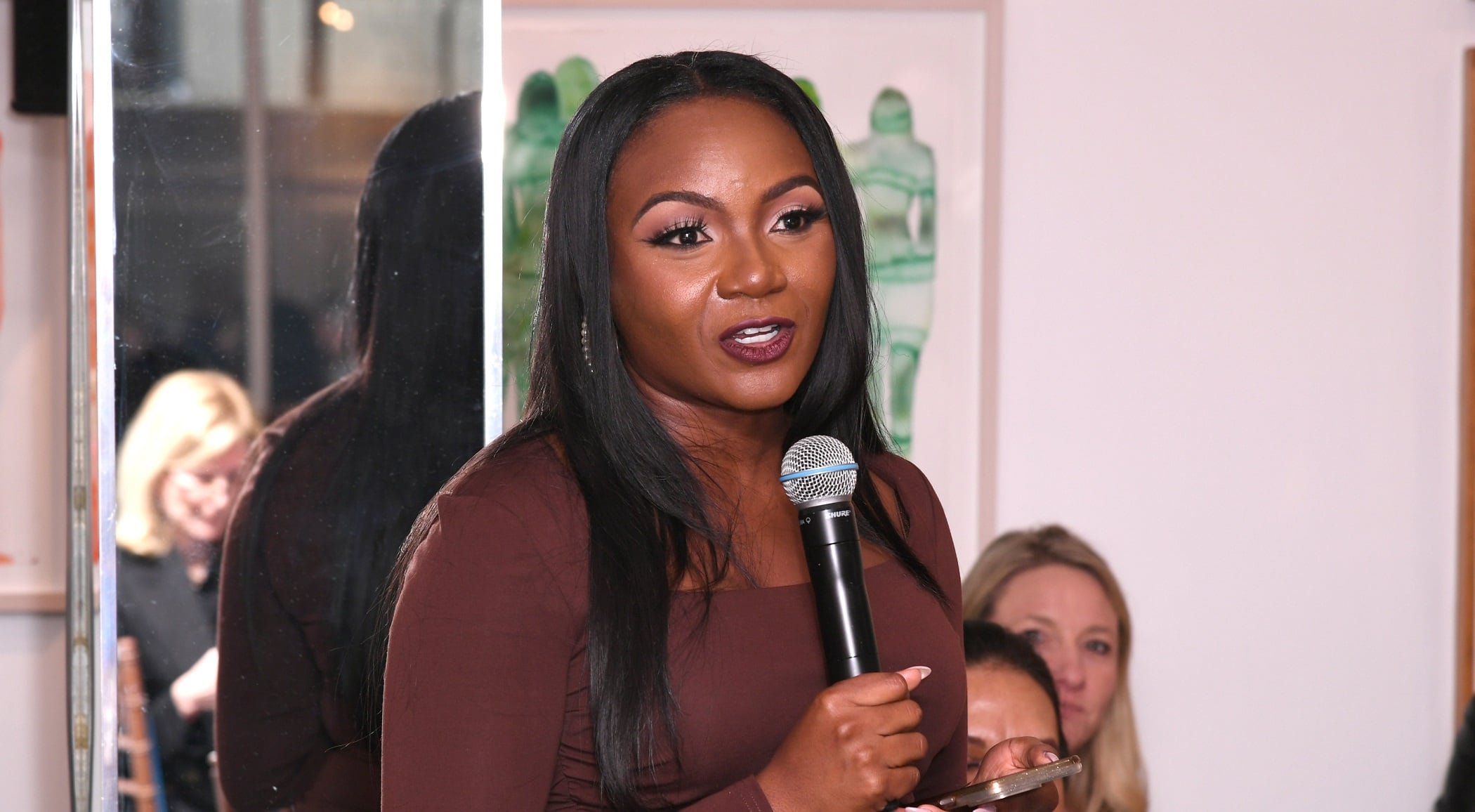
As we celebrate Black History Month, Cheddar is highlighting prominent Black Americans who are carving their own historic paths and trailblazing in their industries. Today we feature Dr. Kizzmekia Corbett.