Ants could be the next line of defense against cancer.
A study published in the journal Proceedings of Royal Society B: Biological Sciences focused on Ants and their keen sense of smell. Ants use smell via their thin sensory appendages that sit on top of their heads to do almost everything, including hunt for food, spotting mates, and protecting their young.
In the study, scientists used pieces of a breast cancer tumor, which were grafted onto mice, and then trained 35 ants to associate urine from the infected mice with sugar. In analyzing, scientists detected that the ants would hover for longer periods of time near the sick mouse rather than the healthy one.
Using ants to detect cancers would be a cost-cutting tool. Currently, cancers are diagnosed by blood withdrawal, biopsies, and colonoscopies, which are all considered invasive as well as being expensive procedures. Utilizing ants to screen for cancer would be significantly more reasonable.
While dogs have similar capabilities in that they are able to detect cancer in humans through smell, they take much longer to train. Baptiste Piqueret, a postdoctoral fellow at the Max Planck Institute for Chemical Ecology in Germany, said ants would be the ideal animal to use because they have good memories, are easy to train and don't bite.
Though progress has been made with ants and their cancer detection capabilities, there is still more research to be done on their efficacy. The next phase of the study will be human trials to see if ants are able to sniff out cancers through human excrement.
A new study shows that Americans feel record levels of stress amid inflation and global uncertainty about the war in Ukraine. Cheddar News speaks with Lynn Bufka of the American Psychological Association about how to best put your worries aside.
Colgate-Palmolive is shedding light on the little-known fact that oral health is integral to overall health. The consumer products company will commit $100 million over five years to transform the way the world thinks about and addresses oral health. Maria Ryan, Chief Clinical Officer at Colgate-Palmolive, discusses why oral health is so vital to our physical and mental well-being.
Scientists say they have found the sunken wreck of polar explorer Ernest Shackleton’s ship Endurance, more than a century after it was lost to the Antarctic ice.
Researchers say a large spider native to East Asia that proliferated in Georgia last year could spread to much of the East Coast. The Joro spider’s golden web took over yards all over north Georgia in 2021, unnerving some residents.
News of Russian forces taking control of a Ukrainian after artillery bombardment of a nuclear power plant raised concerns this week. Nuclear policy expert and Quincy Institute Distinguished Fellow Joe Cirincione joined Cheddar News to discuss the implications for a potential disaster. “I’m with the director general of the IAEA, the International Atomic Energy Agency. He says that he is extremely concerned, and that this Russian attack is a severe risk and that Russia clearly violated the fundamental principle of preserving the integrity of nuclear power plants," Cirincione said.
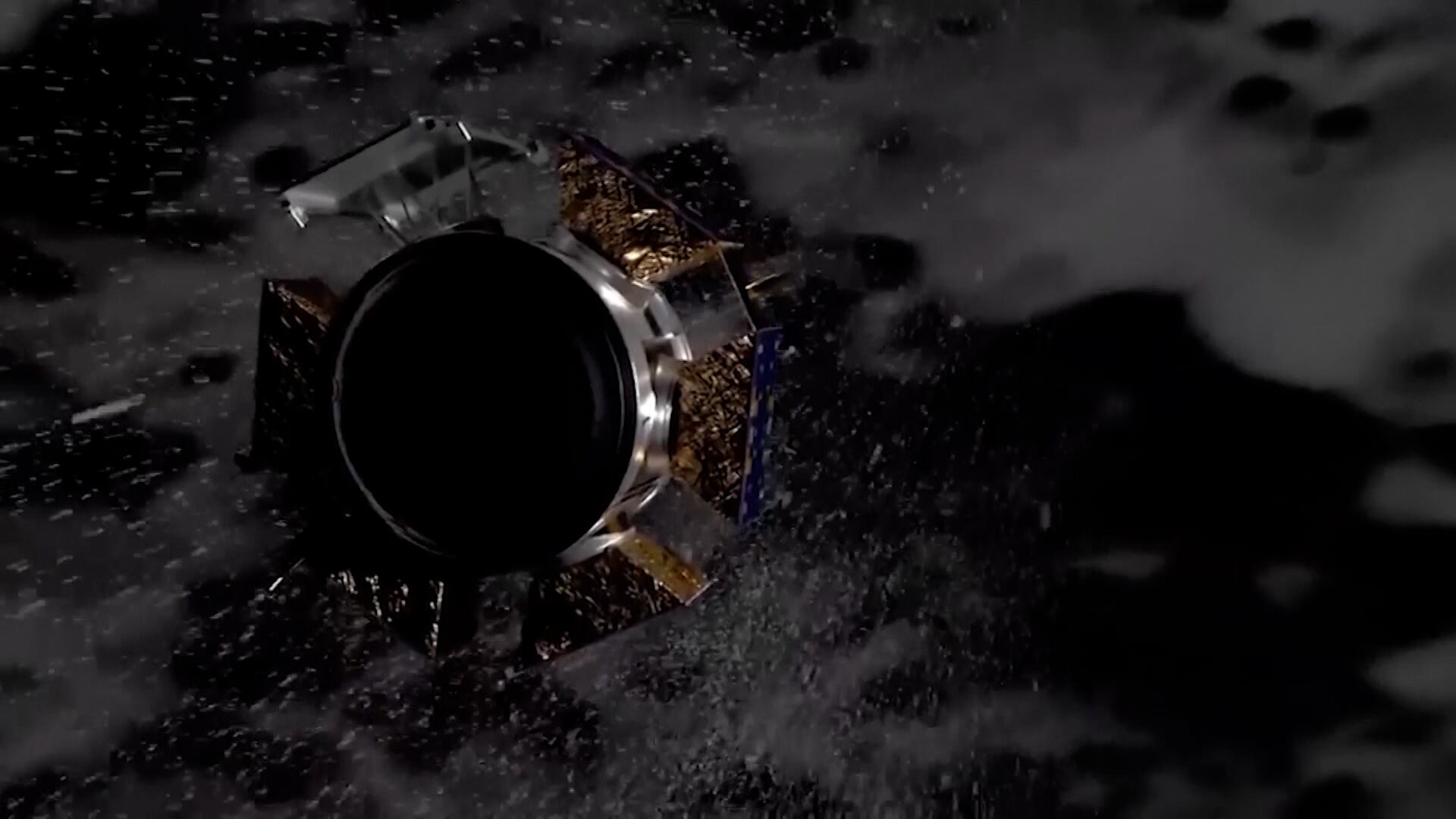
Adam Battle, research assistant at University of Arizona's Lunar and Planetary Laboratory, joins Cheddar News to discuss space junk heading to the moon and if more should be done to prevent space junk in the future.
UN and Ukrainian officials say no radiation was released from a Russian attack at Europe’s biggest nuclear power plant in Ukraine and firefighters have extinguished a blaze at the facility..
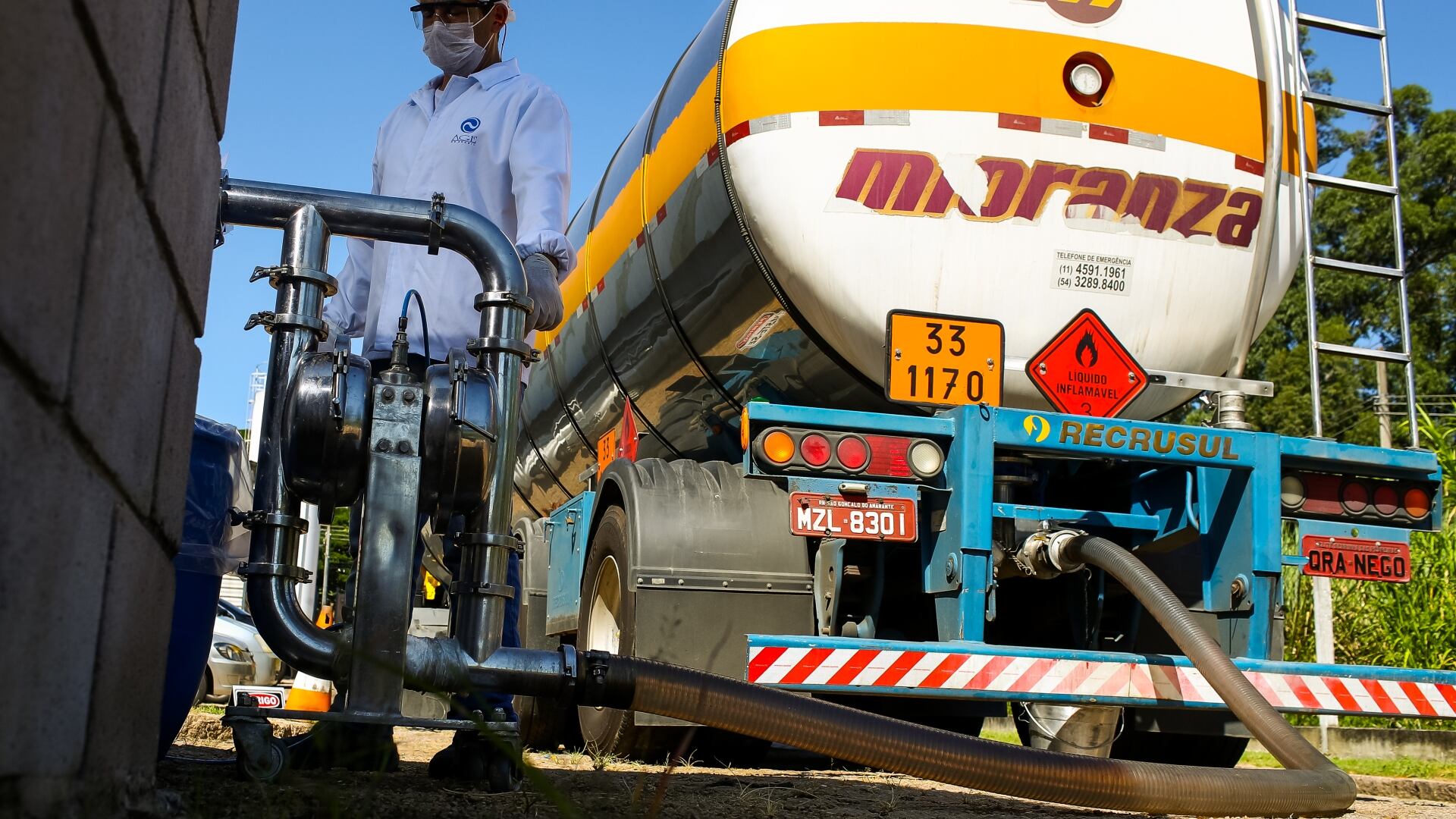
Under the U.S. Renewable Fuel Standard (RFS), corn-based ethanol has been mixed into gasoline sold at pumps in the U.S. since 2005, when a policy was enacted aimed at reducing emissions. Corn-based ethanol had been thought to be a relatively greener energy source compared to other biofuels, but now, a new study published in the Proceedings of the National Academy of Sciences reports it may be actually worse for the climate than straight gasoline. Tyler Lark, an assistant scientist at the University of Wisconsin-Madison's Center for Sustainability, joined Cheddar News' Closing Bell and discussed the pushback against the study. "Essentially when you need to produce more corn to meet the demand for use as ethanol as fuel, farmers respond and they switch more crops like soybeans and wheat into corn," Lark said. "They also bring more land into production, so things that used to be pasture grassland, and both those activities are associated with increased greenhouse gas emissions."
Caroline Hickman, lecturer at University of Bath and psychosocial researcher on climate change, joins Cheddar News to discuss climate change's impact on mental health.