Ants could be the next line of defense against cancer.
A study published in the journal Proceedings of Royal Society B: Biological Sciences focused on Ants and their keen sense of smell. Ants use smell via their thin sensory appendages that sit on top of their heads to do almost everything, including hunt for food, spotting mates, and protecting their young.
In the study, scientists used pieces of a breast cancer tumor, which were grafted onto mice, and then trained 35 ants to associate urine from the infected mice with sugar. In analyzing, scientists detected that the ants would hover for longer periods of time near the sick mouse rather than the healthy one.
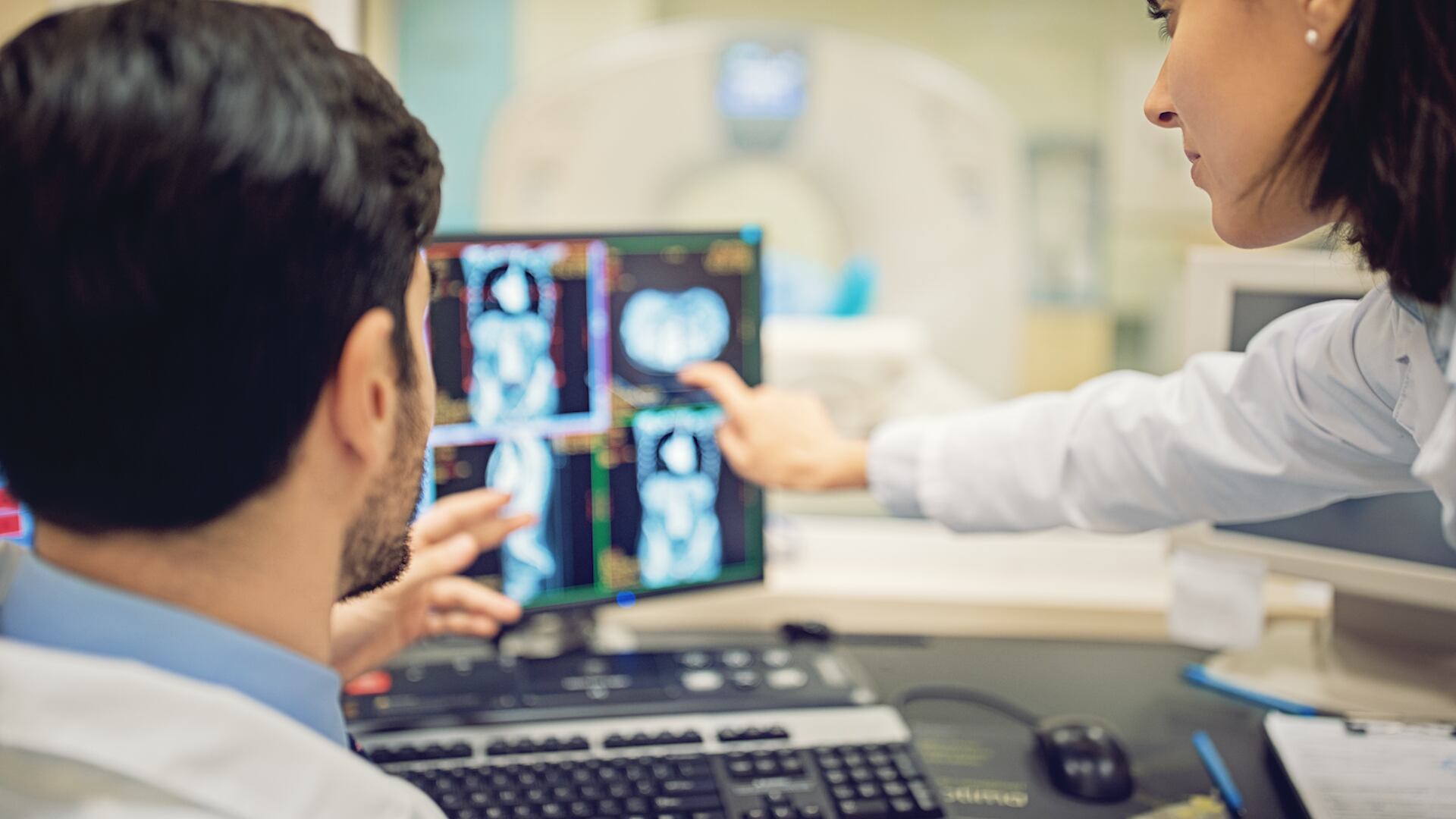
Using ants to detect cancers would be a cost-cutting tool. Currently, cancers are diagnosed by blood withdrawal, biopsies, and colonoscopies, which are all considered invasive as well as being expensive procedures. Utilizing ants to screen for cancer would be significantly more reasonable.
While dogs have similar capabilities in that they are able to detect cancer in humans through smell, they take much longer to train. Baptiste Piqueret, a postdoctoral fellow at the Max Planck Institute for Chemical Ecology in Germany, said ants would be the ideal animal to use because they have good memories, are easy to train and don't bite.
Though progress has been made with ants and their cancer detection capabilities, there is still more research to be done on their efficacy. The next phase of the study will be human trials to see if ants are able to sniff out cancers through human excrement.
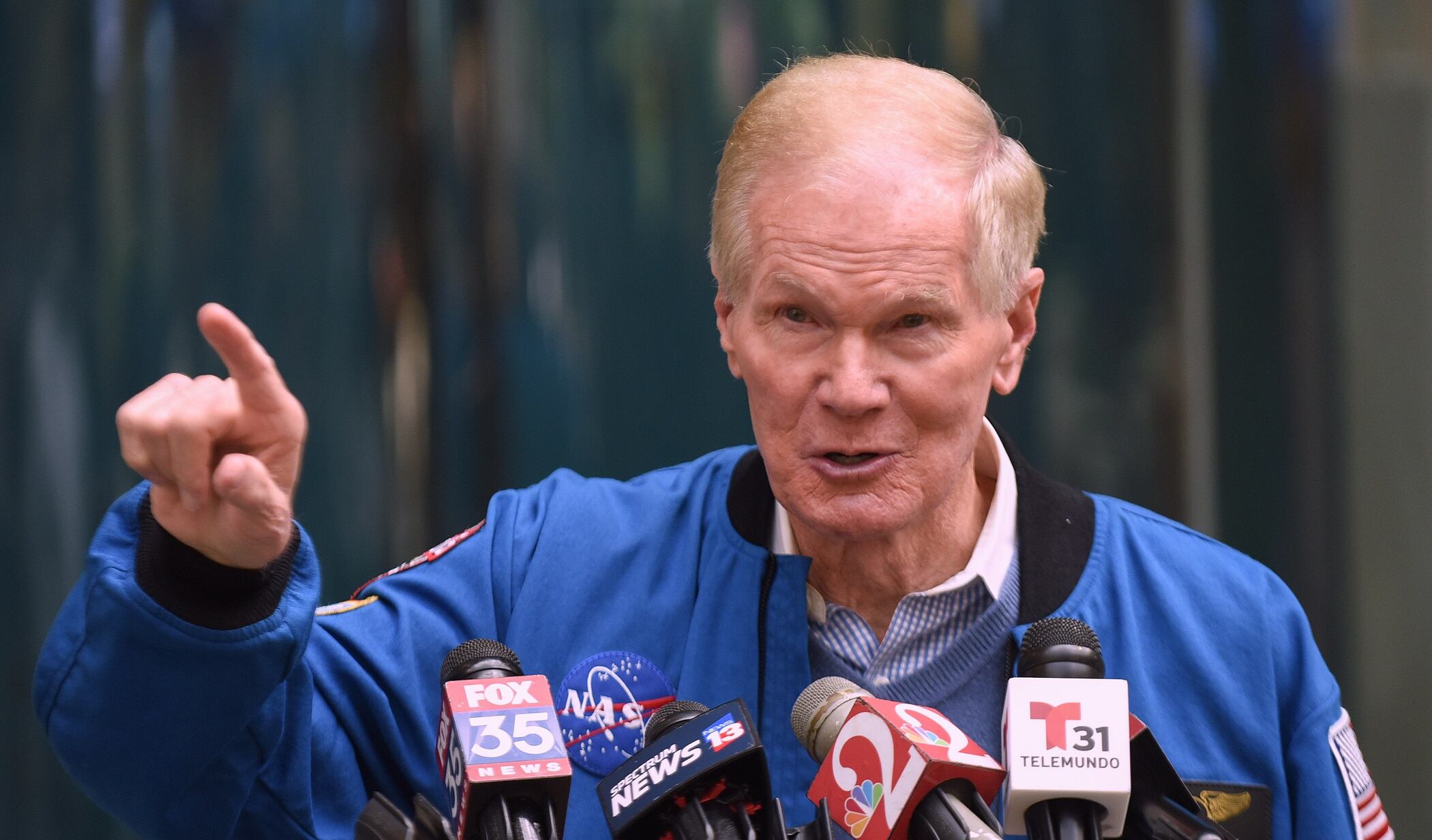
Cheddar's J.D. Durkin caught up with the head of NASA Bill Nelson, a former senator, who feels one thing that seems less rancorous on Capitol Hill these days is the work of the space agency.
Catching you up on what you need to know on April 22, 2022, with updates on a new Ukraine aid package, a new missile test by Russia, DOJ announcement of $150 Million in COVID-related fraud, the Florida senate supports Gov. DeSantis in stripping Disney of its special tax district, and more.
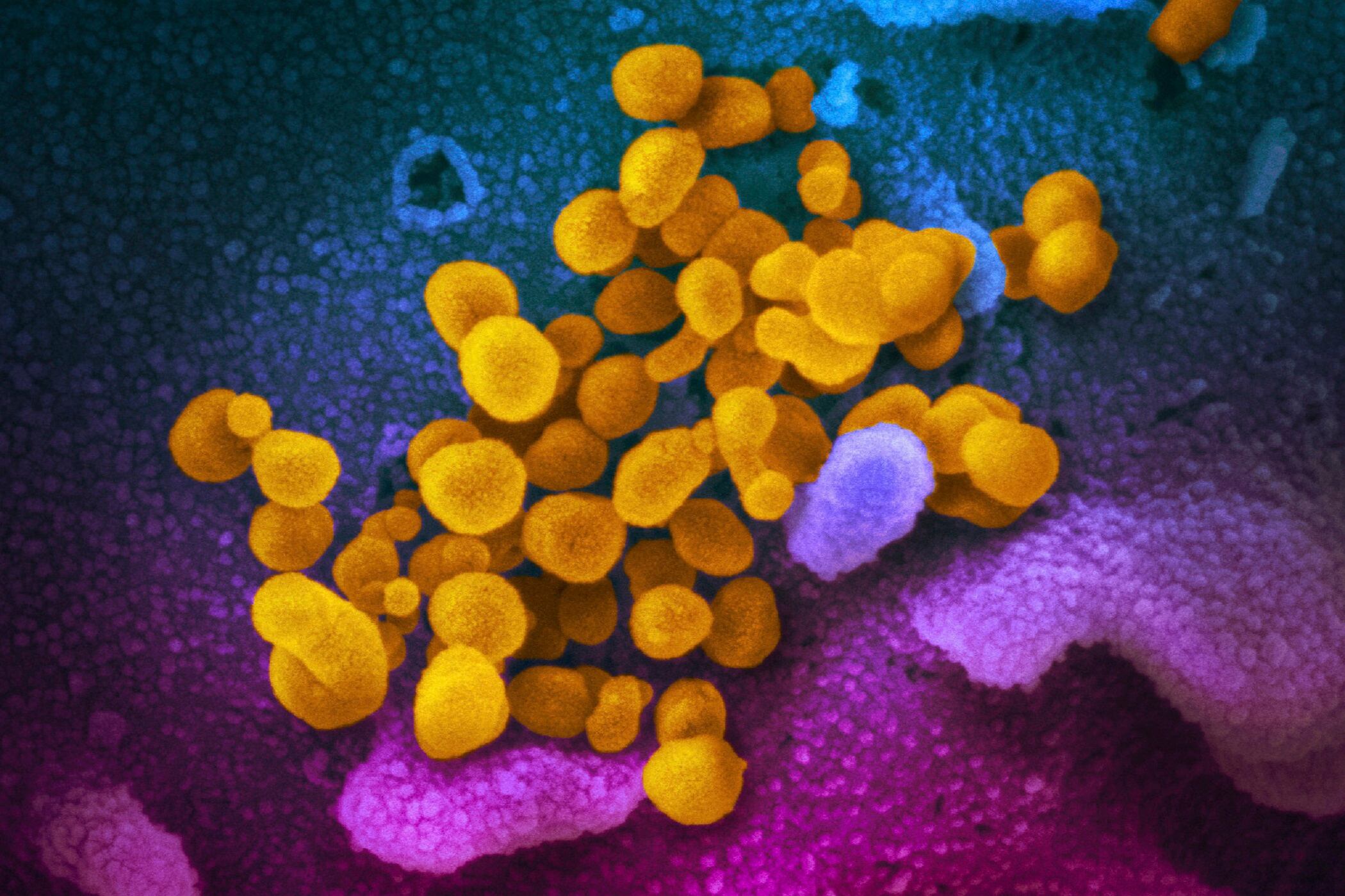
Scientists say a U.K. patient with a severely weakened immune system had COVID-19 for almost a year and a half. The case underscores the importance of protecting vulnerable people from the coronavirus.
Cheddar's Lawrence Banton speaks with entrepreneurs leading the way on textile and clothing recycling in an effort to help stem waste in fashion amid the climate crisis.
The FDA just approved a first-of-its-kind treatment for individuals with blood cancer that has proven results of 5-year survival rates. Christi Shaw, CEO of Kite, a Gilead company, joins Cheddar Innovates to discuss how this treatment works and compares to others currently on the market.
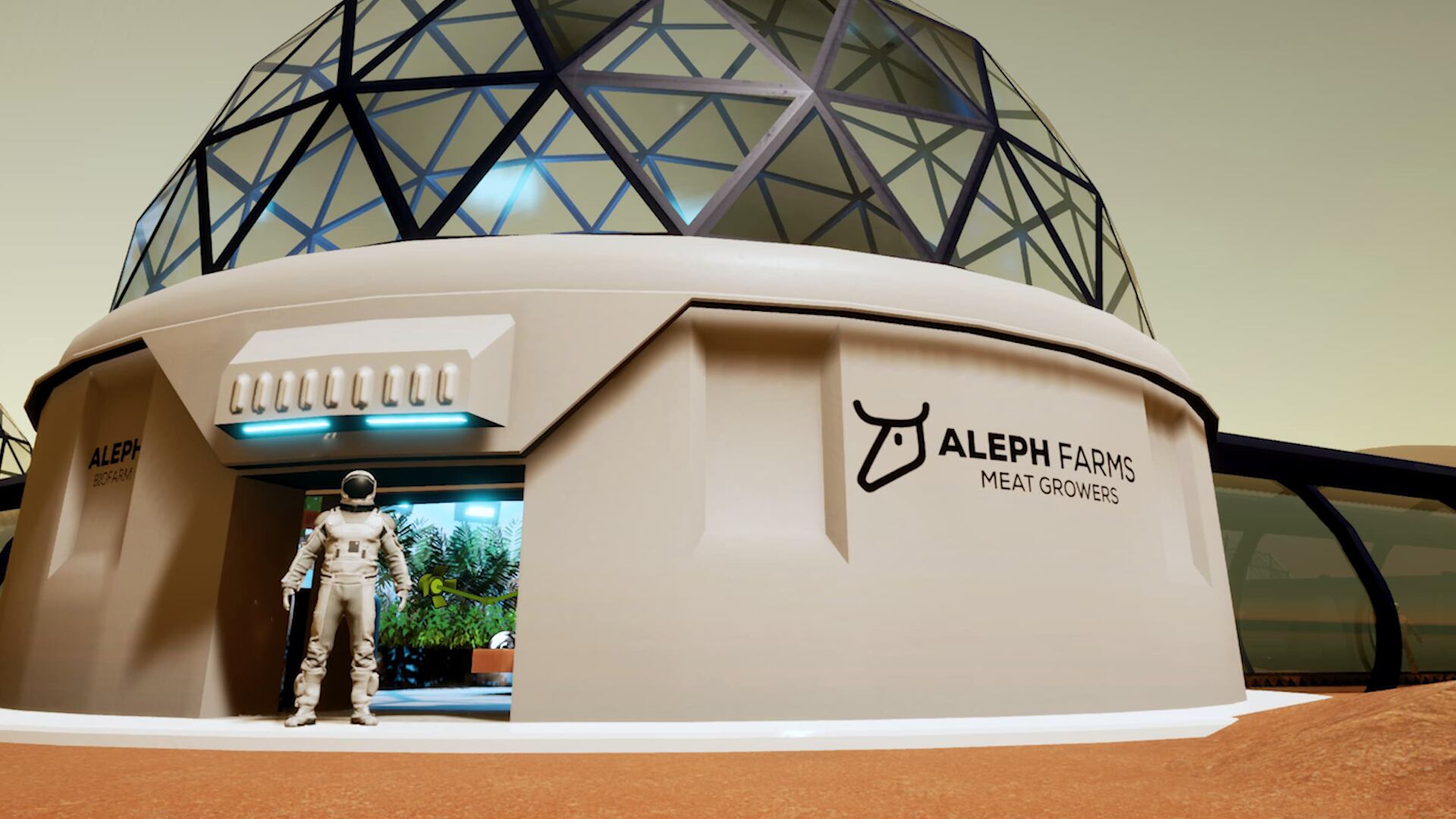
Dr. Neta Lavon, CTO and VP of R&D at Aleph Farms, joins Cheddar Innovates to discuss how the team sent cow cells to space to further research the production of meat in space, and why developing cultivated meat is so critical to the future of space travel.
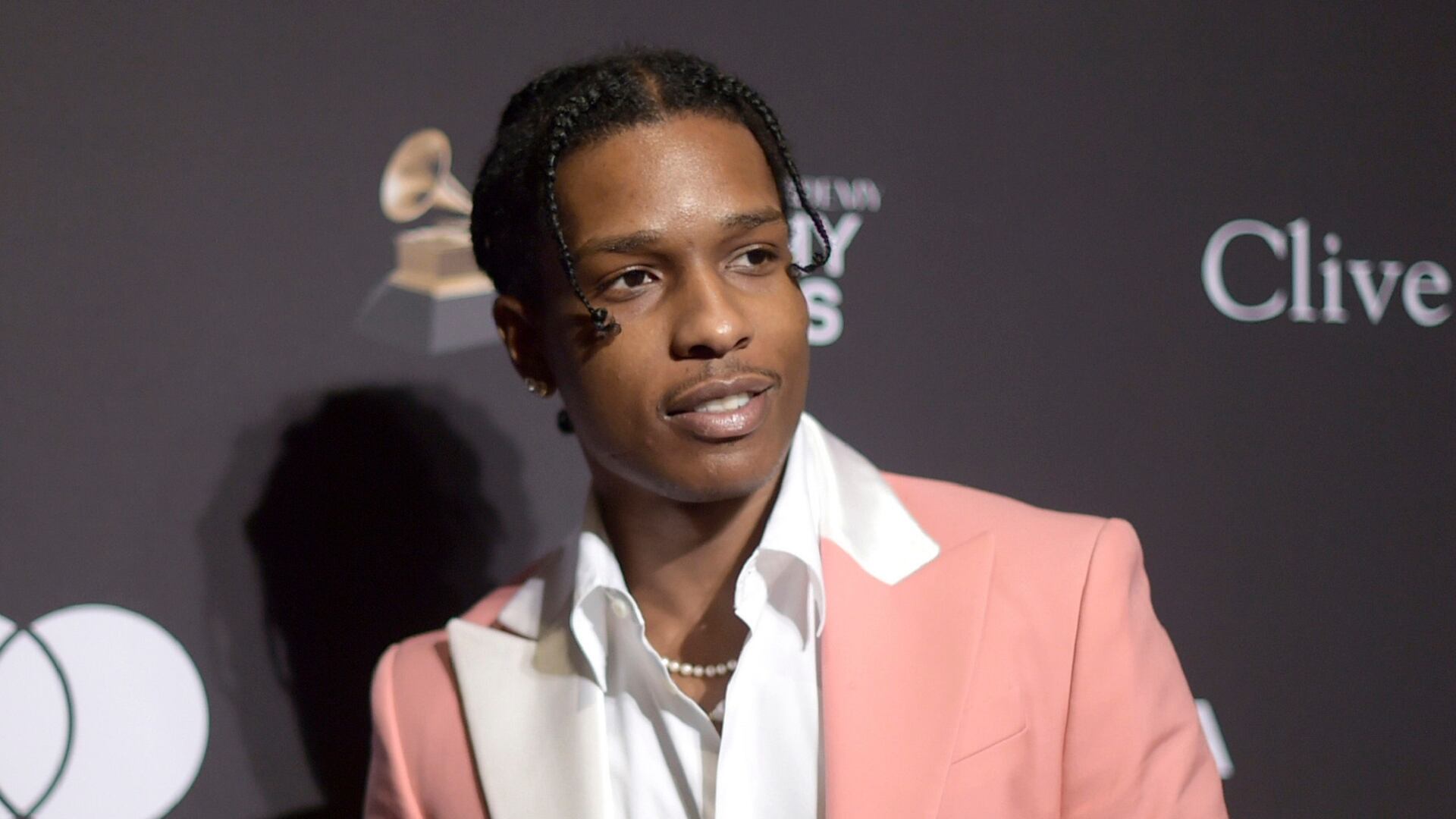
Catching you up on what you need to know on April 21, 2022, with President Biden set to announce more security assistance funding to Ukraine, polls showing a majority of Americans in favor of transit mask mandates, rapper A$AP Rocky's arrest, and more.
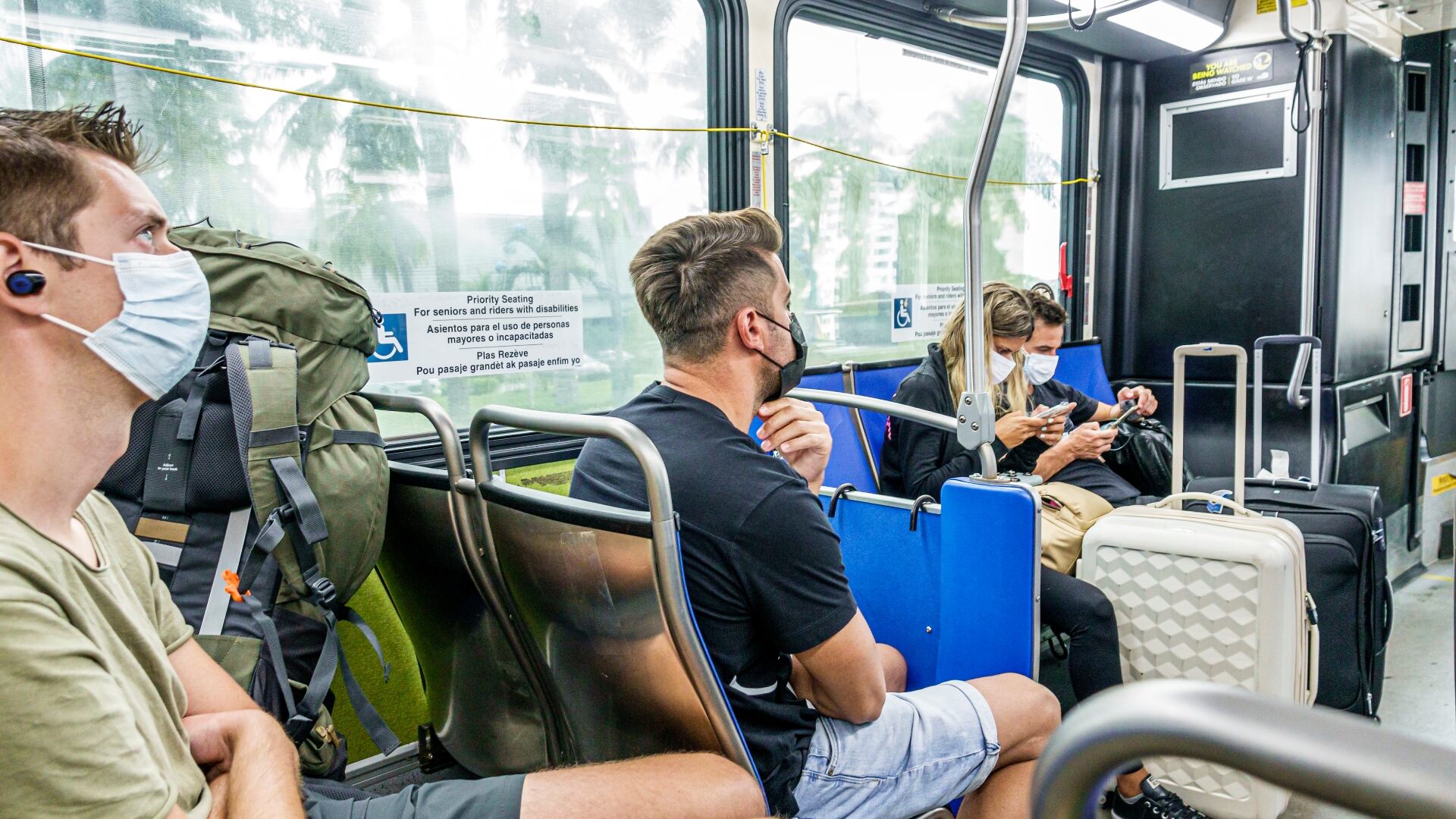
Epidemiologist Dr. Eric Feigl-Ding joined Closing Bell to explain why ending the travel mask mandates could put the U.S. in a bad position in the coming months as new COVID-19 variants threaten to cause another spike in cases.
Laurence Tribe, a professor of constitutional law at Harvard University, joined Cheddar News to talk about the legal underpinnings of the ruling to lift the federal travel mask mandate. "Judge Mizelle decided that she would issue a nationwide injunction, which she and other conservatives have criticized in the past," he said. "That didn't stop her from doing it this time. She did it by just wiping away the CDC's rule, and she did it, have to say, in an opinion that was, well, I'll be honest, really stupid."