Ants could be the next line of defense against cancer.
A study published in the journal Proceedings of Royal Society B: Biological Sciences focused on Ants and their keen sense of smell. Ants use smell via their thin sensory appendages that sit on top of their heads to do almost everything, including hunt for food, spotting mates, and protecting their young.
In the study, scientists used pieces of a breast cancer tumor, which were grafted onto mice, and then trained 35 ants to associate urine from the infected mice with sugar. In analyzing, scientists detected that the ants would hover for longer periods of time near the sick mouse rather than the healthy one.
Using ants to detect cancers would be a cost-cutting tool. Currently, cancers are diagnosed by blood withdrawal, biopsies, and colonoscopies, which are all considered invasive as well as being expensive procedures. Utilizing ants to screen for cancer would be significantly more reasonable.
While dogs have similar capabilities in that they are able to detect cancer in humans through smell, they take much longer to train. Baptiste Piqueret, a postdoctoral fellow at the Max Planck Institute for Chemical Ecology in Germany, said ants would be the ideal animal to use because they have good memories, are easy to train and don't bite.
Though progress has been made with ants and their cancer detection capabilities, there is still more research to be done on their efficacy. The next phase of the study will be human trials to see if ants are able to sniff out cancers through human excrement.
President Biden's self-imposed deadline of making booster vaccines available for all Americans is today, but with the U.S. Food and Drug Administration only approving the boosters for senior citizens, it doesn't look like he can make that deadline. The nation's top infectious disease expert Dr. Anthony Fauci defended both positions, saying that the deadline was more of a placeholder and that he also stands by the FDA's decision.
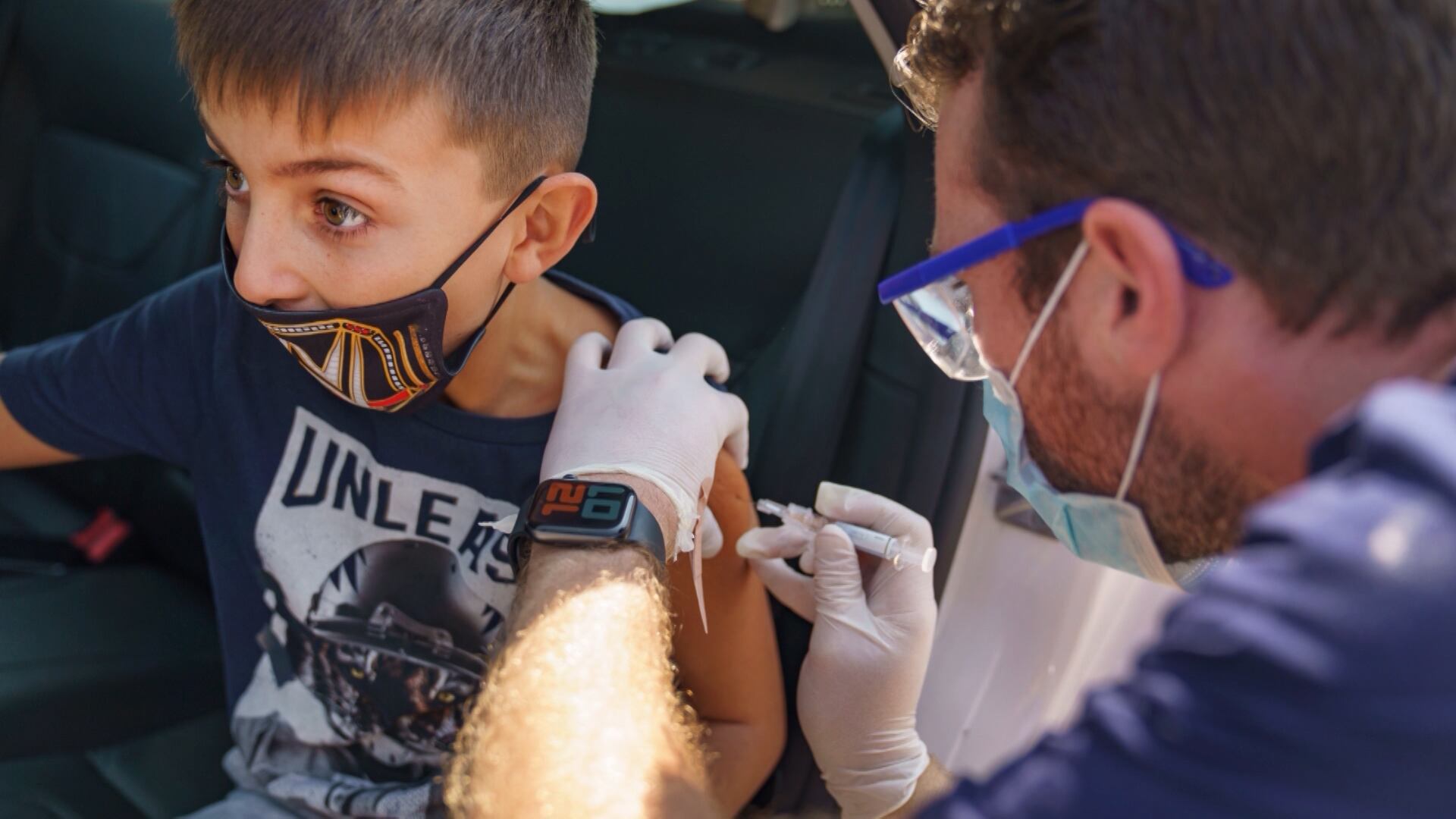
Dr. Jen Caudle, family physician and associate professor at Rowan University, joined Cheddar's Opening Bell to discuss more on the booster shot and Pfizer's vaccine for young kids.
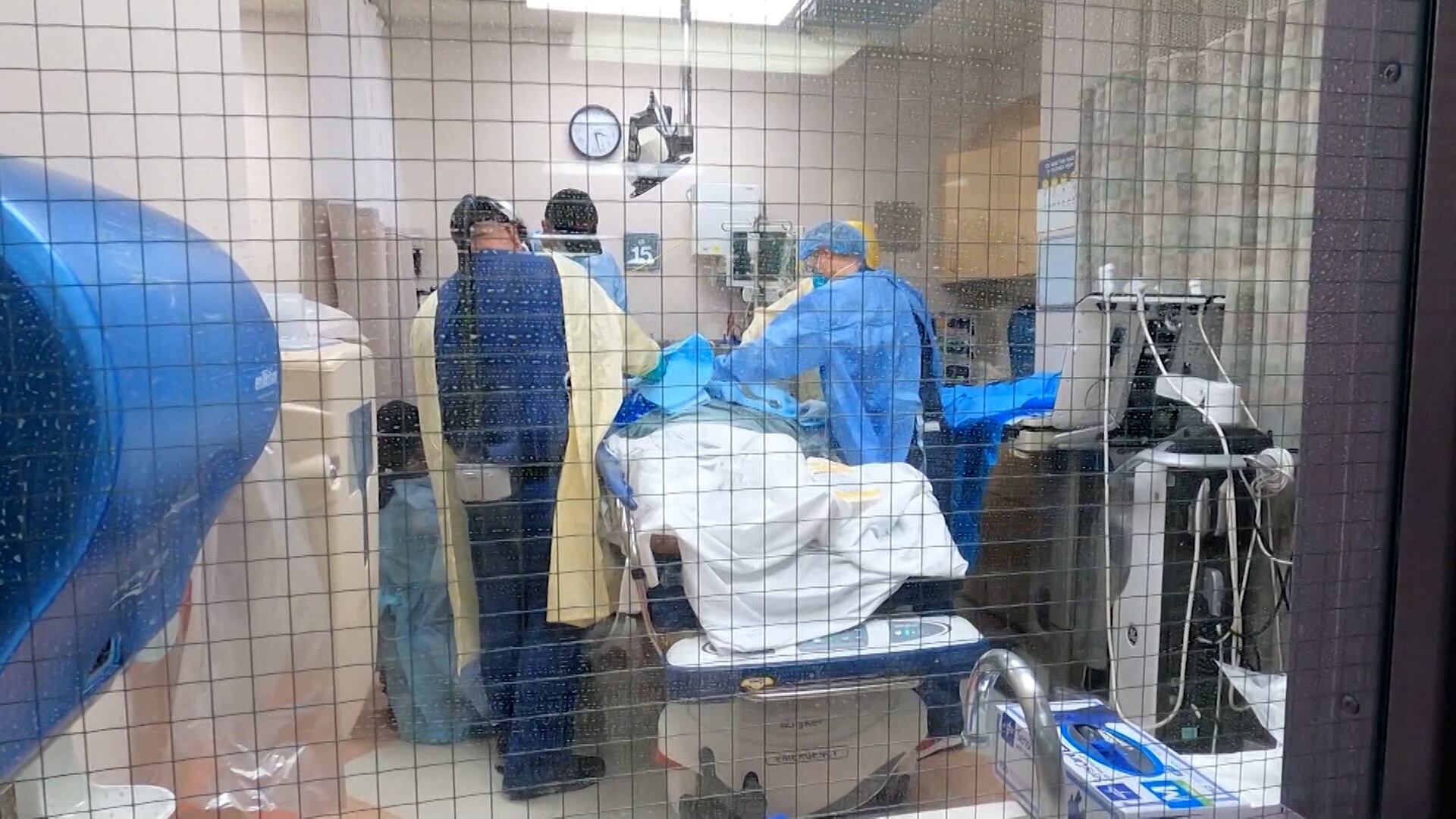
26 states have now fully vaccinated more than half of their population with Vermont, Connecticut, and Massachusetts fully vaccinating at least two-thirds of their residents. These three states are among the ones with the lowest new Covid-19 cases per capita, but in states with low vaccination rates, hospitals are filling up again.
Dr. Rob Davidson, ER doctor and executive director of Committee to Protect Health Care, joined Cheddar's Opening Bell to discuss more.
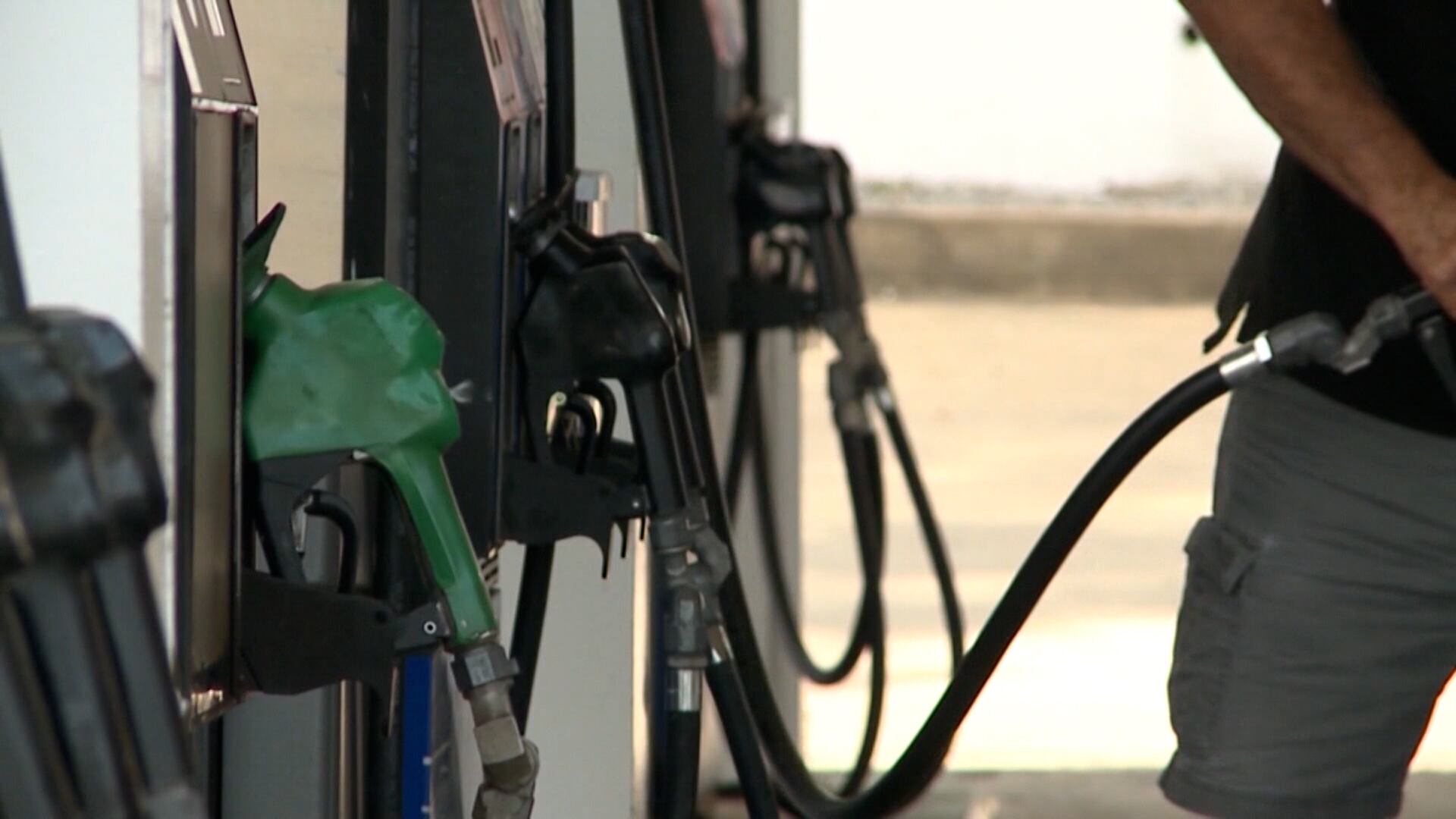
Gas prices are expected to rise ahead of Labor Day weekend, with millions of people hitting the road and Hurricane Ida disrupting the nation's oil and gas industries. Chris Williams, CEO of CW Petroleum Corp, joined Cheddar to discuss the rise and fall of gas prices, plus what his company plans to do to adapt to the uptick in electric vehicles.