Ants could be the next line of defense against cancer.
A study published in the journal Proceedings of Royal Society B: Biological Sciences focused on Ants and their keen sense of smell. Ants use smell via their thin sensory appendages that sit on top of their heads to do almost everything, including hunt for food, spotting mates, and protecting their young.
In the study, scientists used pieces of a breast cancer tumor, which were grafted onto mice, and then trained 35 ants to associate urine from the infected mice with sugar. In analyzing, scientists detected that the ants would hover for longer periods of time near the sick mouse rather than the healthy one.
Using ants to detect cancers would be a cost-cutting tool. Currently, cancers are diagnosed by blood withdrawal, biopsies, and colonoscopies, which are all considered invasive as well as being expensive procedures. Utilizing ants to screen for cancer would be significantly more reasonable.
While dogs have similar capabilities in that they are able to detect cancer in humans through smell, they take much longer to train. Baptiste Piqueret, a postdoctoral fellow at the Max Planck Institute for Chemical Ecology in Germany, said ants would be the ideal animal to use because they have good memories, are easy to train and don't bite.
Though progress has been made with ants and their cancer detection capabilities, there is still more research to be done on their efficacy. The next phase of the study will be human trials to see if ants are able to sniff out cancers through human excrement.
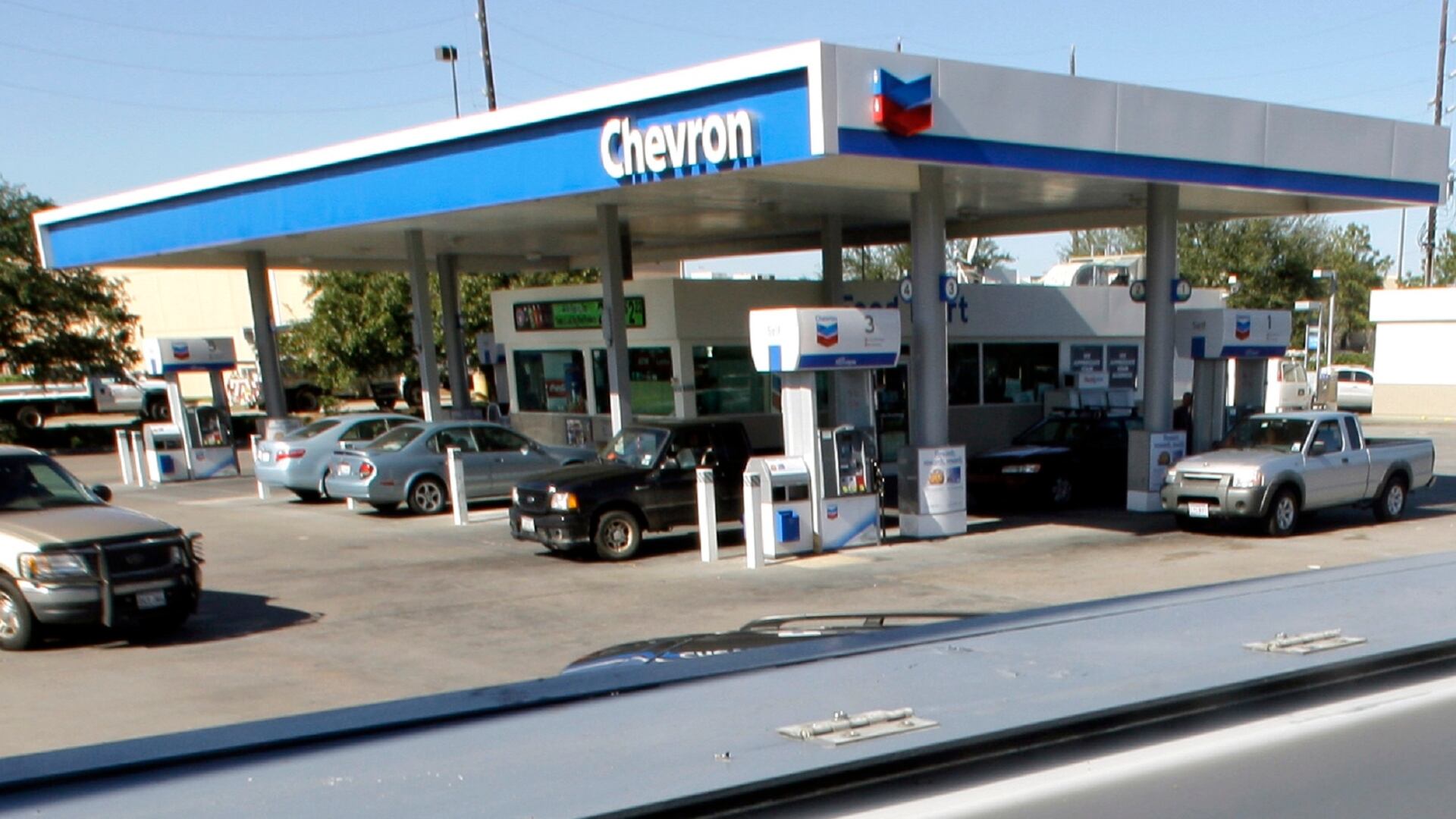
Energy company Chevron has set a goal to reduce its operational carbon footprint to net zero by 2050. However, the company has not committed to reducing emissions on its gas and oil products.
Google's users will now have extensive greener options. The updated services across platforms will allow users to look for eco-friendly routes in Google Maps, book flights with low carbon emissions, and reduce energy usage at home with Nest thermostats.
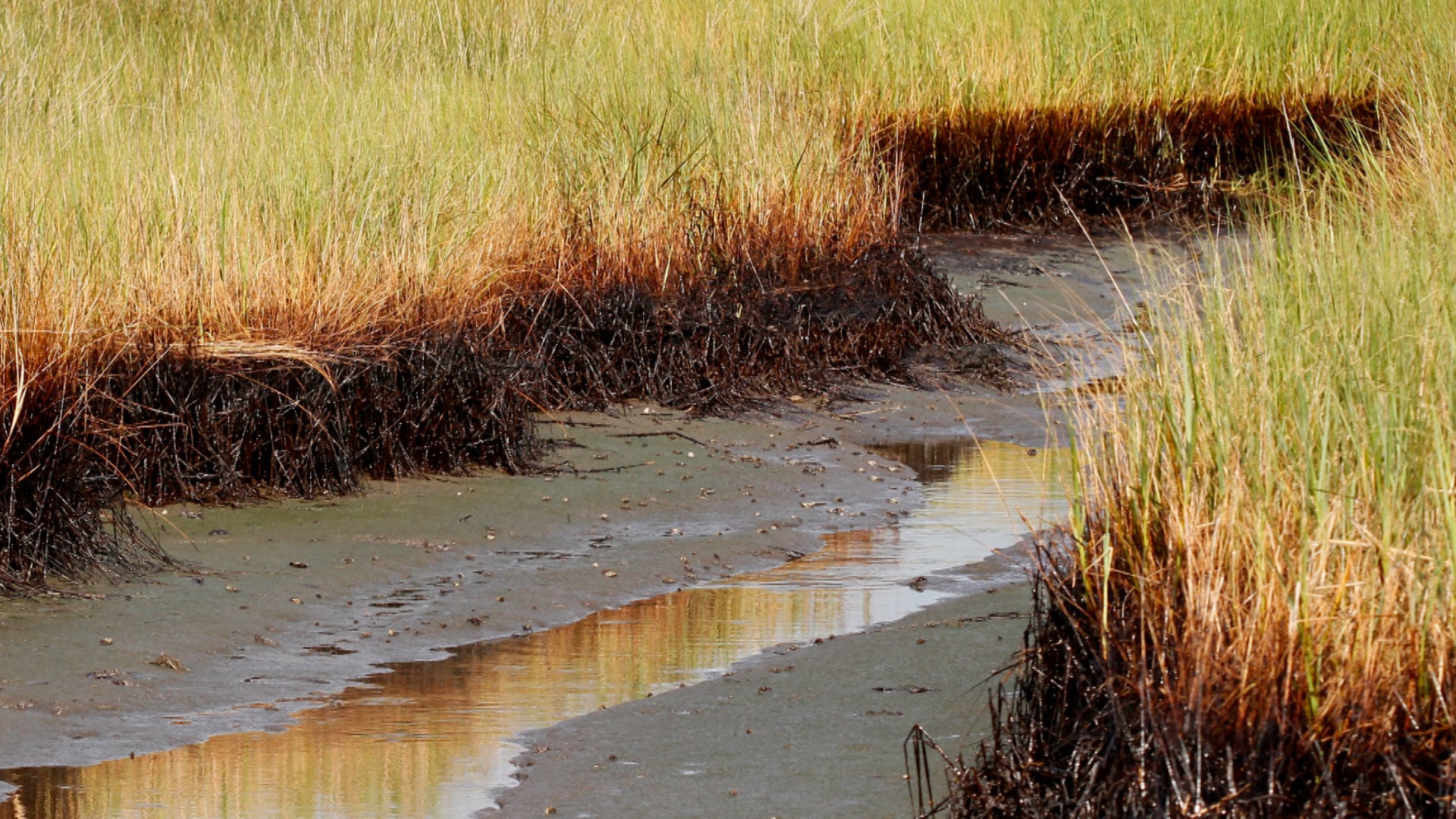
The recent California oil spill has wreaked havoc on the shores of Huntington Beach as wildlife habitats and potentially some people have been exposed to the 140,000+ gallons of oil in the ocean. Cheddar News was joined by Dr. Deborah Bronsan, President of Deborah Bronson & Associates to learn more about the environmental dangers and how the area can recover from this tragedy.
Blue Bear Capital, a venture and growth equity firm focusing on AI-powered solutions for the world’s energy, infrastructure, and climate challenges, recently announced it has raised $150 million dollars in new funding. Ernst Sack, Partner at Blue Bear Capital, joins Cheddar Climate the vision his company has when it comes to combating climate change.
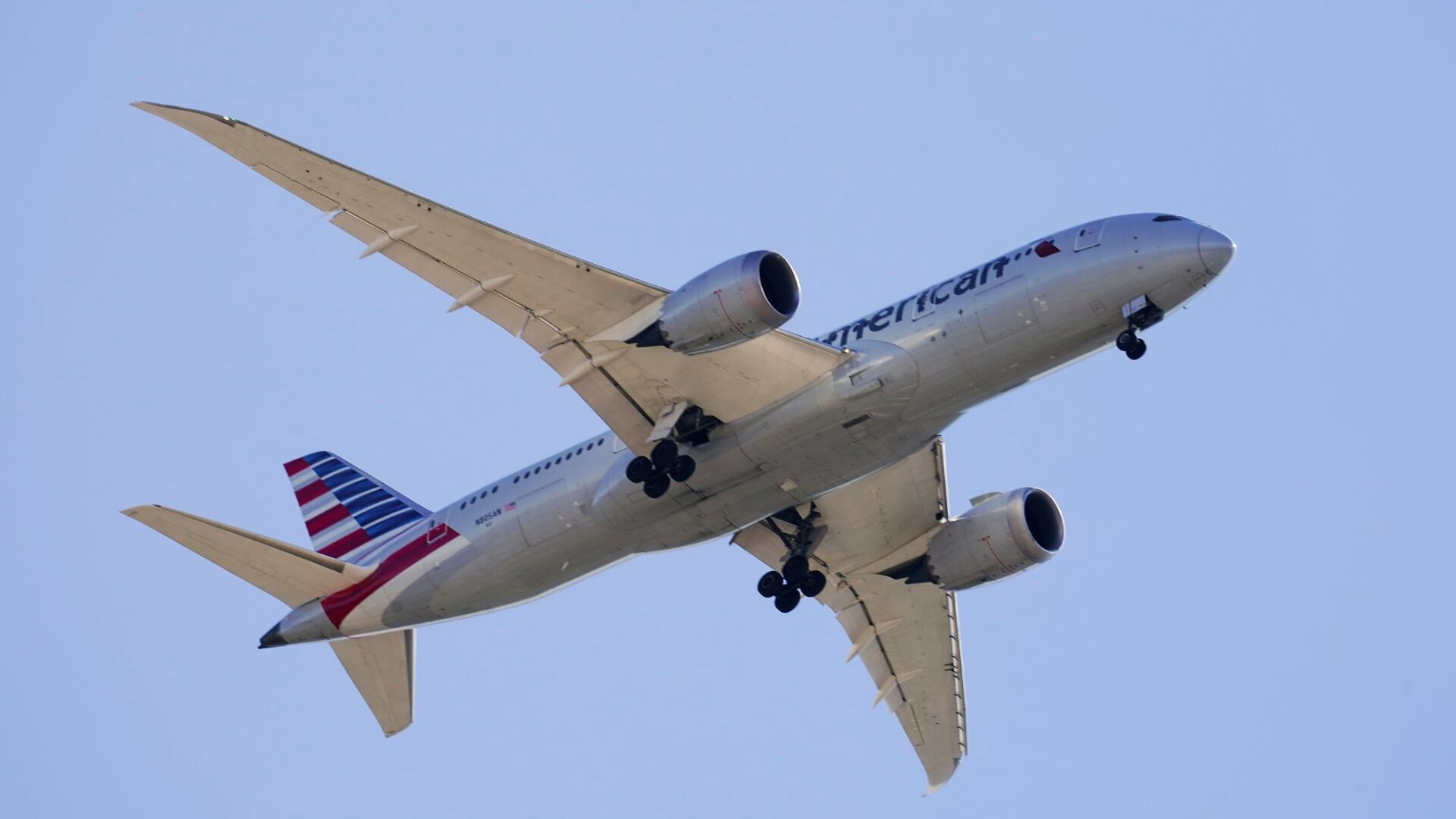
Several major carriers have followed in the steps of United Airlines and will now require its staff to be vaccinated against COVID-19. Those airlines include American, Jet Blue, and Alaskan.