How a Trade War Could Impact Employment in the U.S.
Another round of proposed tariffs, another market meltdown. That seemed to be the theme of the day...and the week.
On Friday, the Dow Industrials, the S&P 500, and the Nasdaq all fell by more than two percent, capping off another down week.
The latest declines came on the heels of President Trump saying he’s considering tariffs on an additional $100 billion worth of Chinese goods as a response to that country’s “unfair retaliation” to his initial tax proposal.
Comments from Secretary of Treasury Steve Mnuchin acknowledging the possibility of a trade war suggested that, this time, there may be real consequences to Trump’s proposal.
“This runs the risk of overplaying his hand,” said Clayton Allen, Vice President, Special Situations at Height Capital Management.
“This is a fear that’s possibly driven more by the concept of the worst possible outcome rather than by the realistic expectation of where this goes over the next three months.”
Another factor that pressured markets was the March jobs report, which showed the U.S. economy far fewer jobs last month than expected.
And if a trade war between the U.S. and China were to escalate, more jobs could be on the line, said Allen.
“Companies in the U.S. that...build things out of components shipped from China would...have a less competitive advantage if the price of those shipments goes up.”
PepsiCo's "Rolling Remembrance" American Flag Relay Puts Veteran Drivers at the Wheel to Raise Funds and Awareness for Children of Fallen Patriots Foundation
Fresh off the company’s IPO at the New York Stock Exchange Bowhead Specialty CEO Stephen Sills discusses what’s next and why some insurance rates are rising.
AAA predicts a surge in summer 2024 travel, with 44 million travelers, surpassing pre-pandemic levels. Expect more solo trips, AI use, and Taylor Swift.
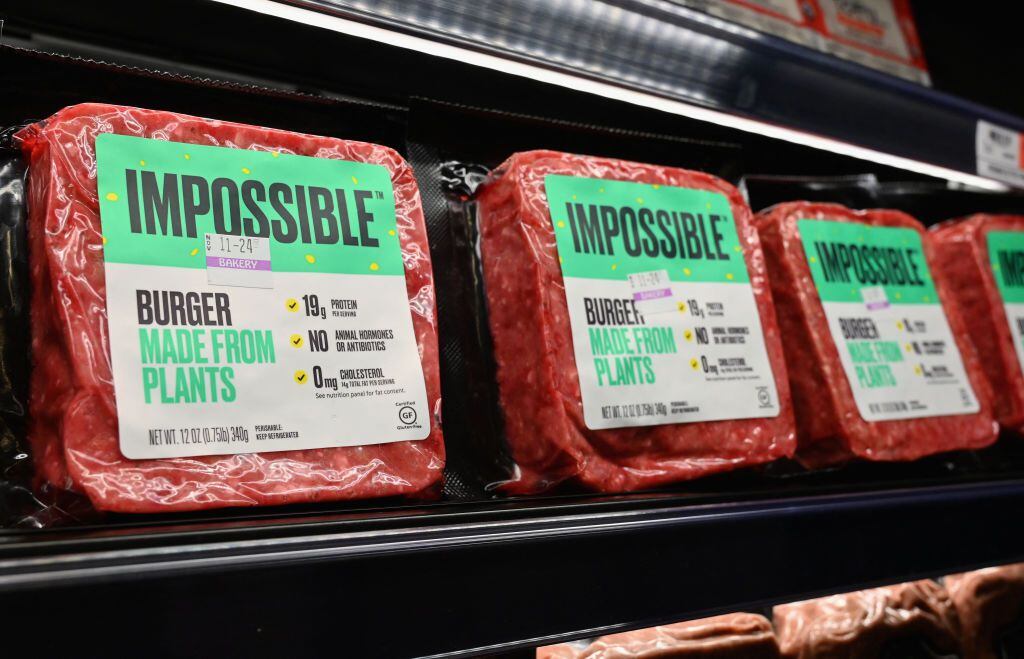
As Americans prepare for a long weekend of grilling, Impossible Foods wants to put aside the culture wars, win over meat eaters – and IPO when it's 'ready.'
In April, grocery prices rose by 1.2 percent, reaching pre-pandemic levels of food inflation. Could an e-commerce grocer be the solution? Thrive Market says yes