How a Trade War Could Impact Employment in the U.S.
Another round of proposed tariffs, another market meltdown. That seemed to be the theme of the day...and the week.
On Friday, the Dow Industrials, the S&P 500, and the Nasdaq all fell by more than two percent, capping off another down week.
The latest declines came on the heels of President Trump saying he’s considering tariffs on an additional $100 billion worth of Chinese goods as a response to that country’s “unfair retaliation” to his initial tax proposal.
Comments from Secretary of Treasury Steve Mnuchin acknowledging the possibility of a trade war suggested that, this time, there may be real consequences to Trump’s proposal.
“This runs the risk of overplaying his hand,” said Clayton Allen, Vice President, Special Situations at Height Capital Management.
“This is a fear that’s possibly driven more by the concept of the worst possible outcome rather than by the realistic expectation of where this goes over the next three months.”
Another factor that pressured markets was the March jobs report, which showed the U.S. economy far fewer jobs last month than expected.
And if a trade war between the U.S. and China were to escalate, more jobs could be on the line, said Allen.
“Companies in the U.S. that...build things out of components shipped from China would...have a less competitive advantage if the price of those shipments goes up.”
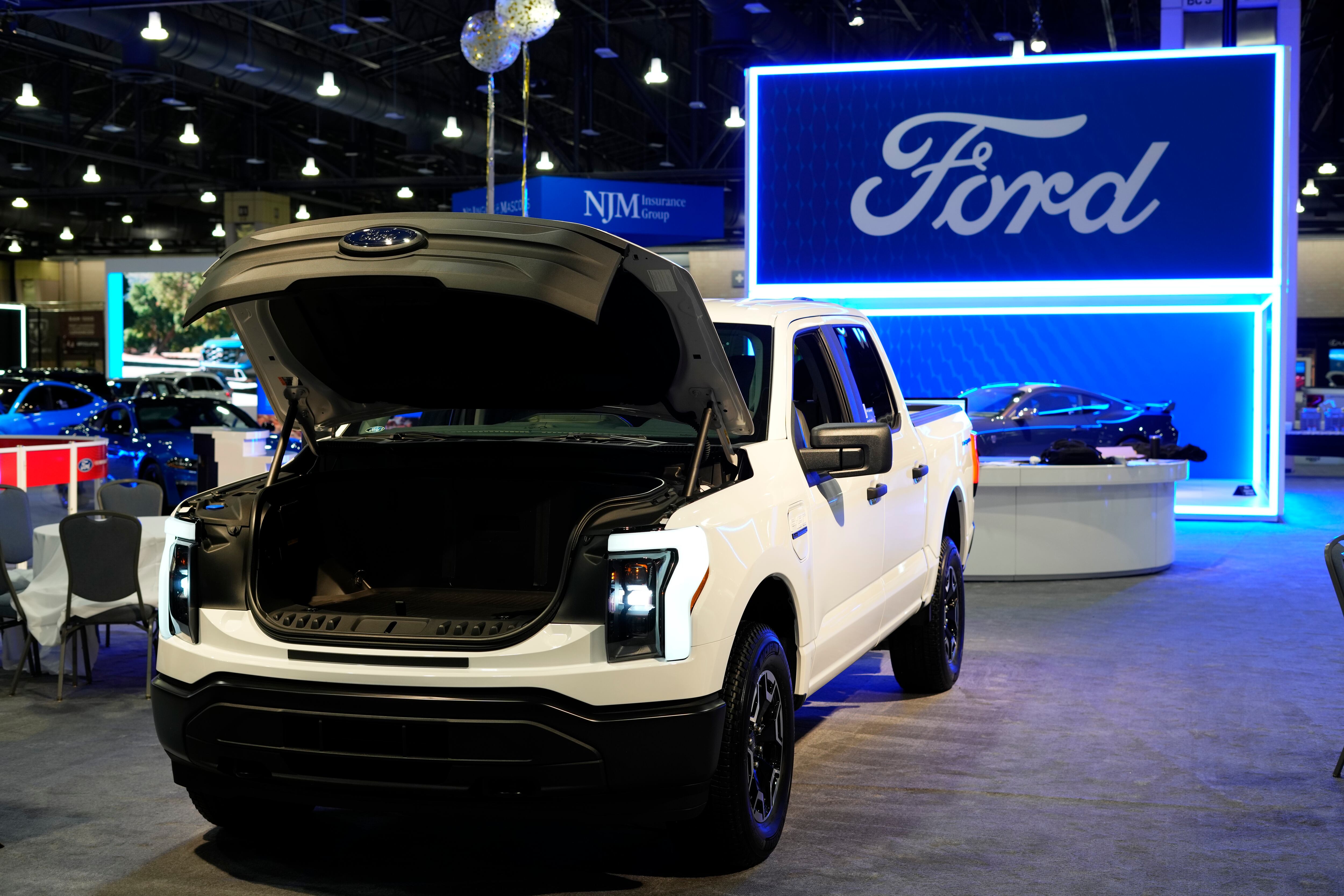
Ford says it’s reducing production of the F-150 Lightning electric pickup vehicle as it adjusts to weaker-than-expected electric vehicle sales growth. The automaker said about 1,400 workers will be impacted by the move.
Walmart Inc. is raising the starting base pay for store managers, while redesigning its bonus plan that will put more of an emphasis on profits for these leaders.
Despite concerns about shipping delays in the Red Sea, RSM Chief Economist Joe Brusuelas says there are still reasons to be optimistic about the state of the U.S. economy.
Dan Ives, Managing Director and Senior Equity Analyst at Wedbush Securities dives deeper into a report by the International Data Corporation (IDC) that Apple has ended Samsung's 12-year reign as the world's largest smartphone seller.
Artificial intelligence is the biggest buzzword at the World Economic Forum’s annual meeting in Davos. Advances in generative AI stunned the world last year, and the elite crowd is angling to take advantage of its promise and minimize its risks.
Smartphones could get much smarter this year as the next wave of artificial intelligence seeps into the devices that accompany people almost everywhere they go.
In an annual assessment of global inequalities, Oxfam International said the first trillionaire could emerge within the next decade — as the anti-poverty organization pointed to the growing wealth gap that skyrocketed globally during the pandemic.