How a Trade War Could Impact Employment in the U.S.
Another round of proposed tariffs, another market meltdown. That seemed to be the theme of the day...and the week.
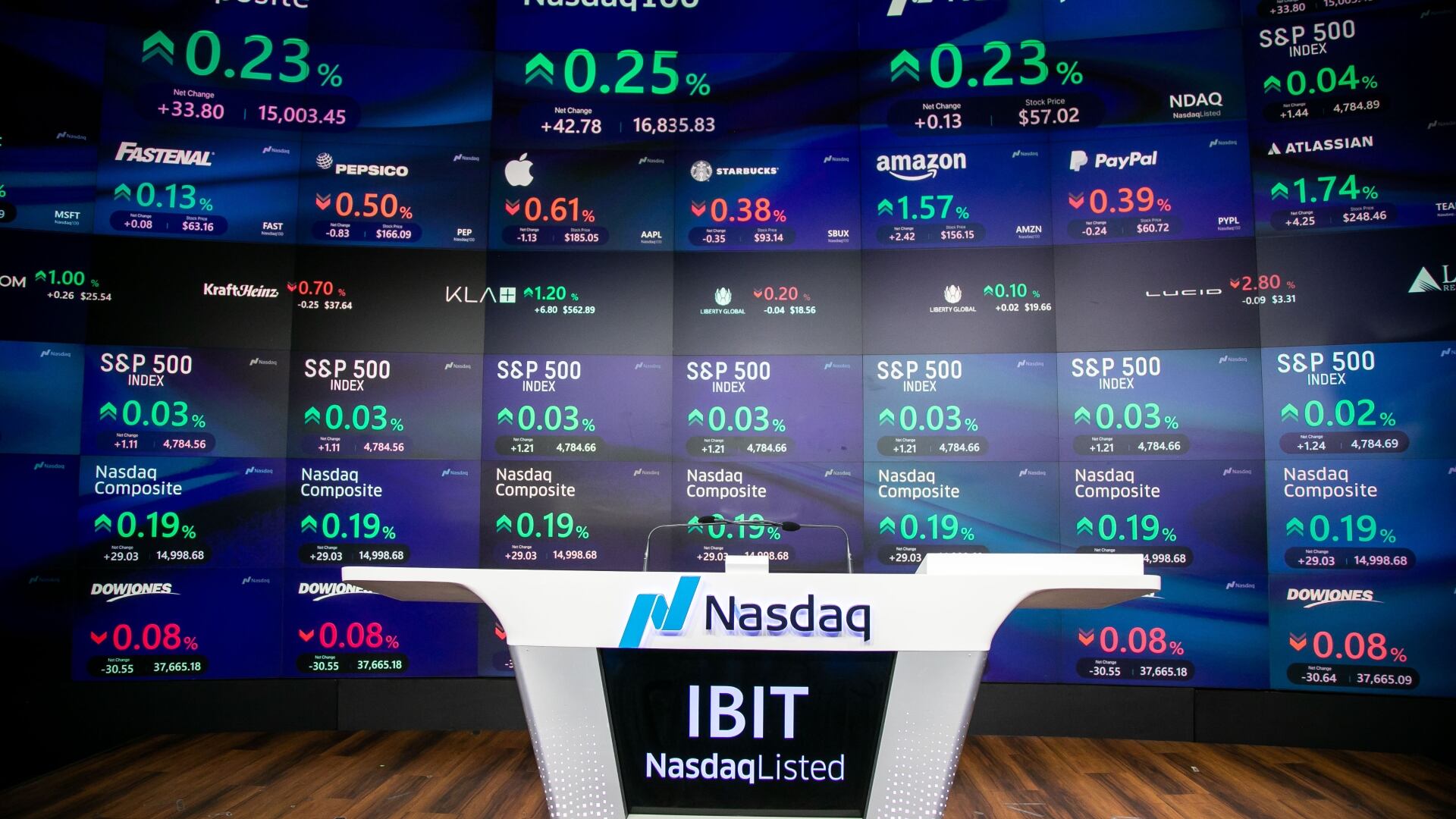
On Friday, the Dow Industrials, the S&P 500, and the Nasdaq all fell by more than two percent, capping off another down week.
The latest declines came on the heels of President Trump saying he’s considering tariffs on an additional $100 billion worth of Chinese goods as a response to that country’s “unfair retaliation” to his initial tax proposal.
Comments from Secretary of Treasury Steve Mnuchin acknowledging the possibility of a trade war suggested that, this time, there may be real consequences to Trump’s proposal.
“This runs the risk of overplaying his hand,” said Clayton Allen, Vice President, Special Situations at Height Capital Management.
“This is a fear that’s possibly driven more by the concept of the worst possible outcome rather than by the realistic expectation of where this goes over the next three months.”
Another factor that pressured markets was the March jobs report, which showed the U.S. economy far fewer jobs last month than expected.
And if a trade war between the U.S. and China were to escalate, more jobs could be on the line, said Allen.
“Companies in the U.S. that...build things out of components shipped from China would...have a less competitive advantage if the price of those shipments goes up.”
Co-founder and executive chairman of the board at Vaxxinity Lou Reese shares how the company is working to bring vaccines for chronic illnesses like heart disease and Parkinson’s to market with an eye for accessibility.
Mario Veneroso, Kingsview Asset Management Partner, weighs in on the latest economic data and whether the market is pricing in too many rate cuts for the coming year.
Apple has rolled out an update to its operating system this week with a feature called Stolen Device Protection. It makes it a lot harder for phone thieves to access key functions and settings, and users are being urged to turn it on immediately.
The U.S. economy grew at an unexpectedly brisk 3.3% annual pace from October through December as Americans showed a continued willingness to spend freely despite high interest rates and frustrating price levels.
Alan Becker, CEO and Investment Adviser Representative at Retirement Solutions Group and RSG Investments, shares his thoughts on the latest GDP data plus why he's not sold cryptocurrency as a long-term asset.
The Biden administration wants to ban another type of bank “junk fee," targeting fees that are typically charged by banks when a transaction is declined in real time.
Al Root, senior writer at Barron’s, breaks down everything expected from Tesla’s earnings report, from Elon Musk’s demands from the board to why the market has been looking for affordable EV options.