How a Trade War Could Impact Employment in the U.S.
Another round of proposed tariffs, another market meltdown. That seemed to be the theme of the day...and the week.
On Friday, the Dow Industrials, the S&P 500, and the Nasdaq all fell by more than two percent, capping off another down week.
The latest declines came on the heels of President Trump saying he’s considering tariffs on an additional $100 billion worth of Chinese goods as a response to that country’s “unfair retaliation” to his initial tax proposal.
Comments from Secretary of Treasury Steve Mnuchin acknowledging the possibility of a trade war suggested that, this time, there may be real consequences to Trump’s proposal.
“This runs the risk of overplaying his hand,” said Clayton Allen, Vice President, Special Situations at Height Capital Management.
“This is a fear that’s possibly driven more by the concept of the worst possible outcome rather than by the realistic expectation of where this goes over the next three months.”
Another factor that pressured markets was the March jobs report, which showed the U.S. economy far fewer jobs last month than expected.
And if a trade war between the U.S. and China were to escalate, more jobs could be on the line, said Allen.
“Companies in the U.S. that...build things out of components shipped from China would...have a less competitive advantage if the price of those shipments goes up.”
Rebecca Walser, founder and CEO of Walser Wealth Management, discusses how geopolitical conditions, the bifurcated economy, and other volatility could weigh on markets.
The video announcement Friday came after weeks of speculation spread on social media about her whereabouts and health since she was hospitalized in January for unspecified abdominal surgery.
Chip Giller, co-founder, and Amy Seidenwurm, Chief of Programs and Strategy at Agog: The Immersive Media Institute, discuss how the organization uses the virtual world to make real change.
Luminary founder and CEO Cate Luzio shares some of the company’s latest Women’s History Month events and why there’s so much to celebrate about women in the workplace.
WSJ reporter Ray Smith breaks down why more companies are offering ‘dry’ promotions – a responsibility or title bump with no pay raise – and the pros and cons of accepting them.
Apple says a Justice Department antitrust lawsuit accusing it of engineering an illegal monopoly in smartphones in the U.S. is “wrong on the facts and the law.”
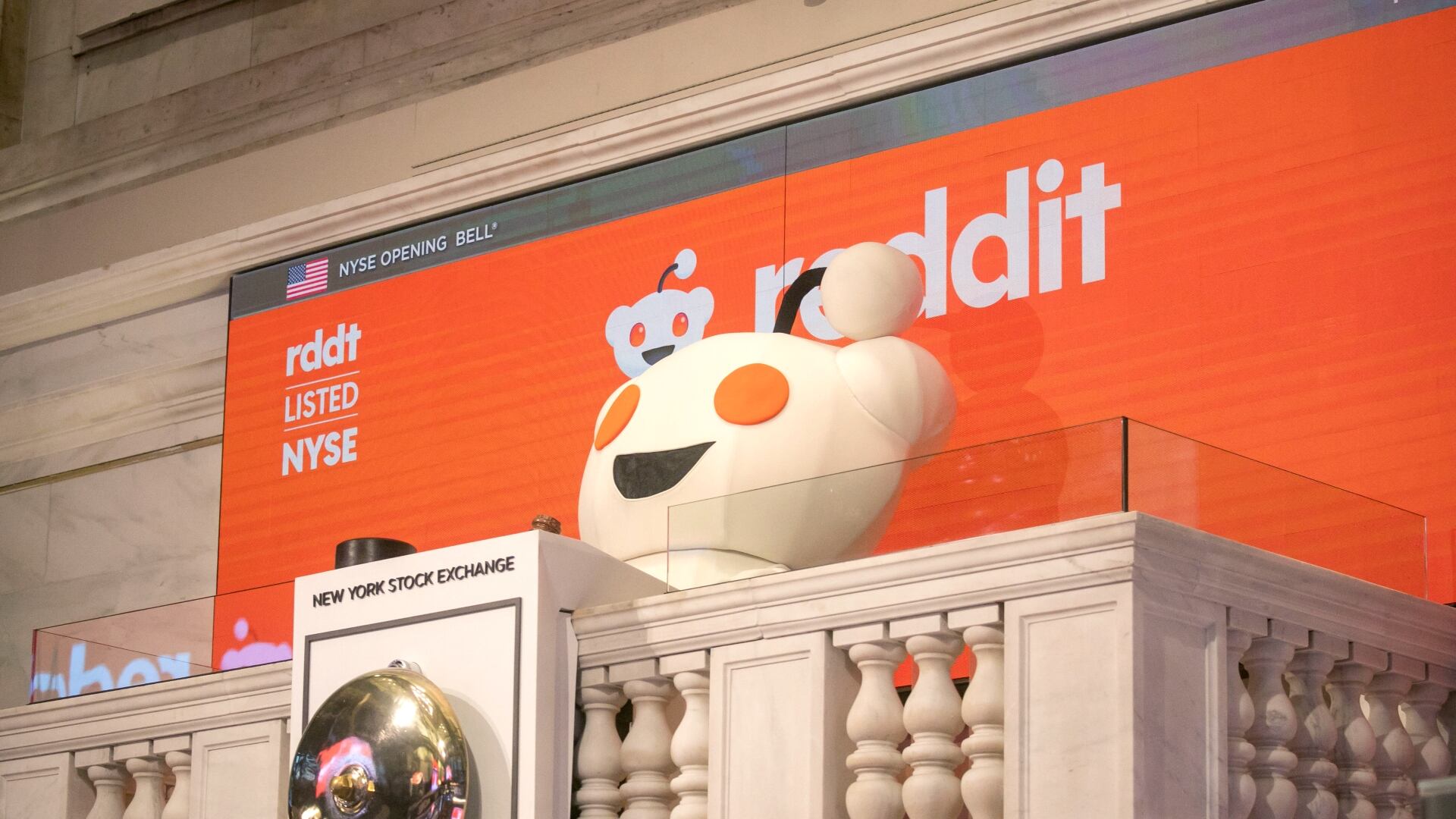
As Reddit shares begin trading at the NYSE, ‘Einstein of Wall Street’ Peter Tuchman breaks down the social platform’s debut and what it means for the overall IPO market in 2024.