A hovercraft traveling from Cape Cod to Nova Scotia became a beachside attraction when it was deliberately run aground after suffering a 3-foot tear in its skirt.
The private owner of the retired Canadian Coast Guard vessel told officials that it was not safe to operate the damaged craft, so the decision was made to land on Hampton Beach on Saturday. No one was hurt.
The massive craft, an air-cushioned vessel powered by twin fan-like propellers, was a curiosity for passersby as it rested on the beach on a rainy afternoon.
Because of the bad weather, few people were on the beach, which is usually swarmed by sunbathers during better weather, when the vessel came aground, said Hampton Police Chief Alex Reno. The craft landed near some piping plover nests, but the endangered seabirds were not disturbed by the activity, he said.
By Sunday morning, the vessel had been repaired, and the vessel departed for Portland, Maine. From there, it was to continue to Nova Scotia, Canada.
Blueprints and paper maps might soon be a thing of the past as more cities potentially turn to digital twin technology to create virtual models of urban environments. Michael Jansen, CEO of the digital twin platform CityZenith, broke down how this technology works, what it's being used for, and how it might be a game-changer for the future of urban planning.
"Our focus at CityZenith is on helping cities to decarbonize," Jansen said. "We joined the World Economic Forum recently to work in their net-zero carbon cities program. So what digital twins can do here with cities is aggregate all this complex data around that issue: transport, building emissions, etc., and scenario-ize how they interrelate and then how to optimize the entire process of decarbonizing, which is itself complex."
General Motors and Honda are teaming up to produce more affordable electric vehicles. The two carmaking giant are looking to hit a price point of less than $30,000, a much lower price when compared to most other electric vehicles priced toward luxury buyers..
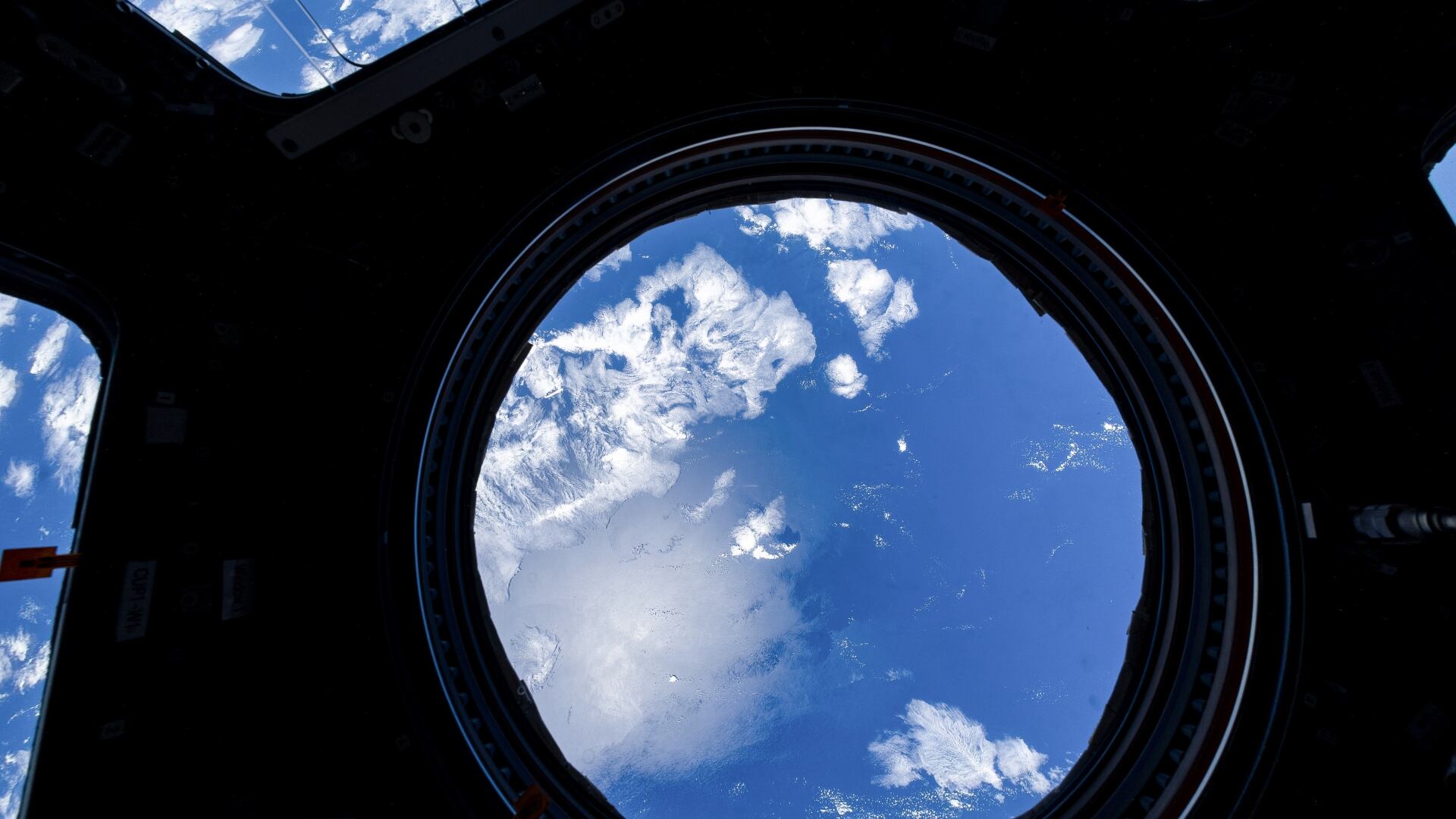
Tensions from the Russia-Ukraine war have spilled into space. The head of Russia's space agency has threatened to pull the country out of the International Space Station if sanctions aren't lifted on the country — but that doesn't seem to be happening any time soon. What would it mean if Russia really did leave the ISS, who would it harm the most, and what would the consequences be both for the other ISS partners, and private space travel? Casey Dreier, Chief Advocate & Senior Space Policy Adviser at The Planetary Society, joins Closing Bell to discuss.
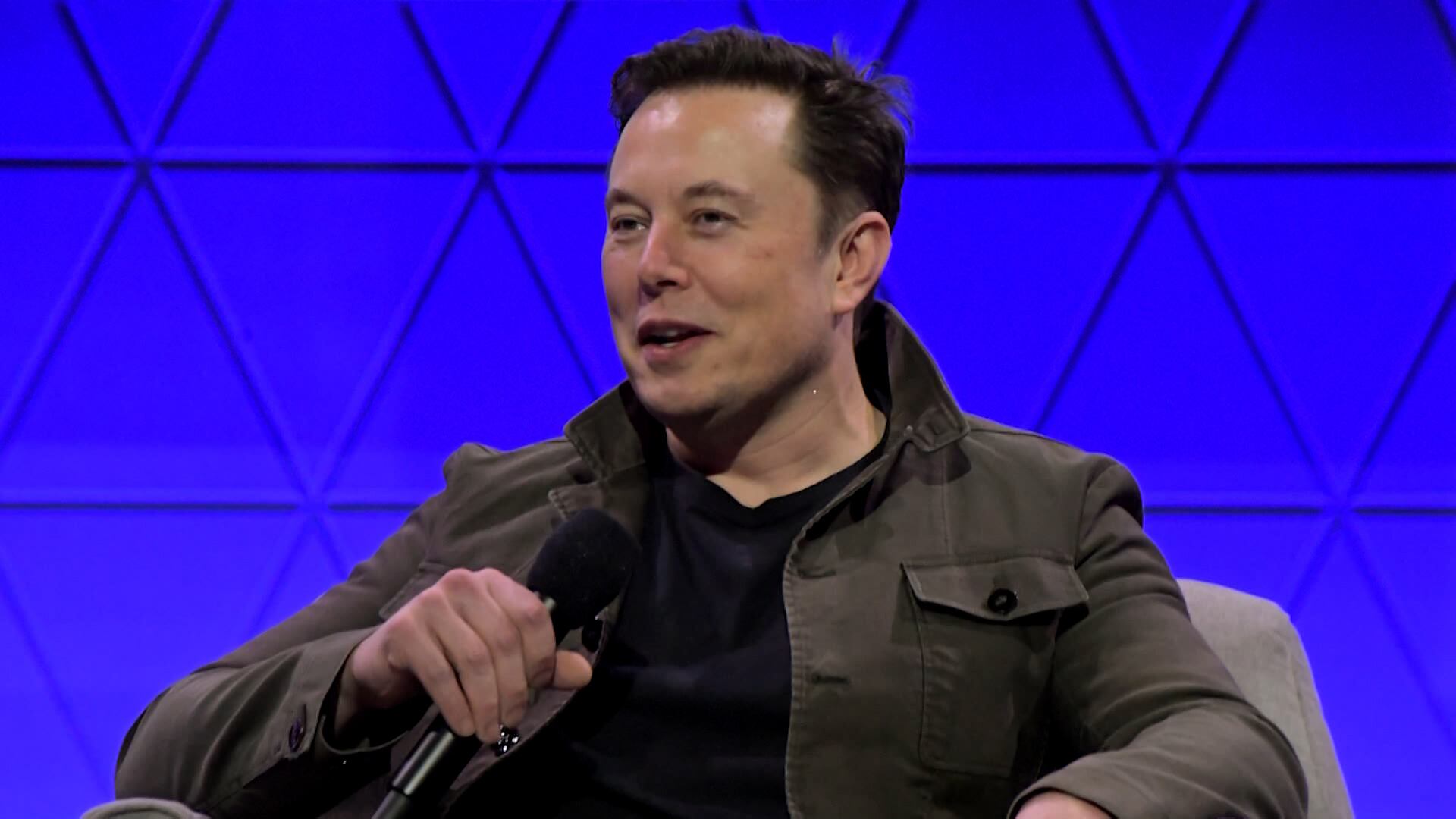
Elon Musk is set to join Twitter's board of directors. This comes shortly after the Tesla CEO purchased a 9.2% stake in Twitter, sending shares surging as much as 27% and making him the largest shareholder in the social media company. Angelo Zino, Senior Industry Analyst at CFRA Research, joined Cheddar's Opening Bell to gives his take on the social media saga.