By Farnoush Amiri

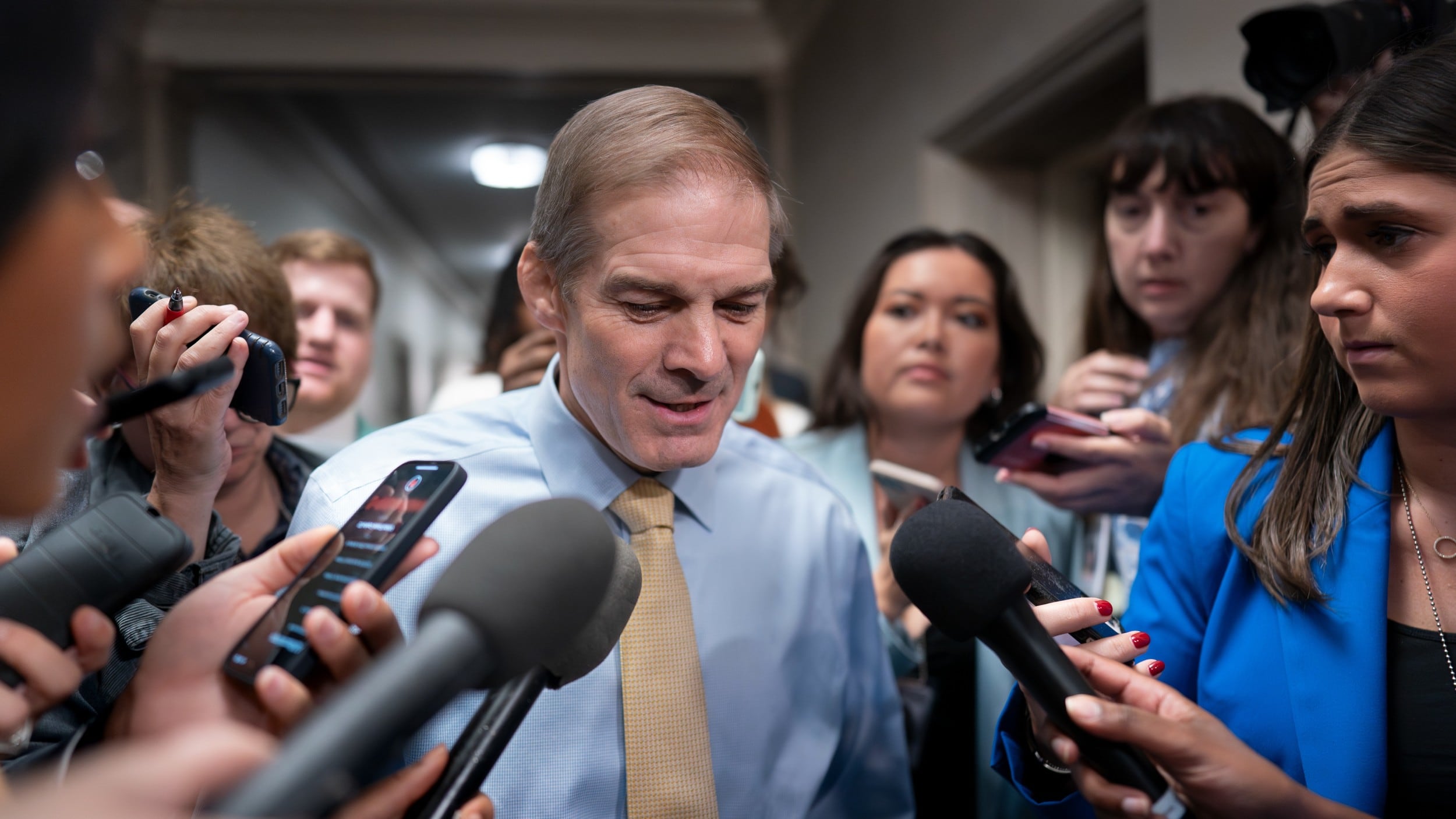
Rep. Jim Jordan faced strong opposition to his House speakership bid Tuesday as more than a dozen Republicans voted against him on a first ballot.

It's second time this Congress that the House has faced multiple rounds of voting for speaker, following the protracted struggle in January, when Kevin McCarthy won the gavel on the 15th attempt.

Twenty GOP lawmakers voted for a candidate other than Jordan, as many protested the removal of McCarthy as speaker earlier this month and the process that has unfolded to replace him.

Conservatives have been mounting an intense pressure campaign to persuade the final holdouts to support Jordan, but some of his opponents appear even more determined to stop him from becoming speaker.

Jordan will need to flip at least 16 Republicans to become speaker, as Democrats are certain to continue backing their own nominee, Leader Hakeem Jeffries of New York. Republicans currently control the House 221-212.

The House is expected to come back for a second round of voting late Tuesday.

Here's what to know ahead of more voting for speaker:

WHEN IS THE SPEAKER ELECTION? AND HOW DOES IT WORK?

The House gaveled into session Tuesday at noon to hold what would be the first of several votes to elect a speaker. It's a speaker's election unlike any other following the removal of McCarthy, R-Calif., who was suddenly and unexpectedly ousted from the post after just nine months on the job.

The speaker is normally elected every two years, in January, when the House organizes for a new session. A new election can only be held if the speaker dies, resigns or is removed from office.

Once the House was in a quorum — meaning a minimum number of members were present to proceed — each party nominated its candidate for speaker. Republicans nominated Jordan. Democrats once again nominated Jeffries and are expected to continue to vote for him in unison.

House members remained present during the speakership vote. It’s one of the few times — including for the State of the Union Address — that lawmakers are all seated in the chamber.

HOW MANY VOTES DOES IT TAKE TO ELECT A SPEAKER?

It takes a majority of the votes from House members who are present and voting to elect a speaker. There were 432 Democrats and Republicans in attendance during Tuesday's vote, with one GOP lawmaker absent. Two House seats are currently vacant. That means Jordan or any other Republican candidate needs 217 votes to win.

Once the second roll call for speaker begins, members of the House will once again call out their choices. The House will vote as many times as necessary until someone wins. Jordan made clear that he was not giving up after the first ballot.

“The House needs a speaker as soon as possible. Expect another round of votes today," Russell Dye, a spokesperson for Jordan, said in a statement. “It’s time for Republicans to come together.”

It's uncertain how many rounds it might take for Jordan to clinch the gavel, but supporters have expressed confidence that the consecutive public floor votes will force holdouts to flip their way. McCarthy narrowly won the speakership in January on the 15th round of balloting, after five excruciating days.

WHO IS SUPPORTING AND OPPOSING JORDAN?

Jordan, a darling of the party’s hardline right-wing base, still faces opposition from some members of the conference who doubt his ability to lead.

“Being speaker of the House is not being the chairman,” Rep. Mario Diaz Balart, one of the holdouts, said Friday. “Because you deal with foreign policy, you deal with the heads of state, you deal with domestic policy and you deal with security issues.”

He added, “I think there are a lot of questions about whether he can unify and lead the conference, and whether he can even lead his own people, his closest people.”

Some Republicans are upset with how the speaker's race has played out.

Rep. Steve Scalise, the majority leader, first won his colleagues' nomination for speaker on Wednesday. Jordan, who came in second, threw his support behind Scalise, stating that he would support his nomination when it came to the floor and urging the rest of the conference to do the same. But more than a dozen Republicans refused to back Scalise, leading him to withdraw a day later.

Those same members who refused to back Scalise are now Jordan's strongest base of support. They spent the weekend publicly and privately lobbying each of his critics to drop their opposition and become a “team player." They say the party’s grass-roots base pressure could prove decisive in the vote.

Other Republicans opposing Jordan's speaker bid come from swing districts and are facing tough reelection races next year.


Share:
More In Politics
Chicago Cancels School After Teachers Vote to Go Remote Over Lack of COVID Safety
After the Chicago teachers union voted to work remotely due to what they say is a lack of safety protocols amid the COVID-19 surge, the school system canceled classes on Wednesday, citing harm that remote learning has done to the city's children. Randi Weingarten, president of the American Federation of Teachers, joined Cheddar to discuss the issues surrounding the latest dispute between educators and schools. She said that the return to in-person learning would likely be halted until more COVID tests could be provided for districts. "This is a terrible situation for everybody, and we need the testing, and we need the masks," she said. "It's the omicron surge that has created this disruption, and we are trying to do the best we can. And this is the only school district that has this kind of action right now." The teachers might not be returning to their schools for at least two weeks amid the ongoing tensions.
White House Devotes $1 Billion To Independent Meat and Poultry Producers
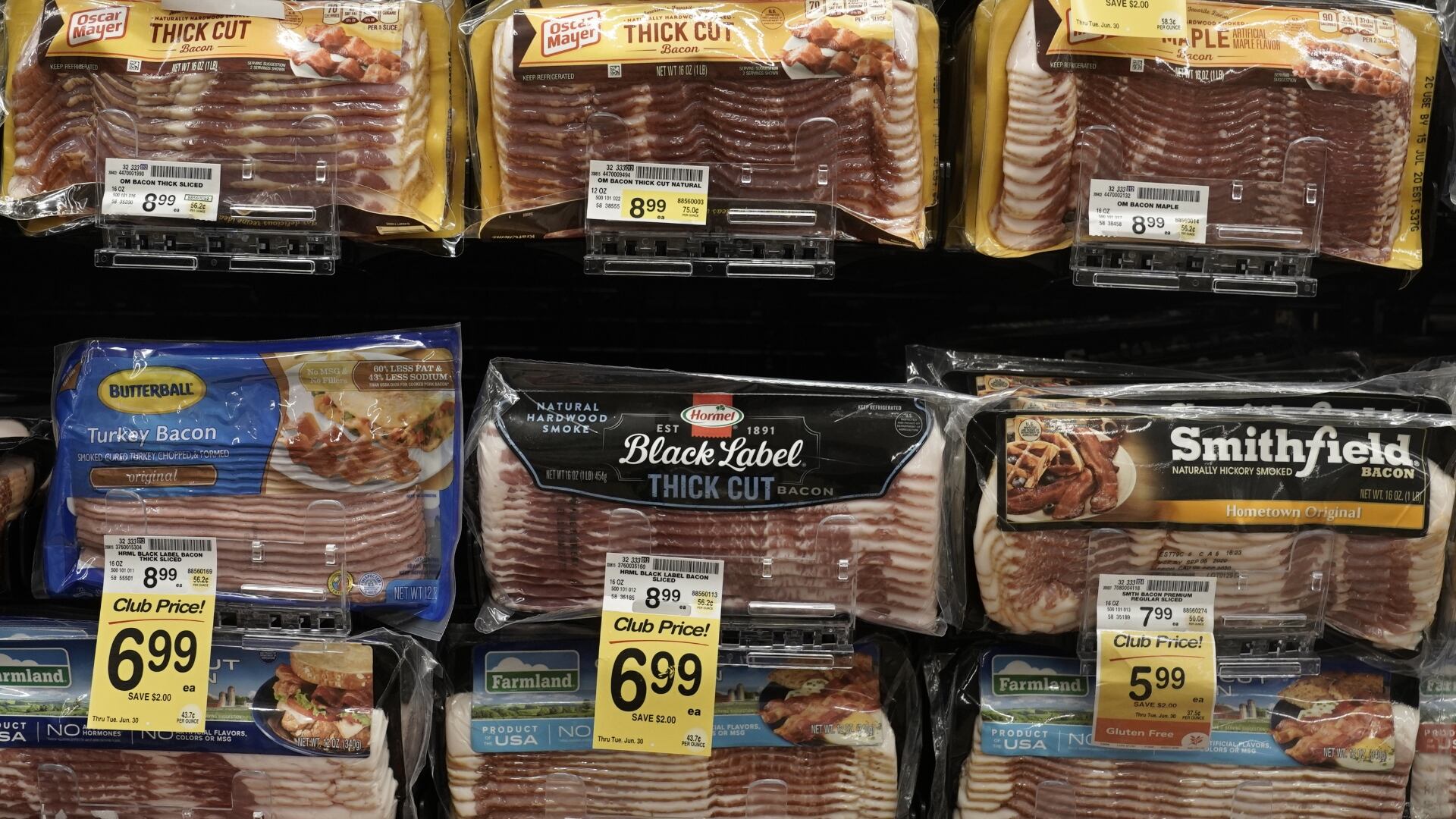
On Monday, President Biden announced his new plan to take on inflation by taking down the big meat monopolies - turning to the federal government's antitrust authorities to investigate the major meatpackers that control a significant share of the market. The White House plans to devote one billion dollars to aiding independent meat and poultry producers in an effort to undercut the few powerful meat producers that have control of the sector. Austin Frerick, deputy director of Thurman Arnold Project at Yale, joins Cheddar News to discuss.
430,000 New Businesses Launched in November
As the pandemic drags on, so does the widespread great resignation. In November alone, 4.5 million Americans quit their jobs, marking a new record high, and showing a 9 percent jump from the month prior. On the flip side, the number of people filing tax paperwork to start new businesses is surging, with over 430,000 new businesses launching in November. Rhett Buttle, the founder of Public Private Strategies and national business advisor to the Biden for President campaign, joined Wake Up with Cheddar to discuss.
New York Attorney General Issues Subpoenas to Trump Children
New York Attorney General Letitia James is ramping up a civil investigation into The Trump Organization. The AG's office has subpoenaed Ivanka Trump and Donald Trump Jr. They have refused to comply with the subpoenas. Bradley Moss, national security attorney, joins Cheddar News to discuss the next steps in this investigation.
Colorado Gov. Polis Reduces Truck Driver Sentence To 10 Years
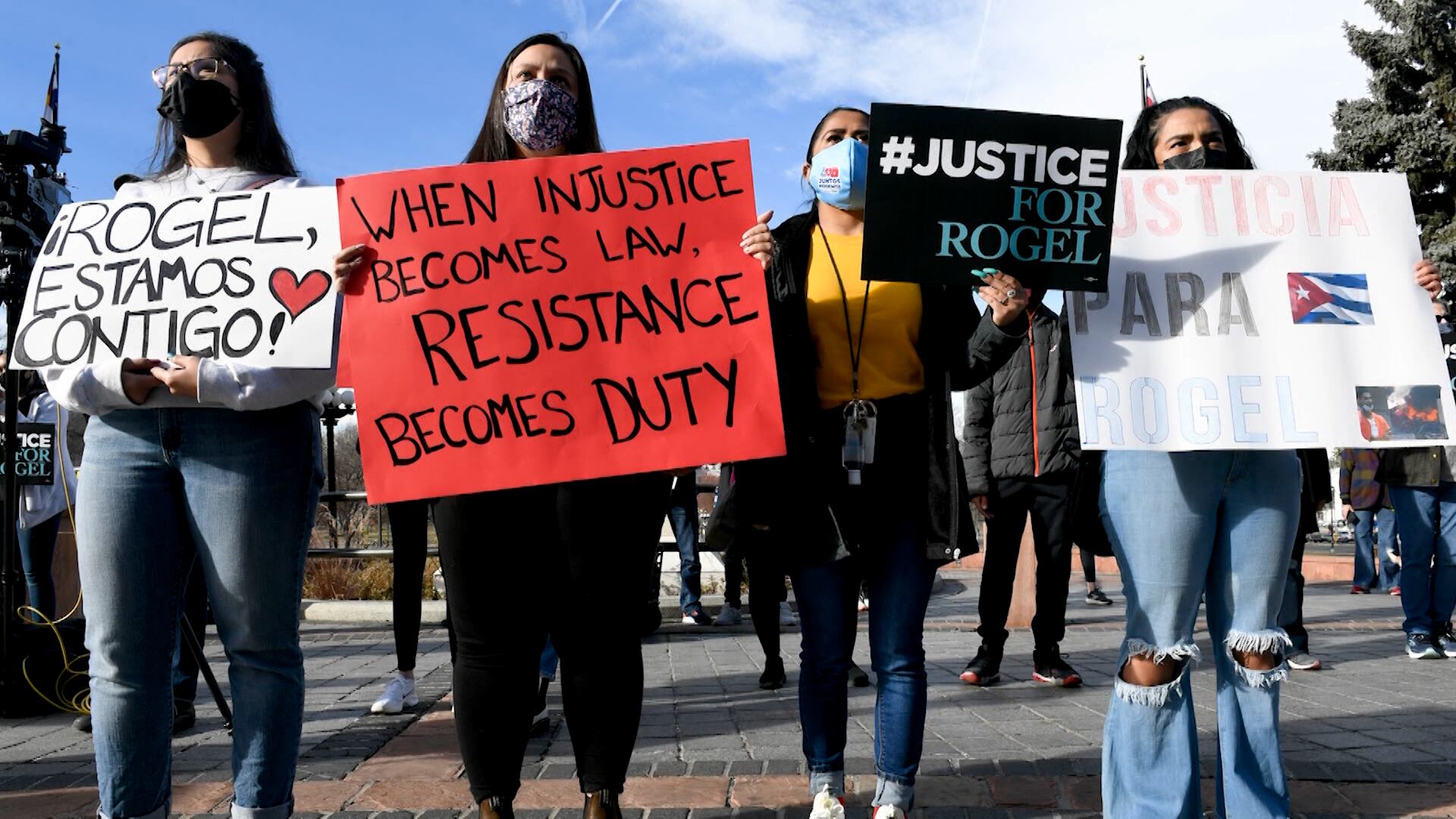
Colorado Gov. Jared Polis has officially reduced the 110-year prison sentence of truck driver Rogel Aguilera-Mederos to 10 years, calling the initial lengthy sentence “unjust.” Dan Gilleon, constitutional attorney at Gilleon Law Firm APC, joined Cheddar to discuss more.
Eric Adams Becomes 110th Mayor Of New York City
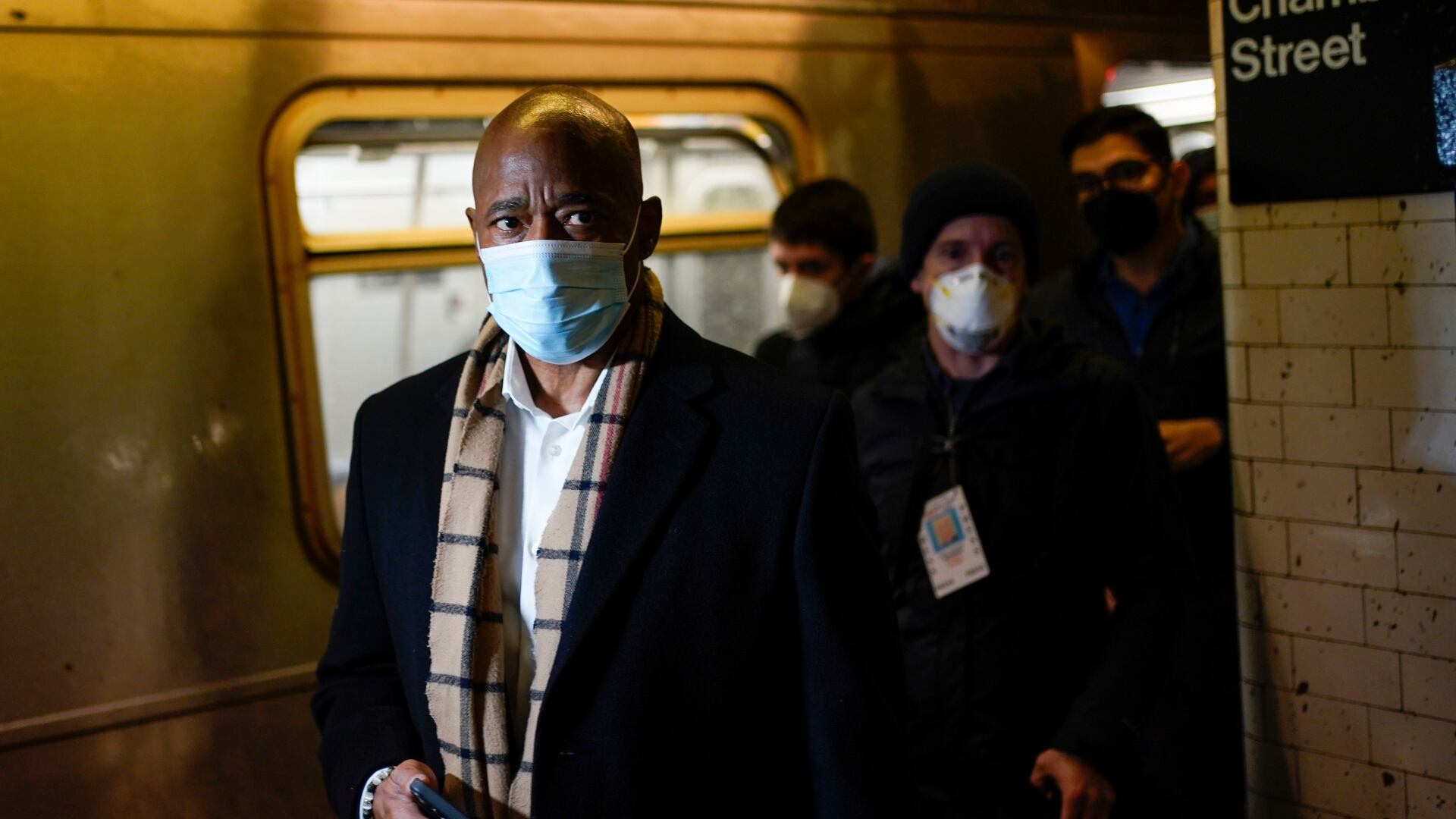
Former Brooklyn Borough President Eric Adams was sworn in as the newest Mayor of New York City. Adams is now expected to work on a number of issues such as crime and coronavirus. Erin Durkin,, reporter at PoliticoNY, joins Cheddar News to discuss more.
California Starts Largest U.S. Food Waste Recycling Program
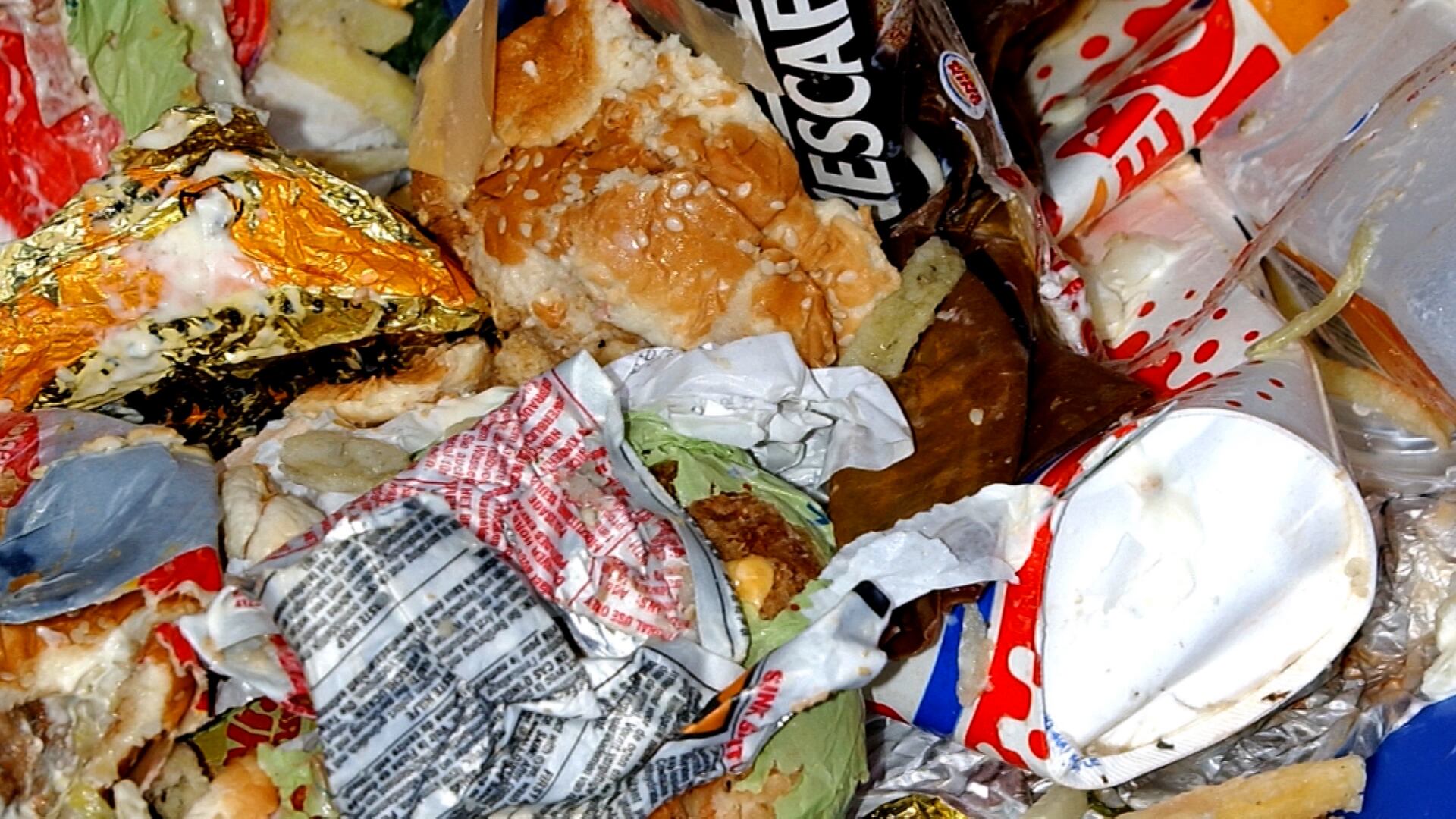
California's new composting law will affect what residents do in their kitchens. As of this week, Californians will have to recycle excess food in an effort to reduce emissions caused by food waste. Cities and counties will turn recycled food into compost or use it as a renewable energy source. California's new law is the largest mandatory residential food waste recycling program in the country. Rachel Wagoner, Director of the California Department of Resources, Recycling and Recovery called the law 'the biggest change to trash' since recycling started in the 1980s. She joined Cheddar Climate to discuss.
'American Insurrection' Documentary Updated With New Info a Year After January 6 Attacks
As the U.S. comes up on the first anniversary of the January 6 insurrection.,A.C. Thompson, investigative reporter at ProPublica, joined Cheddar's Baker Machado to discuss updates to American Insurrection by FRONTLINE, ProPublica and Berkeley Journalism’s Investigative Reporting Program. The documentary investigates the attack on the Capitol touched off by the lie that the presidential election was stolen from Donald Trump but with new information gleaned since the event including interviews with lawmakers and law enforcement and the evolution of groups like the Boogaloo Boys and the Proud Boys behind the attack. "In some ways those groups that were kind of the vanguard of January 6 are maybe no longer relevant because their message is everywhere," he said.
Load More