After a procedural snafu last night, the House officially passed tax reform this morning. Now the bill goes to President Trump's desk to be signed into law.
Jack Hunter, Editor at Rare Politics, explains what happened that forced the House to vote on the bill for a second time. Since Congress is attempting to pass legislation using budget policy, there are a special set of rules that have to be followed. The Senate claimed that the House violated those rules in multiple ways.
President Trump could sign the bill into law as soon as tonight. However, even if it gets signed this week, Americans won't feel the effects of tax reform until next year. Hunter walks through some of the ways your taxes could be impacted.
A judgment has been issued against Rudy Giuliani in the defamation lawsuit brought by two Georgia election workers.
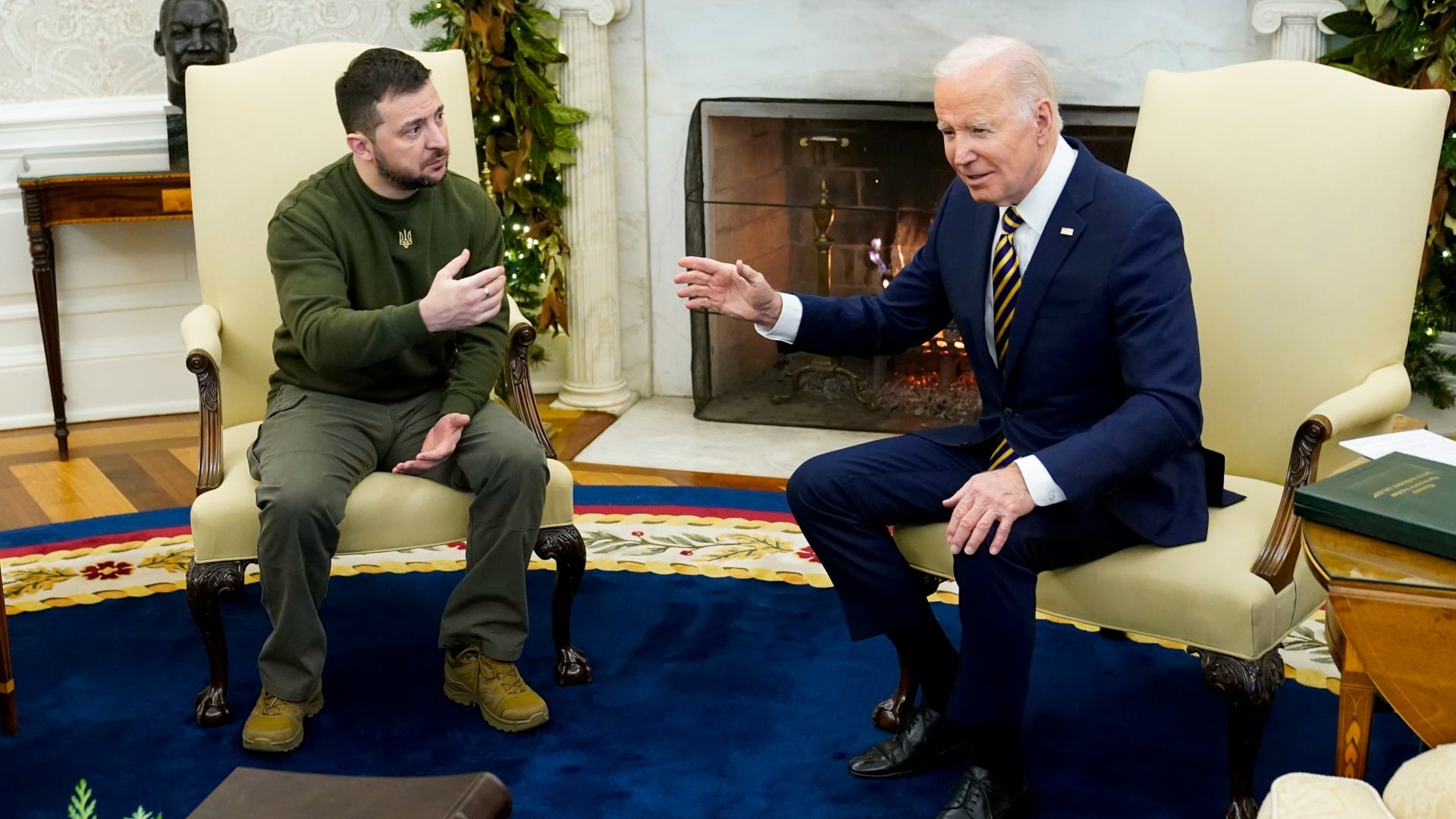
The Biden administration said it will send an additional $250 million in weapons and ammunition to Ukraine.
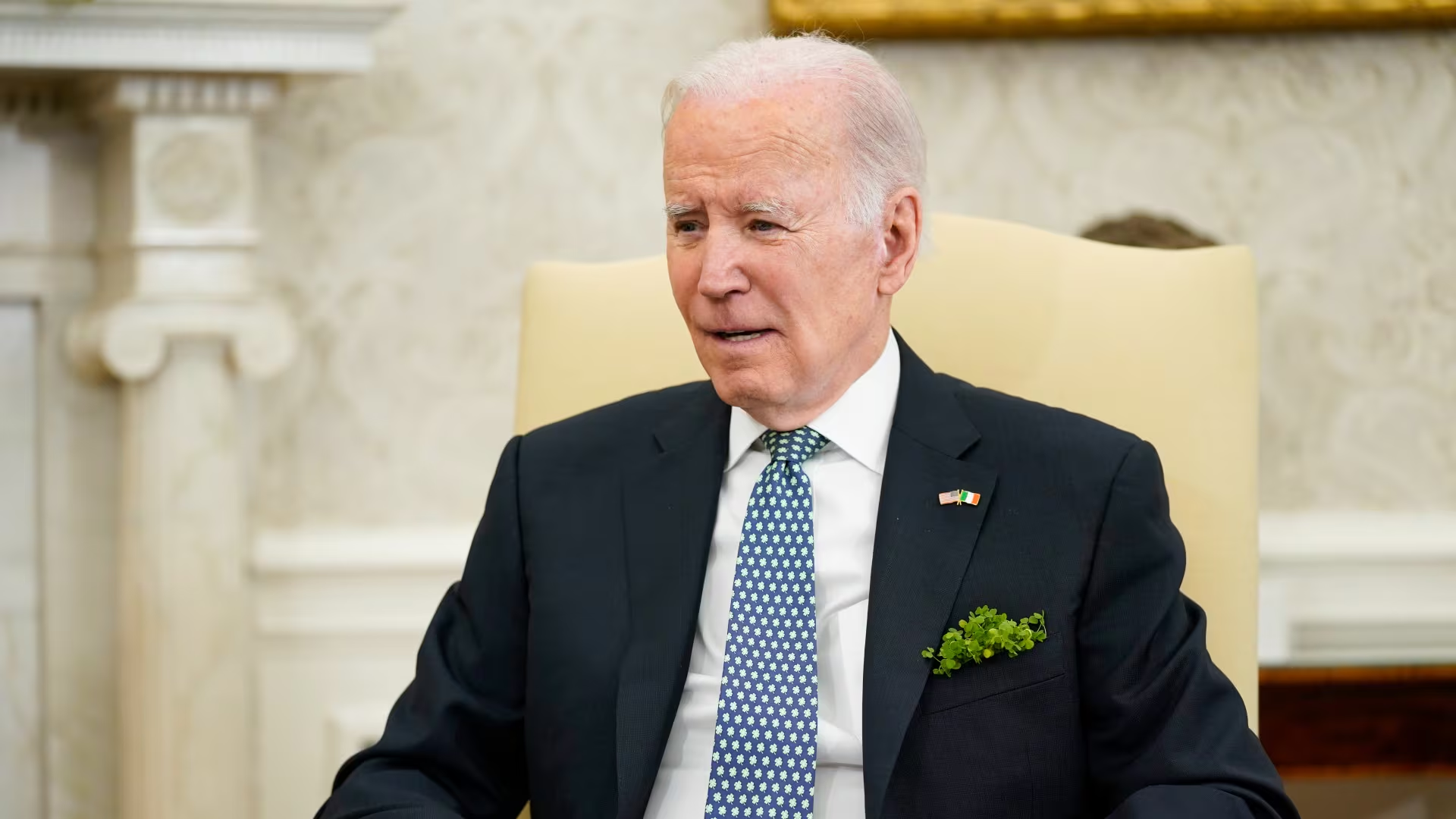
President Joe Biden is hosting Costa Rican President Rodrigo Chavez at the White House.
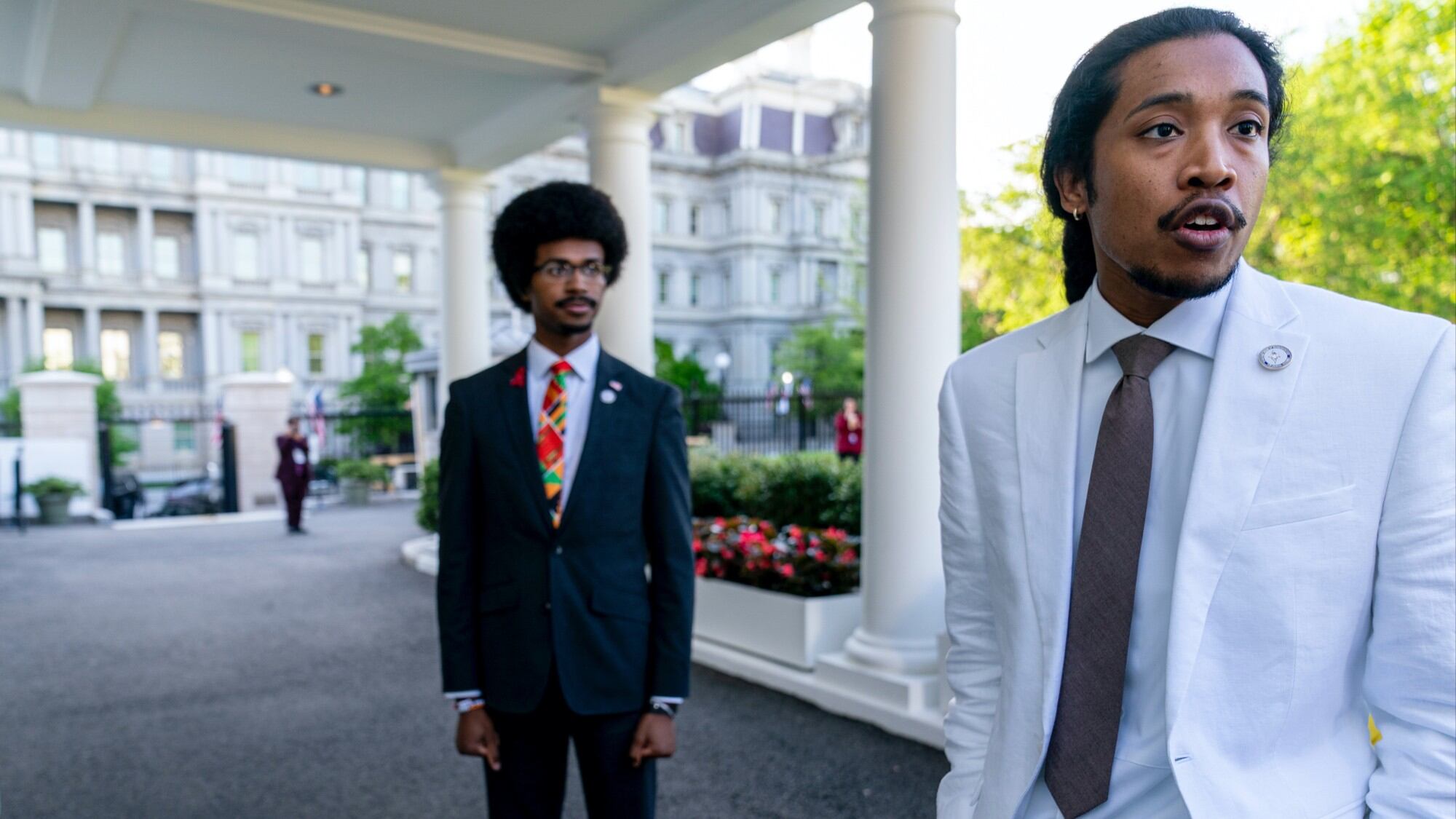
Republican lawmakers voted to temporarily silence a member of the so-called 'Tennessee Three' during a House session on Monday.
New video showed detained American Paul Whelan inside a Russian prison camp.
Russian President Vladimir Putin will not attend mercenary chief Yevgeny Prigozhin's funeral, according to the Kremlin.
The Biden administration is targeting the blood thinner Eliquis, diabetes treatment Jardiance and eight other medications for Medicare's first-ever drug price negotiations as it seeks to lower medical costs for Americans.
A medical rescue helicopter caught fire and broke apart shortly after takeoff Monday before crashing into an apartment complex near Fort Lauderdale, killing a paramedic captain on board and a resident on the ground, authorities said.
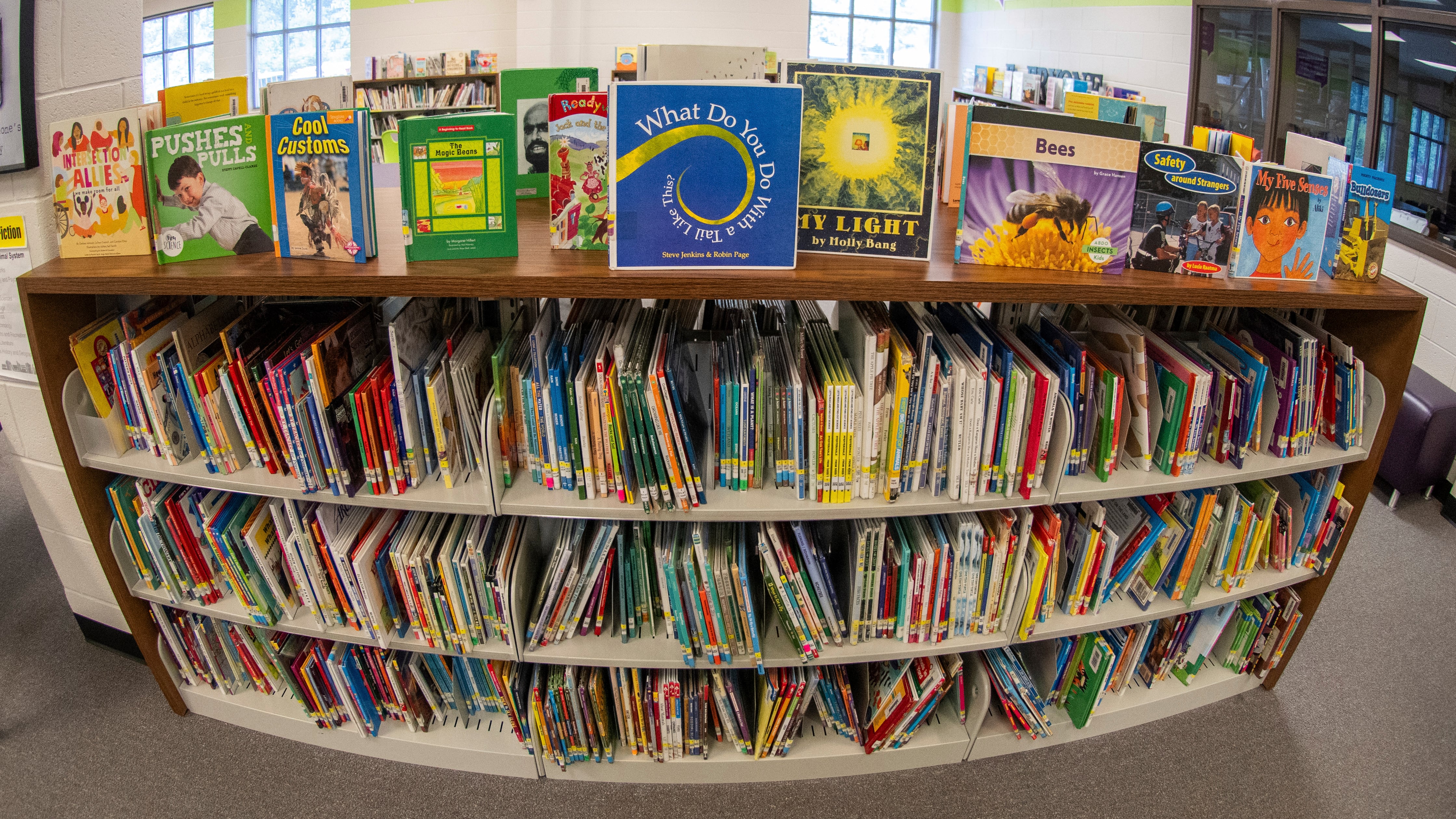
A report showed that 2022 saw a record number of requests to ban books at U.S. public schools.
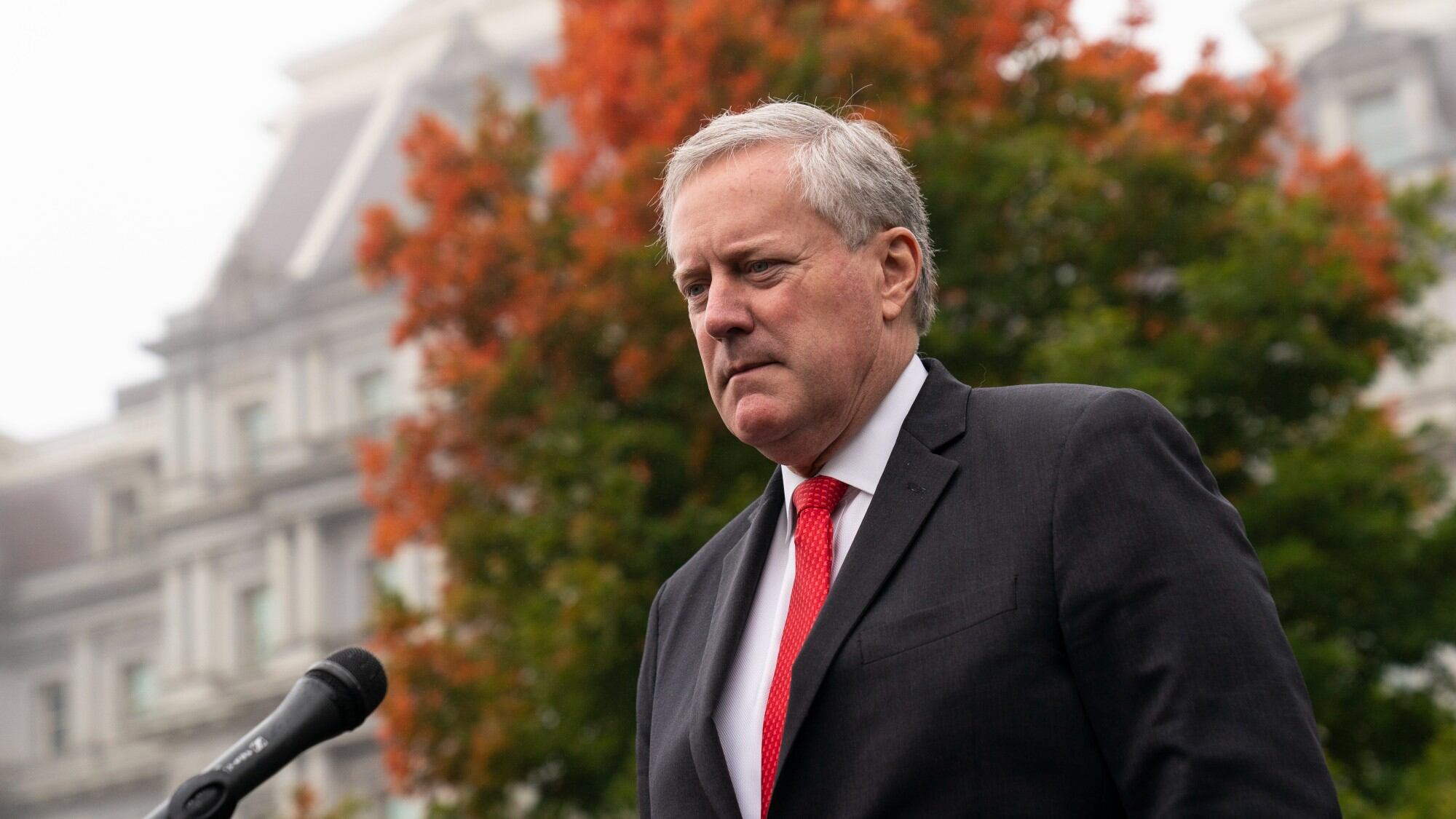
A federal judge heard arguments on whether to move the case for Mark Meadows to federal court from state.