After a procedural snafu last night, the House officially passed tax reform this morning. Now the bill goes to President Trump's desk to be signed into law.
Jack Hunter, Editor at Rare Politics, explains what happened that forced the House to vote on the bill for a second time. Since Congress is attempting to pass legislation using budget policy, there are a special set of rules that have to be followed. The Senate claimed that the House violated those rules in multiple ways.
President Trump could sign the bill into law as soon as tonight. However, even if it gets signed this week, Americans won't feel the effects of tax reform until next year. Hunter walks through some of the ways your taxes could be impacted.
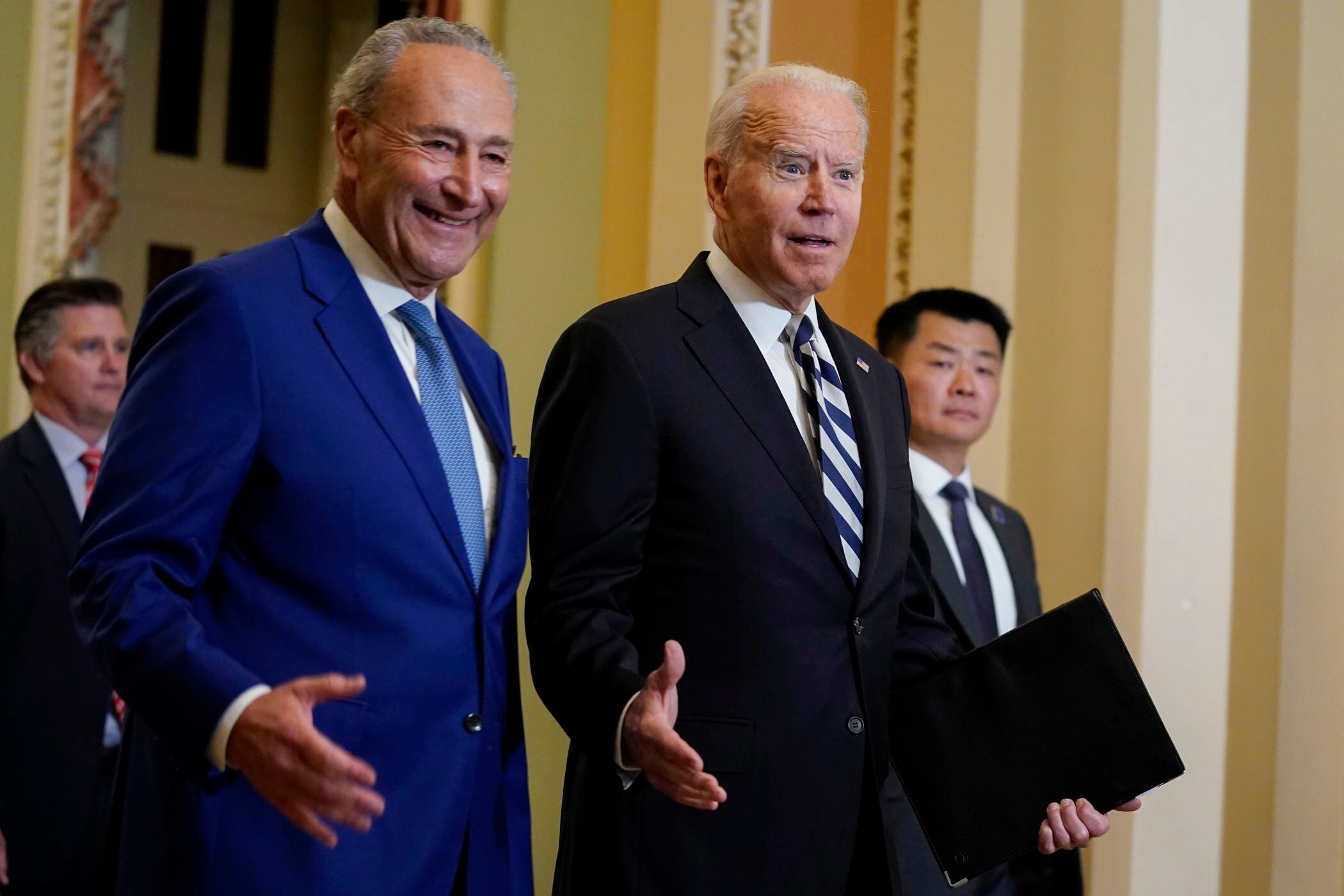
President Joe Biden is stepping up his bid to push his multitrillion-dollar domestic agenda through Congress.
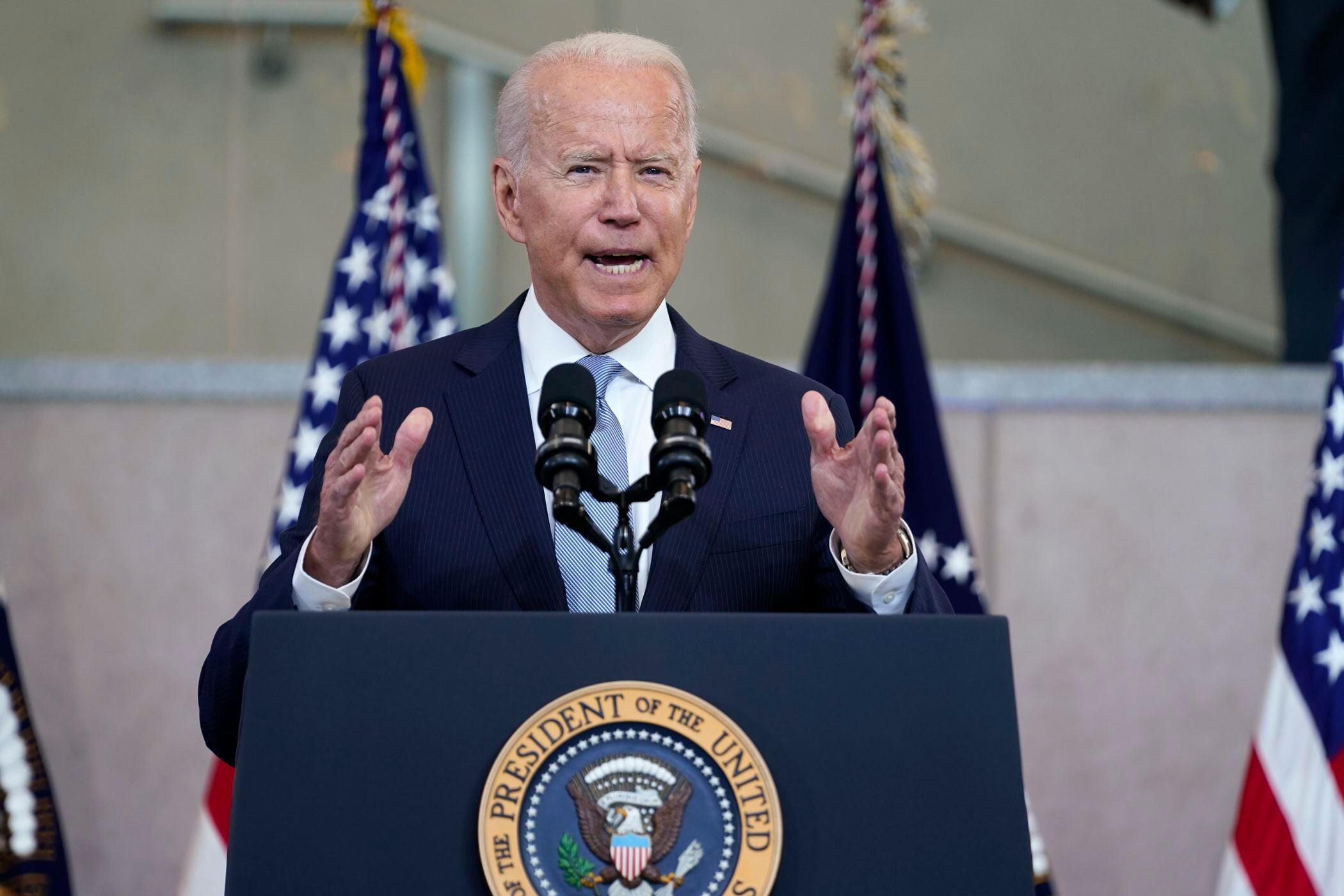
President Joe Biden is declaring that preserving voting rights is “a test of our time” as he urges passage of federal legislation to combat efforts by Republican-led state legislatures to restrict access to ballots.
"Uranium bulls," a small but devoted group of investors, see an opportunity in the metal commodity that makes nuclear power possible.
From Wall Street to Silicon Valley, these are the top stories that moved markets and had investors, business leaders, and entrepreneurs talking this week on Cheddar.
U.S. health officials say vaccinated teachers and students don't need to wear masks inside school buildings.
For most aficionados, a sparkling wine can be called champagne only if it comes from the region of France with that name and is made under certain regulations.
President Joe Biden has signed an executive order that targets what he says are anticompetitive practices in tech, health care and other parts of the economy.
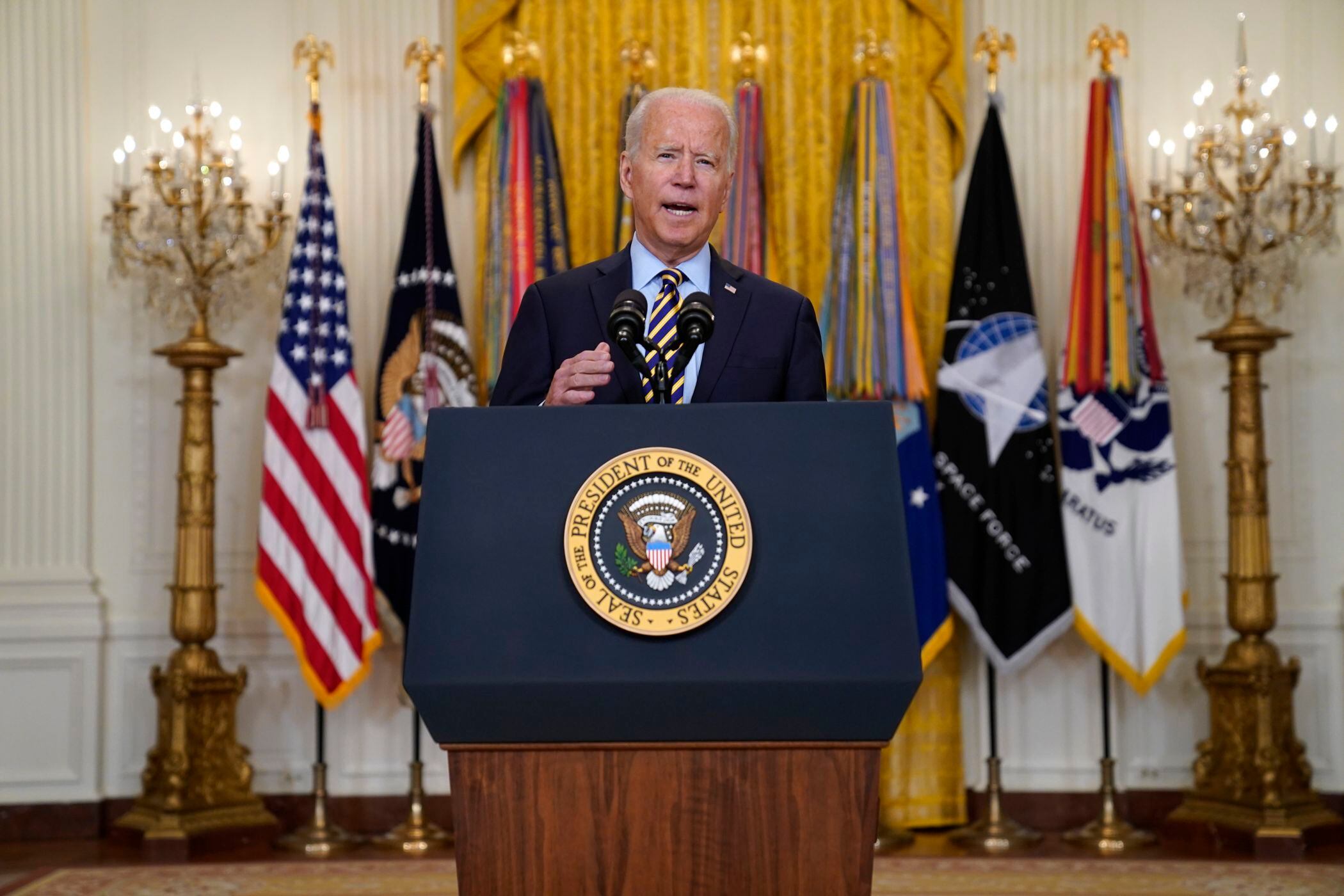
President Joe Biden says the U.S. military mission in Afghanistan will conclude on Aug. 31. He says “speed is safety” as the United States seeks to end the nearly 20-year war.
Fans will be banned from the Tokyo area’s stadiums and arenas when the Olympic Games begin in two weeks.
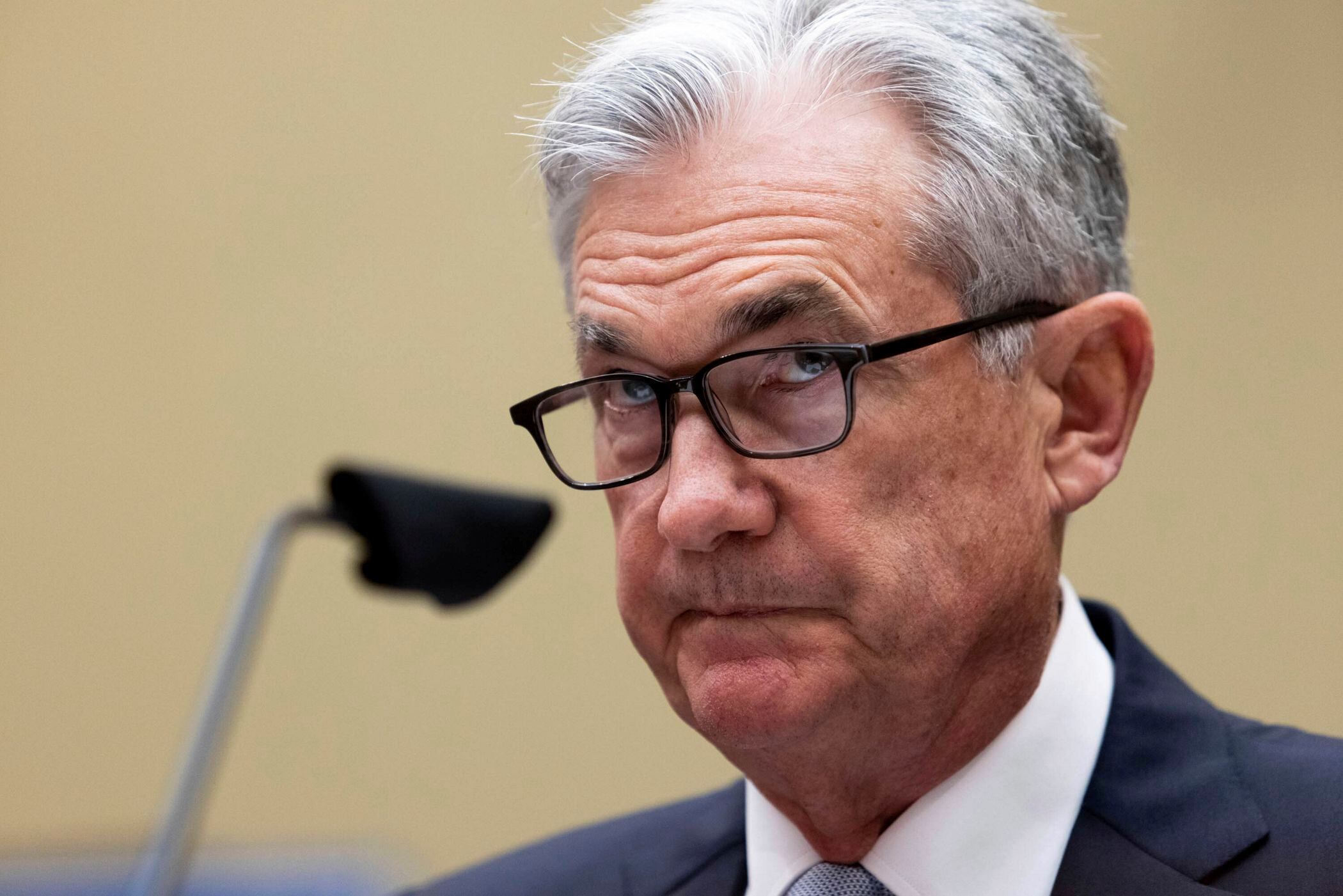
Federal Reserve officials began debating at their June meeting when and how they would reduce the monthly bond purchases that they have used to keep longer-term interest rates in check.