On a historic day in America, political players on Capitol Hill are moving slowly and divisively after approving rules for impeachment debate. The body is now beginning six hours of partisan debate time before this historic impeachment vote.
Lawmakers just finished debating the rules that will be used to consider the impeachment charges against President Donald Trump after Democrats defeated two objections raised by Republicans. The House adopted debate rules, voting twice after Republicans raised a motion to reconsider. The vote on the rules for the debate passed 228 to 197, signaling that few lawmakers plan to defect parties, and now representatives will move to those six hours of debate about the articles, themselves. Finally, the House will vote on the articles of impeachment, in what is expected to rest almost entirely along party lines. The president is facing impeachment on two articles — abuse of power and obstruction of Congress. If the vote passes, Trump will become the third American president charged with high crimes and misdemeanors.
Rep. Diana DeGette (D-Colo. 1st District) was tapped by House Speaker Nancy Pelosi to preside over the debate as speaker pro tempore.
Soon after House Chaplain Patrick Conroy opened with a prayer to “help them and help us put away any judgments that belong to you and live together in harmony,” lawmakers got straight to it, with no harmony in sight. Democrats defeated two motions raised almost immediately after the session was gaveled in. The House voted 226 to 188 to block the first motion, put forth by Rep. Andy Biggs (R-Ariz. 5th District), to adjourn before debating even began, and voted 226 to 191 to block the second motion, put forth by GOP minority leader Kevin McCarthy (R-Calif. 23rd District), condemning the inquiry as illegitimate.
The schedule circulated on Tuesday night could make the entire day hard to follow and may tire out casual observers. However, the proceedings could have been drawn out even further, if Republican objections were approved during last night’s session of the House Rules Committee. Republicans had raised objections that the debate is only six hours instead of 12 hours.
After the conclusion of today’s debate, lawmakers will finally vote. Many have already publicly pledged to vote along party lines.
Representatives largely used morning debate time, which began soon after 10 a.m. ET, for partisan diatribes. Republicans like Debbie Lesko (R-Ariz. 8th District) called the inquiry “rigged,” and Democrats like Majority Whip Jim Clyburn (D-S.C. 6th District) referred to Thomas Paine’s pamphlets and said the president “seems to believe he is a king or above the law.” Many members were present at the start of the day when Republicans raised their objections but seemed to exit the chamber once debate began.
Pelosi remained in the Congressional chamber, sitting in the back row. Meanwhile, the president remains active on Twitter. He has tweeted and retweeted attacks against the Democrats, including a tweet in which the president wrote: “can you believe that I will be impeached today by the Radical Left, Do Nothing Democrats, AND I DID NOTHING WRONG!”
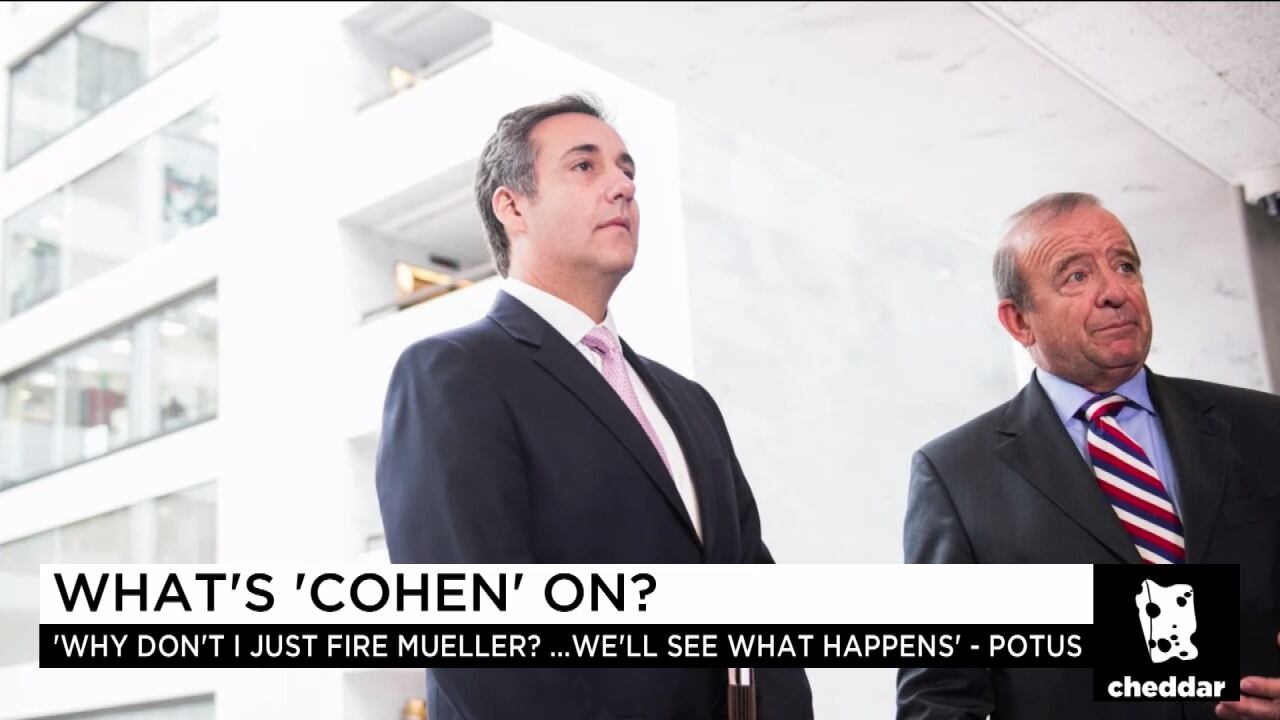
It is extremely rare for federal prosecutors to get search warrants for lawyers "because they usually want to protect attorney-client privilege," explains Politico's Daniel Lippman. The fact that the FBI moved on Cohen suggests he "might not have been totally legal" in his work for Trump. The president blasted the raid, calling it a "disgraceful situation."
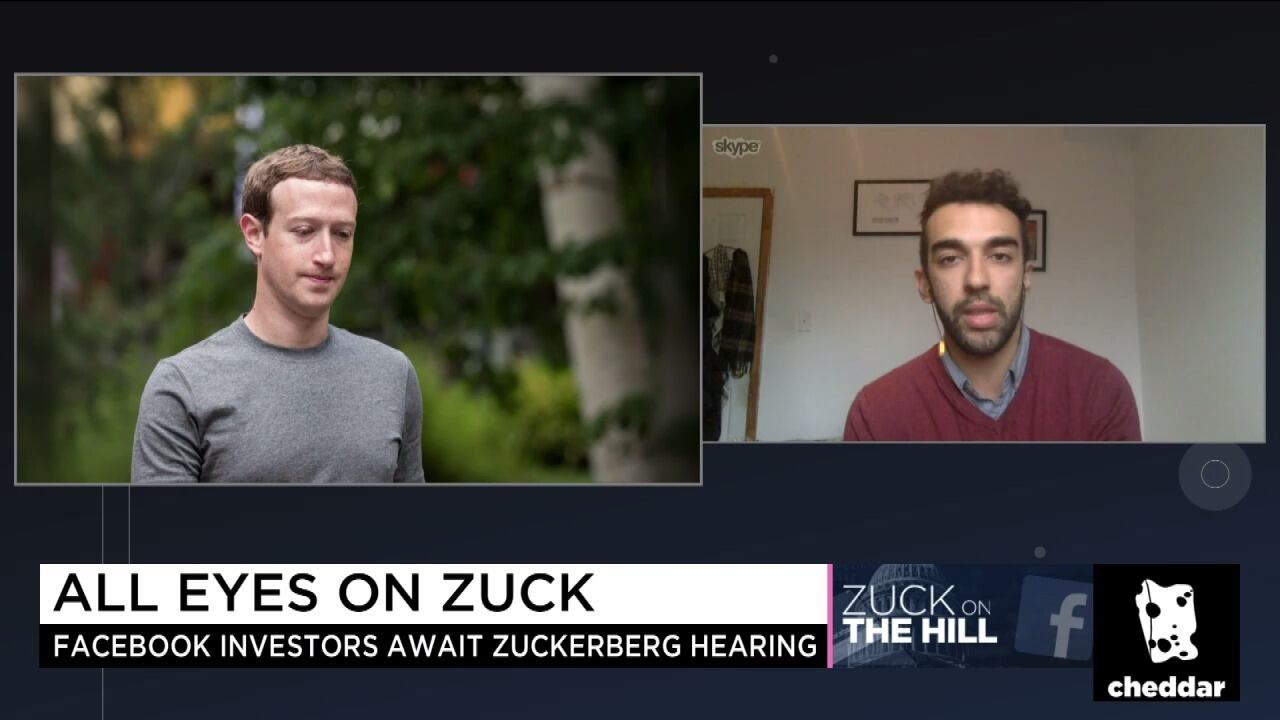
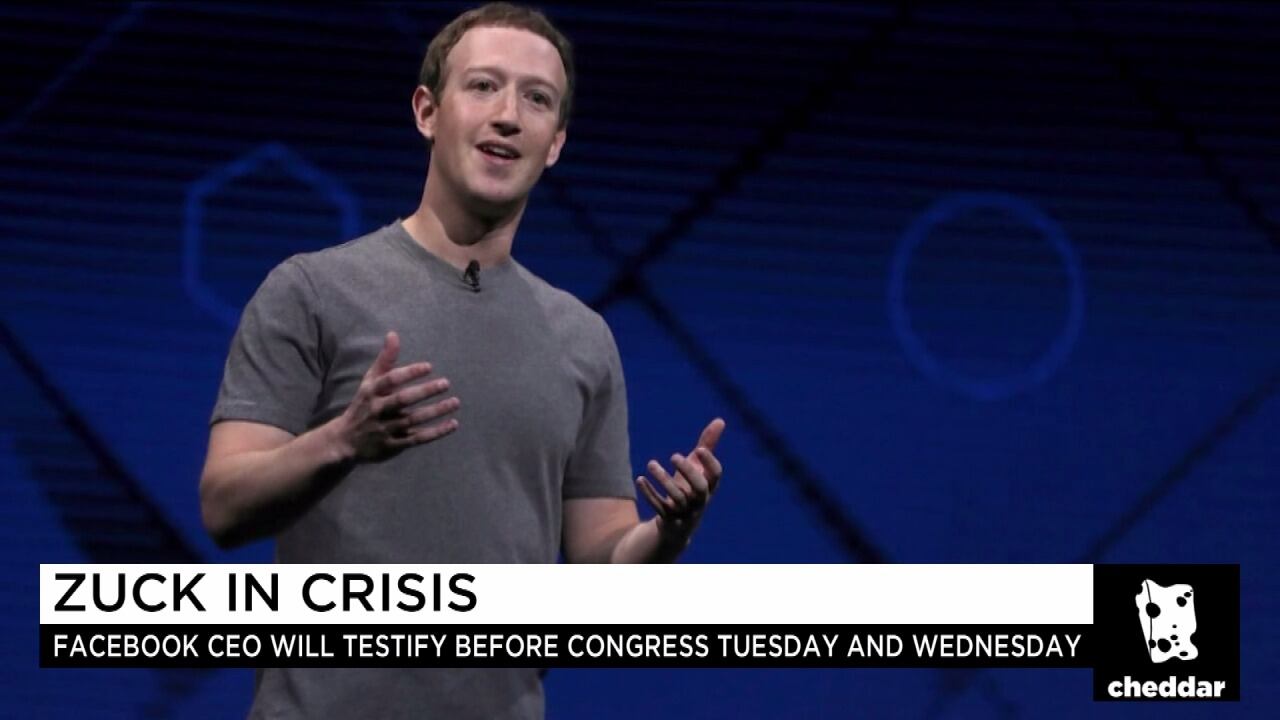
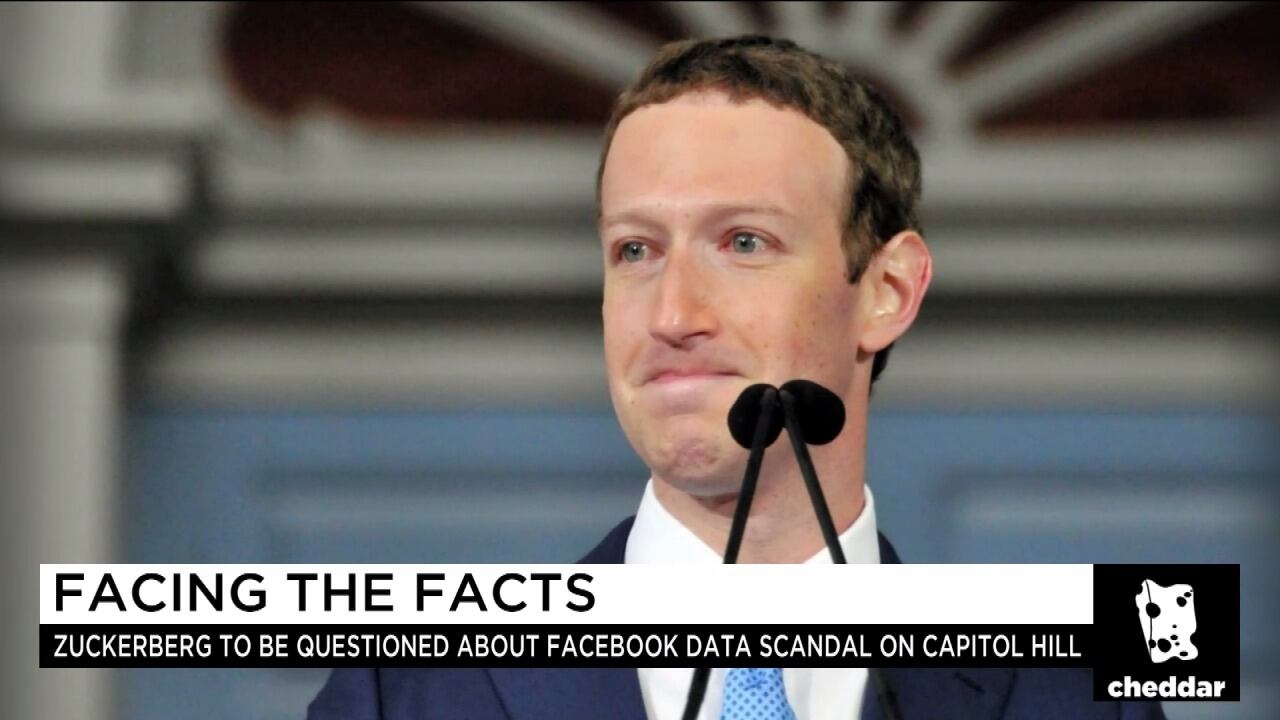
Democrats have already signaled that they're going to focus more on election interference and be "a little bit more aggressive than Republicans" during Mark Zuckerberg's testimonies this week, says Ali Breland, technology and politics reporter at The Hill. The Facebook CEO will appear before Congress Tuesday and Wednesday to face questions about the Cambridge Analytica scandal.
President Trump's feud with Amazon and its CEO Jeff Bezos continues, as the president claims that the tech giant does not pay its fair share of taxes and that it's causing the U.S. Postal Service to lose money. Cheddar breaks down President Trump's claims and explores how Amazon's deal with the post office works.
The Facebook CEO's hearings on Capitol Hill will likely dominate headlines for days. If those stories focus more on the new initiatives that the social network has recently rolled out, rather than the data scandal itself, "that would be a big win," says Aaron Pressman, Senior Technology Reporter at Fortune Magazine.
The president is likely to respond to the brutal chemical attack in Syria that took place over the weekend, says Jon Miller, CRTV's White House Correspondent. That's based on the fact that, not only has the president taken military action against Syria before, but there also seems to be some support for some kind of a response among voters.
The trade war rhetoric "runs the risk of overplaying [Trump's] hand" in negotiations, says Clayton Allen, Vice President of Special Situations at Height Capital Management. That could, in the long run, come back and hurt employment rates in the U.S.
A lot of top executives of big name brands, like Apple or Starbucks, are starting to take political stances that are "unrelated to the bottom line," explains Aaron Chatterji, Associate Professor at Duke University's Fuqua School of Business and author of a recent Harvard Business Review article about CEO activism.
Washington won't easily forgive Facebook for sending a "low-level" deputy to testify when Congress first wanted answers about Russia's role in the 2016 election. And legislators are likely to take out their frustration on the CEO when he appears before them next week, says Ken Gude, Senior Fellow at the Center for American Progress.
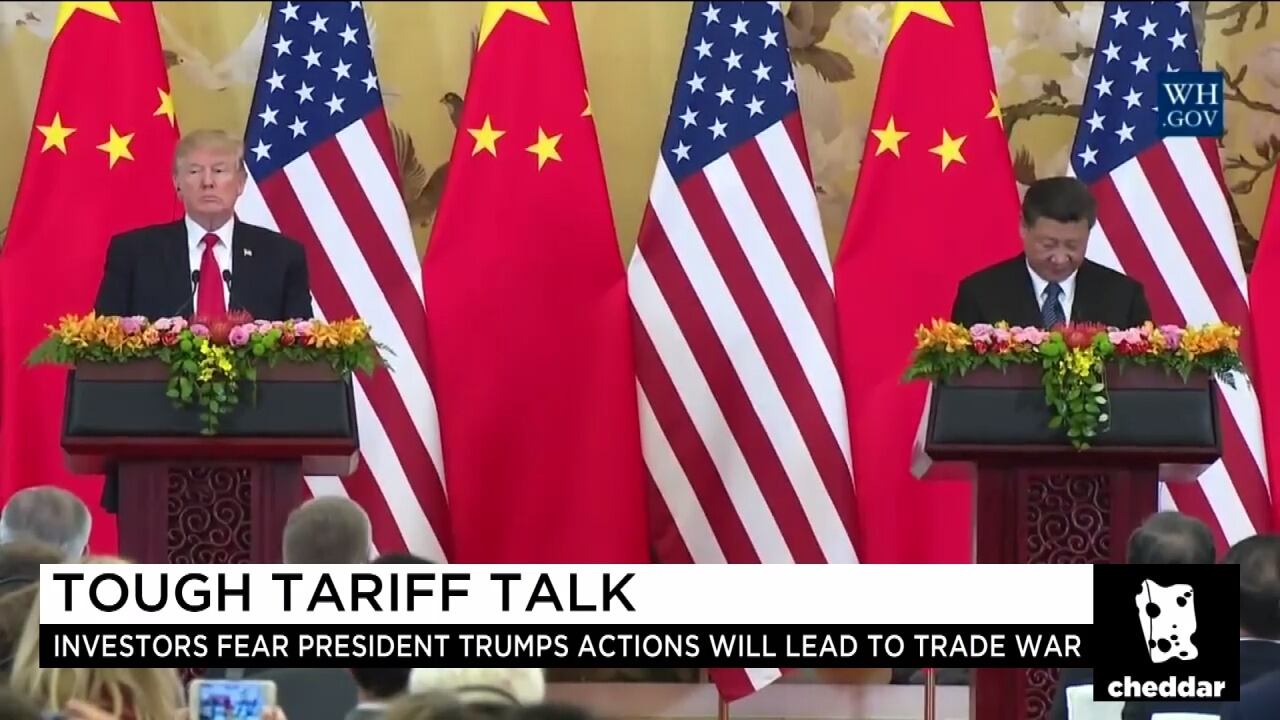
President Trump is stoking fears of a trade war with China yet again. On Thursday evening, Trump threatened more tariffs on China worth $100 billion dollars, on top of the tariffs Trump is already planning. China immediately fired back, saying the country will continue to meet Trump's tariff threats with counter-actions.
President Trump also made news when he finally broke his silence on the Stormy Daniels controversy. When asked by reporters if he knew about the payment by his lawyer to Daniels, Trump quickly said, "no." Michael Avenatti, Stormy Daniels' lawyer, said Trump denying knowledge of the payment is "a gift from the heavens."
Executives and fighters from the UFC were at the New York Stock Exchange to ring the opening bell on Friday in celebration of the organization's 25th anniversary. Amanda Nunes, a UFC fighter, and Lawrence Epstein, the COO of the UFC, join us to weigh in on the milestone and preview the UFC 223 taking place at Barclays Center in Brooklyn this weekend. Epstein also commented on the arrest of UFC star Conor McGregor, saying McGregor's actions don't represent UFC's values.
West Virginia is the first state to test out voting via blockchain, collaborating with venture capitalist Bradley Tusk. "[People] want to vote the same way that they order something from Amazon," says Mac Warner, WV's Secretary of State. The experiment has rolled out for deployed military voters in some counties, with plans to deploy it across the state for the midterm elections in November.