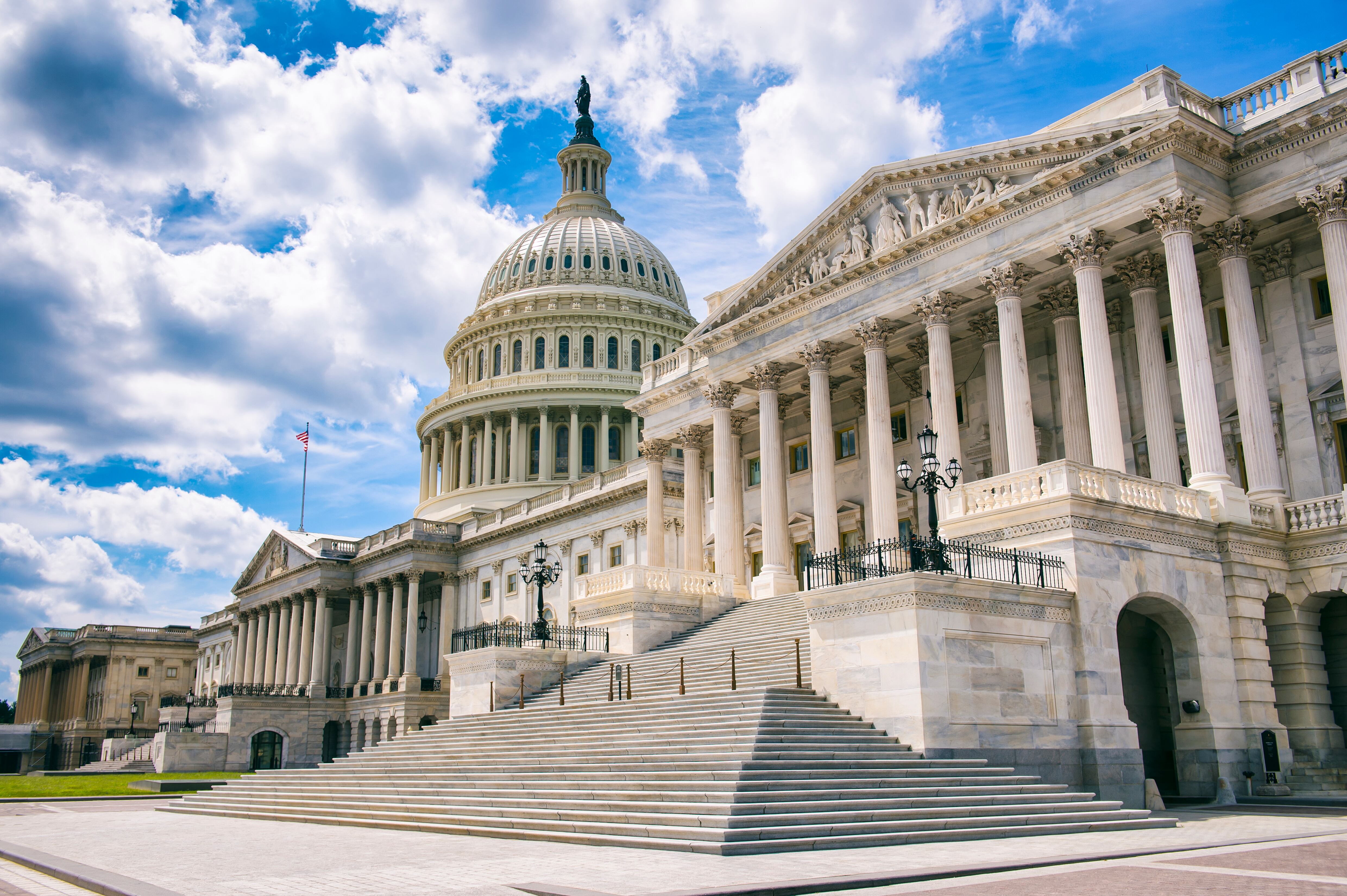
On a historic day in America, political players on Capitol Hill are moving slowly and divisively after approving rules for impeachment debate. The body is now beginning six hours of partisan debate time before this historic impeachment vote.
Lawmakers just finished debating the rules that will be used to consider the impeachment charges against President Donald Trump after Democrats defeated two objections raised by Republicans. The House adopted debate rules, voting twice after Republicans raised a motion to reconsider. The vote on the rules for the debate passed 228 to 197, signaling that few lawmakers plan to defect parties, and now representatives will move to those six hours of debate about the articles, themselves. Finally, the House will vote on the articles of impeachment, in what is expected to rest almost entirely along party lines. The president is facing impeachment on two articles — abuse of power and obstruction of Congress. If the vote passes, Trump will become the third American president charged with high crimes and misdemeanors.
Rep. Diana DeGette (D-Colo. 1st District) was tapped by House Speaker Nancy Pelosi to preside over the debate as speaker pro tempore.
Soon after House Chaplain Patrick Conroy opened with a prayer to “help them and help us put away any judgments that belong to you and live together in harmony,” lawmakers got straight to it, with no harmony in sight. Democrats defeated two motions raised almost immediately after the session was gaveled in. The House voted 226 to 188 to block the first motion, put forth by Rep. Andy Biggs (R-Ariz. 5th District), to adjourn before debating even began, and voted 226 to 191 to block the second motion, put forth by GOP minority leader Kevin McCarthy (R-Calif. 23rd District), condemning the inquiry as illegitimate.
The schedule circulated on Tuesday night could make the entire day hard to follow and may tire out casual observers. However, the proceedings could have been drawn out even further, if Republican objections were approved during last night’s session of the House Rules Committee. Republicans had raised objections that the debate is only six hours instead of 12 hours.
After the conclusion of today’s debate, lawmakers will finally vote. Many have already publicly pledged to vote along party lines.
Representatives largely used morning debate time, which began soon after 10 a.m. ET, for partisan diatribes. Republicans like Debbie Lesko (R-Ariz. 8th District) called the inquiry “rigged,” and Democrats like Majority Whip Jim Clyburn (D-S.C. 6th District) referred to Thomas Paine’s pamphlets and said the president “seems to believe he is a king or above the law.” Many members were present at the start of the day when Republicans raised their objections but seemed to exit the chamber once debate began.
Pelosi remained in the Congressional chamber, sitting in the back row. Meanwhile, the president remains active on Twitter. He has tweeted and retweeted attacks against the Democrats, including a tweet in which the president wrote: “can you believe that I will be impeached today by the Radical Left, Do Nothing Democrats, AND I DID NOTHING WRONG!”
Catching you up on what you Need to Know on Mar 21, 2022, with updates on the Russian invasion in Ukraine, a Boeing 737-800 plane carrying 132 people crashed in China, Canadian Pacific rail workers on strike, another possible COVID surge, and the SEC's new climate rules for businesses.
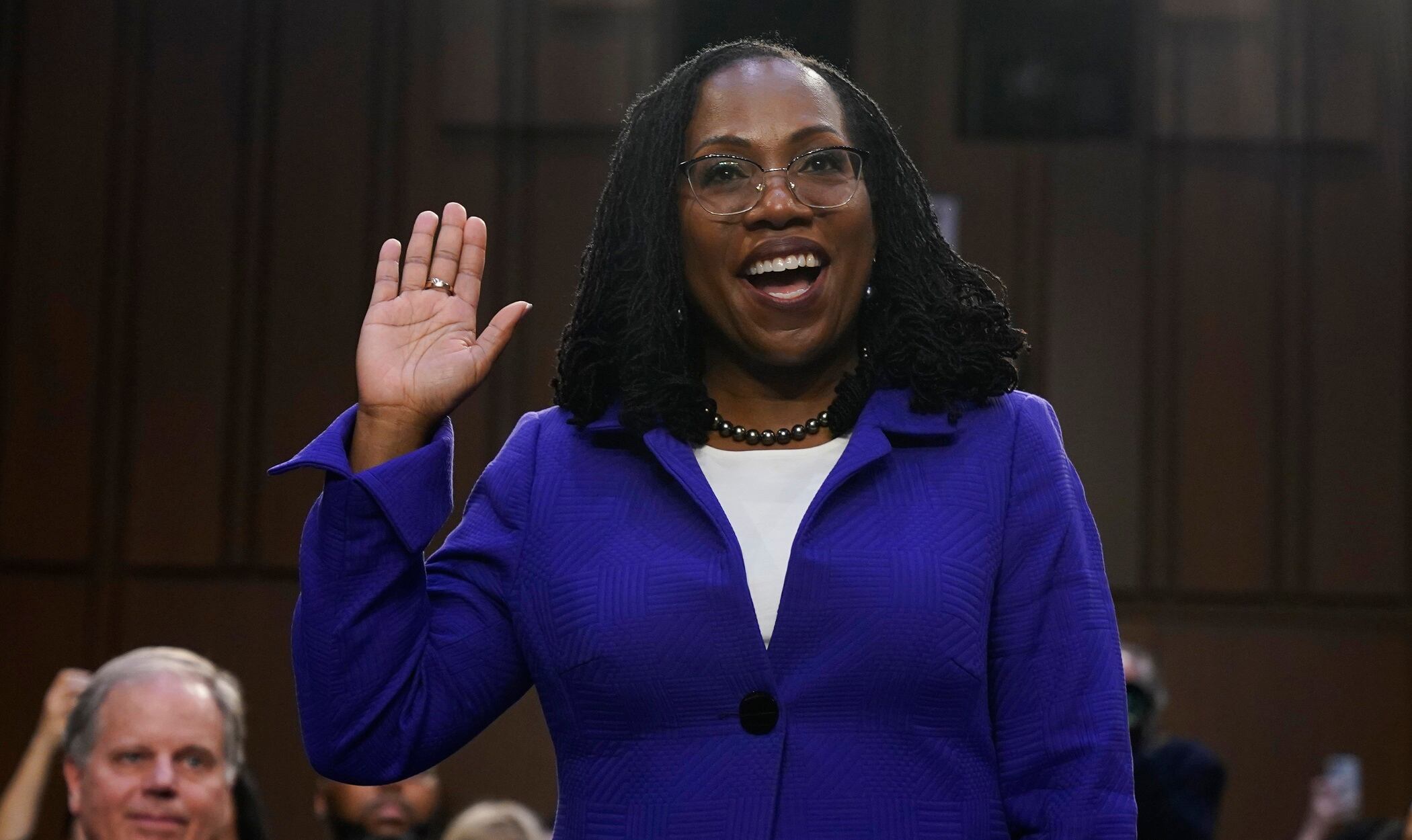
Judge Ketanji Brown Jackson has told senators that she will defend the Constitution and decide cases “without fear or favor” if she is confirmed to the Supreme Court.
David Stryzewski, CEO of Sound Planning Group, joins Cheddar News' Closing Bell, where he says he believes pent-up demand is driving stocks higher and explains how Wednesday's Fed decision continues to impact investor sentiment.
Rachel Thomas, the co-founder and CEO of the non-profit Lean In, joined Cheddar amid Women's History Month, to discuss how the organization is taking on issues that continue to impact the workplace through its Circles program. "These are a program that brings women together in small groups, usually 8 to 12, for support, camaraderie, and to learn together," she said. "We also we have a lot of curriculum so women can learn how to navigate workplace biases, how to negotiate with women." Thomas also applauded President Biden's recent call to action on equal pay for women, noting that businesses must do more to be cognizant of inherent gender and racial biases.
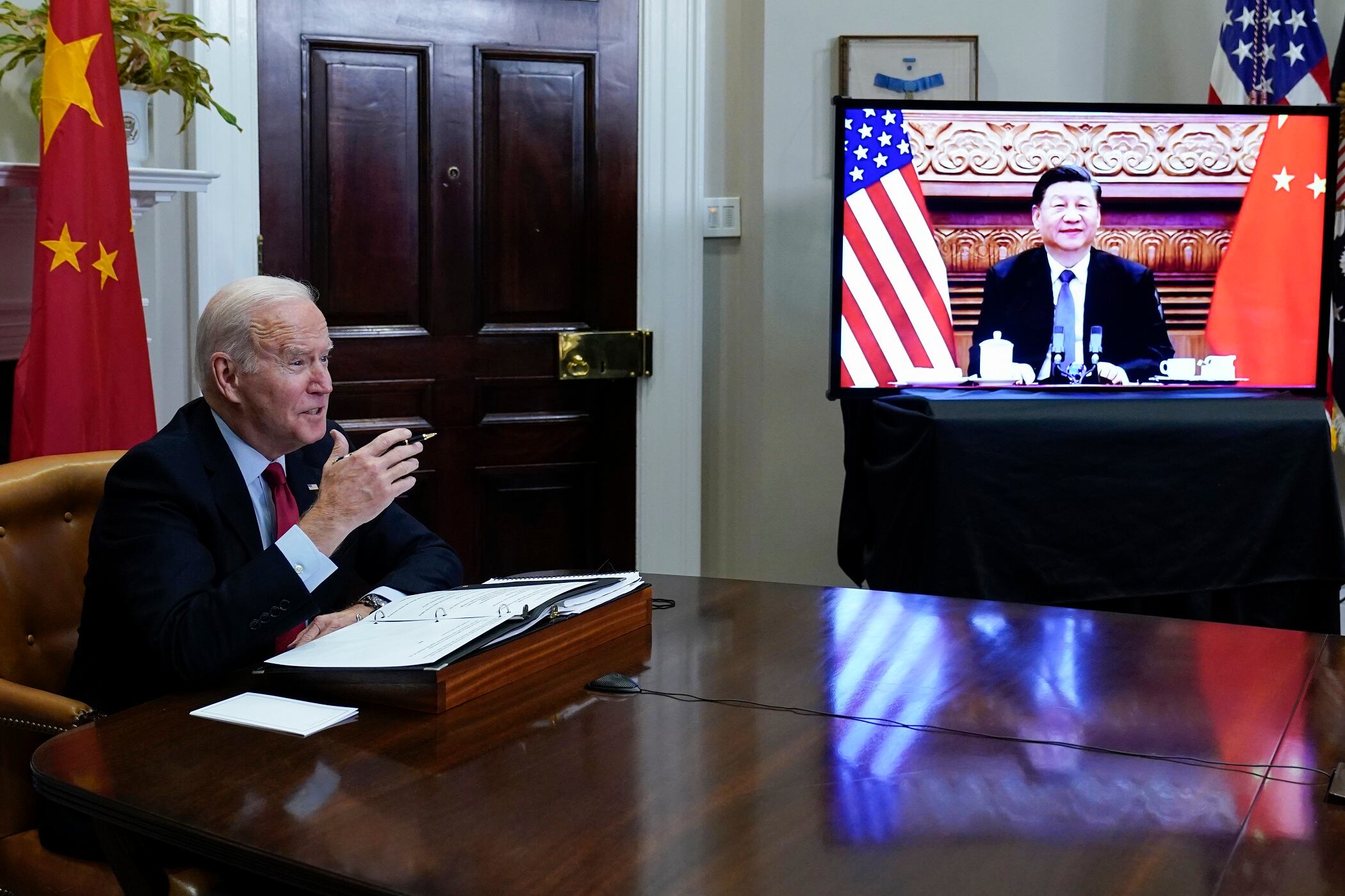
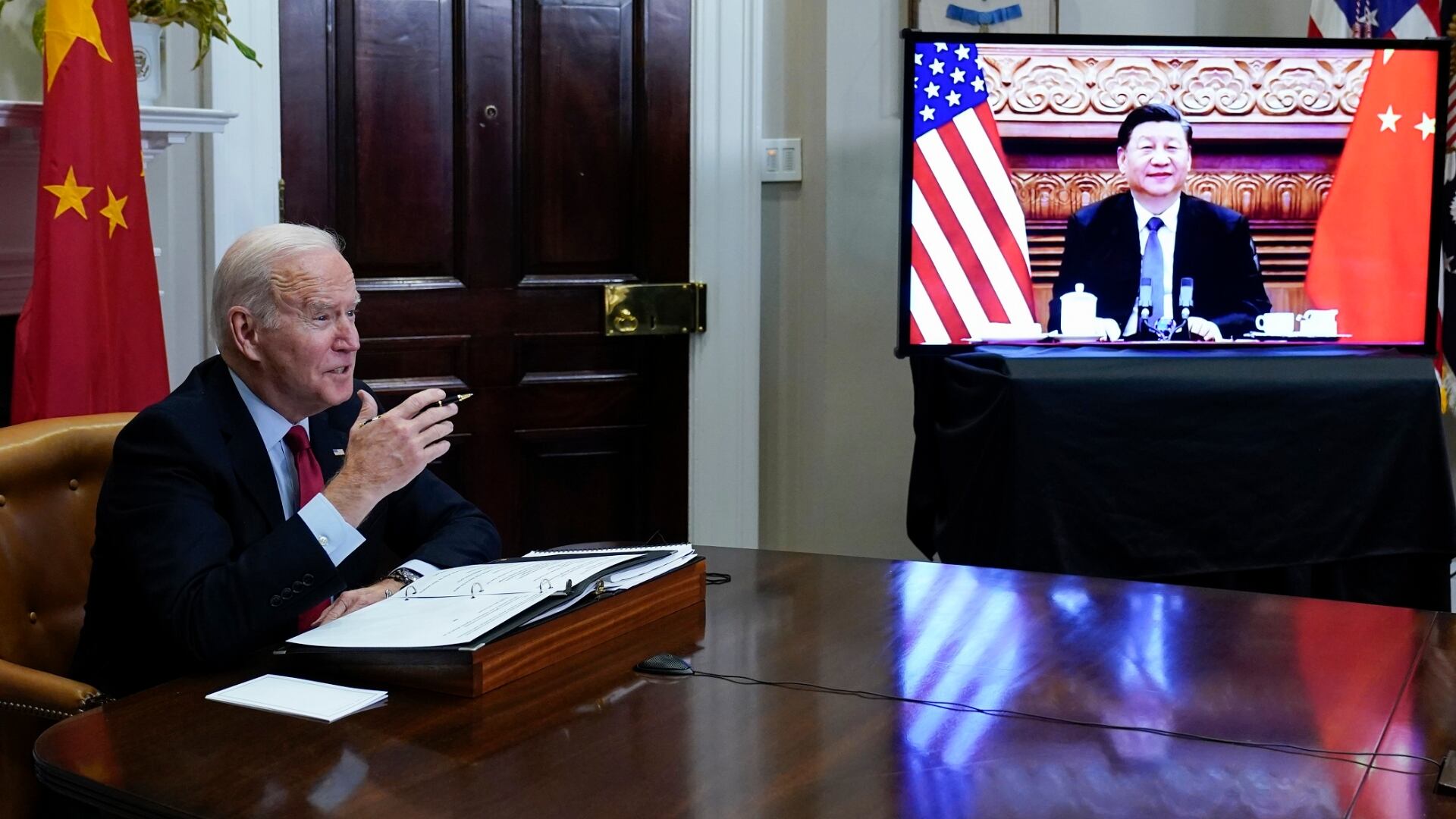
President Joe Biden and China’s Xi Jinping spoke Friday for nearly two hours via a video call as the White House looks to deter Beijing from providing military or economic assistance for Russia’s invasion of Ukraine.
The Senate has passed the Sunshine Protection Act to permanently set U.S. clocks to daylight saving time — meaning you won't need to change them twice a year. Senator Sheldon Whitehouse (D-R.I.) joined Cheddar News to talk about something that hasn't been changed in almost half a century. “Well, I think if you were to start from scratch and have somebody come in and say here's my idea, we're going to have two different times during the year and you're going to shift back and forth between different times and have to reset all your clocks twice a year, you'd probably throw that person out as like having a screw loose," he said regarding the status quo.
Catching you up on what you Need to Know on Mar 18, 2022, with updates on the war in Ukraine, President Biden’s meeting with Xi Jinping, Meta removing a deepfake video of Volodymyr Zelenskyy, Britney Griner, vaccine updates, and tech news.
As the Russia's invasion of Ukraine continues, medical experts are worried conditions in active warzones will exacerbate the current pandemic — or even give rise to other contagions. Dr. Daniel Fagbuyi, a war veteran and former Obama administration biodefense appointee, joined Cheddar News to discuss the ongoing danger of COVID-19 on top of the war, as well as the potential for new variants to emerge. "I mean just large volumes of people definitely is a breeding ground. That's the worst case," he said. "Two things don't mix: war-conflict and a virus, a potential pandemic virus."