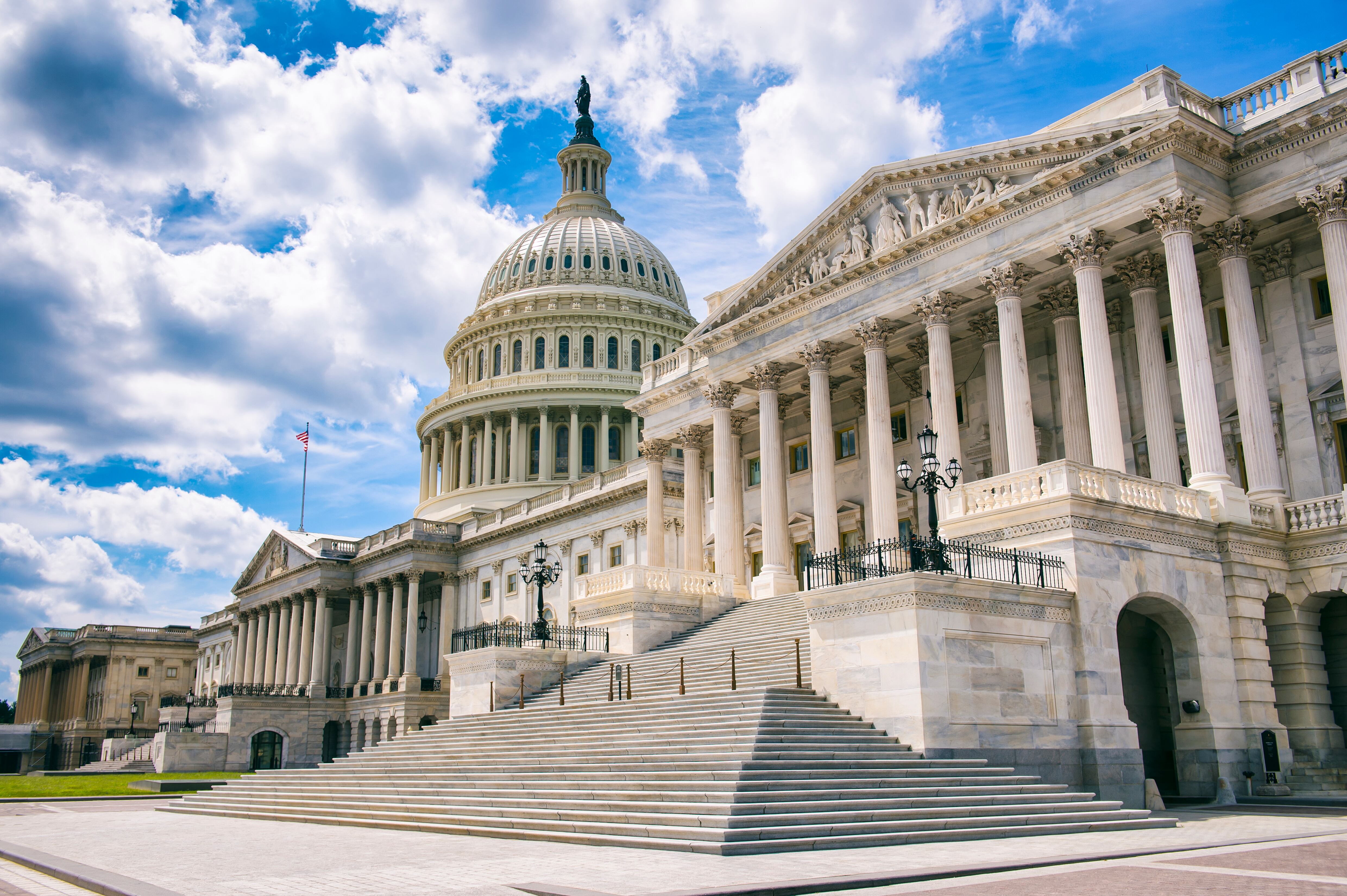
On a historic day in America, political players on Capitol Hill are moving slowly and divisively after approving rules for impeachment debate. The body is now beginning six hours of partisan debate time before this historic impeachment vote.
Lawmakers just finished debating the rules that will be used to consider the impeachment charges against President Donald Trump after Democrats defeated two objections raised by Republicans. The House adopted debate rules, voting twice after Republicans raised a motion to reconsider. The vote on the rules for the debate passed 228 to 197, signaling that few lawmakers plan to defect parties, and now representatives will move to those six hours of debate about the articles, themselves. Finally, the House will vote on the articles of impeachment, in what is expected to rest almost entirely along party lines. The president is facing impeachment on two articles — abuse of power and obstruction of Congress. If the vote passes, Trump will become the third American president charged with high crimes and misdemeanors.
Rep. Diana DeGette (D-Colo. 1st District) was tapped by House Speaker Nancy Pelosi to preside over the debate as speaker pro tempore.
Soon after House Chaplain Patrick Conroy opened with a prayer to “help them and help us put away any judgments that belong to you and live together in harmony,” lawmakers got straight to it, with no harmony in sight. Democrats defeated two motions raised almost immediately after the session was gaveled in. The House voted 226 to 188 to block the first motion, put forth by Rep. Andy Biggs (R-Ariz. 5th District), to adjourn before debating even began, and voted 226 to 191 to block the second motion, put forth by GOP minority leader Kevin McCarthy (R-Calif. 23rd District), condemning the inquiry as illegitimate.
The schedule circulated on Tuesday night could make the entire day hard to follow and may tire out casual observers. However, the proceedings could have been drawn out even further, if Republican objections were approved during last night’s session of the House Rules Committee. Republicans had raised objections that the debate is only six hours instead of 12 hours.
After the conclusion of today’s debate, lawmakers will finally vote. Many have already publicly pledged to vote along party lines.
Representatives largely used morning debate time, which began soon after 10 a.m. ET, for partisan diatribes. Republicans like Debbie Lesko (R-Ariz. 8th District) called the inquiry “rigged,” and Democrats like Majority Whip Jim Clyburn (D-S.C. 6th District) referred to Thomas Paine’s pamphlets and said the president “seems to believe he is a king or above the law.” Many members were present at the start of the day when Republicans raised their objections but seemed to exit the chamber once debate began.
Pelosi remained in the Congressional chamber, sitting in the back row. Meanwhile, the president remains active on Twitter. He has tweeted and retweeted attacks against the Democrats, including a tweet in which the president wrote: “can you believe that I will be impeached today by the Radical Left, Do Nothing Democrats, AND I DID NOTHING WRONG!”
Mayor Ras Baraka of Newark, NJ and Ayana Morris, co-director of the documentary 'Why Is We Americans?,' join Cheddar News to discuss the new documentary highlighting the impact of the Baraka family.
Former New York City mayor and lawyer to Donald Trump Rudy Giuliani made his singing debut on a taping of Fox’s The Masked Singer. However, Ken Jeong and Robin Thicke, two judges on the competition show, reportedly left in protest when Giuliani was unmasked upon being eliminated.
All Hands celebrates Black History Month by highlighting achievements in inclusivity and paying homage to those who have fought for equal rights. Rep. Maxine Waters (D-CA) joins Cheddar News to discuss voter suppression; Damali Peterman, CEO of Breakthrough ADR, elaborates on the biggest barriers for Black professionals; Andre Perry, senior fellow of Brookings Institution, dives into student loans and the racial wealth divide; and lastly, BET CEO Scott Mills discusses the company's initiatives for 2022.
All month long Cheddar News is celebrating Black History Month.
In our nation’s capital, Black history is being made right now.
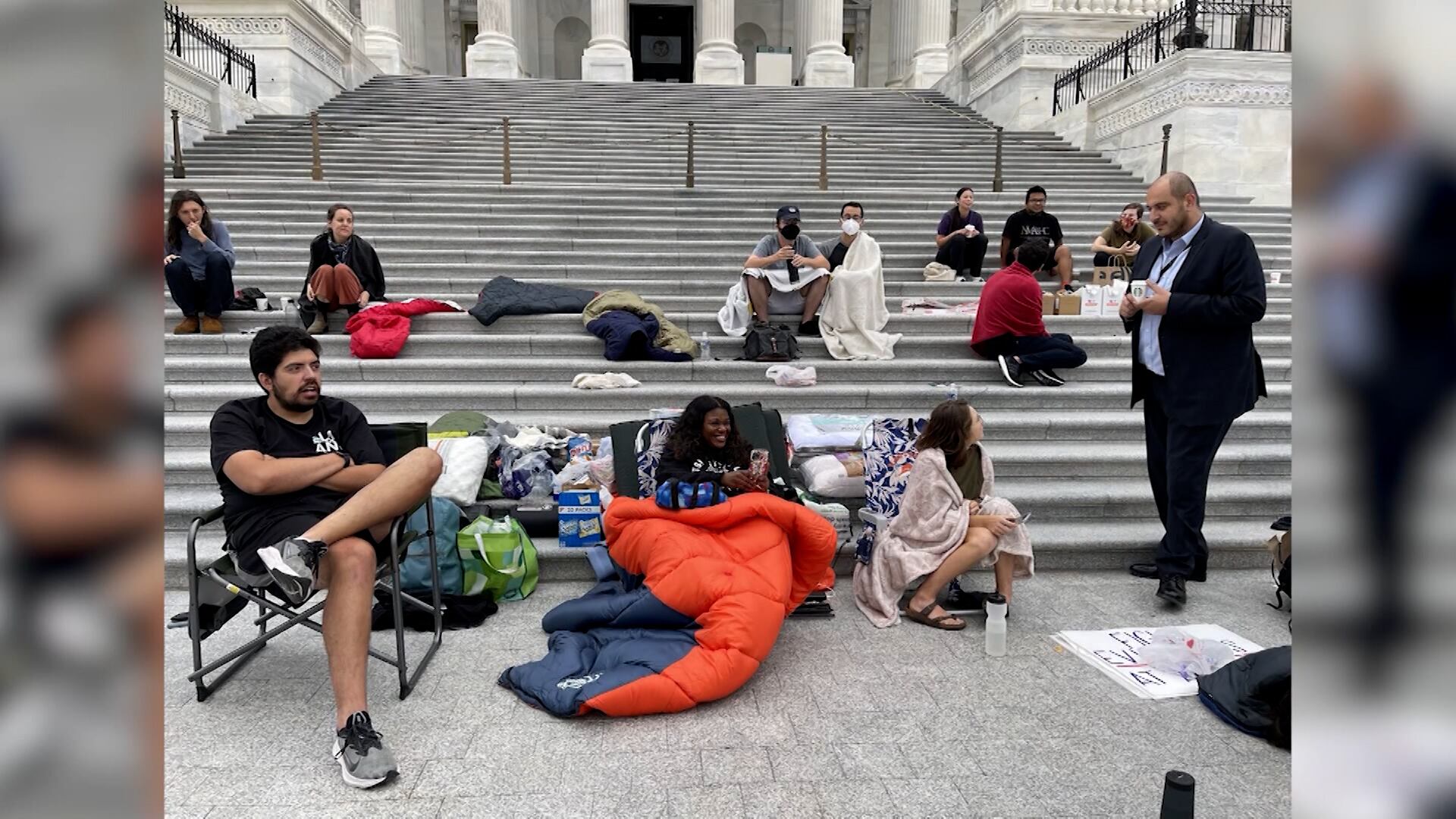
cheddar's own Arielle Hixon puts the spotlight on three lawmakers making that happen, Rep. Lauren Underwood (D-IL), Rep. Cori Bush (D-MO), and Sen. Tim Scott (R-SC).
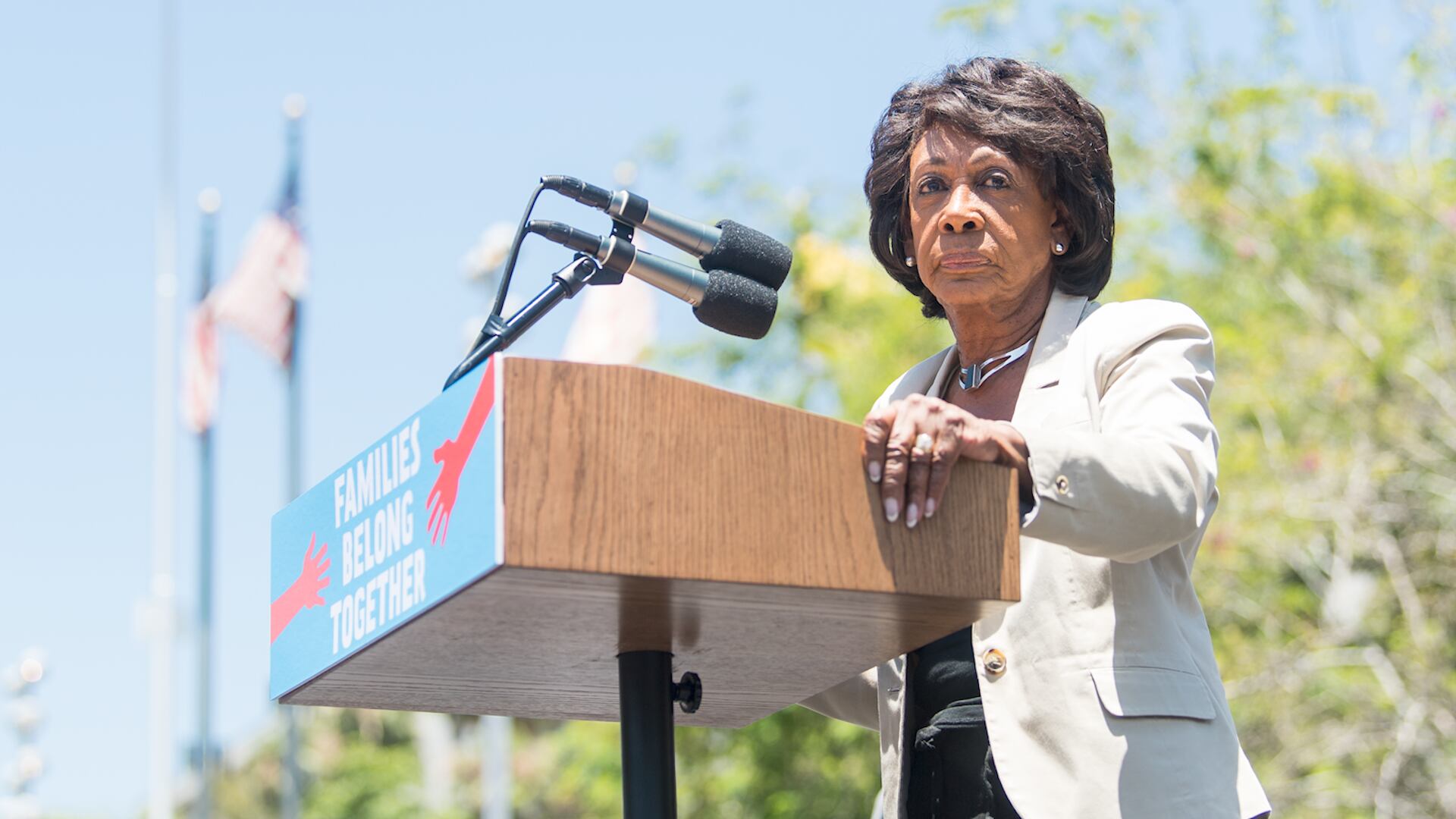
Representative Maxine Waters (D-Calif. 43rd District) joined Cheddar News to talk about the current political climate in America, including efforts to roll back voting rights in multiple states in light of Black History Month. "Why do we have to deal with those who still believe that somehow this country only belongs to the whites of the country and that somehow they have to do everything that they can to undermine our voting and do voters suppression to keep us from being influential and at the table by which to solve problems?" she asked. Waters chided "two Democrats" who she said were stymying attempts to rectify the issue and also spoke on President Biden’s promise to nominate a Black woman to the Supreme Court.
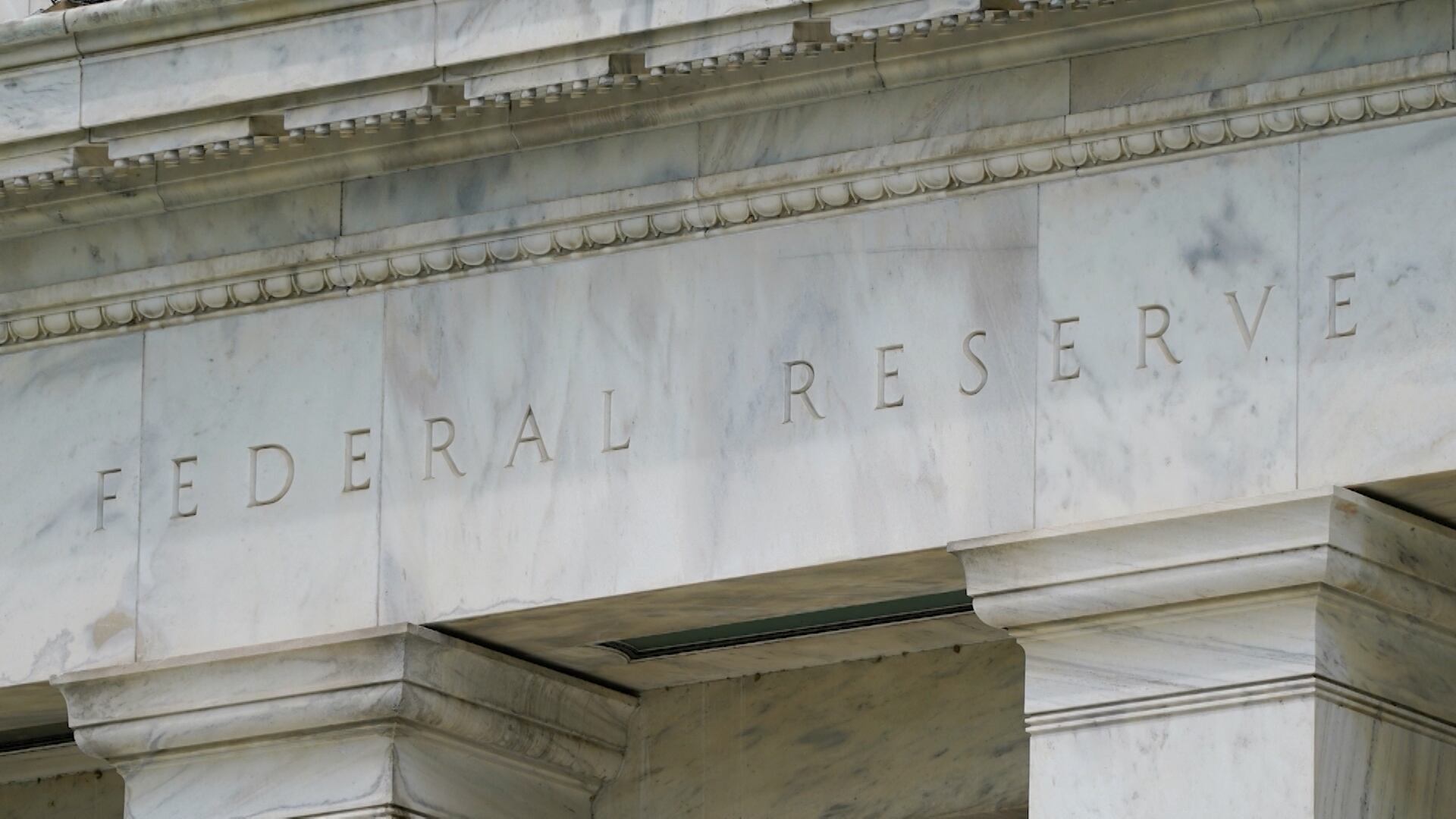
Wall Street saw another volatile day after the Federal Reserve left rates unchanged for now, with plans to raise rates in March at its next meeting in order to ease inflation. Fed Chair Jerome Powell said the Fed has not made decisions on the size of rate increases, adding that the Fed is not trying to get inflation below two-percent. Ken Johnson, CFA and Investment Strategy Analyst explains why Powell thinks that high inflation is a significant threat to the labor market.
Anu Gaggar, global investment strategist for Commonwealth Financial Network, joined Cheddar News to discuss how global supply chains could be disrupted even further by an armed conflict in Ukraine.
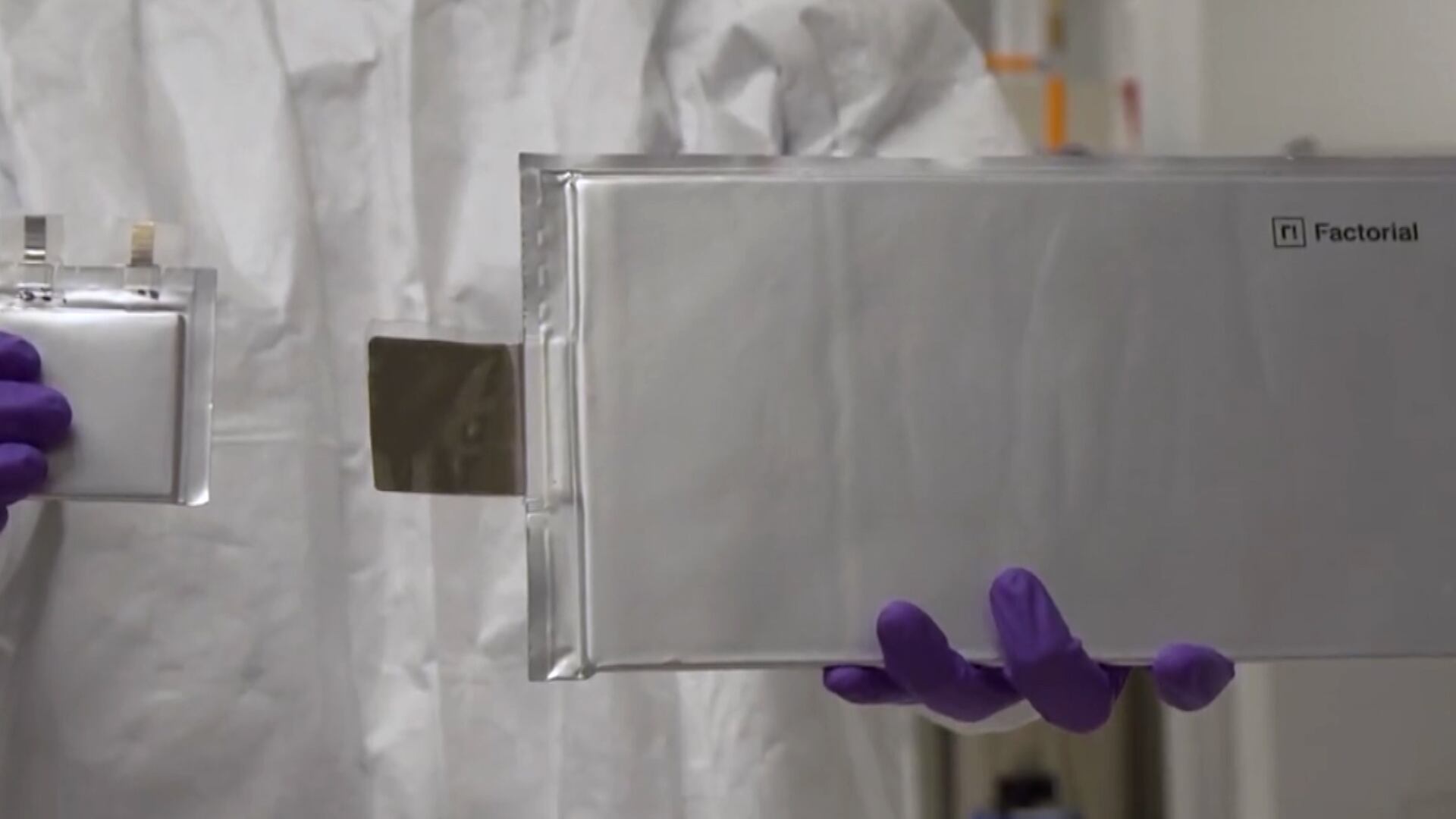
Solid-state battery maker Factorial Energy recently raised $200 million in a Series D round led by Mercedes-Benz and Stellantis. Factorial says the funding will be used to accelerate commercial production and deployment of its solid-state battery technology, which the company says is safer, and offers up to 50% more driving range than current lithium-ion technology. Factorial also has joint development agreements (announced in late 2021) with Mercedes-Benz, Stellantis, and Hyundai, three of the top 10 global automotive manufacturers, to commercialize its batteries. Factorial CEO Siyu Huang joined Cheddar News' Closing Bell to discuss.