*By Justin Chermol*
The newly appointed vice chairman of the House Foreign Affairs Committee, Rep. Joaquin Castro (D-Tex.), said he is "absolutely" concerned that Chinese telecommunication giant Huawei poses a threat to national security in an interview on Cheddar Tuesday.
"I do have that concern," Castro told Cheddar's J.D. Durkin. He noted that he helped push a bipartisan amendment to the National Defense Authorization Act last year to prevent government grants or loans being used to pay for Huawei services.
The Department of Justice unsealed two separate indictments on Monday against the company and its CFO Meng Wanzhou, who was arrested in December. The cases claim the company and its leaders attempted to steal trade secrets from rival T-Mobile, promised bonuses to employees in exchange for intel on competitors, and sought to evade U.S. sanctions on Iran.
"With China, our overarching strategy has to be to respect them when they compete, but also to stop them when they cheat," he said.
Castro is particularly disturbed by prospect of Huawei lifting T-Mobile's technology for its own gain.
"What you see with China is the outright theft of trade secrets and technology and then taking that technology, in this case from T-Mobile, and using it for the benefit of Chinese companies without ever doing any of the innovation or the hard work ー or spending the money in terms of research or development to understand it themselves," he said.
The indictments may coincide with trade talks between the U.S. and Chinese officials, but Castro said that the meetings scheduled for Wednesday and Thursday are unrelated to the charges leveled against Huawei.
"We should be able to separate out some sort of cheating or malfeasance from what we do in terms of talking about trade," he said.
For full interview [click here](https://cheddar.com/videos/rep-joaquin-castro-talks-mueller-probe-huawei-charges-and-more).
Stocks turned lower Friday on Wall Street after New York became the latest major state to mandate nearly all workers stay home to limit the spread of the new coronavirus.
Senator Richard Burr (R-N.C.) is under intense scrutiny after an NPR report showed that he revealed the severity of the impending coronavirus crisis to a group of North Carolinians in private and warned of major life disruptions weeks before the federal government did the same. And, as the coronavirus outbreak continues to wreak havoc on supply chains, hospitals and markets, new financial disclosures show that Burr made big money moves before the indices showed the historic declines seen in recent weeks.
More than 60 percent of Americans also think a recession will come in the next year, according to a new study by YouGov.
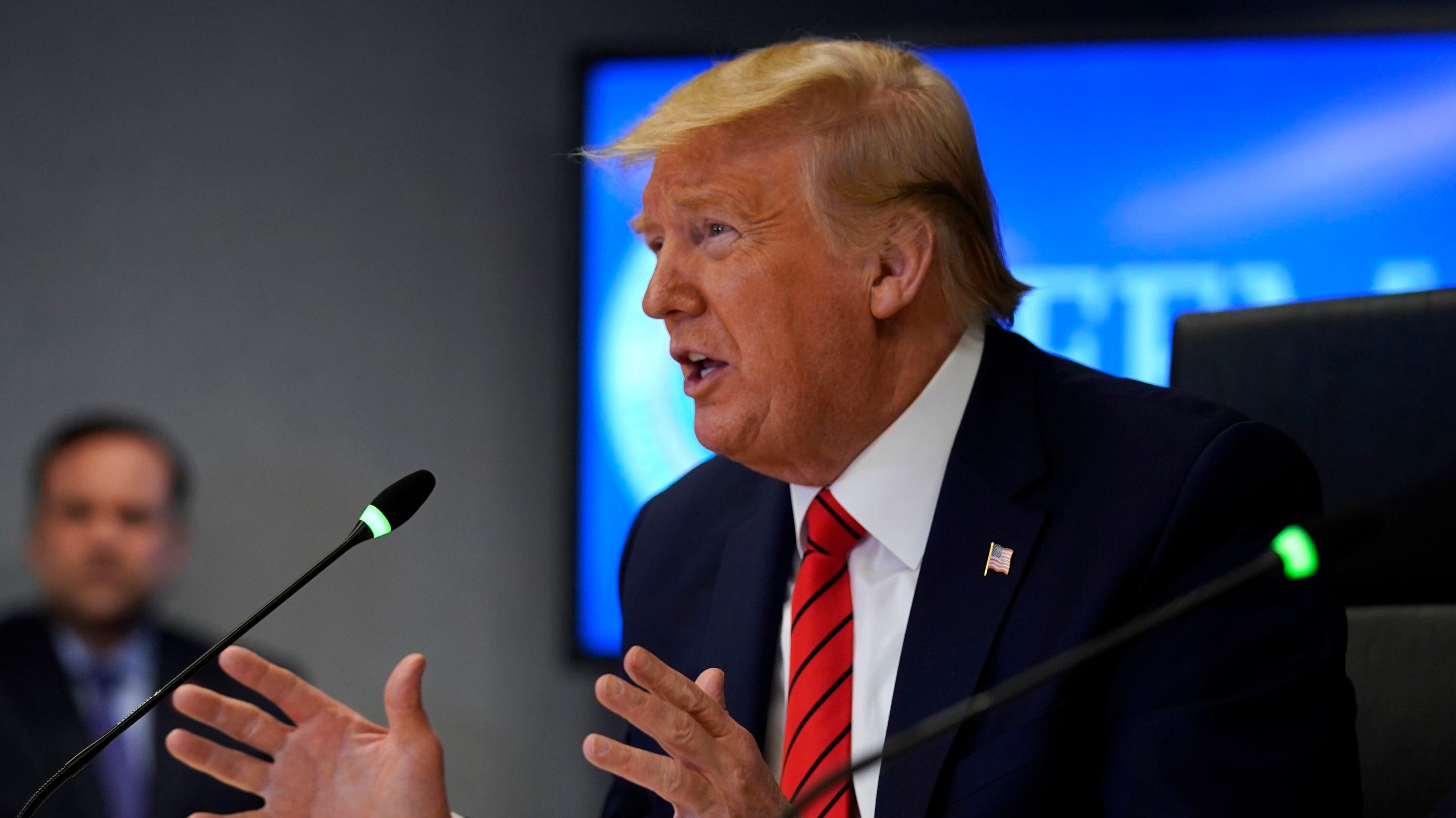
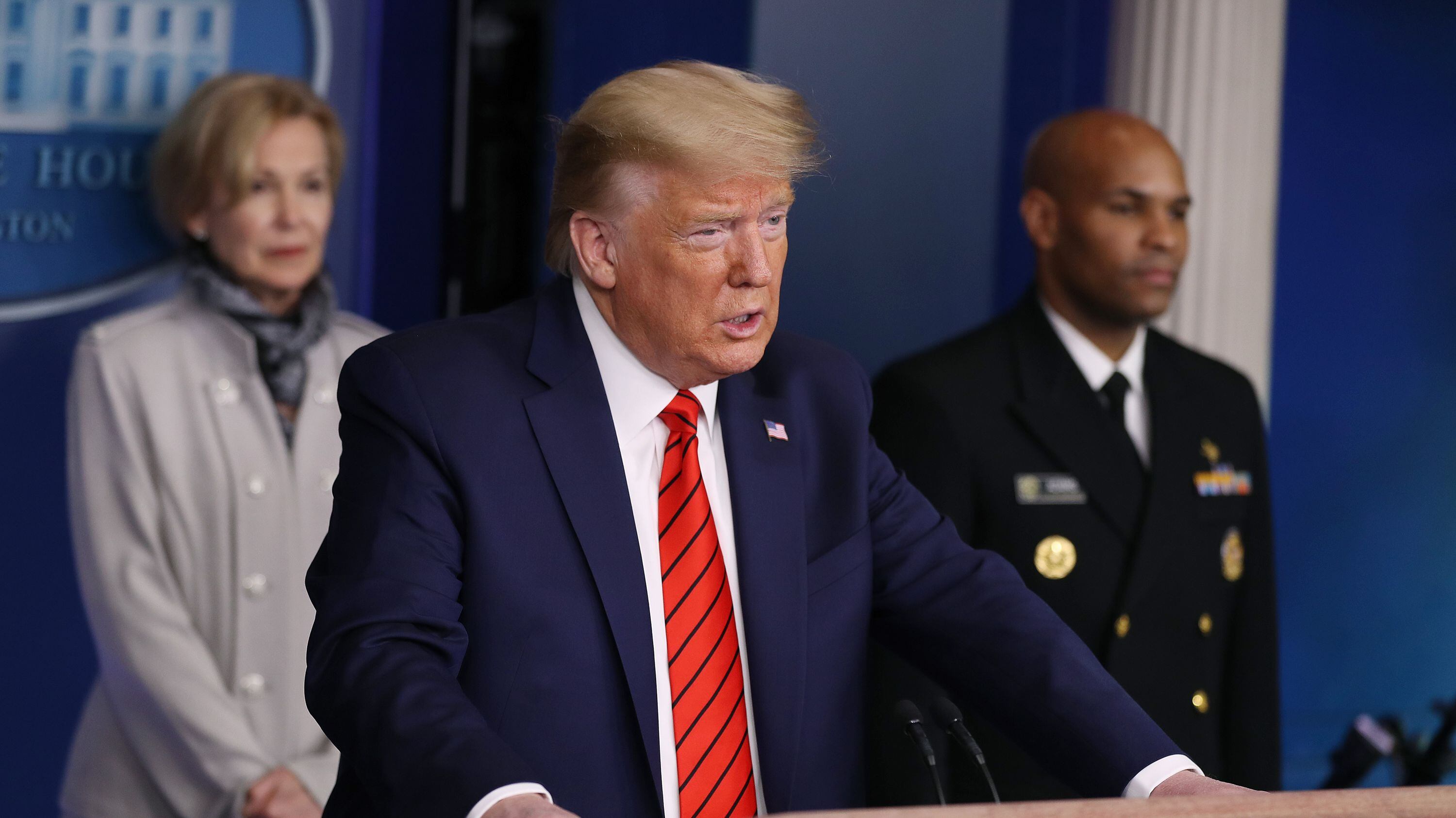
Trump’s coronavirus task force on Thursday afternoon visited the Federal Emergency Management Agency to hear from several governors about the challenges facing their states.
In the morning conference, the governor also waived mortgage payments for 90 days and revealed the spike in new cases bringing the full total to 4,152, the most in the nation.
The drug, hydroxychloroquine, was developed more than a half-century ago and is approved for treating malaria, arthritis, and other ailments. Reports out of China and Italy suggest the drug may help, but there is no hard data yet.
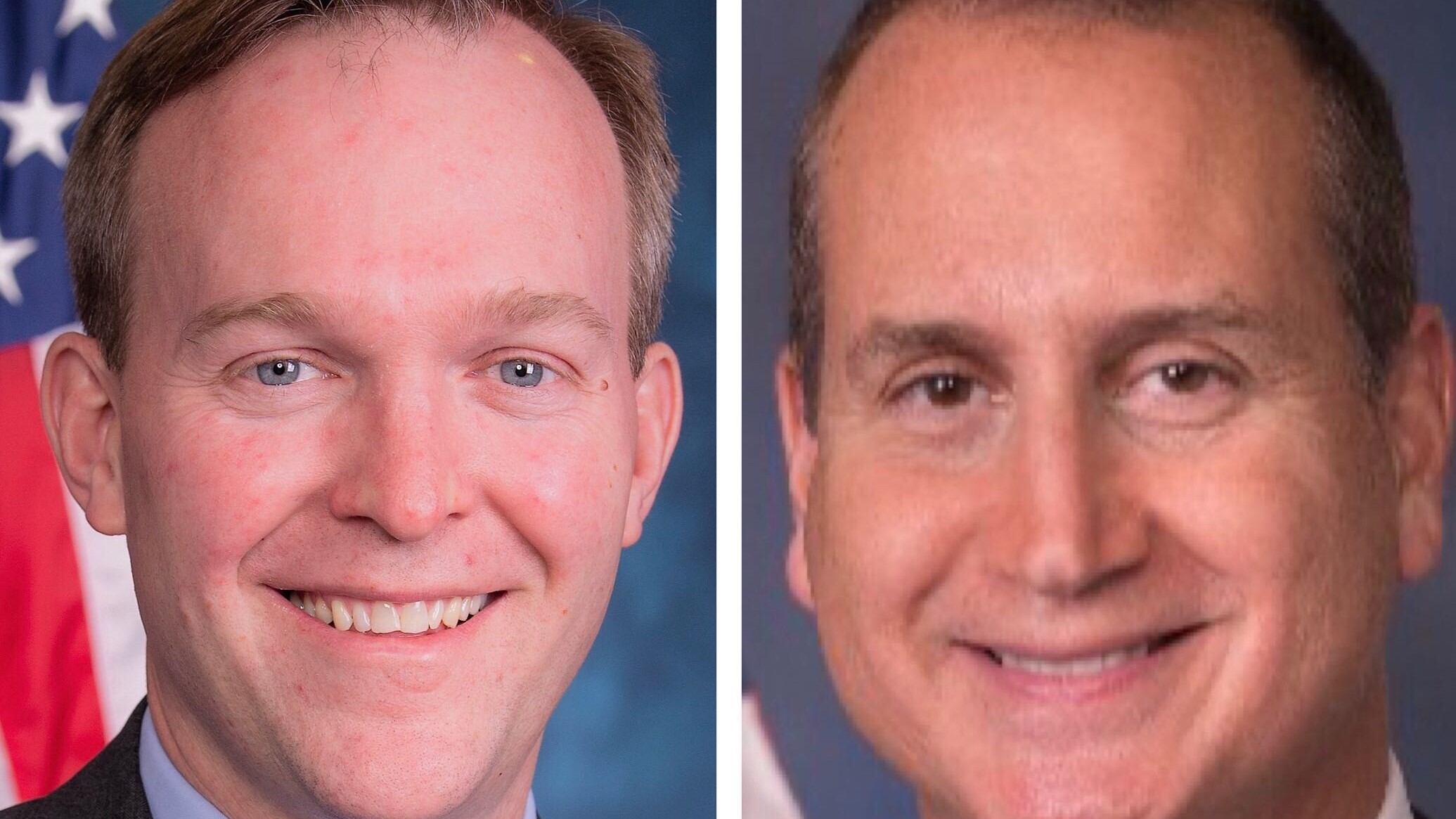
Coronavirus has hit Capitol Hill, as the first members of Congress have tested positive for the virus. Reps. Mario Diaz-Balart (R-Fla.) and Ben McAdams (D-Utah) announced diagnoses late Wednesday.
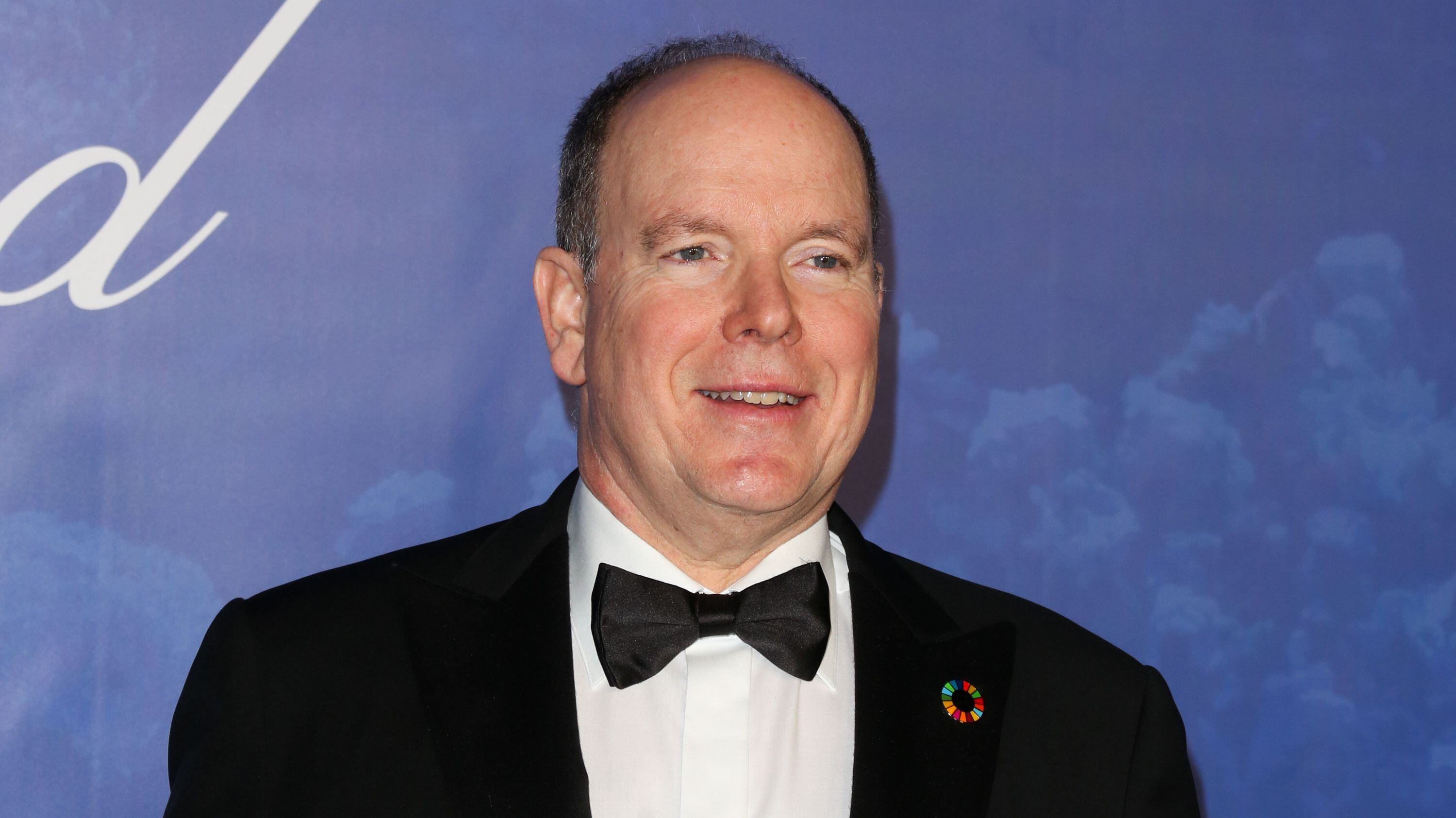
The palace of Monaco says its head of state, Prince Albert II, has tested positive for the new coronavirus. In a statement Thursday, the palace of the tiny Mediterranean principality said that his health is not worrying.
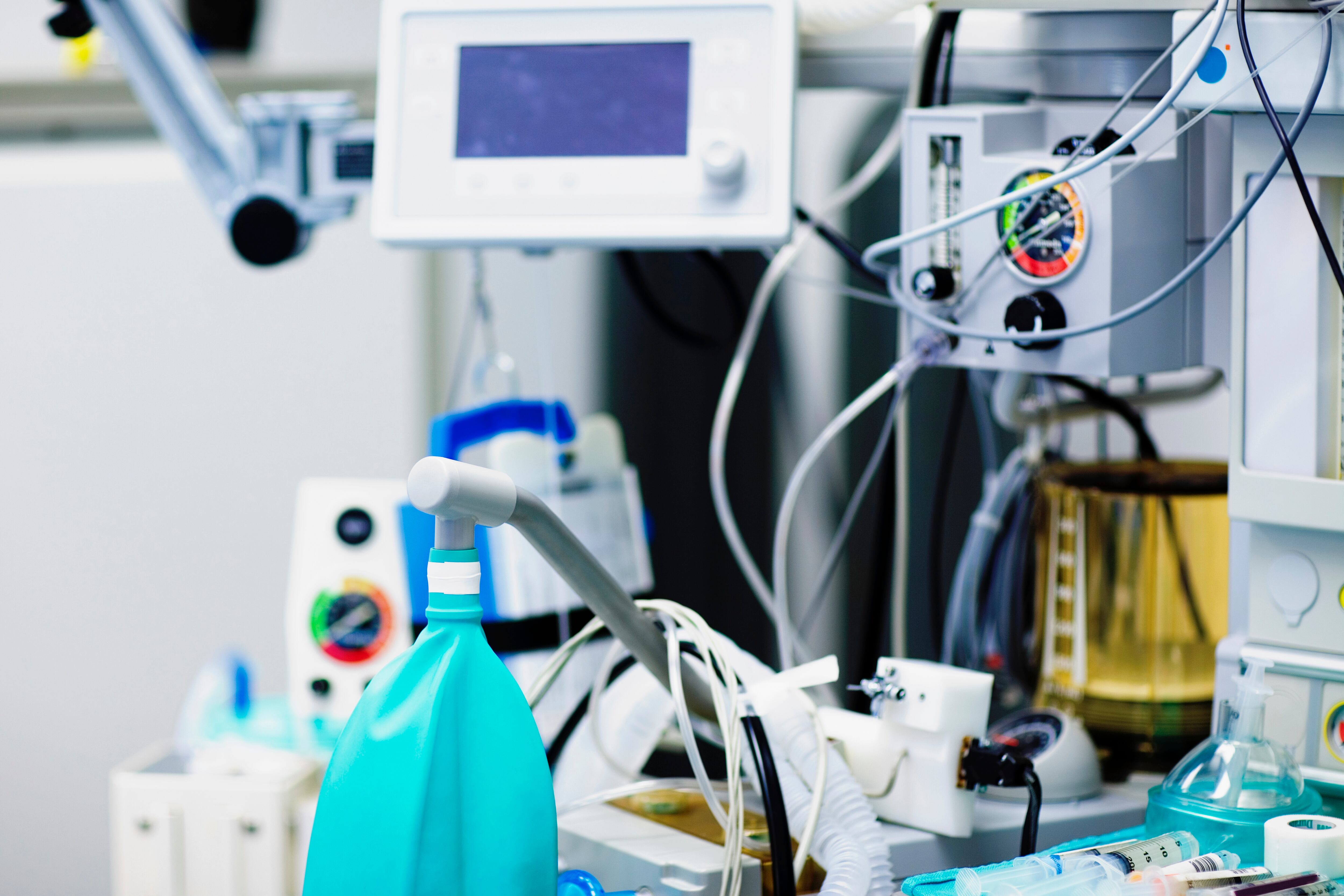
GM and Tesla are among the top U.S. automakers that are looking to potentially switch over stalled auto production into the manufacturing of badly needed medical ventilators amid the coronavirus crisis.
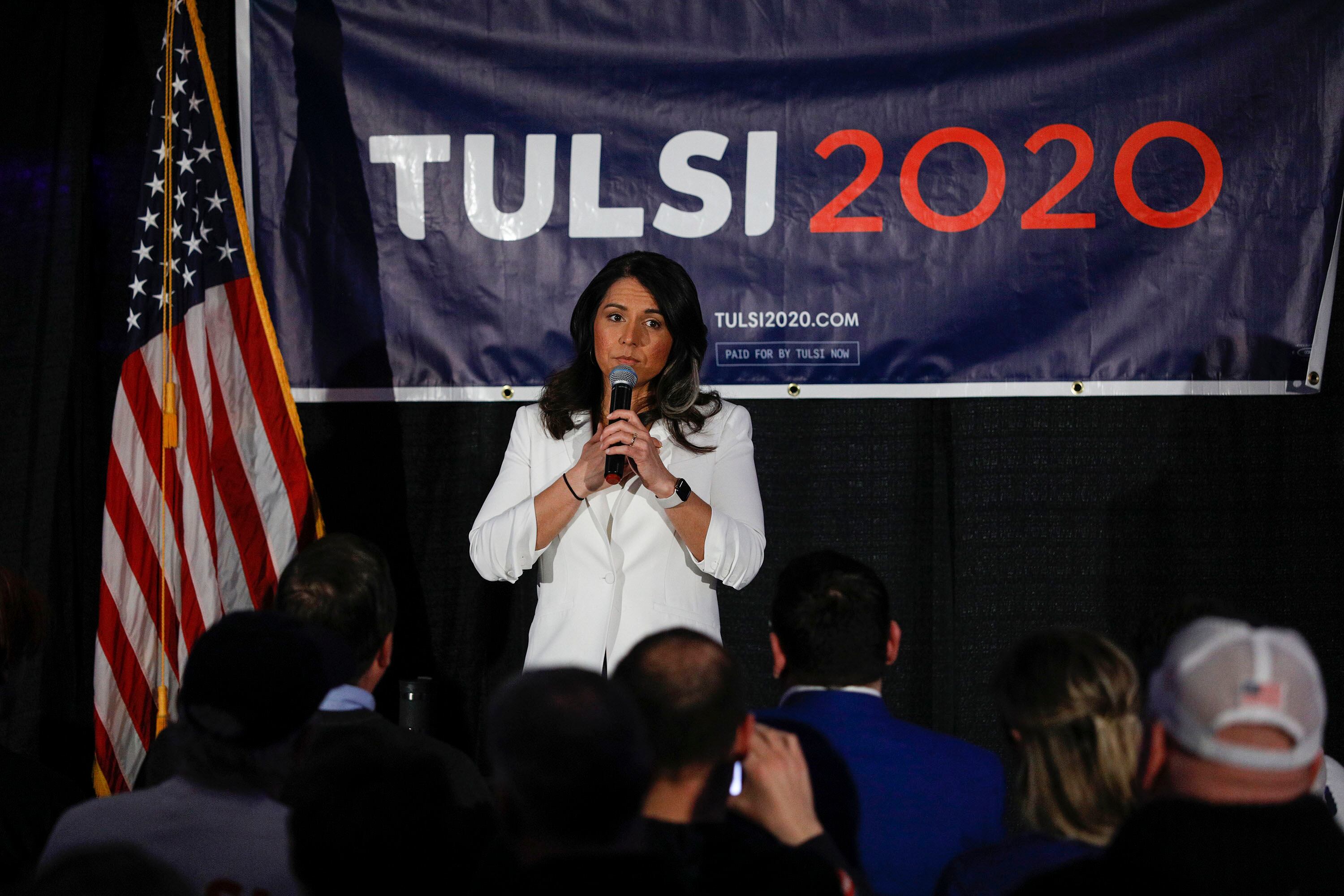
Rep. Gabbard drops out of the Democratic presidential primary race and endorses former Vice President Joe Biden.