*By Justin Chermol*
The newly appointed vice chairman of the House Foreign Affairs Committee, Rep. Joaquin Castro (D-Tex.), said he is "absolutely" concerned that Chinese telecommunication giant Huawei poses a threat to national security in an interview on Cheddar Tuesday.
"I do have that concern," Castro told Cheddar's J.D. Durkin. He noted that he helped push a bipartisan amendment to the National Defense Authorization Act last year to prevent government grants or loans being used to pay for Huawei services.
The Department of Justice unsealed two separate indictments on Monday against the company and its CFO Meng Wanzhou, who was arrested in December. The cases claim the company and its leaders attempted to steal trade secrets from rival T-Mobile, promised bonuses to employees in exchange for intel on competitors, and sought to evade U.S. sanctions on Iran.
"With China, our overarching strategy has to be to respect them when they compete, but also to stop them when they cheat," he said.
Castro is particularly disturbed by prospect of Huawei lifting T-Mobile's technology for its own gain.
"What you see with China is the outright theft of trade secrets and technology and then taking that technology, in this case from T-Mobile, and using it for the benefit of Chinese companies without ever doing any of the innovation or the hard work ー or spending the money in terms of research or development to understand it themselves," he said.
The indictments may coincide with trade talks between the U.S. and Chinese officials, but Castro said that the meetings scheduled for Wednesday and Thursday are unrelated to the charges leveled against Huawei.
"We should be able to separate out some sort of cheating or malfeasance from what we do in terms of talking about trade," he said.
For full interview [click here](https://cheddar.com/videos/rep-joaquin-castro-talks-mueller-probe-huawei-charges-and-more).
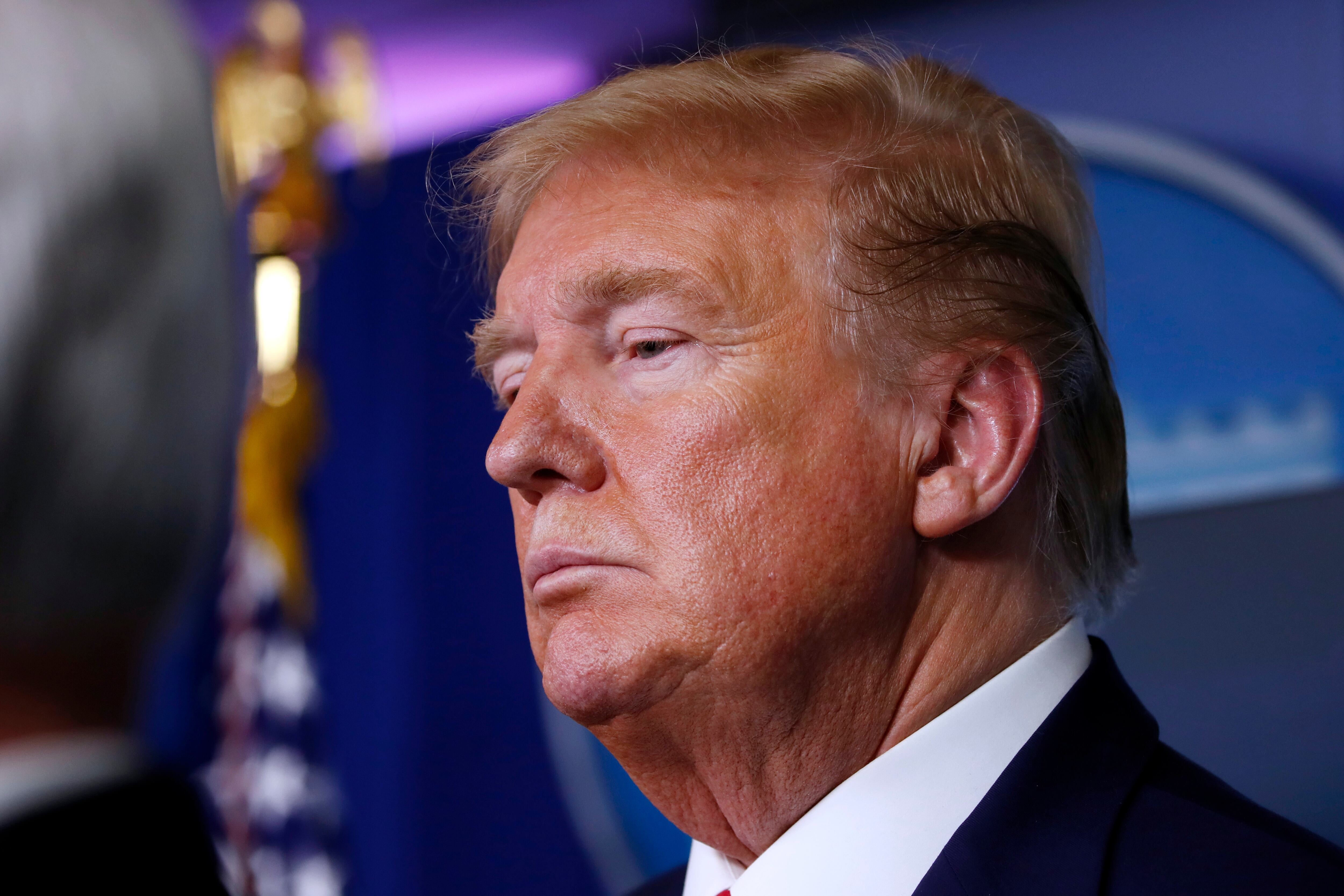
President Donald Trump said that he will sign an executive order “to temporarily suspend immigration into the United States” because of the coronavirus.
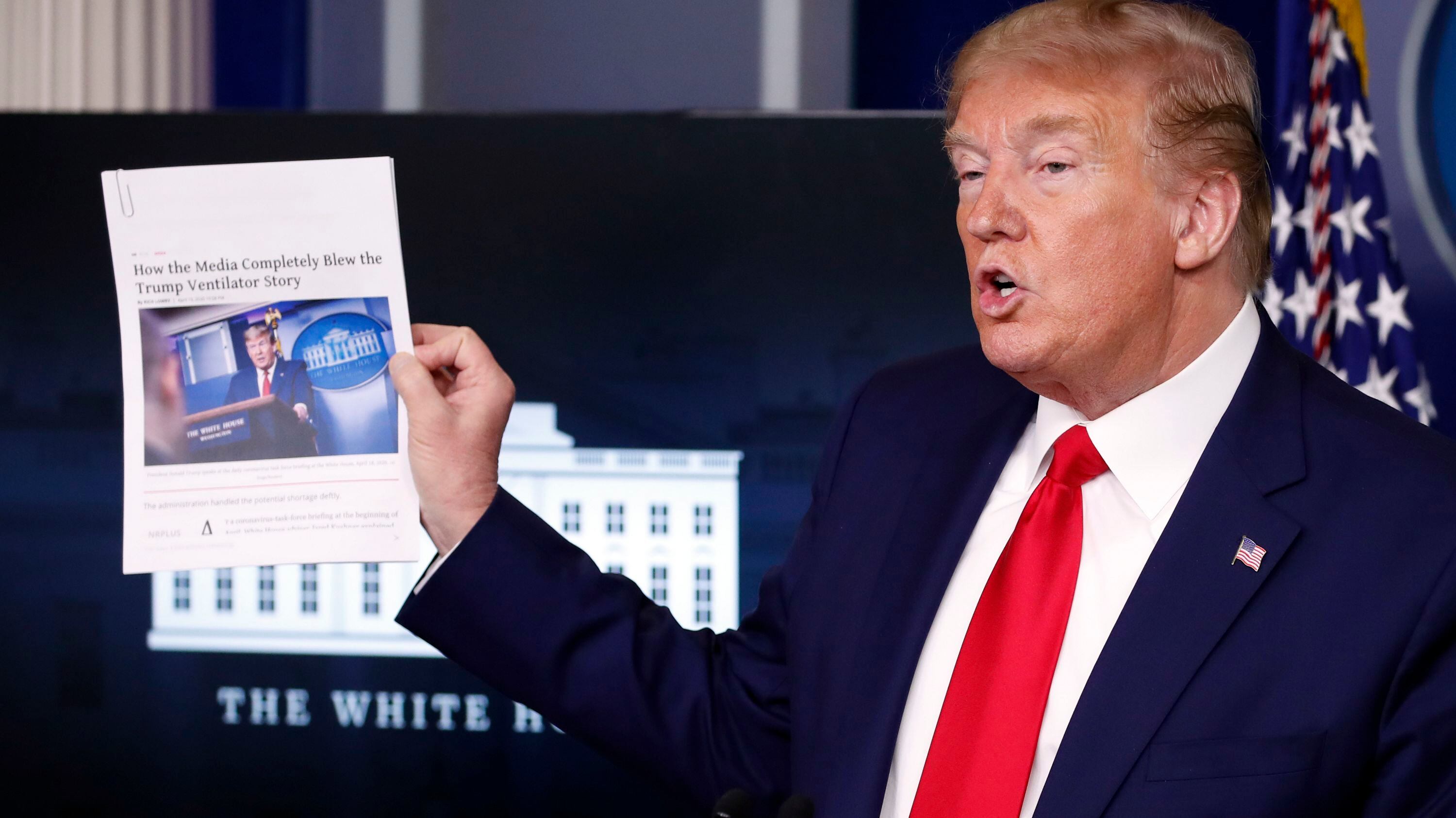
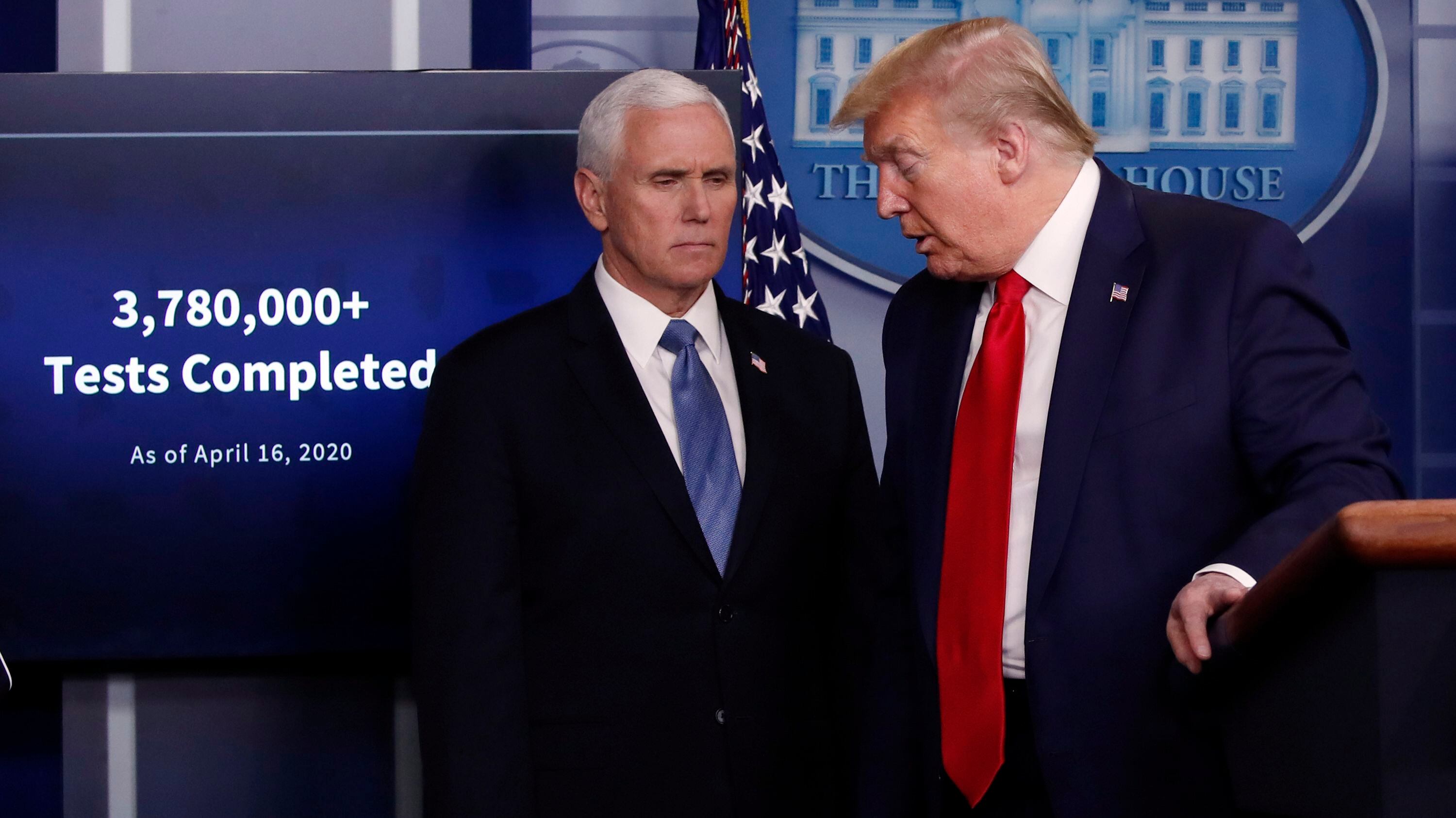
A chorus of governors from both parties pushed back hard Monday after President Donald Trump accused Democrats of playing “a very dangerous political game” by insisting there is a shortage of tests for coronavirus. The governors countered that the White House must do more to help states do the testing that's needed before they can ease up on stay-at-home orders.
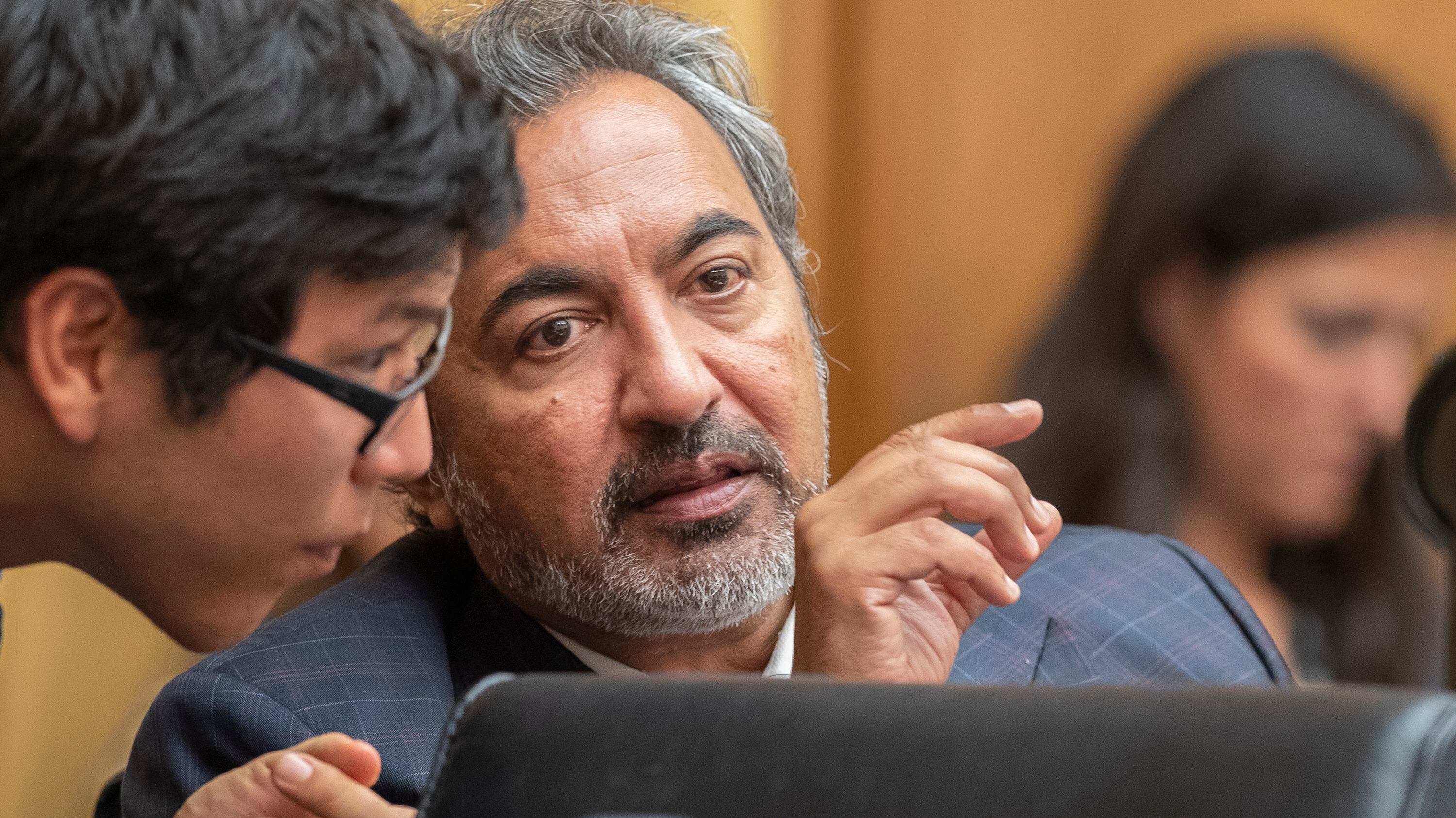
Rep. Ami Bera (D-Calif. 7th District), a doctor himself, added his voice to the chorus of experts on Monday, giving the commander-in-chief a C-minus.
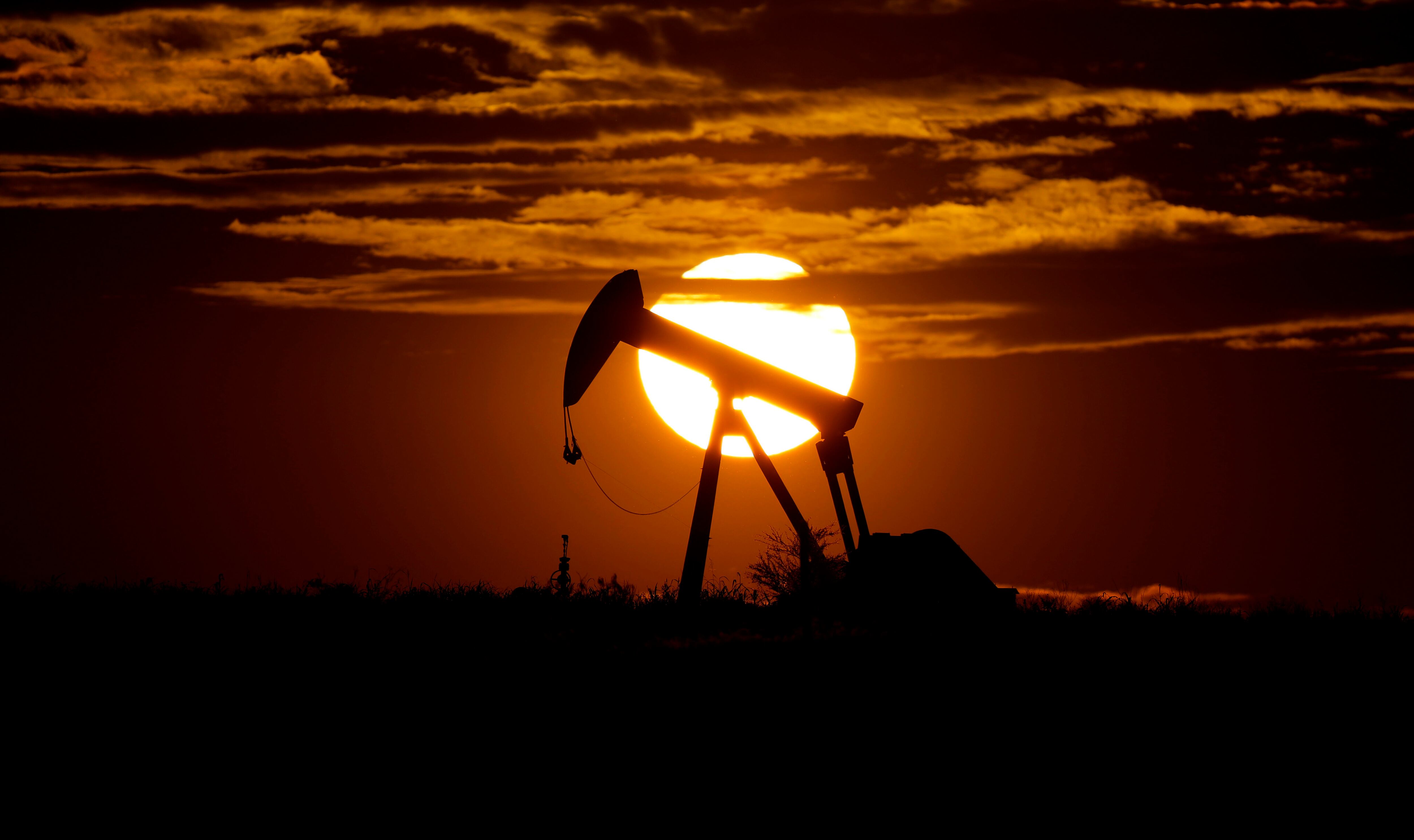
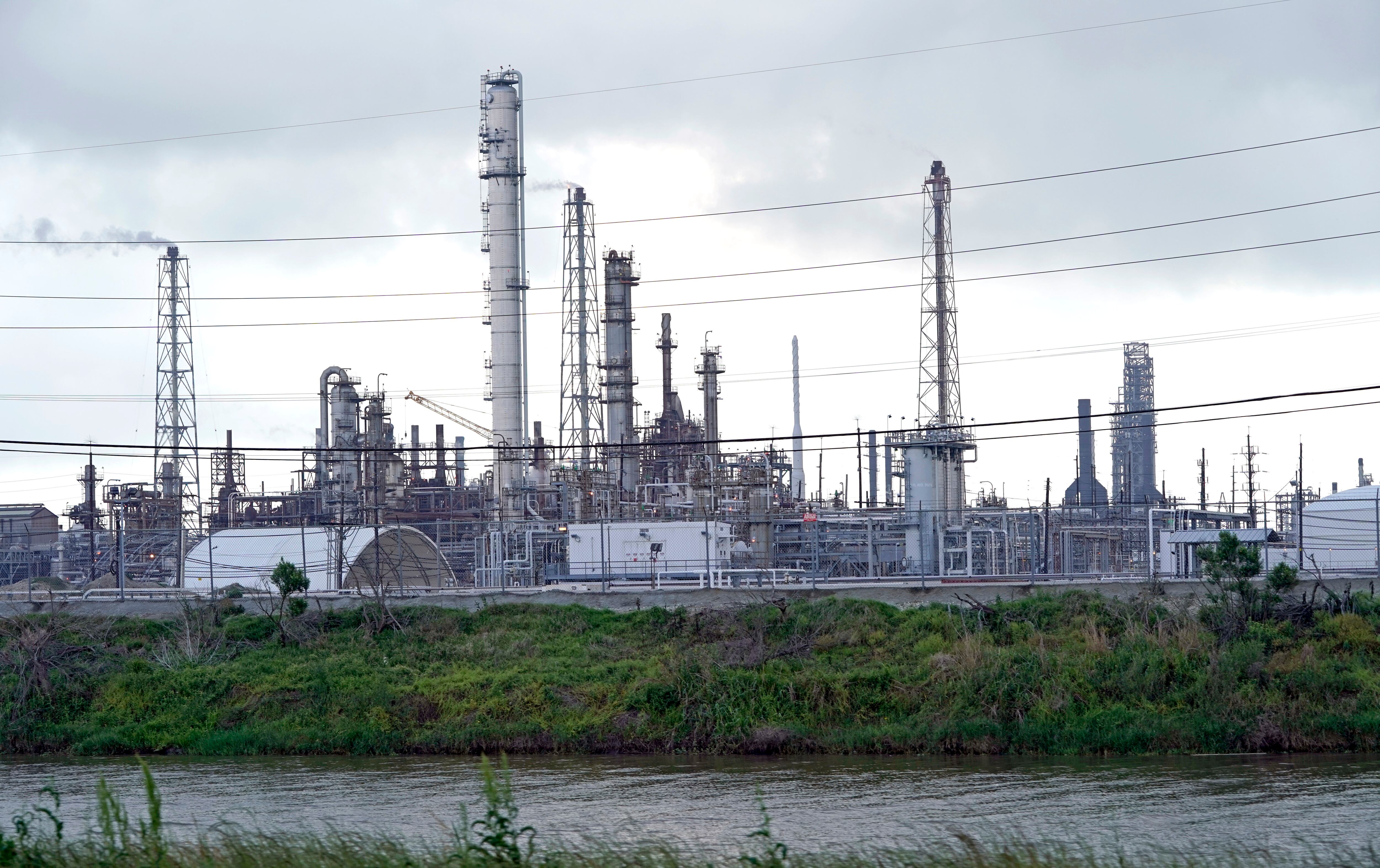
Oil prices plunged below zero on Monday as demand for energy collapses amid the coronavirus pandemic and traders didn’t want to get stuck owning crude oil with nowhere to store it. A barrel of benchmark U.S. oil for May delivery fell to negative $3.70 per barrel.
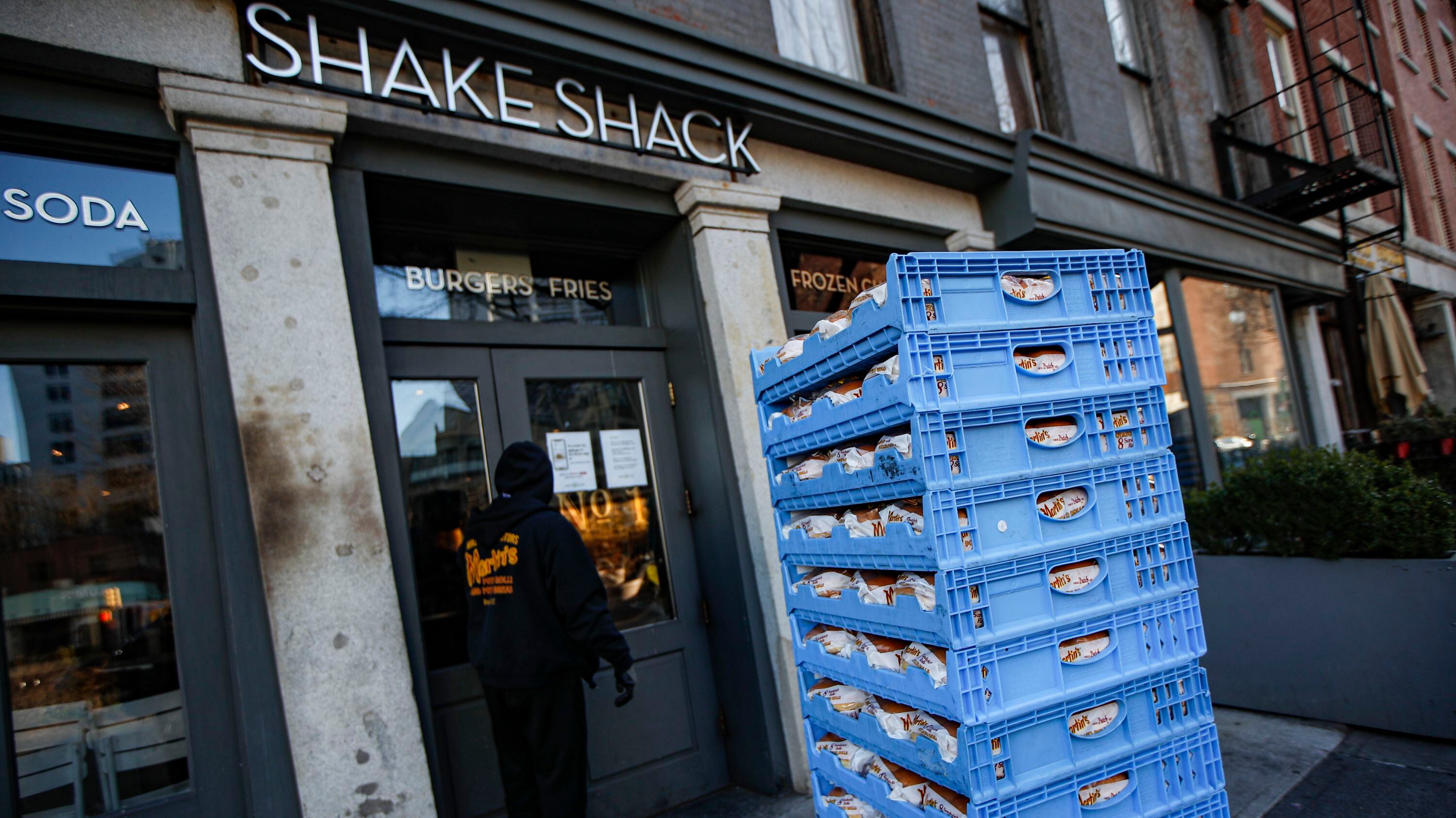
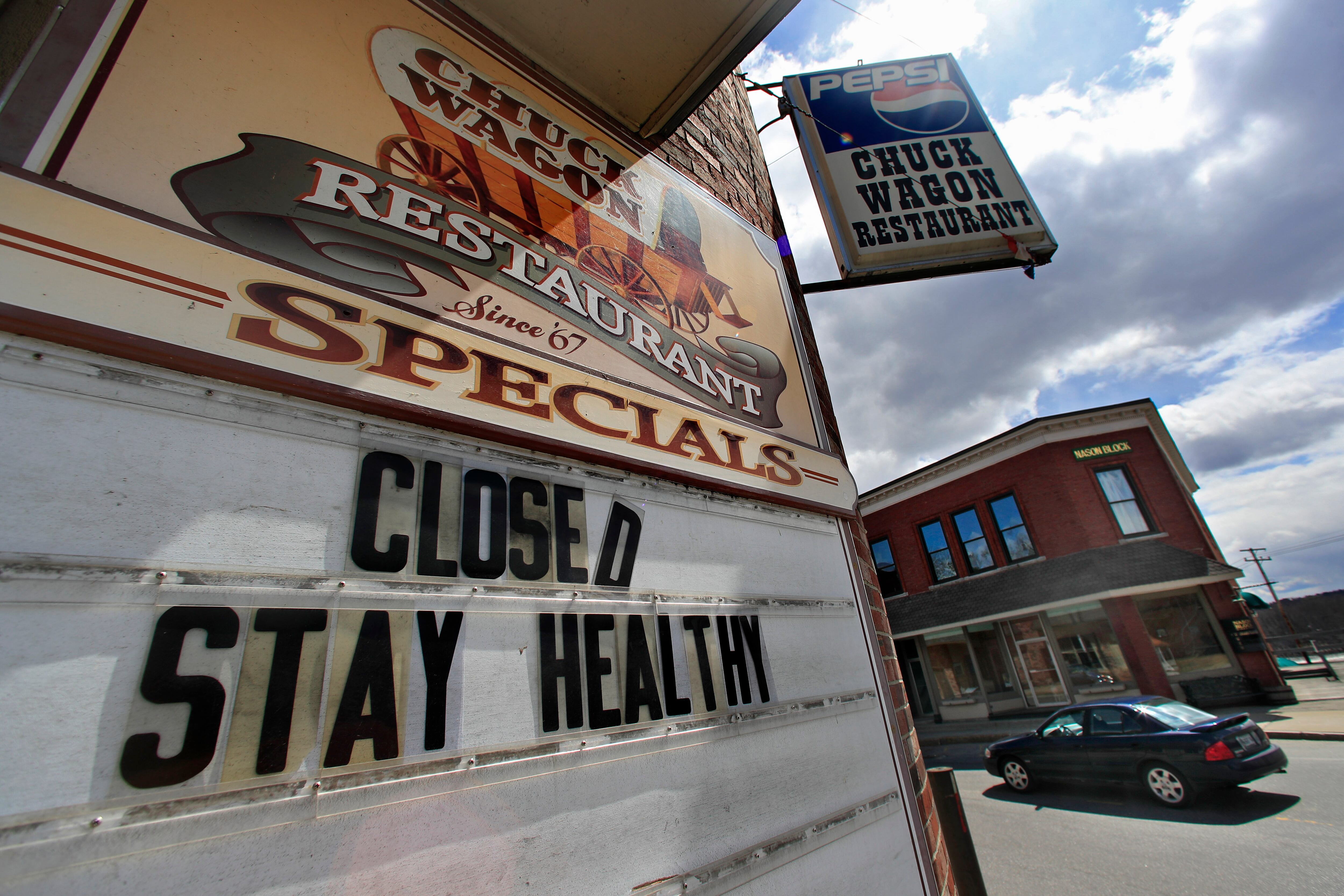
Shake Shack, one of the chains that received money, said Monday it will return its loan to give smaller restaurants a chance to get government money. Congress and the White House are close to an agreement that would add $300 billion to the program.
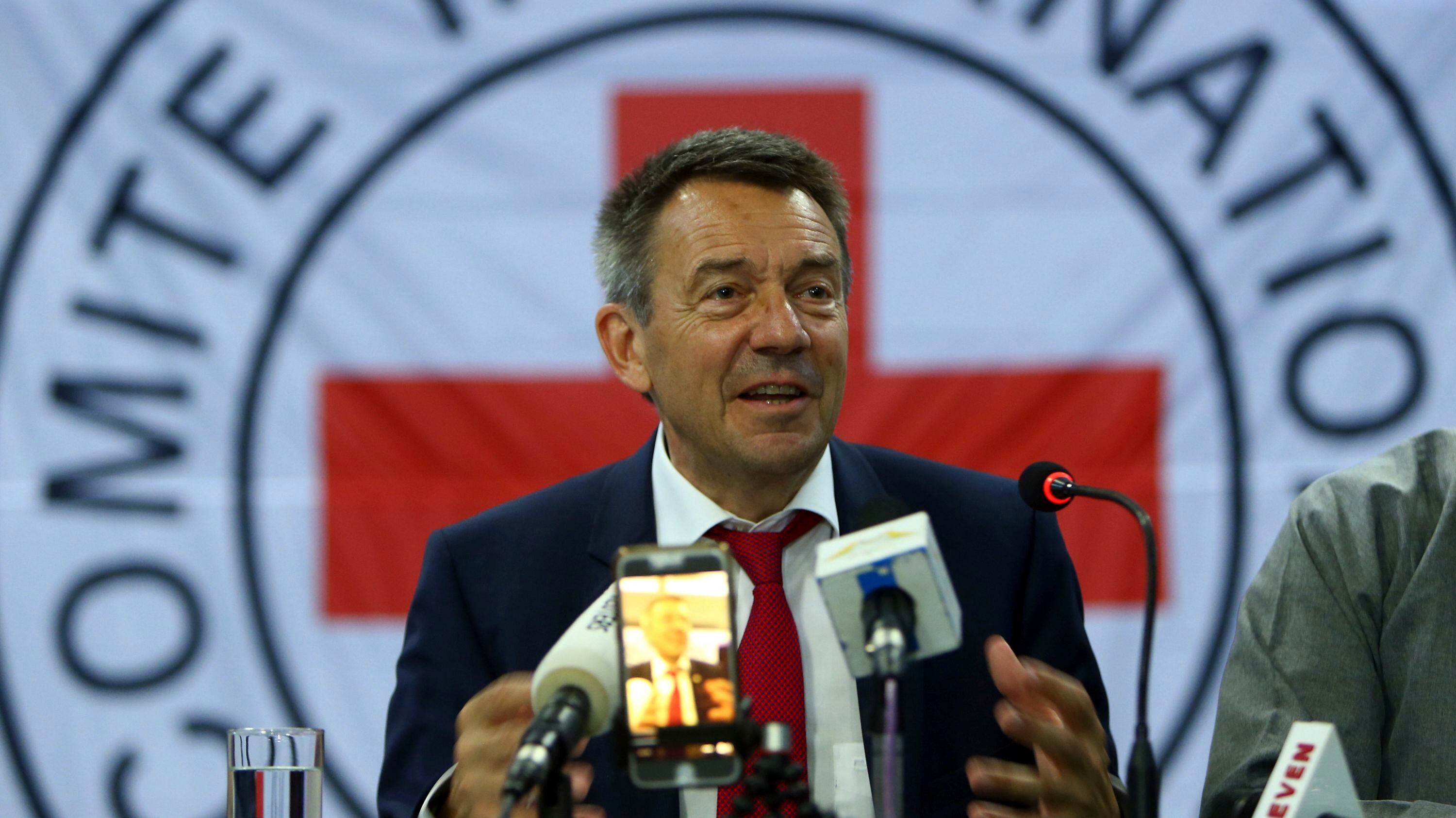
Peter Maurer, president of the International Committee of the Red Cross (ICRC), told Cheddar Monday that the countries that drew the most concerns could take this opportunity to build better health systems going forward.
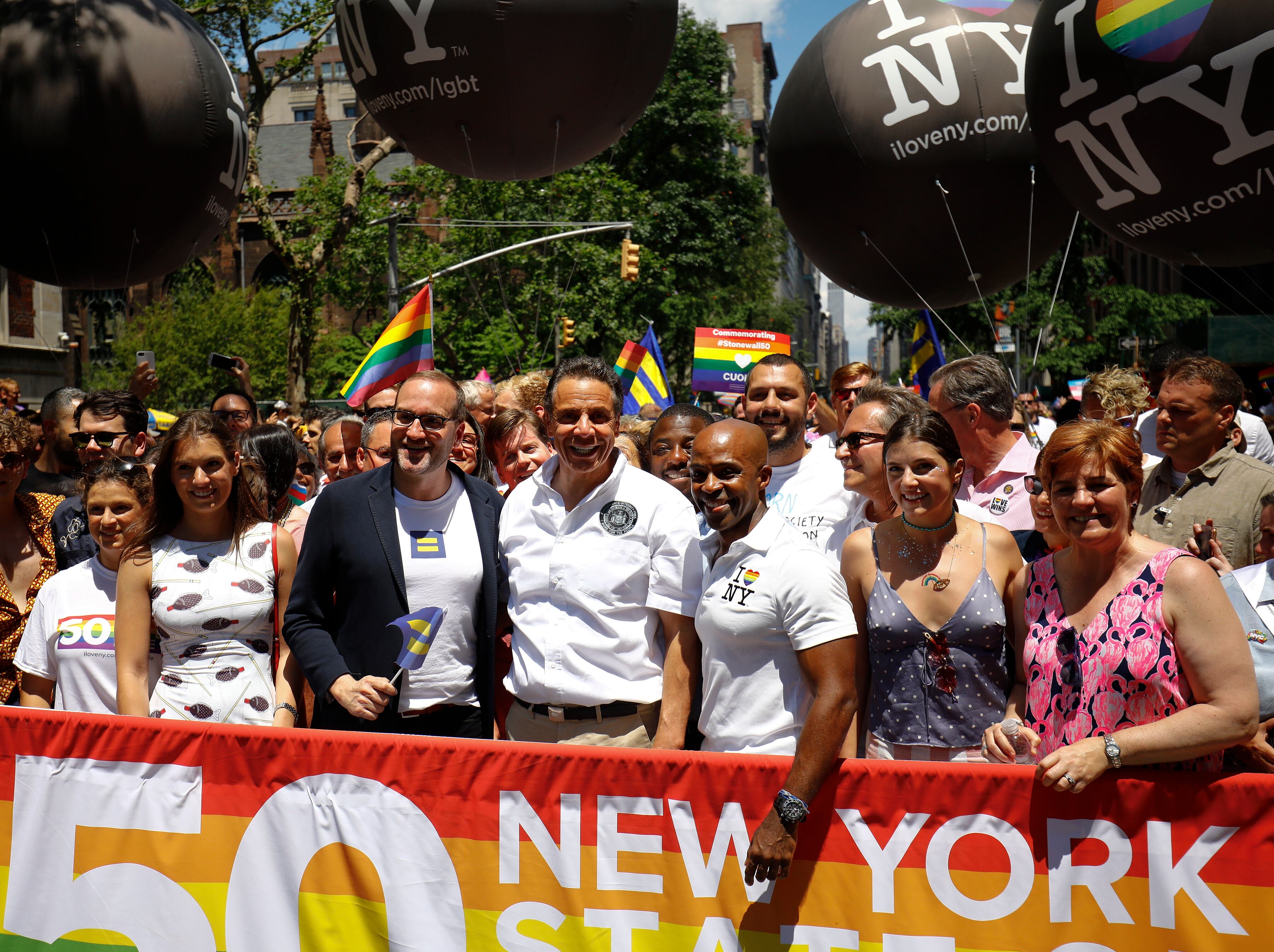
New York City won’t allow public events in June, including three of the city’s major annual celebrations: the National Puerto Rican Day Parade, the Celebrate Israel parade, and the Pride parade on its 50th anniversary.
Stocks are falling in early trading on Wall Street as oil prices collapse and momentum from a recent rally faded. Crude prices are plummeting amid concerns that storage facilities are close to being full.
The United States is struggling to test enough people for the novel coronavirus so officials can track and control the spread of the disease.
From Wall Street to Silicon Valley, these are the top stories that moved markets and had investors, business leaders, and entrepreneurs talking this week on Cheddar.