*By Justin Chermol*
The newly appointed vice chairman of the House Foreign Affairs Committee, Rep. Joaquin Castro (D-Tex.), said he is "absolutely" concerned that Chinese telecommunication giant Huawei poses a threat to national security in an interview on Cheddar Tuesday.
"I do have that concern," Castro told Cheddar's J.D. Durkin. He noted that he helped push a bipartisan amendment to the National Defense Authorization Act last year to prevent government grants or loans being used to pay for Huawei services.
The Department of Justice unsealed two separate indictments on Monday against the company and its CFO Meng Wanzhou, who was arrested in December. The cases claim the company and its leaders attempted to steal trade secrets from rival T-Mobile, promised bonuses to employees in exchange for intel on competitors, and sought to evade U.S. sanctions on Iran.
"With China, our overarching strategy has to be to respect them when they compete, but also to stop them when they cheat," he said.
Castro is particularly disturbed by prospect of Huawei lifting T-Mobile's technology for its own gain.
"What you see with China is the outright theft of trade secrets and technology and then taking that technology, in this case from T-Mobile, and using it for the benefit of Chinese companies without ever doing any of the innovation or the hard work ー or spending the money in terms of research or development to understand it themselves," he said.
The indictments may coincide with trade talks between the U.S. and Chinese officials, but Castro said that the meetings scheduled for Wednesday and Thursday are unrelated to the charges leveled against Huawei.
"We should be able to separate out some sort of cheating or malfeasance from what we do in terms of talking about trade," he said.
For full interview [click here](https://cheddar.com/videos/rep-joaquin-castro-talks-mueller-probe-huawei-charges-and-more).
Driven by a rare urgency, Senate Republicans are poised to unveil an extensive package of policing changes that includes new restrictions on police chokeholds and other practices.
From Wall Street to Silicon Valley, these are the top stories that moved markets and had investors, business leaders, and entrepreneurs talking this week on Cheddar.
In its semi-annual monetary policy report to Congress, the central bank said that the COVID-19 outbreak was causing “tremendous human and economic hardship across the United States and around the world.”
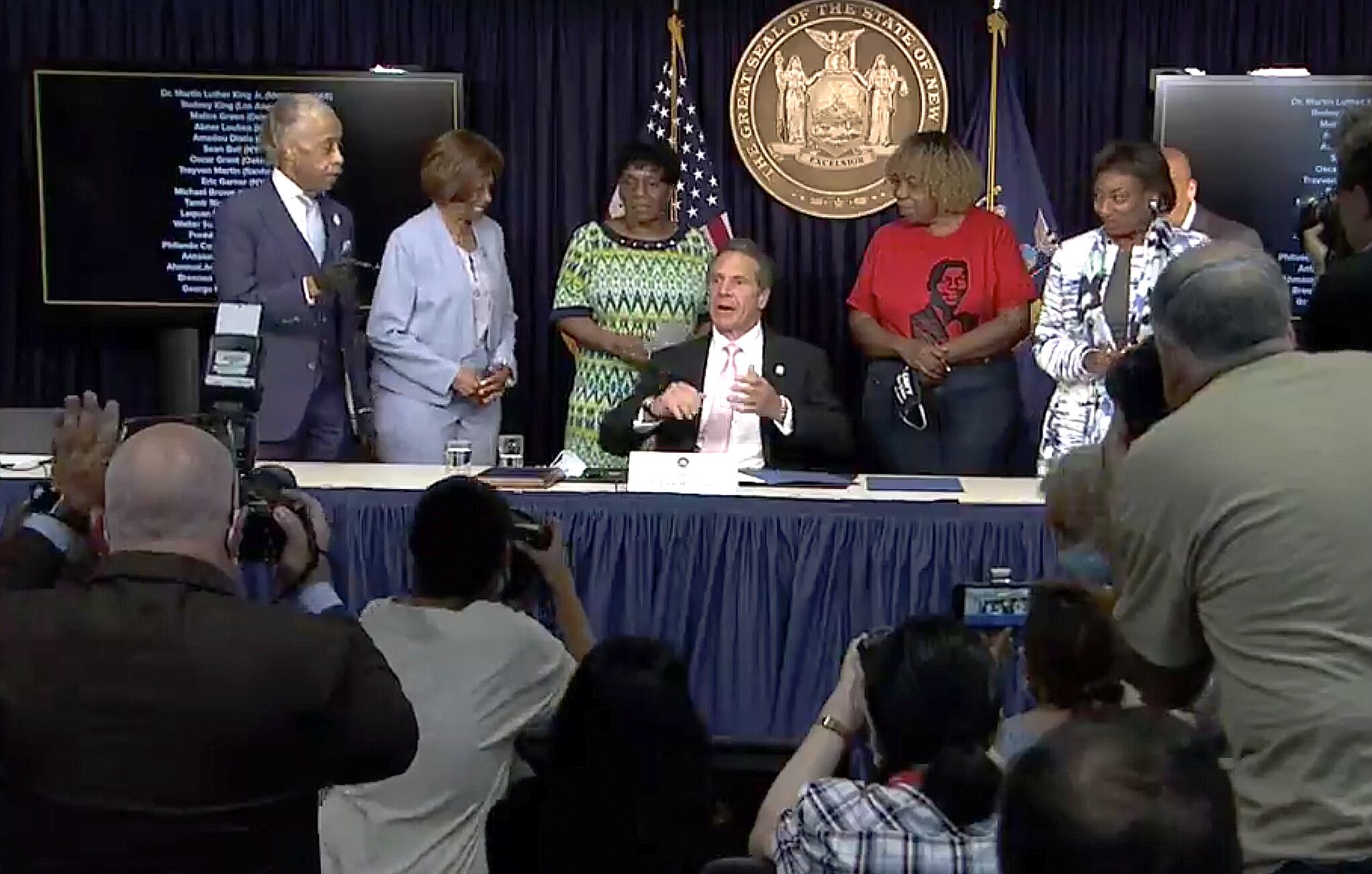
New York Gov. Andrew Cuomo has signed into law a sweeping package of police accountability measures that received new backing following protests of George Floyd's killing.
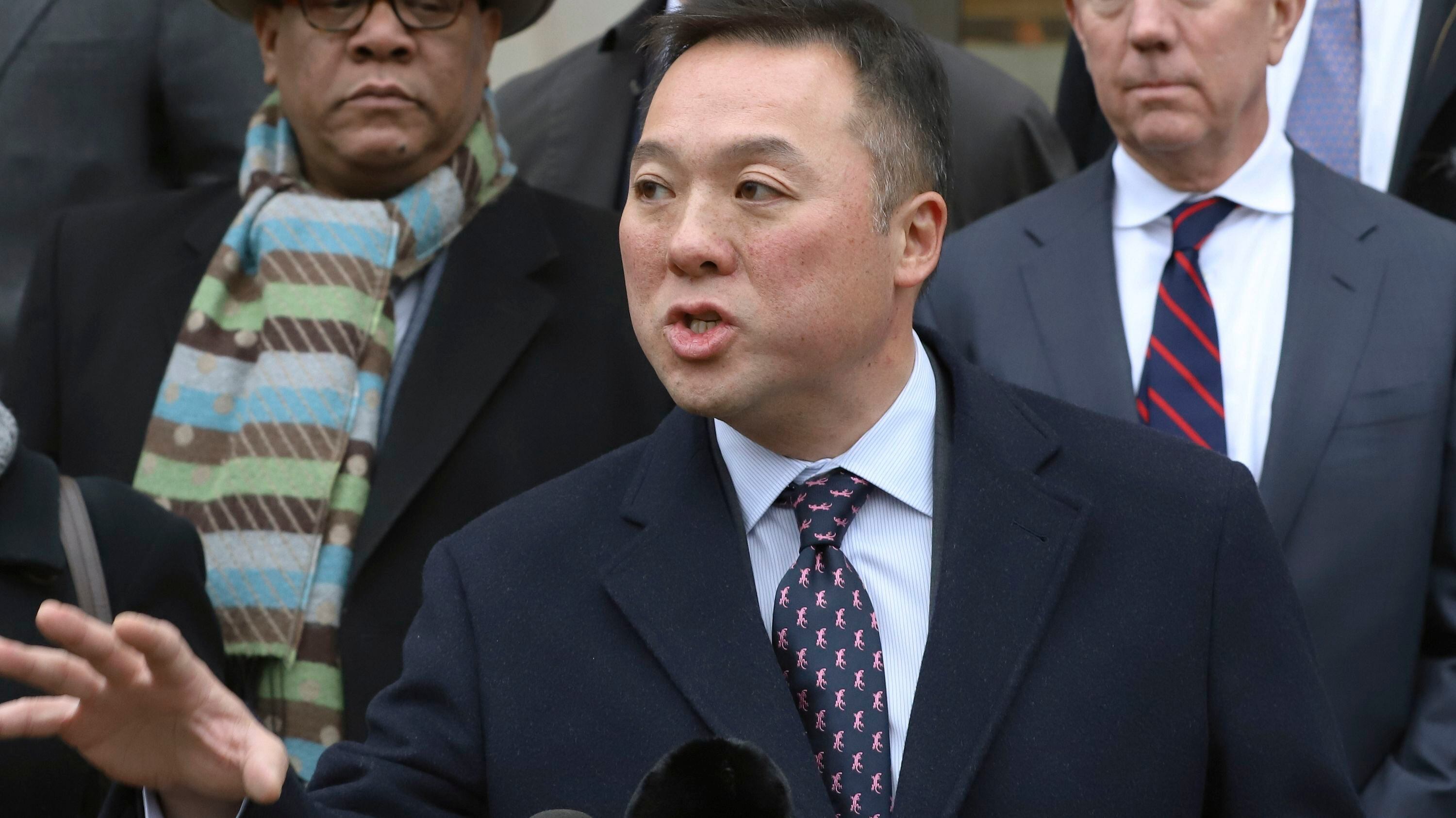
Connecticut Attorney General William Tong joined Cheddar to discuss the details of the investigation into the price-fixing of generic drugs.
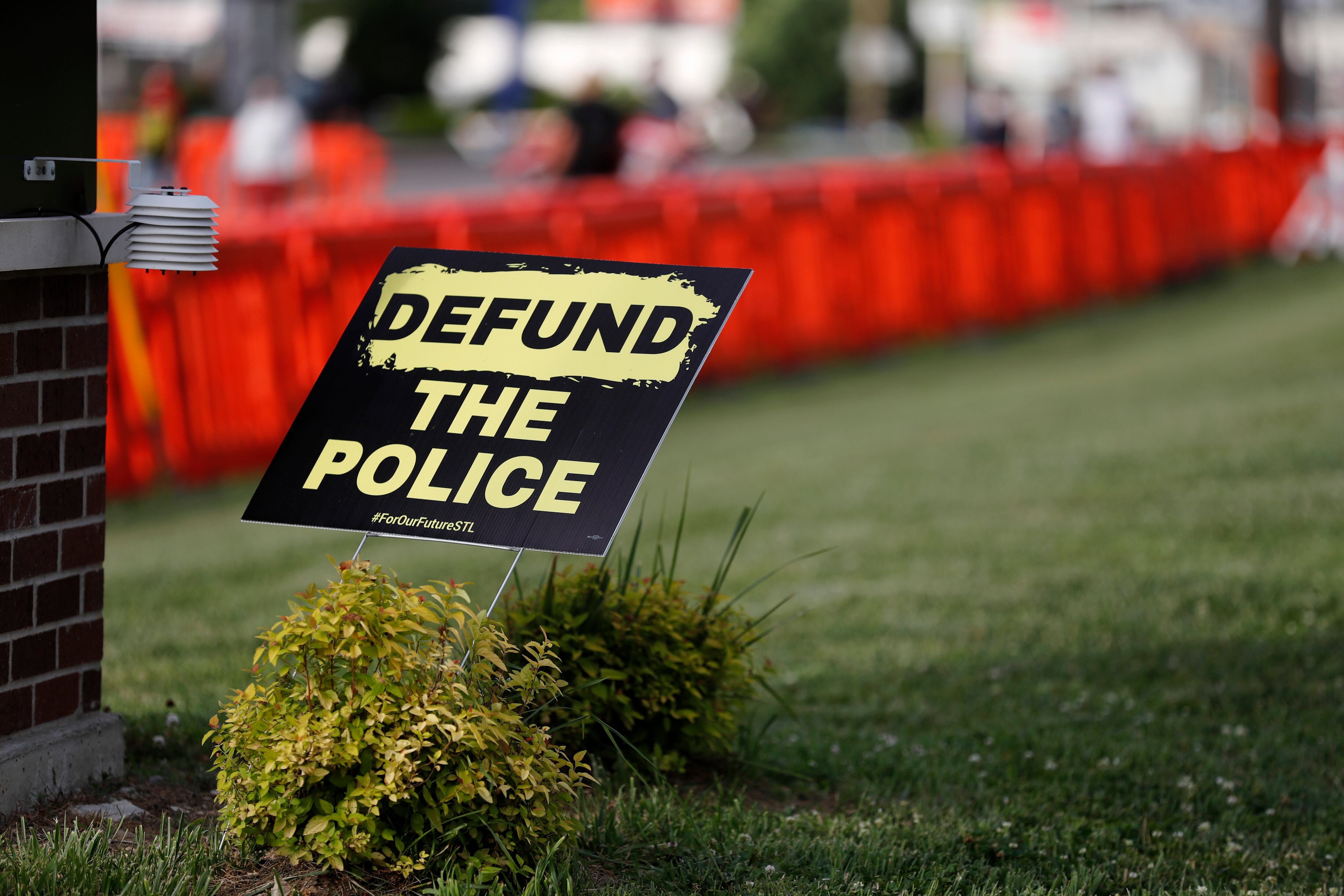
What exactly "defund" means in practice varies depending on who you're asking, but the broader goal is simple: funnel money away from law enforcement into other public programs.
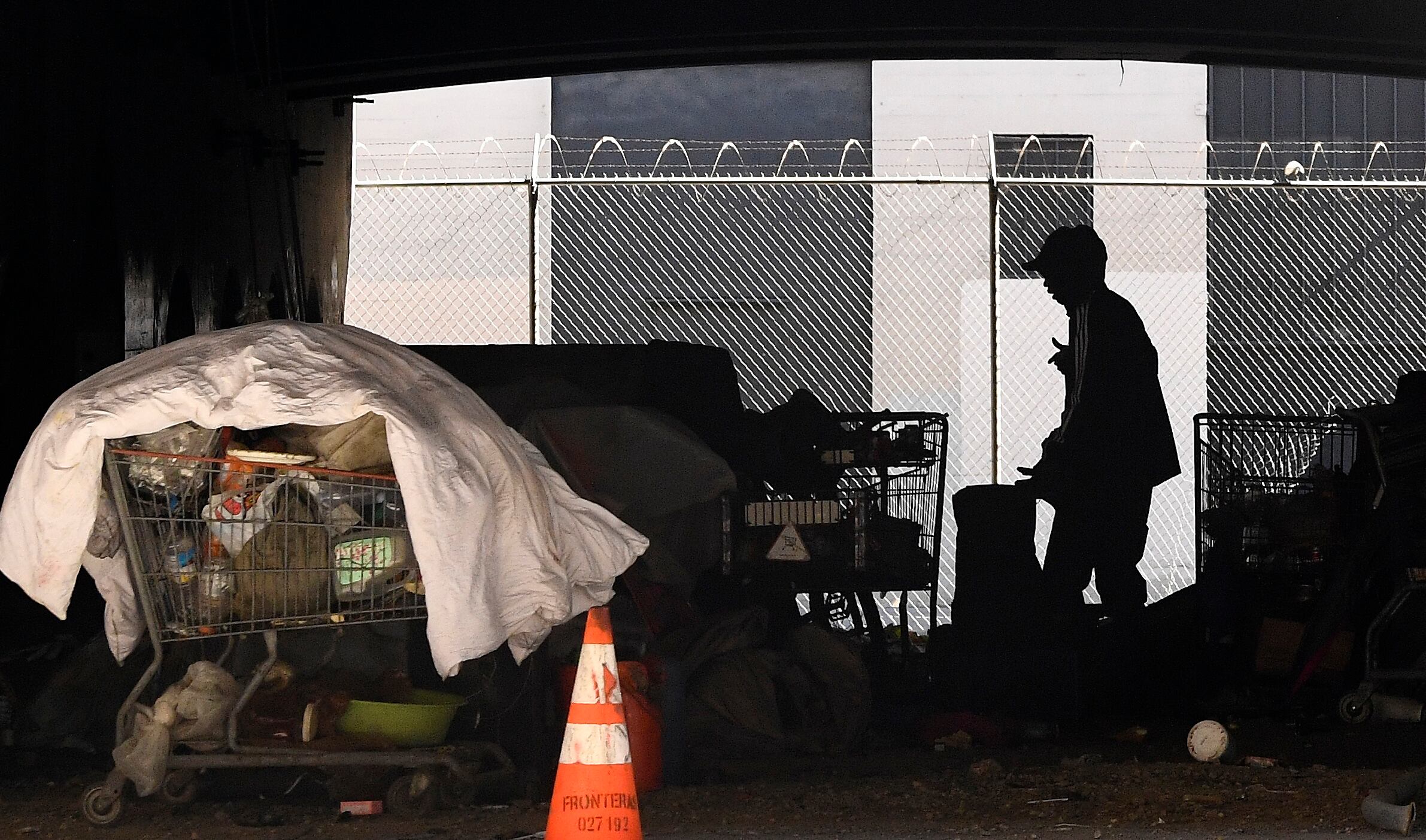
The problem of homelessness continues to get worse in Los Angeles County. The number of homeless people counted over the past year jumped nearly 13% to more than 66,000 and officials fear another spike due to the impact of the coronavirus pandemic.
As Twitter waded into controversy for taking steps to fight misinformation and controversial remarks from perhaps its most famous tweeter, President Donald Trump, Facebook has taken the opposite tack, but with no less backlash.
Will Jawando, Montgomery County, Maryland councilmember, has introduced a resolution deeming racism a public health crisis. Jawando explains how systemic racism negatively impacts the black community beyond policing.
he Dow Jones industrials lost more than 1,800 points, nearly 7%, as increases in coronavirus cases deflated optimism that the economy could recover quickly from its worst crisis in decades.