*By Justin Chermol*
The newly appointed vice chairman of the House Foreign Affairs Committee, Rep. Joaquin Castro (D-Tex.), said he is "absolutely" concerned that Chinese telecommunication giant Huawei poses a threat to national security in an interview on Cheddar Tuesday.
"I do have that concern," Castro told Cheddar's J.D. Durkin. He noted that he helped push a bipartisan amendment to the National Defense Authorization Act last year to prevent government grants or loans being used to pay for Huawei services.
The Department of Justice unsealed two separate indictments on Monday against the company and its CFO Meng Wanzhou, who was arrested in December. The cases claim the company and its leaders attempted to steal trade secrets from rival T-Mobile, promised bonuses to employees in exchange for intel on competitors, and sought to evade U.S. sanctions on Iran.
"With China, our overarching strategy has to be to respect them when they compete, but also to stop them when they cheat," he said.
Castro is particularly disturbed by prospect of Huawei lifting T-Mobile's technology for its own gain.
"What you see with China is the outright theft of trade secrets and technology and then taking that technology, in this case from T-Mobile, and using it for the benefit of Chinese companies without ever doing any of the innovation or the hard work ー or spending the money in terms of research or development to understand it themselves," he said.
The indictments may coincide with trade talks between the U.S. and Chinese officials, but Castro said that the meetings scheduled for Wednesday and Thursday are unrelated to the charges leveled against Huawei.
"We should be able to separate out some sort of cheating or malfeasance from what we do in terms of talking about trade," he said.
For full interview [click here](https://cheddar.com/videos/rep-joaquin-castro-talks-mueller-probe-huawei-charges-and-more).
Arizona, Texas, and Florida are together reporting about 25,000 new coronavirus cases as new restrictions aimed at combating the spread of the pandemic take hold in the United States and around the world.
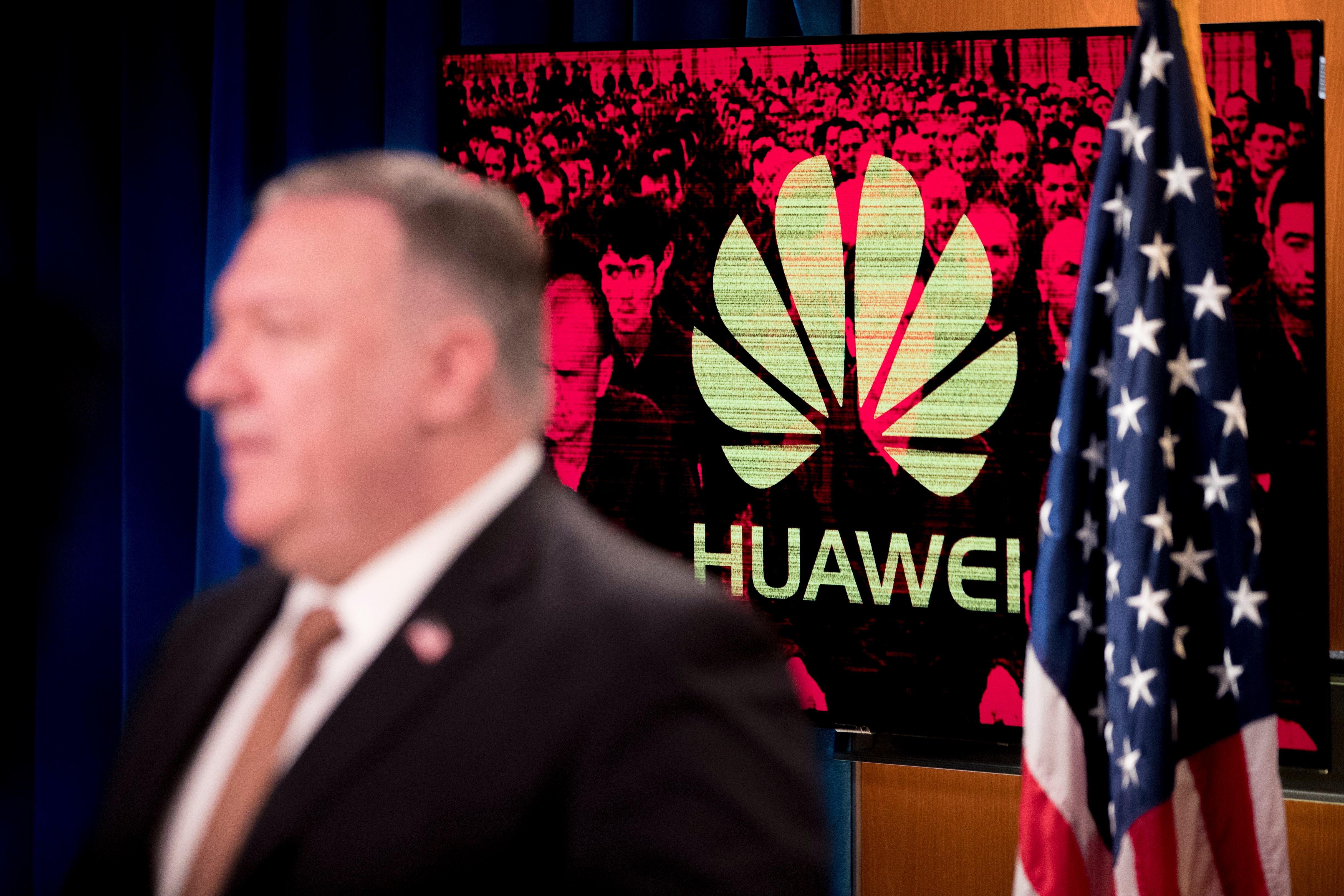
Secretary of State Mike Pompeo says the U.S. is imposing travel bans on employees of the Chinese technology giant Huawei and other companies the U.S. determines are assisting authoritarian governments in cracking down on human rights.
The initiative is geared toward students, mid-career workers and the millions now unemployed because of the new coronavirus. But the campaign, called “Find Something New,” was quickly bashed on social media as being tone deaf and inadequate for the times.
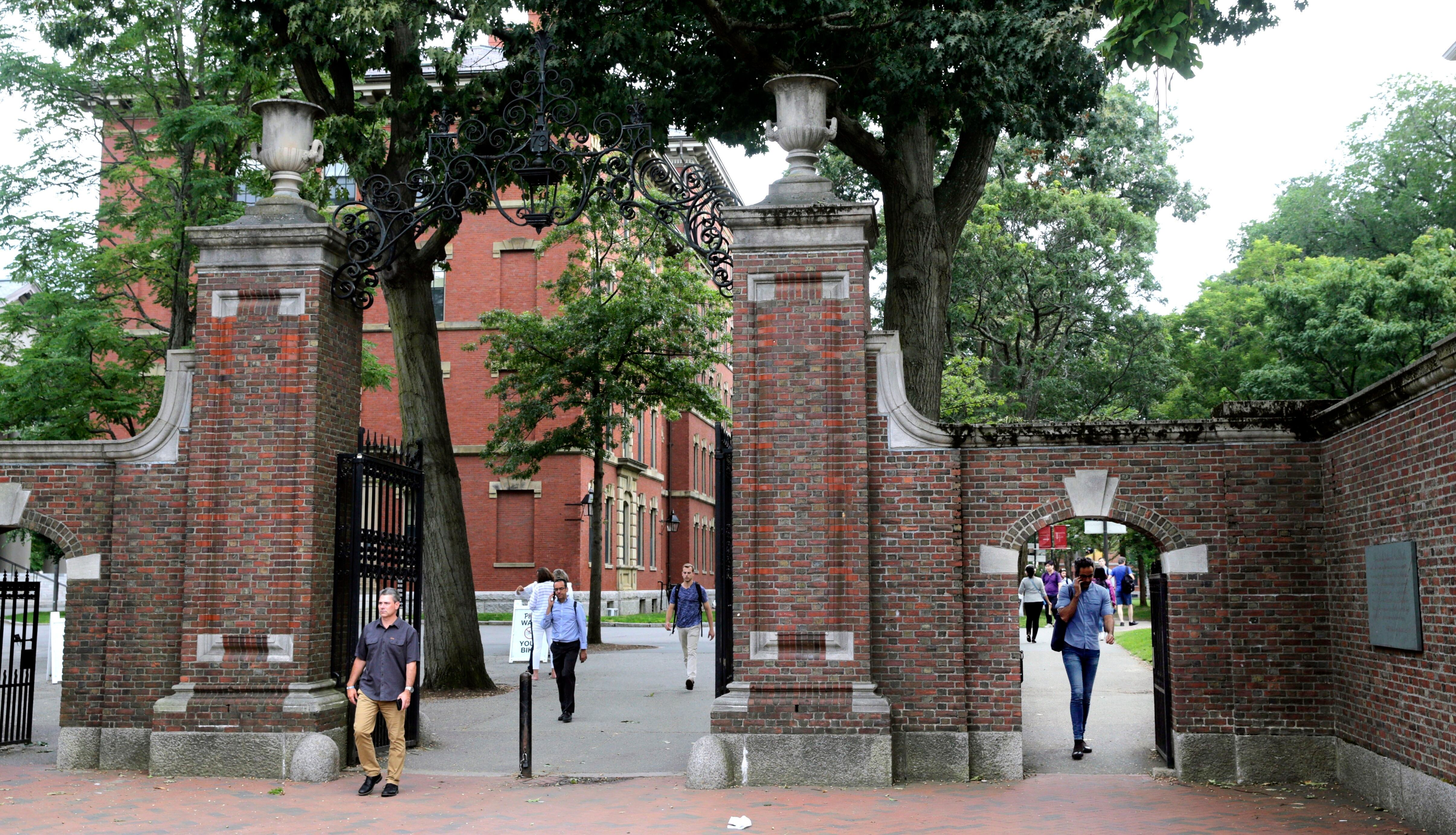
The Trump administration has rescinded a rule that would have required international students to transfer schools or leave the country if their colleges hold classes entirely online this fall because of the coronavirus pandemic.
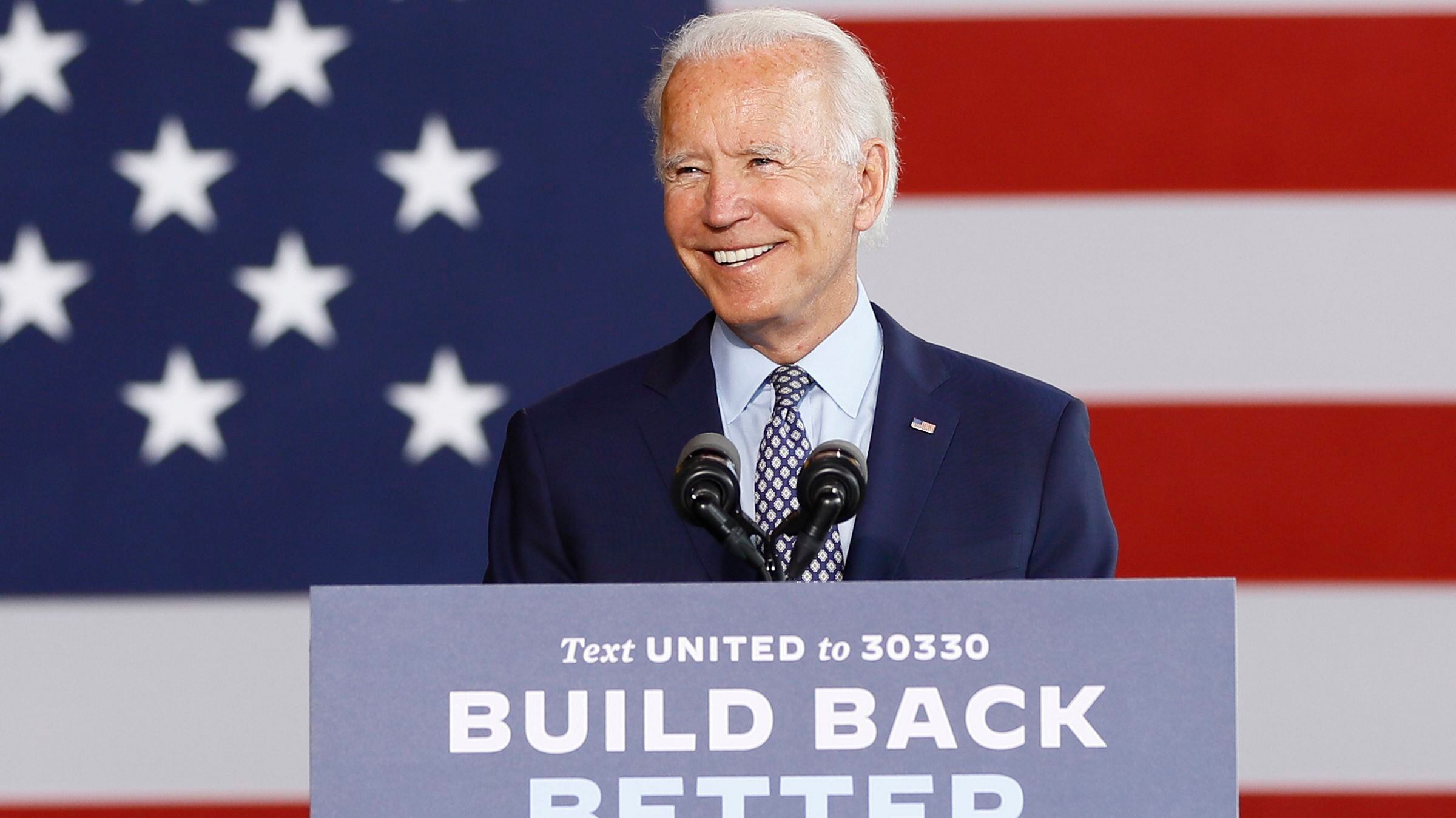
Joe Biden released a plan Tuesday aimed at combating climate change and spurring economic growth in part by overhauling America’s energy industry.
As enhanced unemployment benefits are set to expire at the end of July, HUD secretary Carson, discusses the Trump administration's 'tool kit' meant to protect Americans from evictions beyond the coronavirus pandemic.
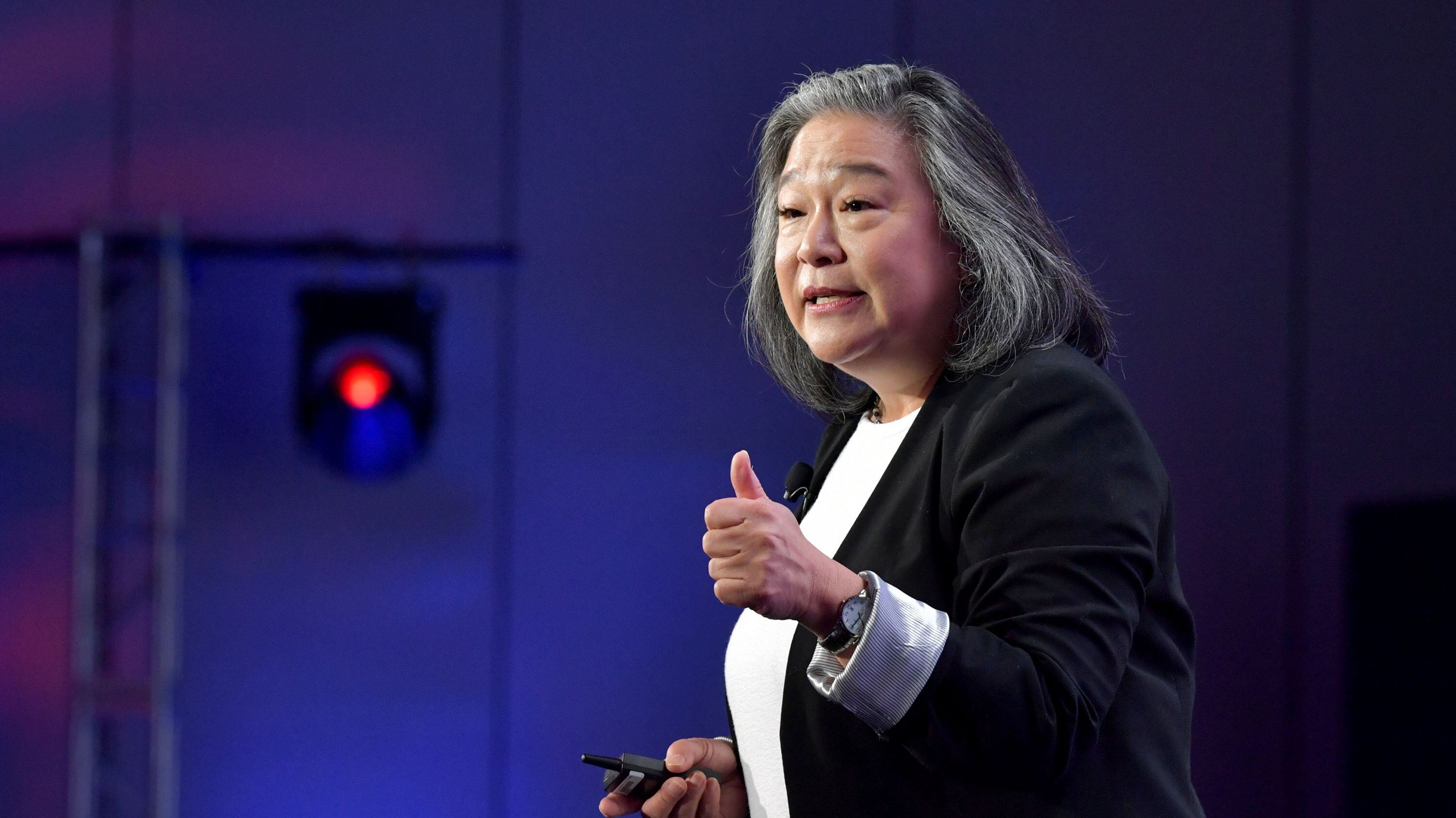
Tina Tchen, president and CEO of Time's Up, provides insight into how companies can go about addressing inequities in the workplace.
California Gov. Gavin Newsom has extended the closure of bars and indoor dining statewide and has ordered gyms, churches and hair salons closed in most places as coronavirus cases keep rising.
The United States is grappling with the worst coronavirus outbreak in the world, as Florida shattered the national record for a state’s largest single-day increase in new confirmed cases with a reported 15,299.
Julian Castro, former secretary of Housing & Urban Development, talks about the importance of stable housing for Americans. Castro also dissects former VP Joe Biden's plan to combat the housing crisis.