*By Justin Chermol*
The newly appointed vice chairman of the House Foreign Affairs Committee, Rep. Joaquin Castro (D-Tex.), said he is "absolutely" concerned that Chinese telecommunication giant Huawei poses a threat to national security in an interview on Cheddar Tuesday.
"I do have that concern," Castro told Cheddar's J.D. Durkin. He noted that he helped push a bipartisan amendment to the National Defense Authorization Act last year to prevent government grants or loans being used to pay for Huawei services.
The Department of Justice unsealed two separate indictments on Monday against the company and its CFO Meng Wanzhou, who was arrested in December. The cases claim the company and its leaders attempted to steal trade secrets from rival T-Mobile, promised bonuses to employees in exchange for intel on competitors, and sought to evade U.S. sanctions on Iran.
"With China, our overarching strategy has to be to respect them when they compete, but also to stop them when they cheat," he said.
Castro is particularly disturbed by prospect of Huawei lifting T-Mobile's technology for its own gain.
"What you see with China is the outright theft of trade secrets and technology and then taking that technology, in this case from T-Mobile, and using it for the benefit of Chinese companies without ever doing any of the innovation or the hard work ー or spending the money in terms of research or development to understand it themselves," he said.
The indictments may coincide with trade talks between the U.S. and Chinese officials, but Castro said that the meetings scheduled for Wednesday and Thursday are unrelated to the charges leveled against Huawei.
"We should be able to separate out some sort of cheating or malfeasance from what we do in terms of talking about trade," he said.
For full interview [click here](https://cheddar.com/videos/rep-joaquin-castro-talks-mueller-probe-huawei-charges-and-more).
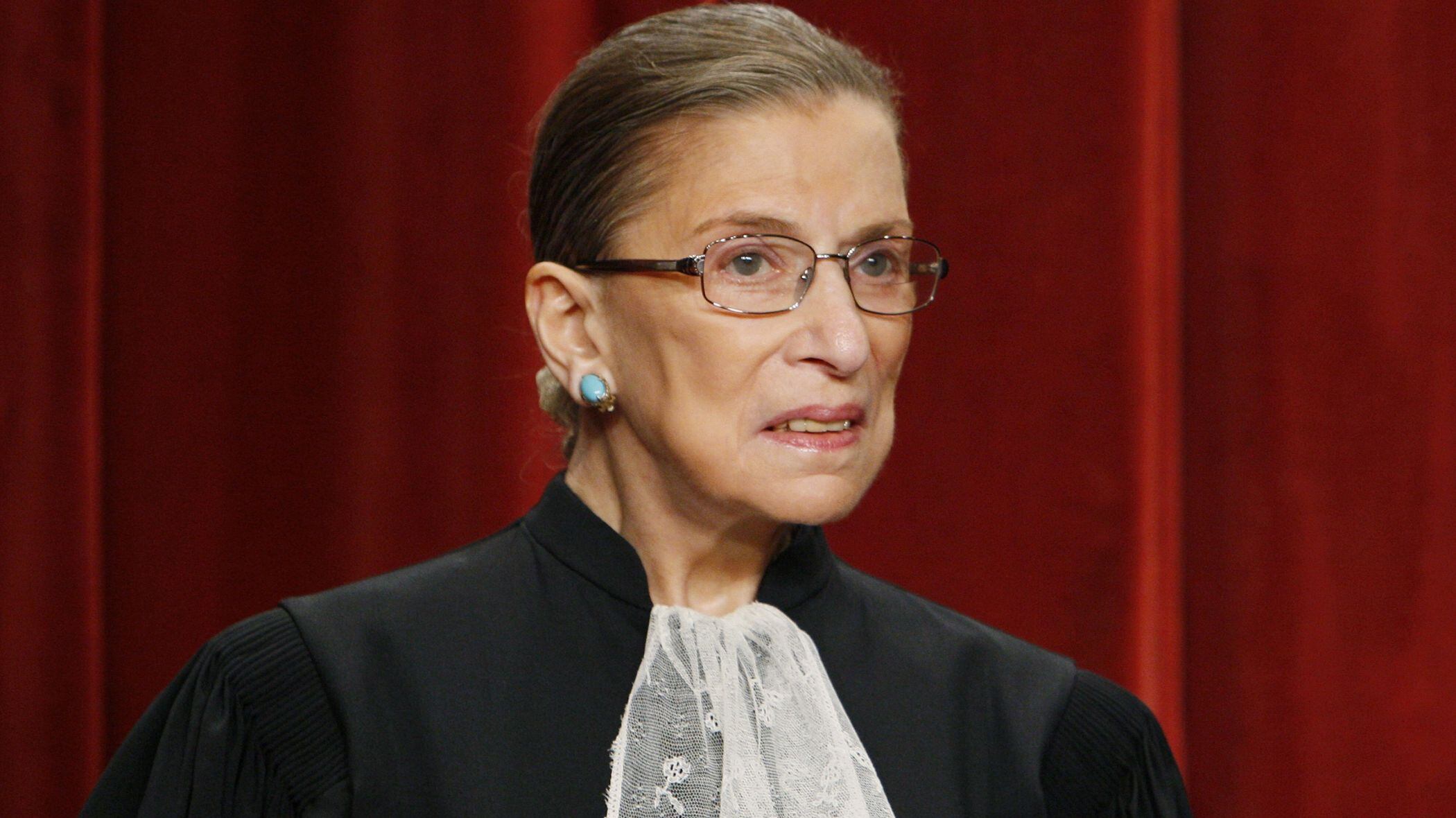
The late Supreme Court Justice Ruth Bader Ginsburg lay in state at the U.S. Capitol on Friday, the first woman in American history so honored at the domed building.
From Wall Street to Silicon Valley, these are the top stories that moved markets and had investors, business leaders, and entrepreneurs talking this week on Cheddar.
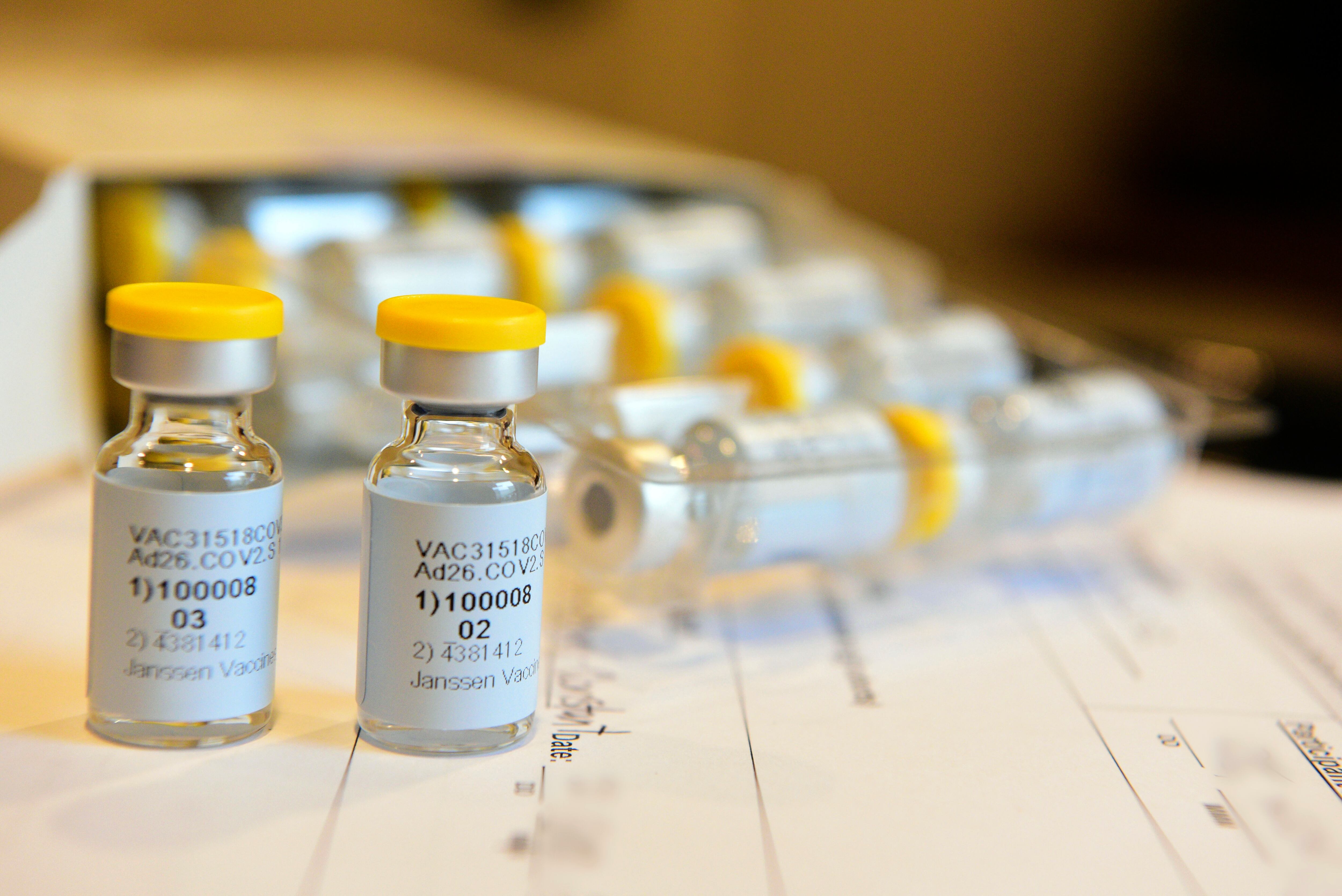
Dr. Paul Stoffels, chief scientific officer at Johnson & Johnson, joined Cheddar to discuss phase three COVID-19 vaccine trials. More than 60,000 people worldwide have volunteered to be part of the study.
A closer look at some key areas where Ginsburg was most influential reveals a jurist who defied easy ideological categories, especially when it came to business.
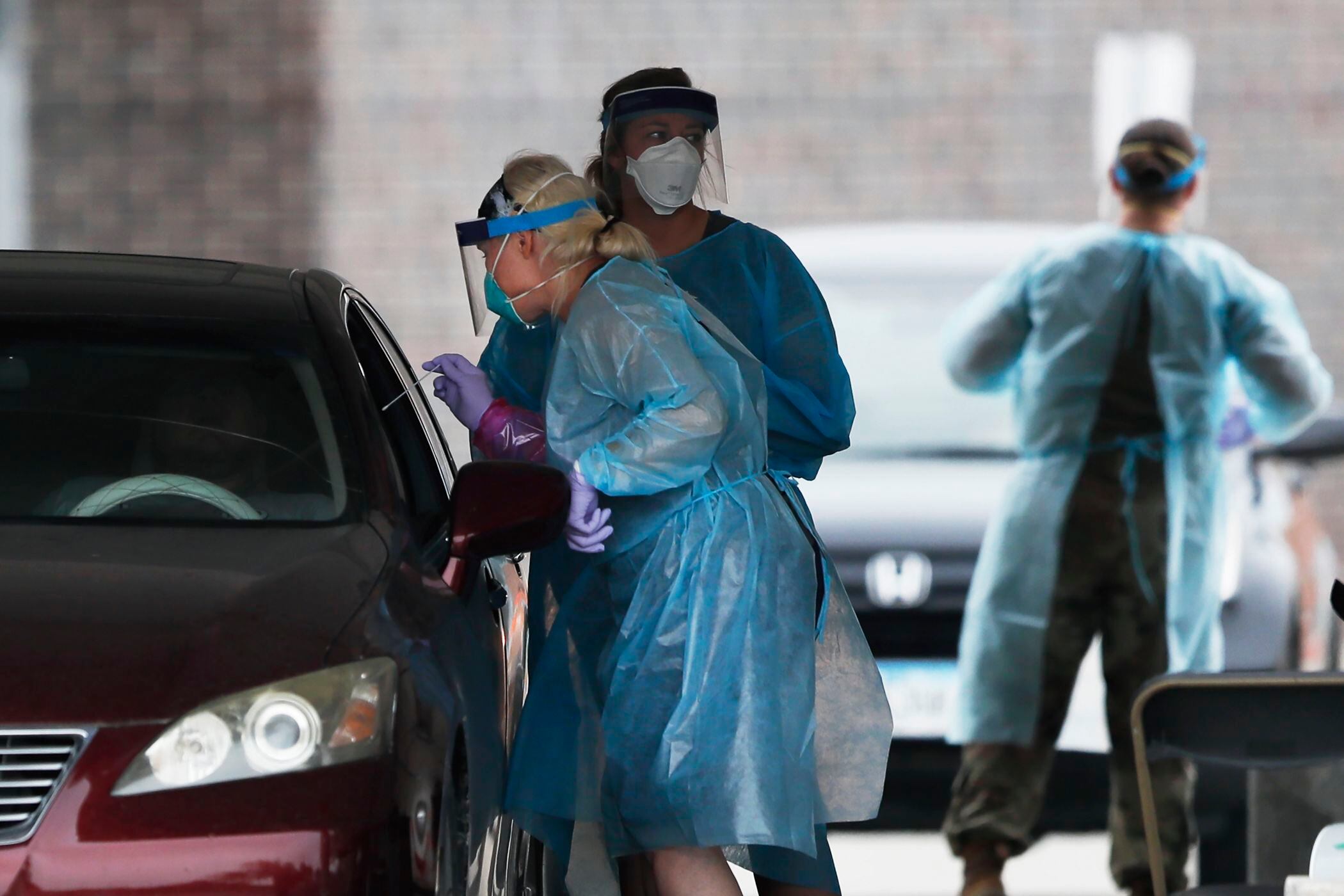
The pandemic is now striking cities with much smaller populations, often in conservative corners of America where anti-mask sentiment runs high.
Ohio Rep. Bob Latta joined Cheddar to discuss new safety legislation he's introduced for autonomous vehicles. The Self-Drive Act will create a national standard for operation of self-driving cars.
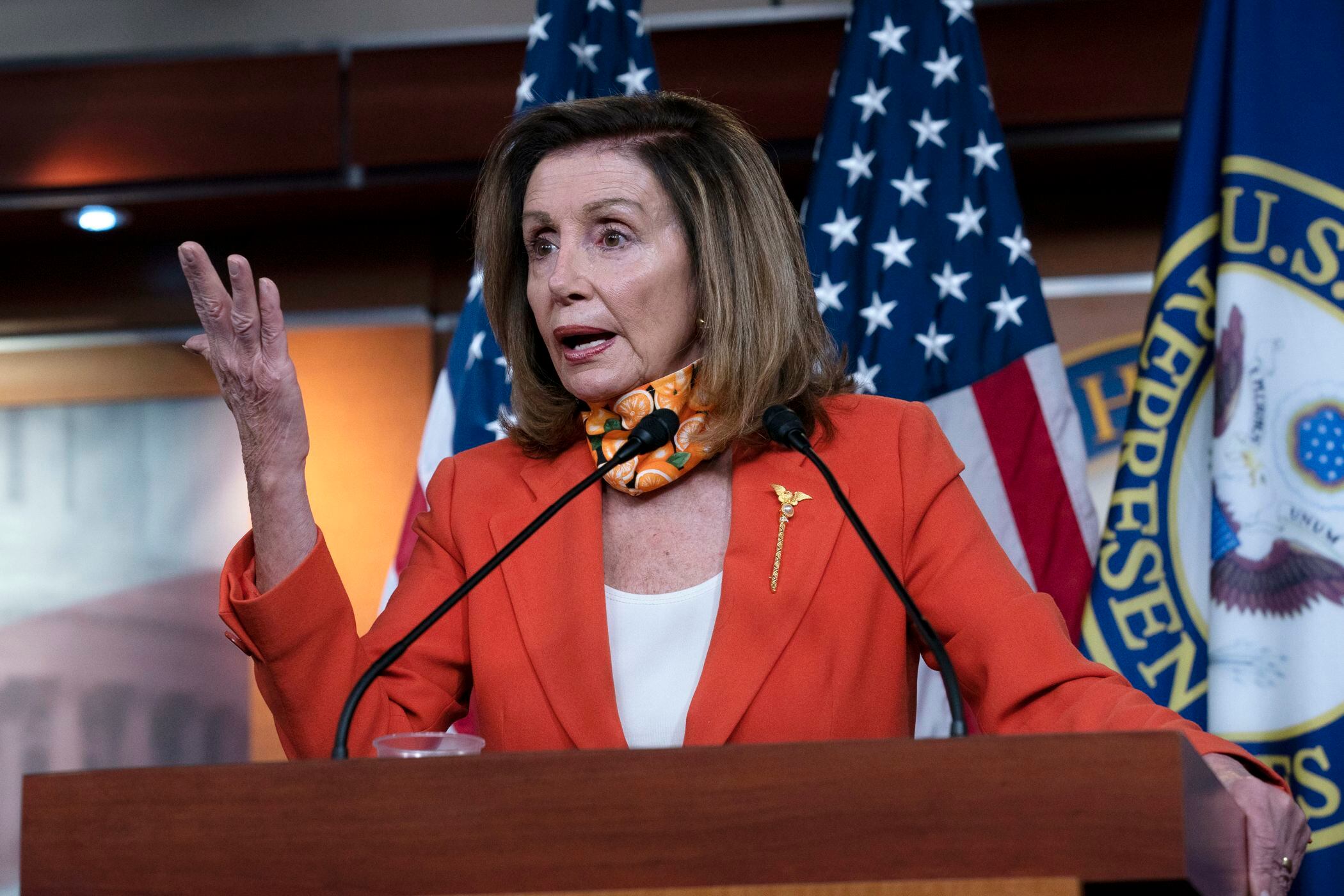
Democrats are going back to the drawing board on a huge virus relief bill. House Democrats say they are paring back their proposal in an attempt to jump-start negotiations with the Trump administration.
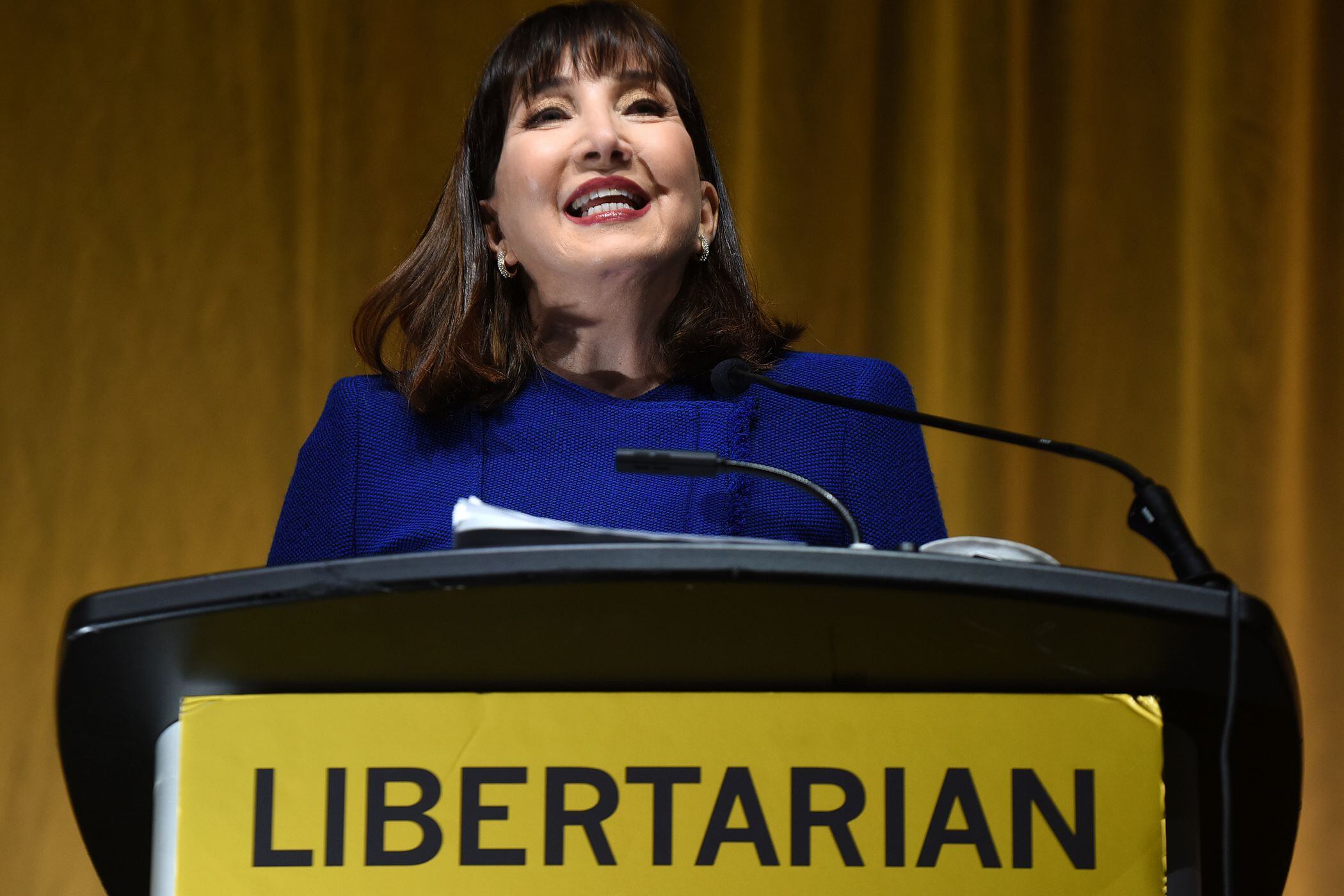
Dr. Jo Jorgensen, the 2020 Libertarian candidate for President, joined Cheddar to discuss her role in this year's election and whether third party candidates dictate the outcome. Jorgensen also provides her position on mask wearing when it comes to mitigating the spread of COVID-19.
As undocumented immigrants navigate life in America, we're hearing a firsthand account of what it's like seeking higher education while being undocumented. Sarahi Espinoza Salamanca, founder and CEO of DREAMers Roadmap, joined Cheddar to discuss how to app helps other undocumented immigrants find funds to pay for school.
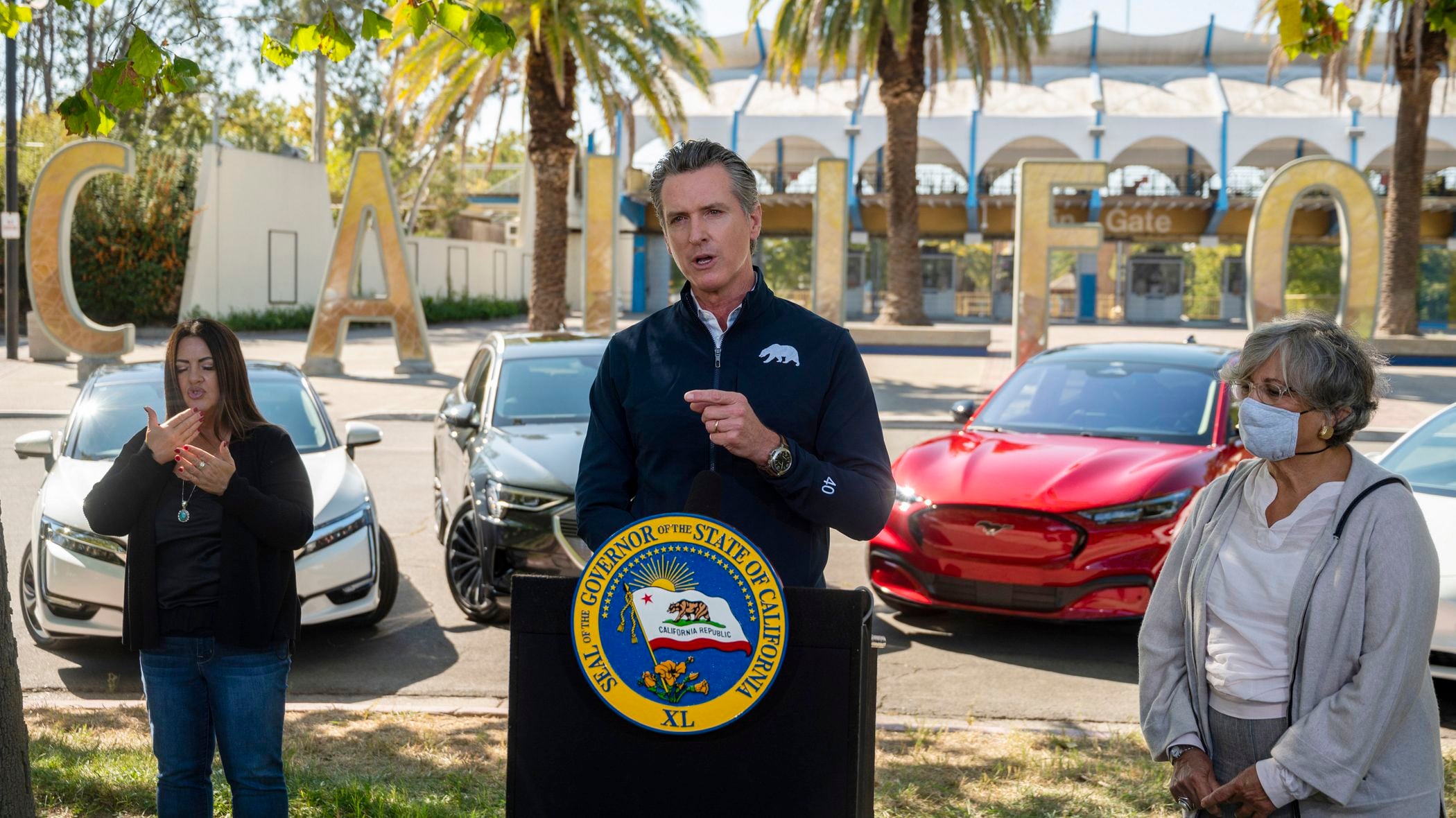
California plans to ban the sale of new gasoline-powered passenger cars and trucks in 15 years.