House Foreign Affairs Committee Vice Chair Castro Says Huawei Poses a National Security Threat
*By Justin Chermol*
The newly appointed vice chairman of the House Foreign Affairs Committee, Rep. Joaquin Castro (D-Tex.), said he is "absolutely" concerned that Chinese telecommunication giant Huawei poses a threat to national security in an interview on Cheddar Tuesday.
"I do have that concern," Castro told Cheddar's J.D. Durkin. He noted that he helped push a bipartisan amendment to the National Defense Authorization Act last year to prevent government grants or loans being used to pay for Huawei services.
The Department of Justice unsealed two separate indictments on Monday against the company and its CFO Meng Wanzhou, who was arrested in December. The cases claim the company and its leaders attempted to steal trade secrets from rival T-Mobile, promised bonuses to employees in exchange for intel on competitors, and sought to evade U.S. sanctions on Iran.
"With China, our overarching strategy has to be to respect them when they compete, but also to stop them when they cheat," he said.
Castro is particularly disturbed by prospect of Huawei lifting T-Mobile's technology for its own gain.
"What you see with China is the outright theft of trade secrets and technology and then taking that technology, in this case from T-Mobile, and using it for the benefit of Chinese companies without ever doing any of the innovation or the hard work ー or spending the money in terms of research or development to understand it themselves," he said.
The indictments may coincide with trade talks between the U.S. and Chinese officials, but Castro said that the meetings scheduled for Wednesday and Thursday are unrelated to the charges leveled against Huawei.
"We should be able to separate out some sort of cheating or malfeasance from what we do in terms of talking about trade," he said.
For full interview [click here](https://cheddar.com/videos/rep-joaquin-castro-talks-mueller-probe-huawei-charges-and-more).
Jarrod Loadholt, Partner at Ice Miller, joins Cheddar News' Closing Bell, where he breaks down the latest proposal by the SEC and explains how it could allow the agency to make major regulatory moves within the cryptocurrency space if approved.
Personal data platform Caden raised $3.1 million in pre-seed funding. Caden says its service allows users to have complete control over their data and earn a profit from it by sharing certain data with trusted brands, while never relinquishing ownership. The company also says its goal is to transform the internet and the use of personal data and make a better system for both consumers and brands. Caden founder and CEO John Roa joins Cheddar News' Closing Bell to discuss.
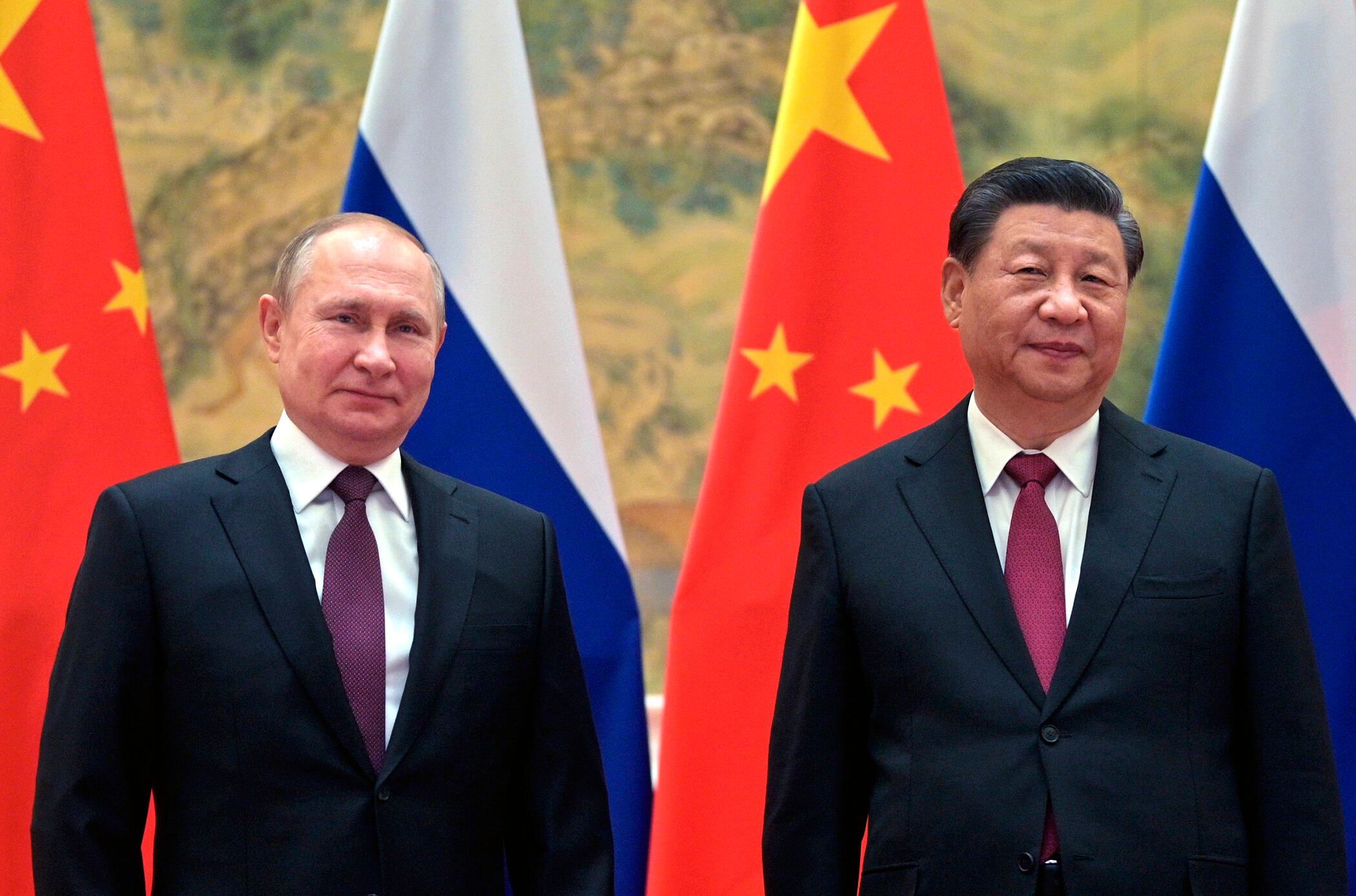
The leaders of Russia and China have declared their joint opposition to any expansion of NATO and affirmed that the island of Taiwan is a part of China.
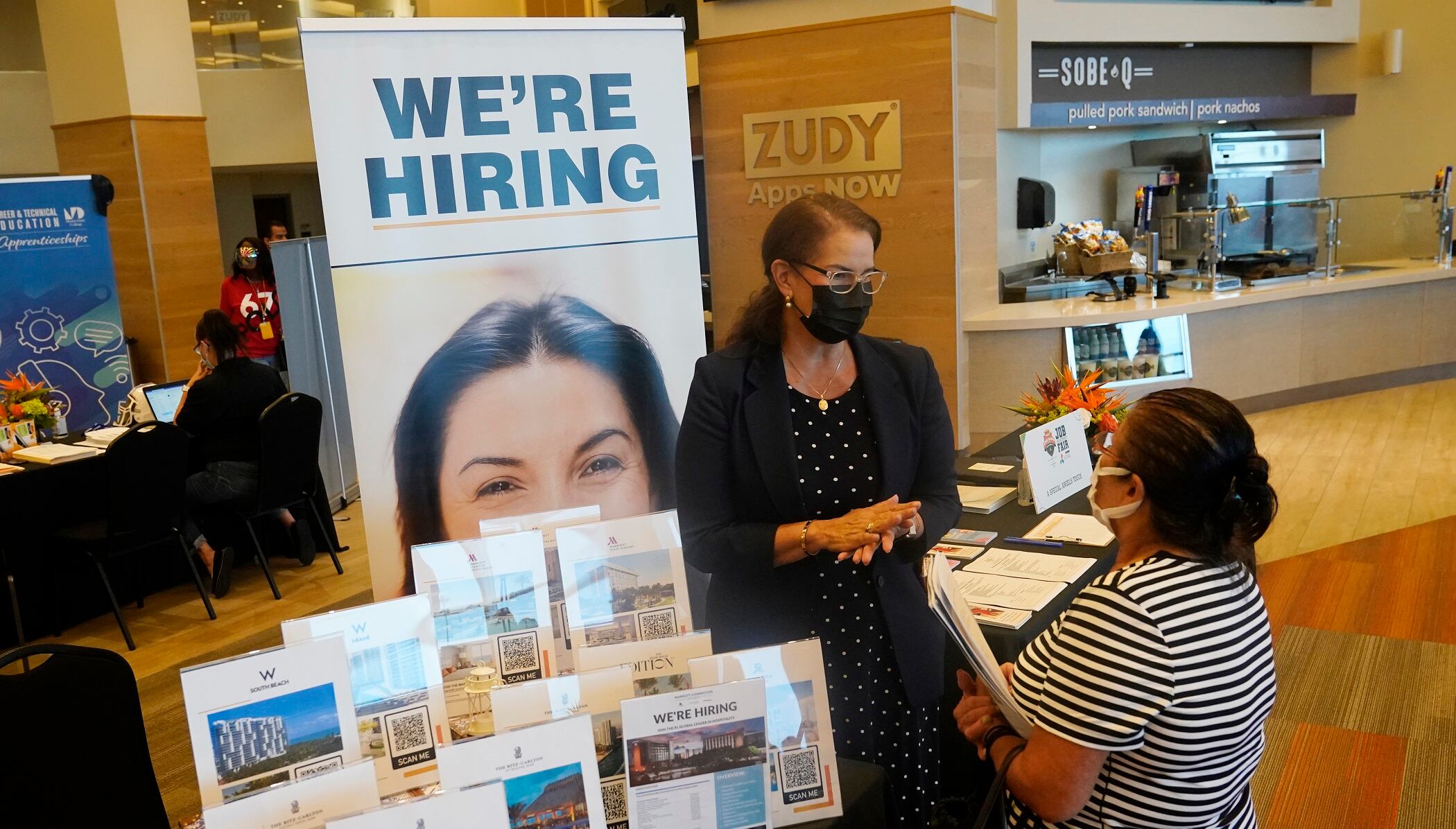
U.S. employers stepped up hiring in January, adding 467,000 jobs despite a wave of omicron inflections that sickened millions of workers, kept many consumers at home and left businesses from restaurants to manufacturers short-staffed.
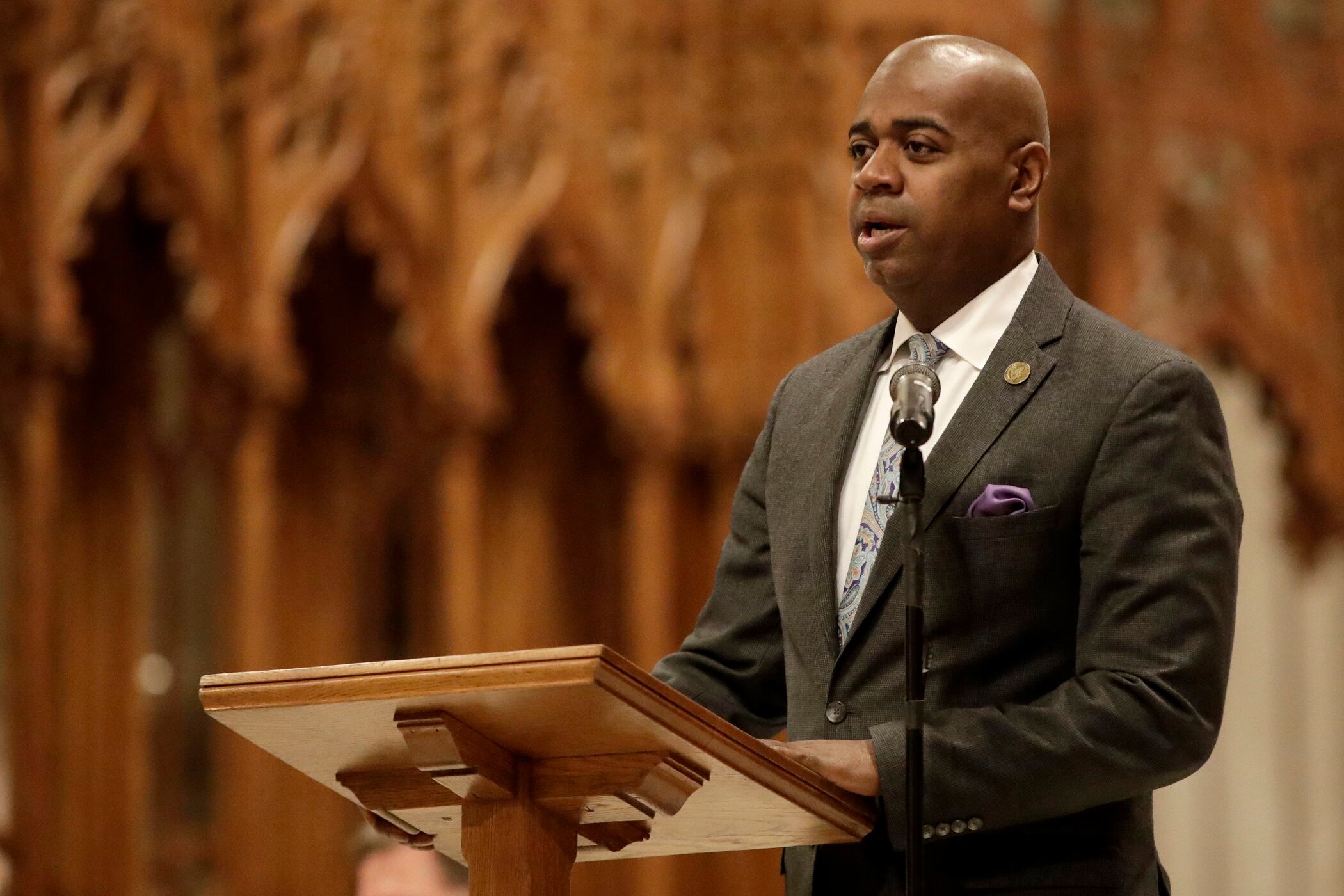
As we celebrate Black History Month, Cheddar is highlighting prominent Black Americans who are carving their own historic paths and trailblazing in their industries. Today we profile Newark, NJ, Mayor Ras Baraka.
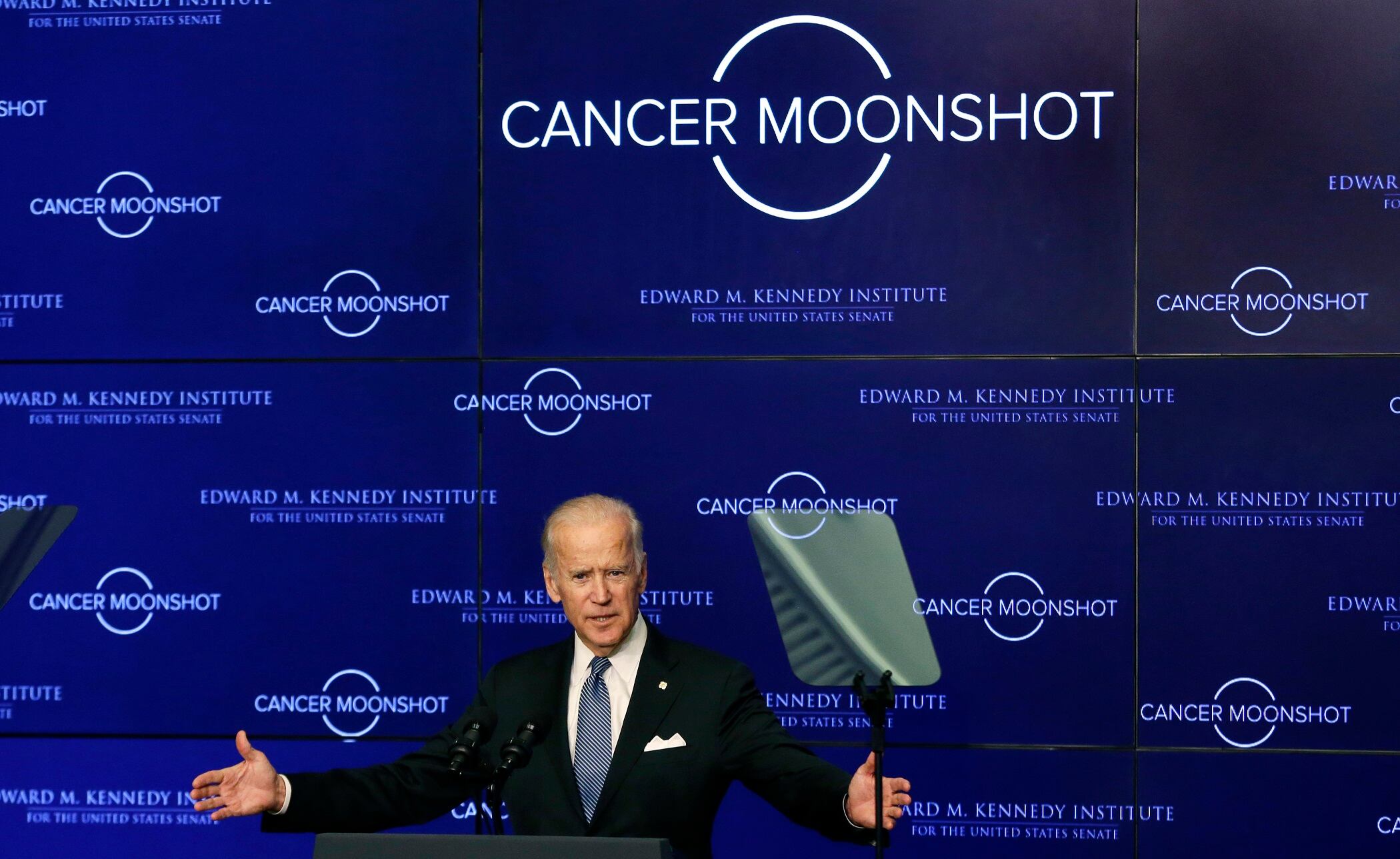
President Joe Biden is committing to reduce the cancer death rate by 50% over the next 25 years. That's a new goal for the “moonshot” against the disease that was announced in 2016 when Biden was vice president.
A major winter storm with millions of Americans in its path brought a mix of rain, freezing rain and snow to the middle section of the United States as airlines canceled hundreds of flights, governors urged residents to stay off roads and schools closed campuses.
Russia says it will relocate naval exercises off the coast of Ireland after Dublin raised concerns about them amid the tense dispute with the West over expansion of the NATO alliance and fears that Russia is preparing to invade Ukraine.
he Australian government has pledged to spend another 1 billion Australian dollars ($704 million) over nine years on improving the health of the Great Barrier Reef after stalling a UNESCO decision on downgrading the natural wonder’s World Heritage status.