House Foreign Affairs Committee Vice Chair Castro Says Huawei Poses a National Security Threat
*By Justin Chermol*
The newly appointed vice chairman of the House Foreign Affairs Committee, Rep. Joaquin Castro (D-Tex.), said he is "absolutely" concerned that Chinese telecommunication giant Huawei poses a threat to national security in an interview on Cheddar Tuesday.
"I do have that concern," Castro told Cheddar's J.D. Durkin. He noted that he helped push a bipartisan amendment to the National Defense Authorization Act last year to prevent government grants or loans being used to pay for Huawei services.
The Department of Justice unsealed two separate indictments on Monday against the company and its CFO Meng Wanzhou, who was arrested in December. The cases claim the company and its leaders attempted to steal trade secrets from rival T-Mobile, promised bonuses to employees in exchange for intel on competitors, and sought to evade U.S. sanctions on Iran.
"With China, our overarching strategy has to be to respect them when they compete, but also to stop them when they cheat," he said.
Castro is particularly disturbed by prospect of Huawei lifting T-Mobile's technology for its own gain.
"What you see with China is the outright theft of trade secrets and technology and then taking that technology, in this case from T-Mobile, and using it for the benefit of Chinese companies without ever doing any of the innovation or the hard work ー or spending the money in terms of research or development to understand it themselves," he said.
The indictments may coincide with trade talks between the U.S. and Chinese officials, but Castro said that the meetings scheduled for Wednesday and Thursday are unrelated to the charges leveled against Huawei.
"We should be able to separate out some sort of cheating or malfeasance from what we do in terms of talking about trade," he said.
For full interview [click here](https://cheddar.com/videos/rep-joaquin-castro-talks-mueller-probe-huawei-charges-and-more).
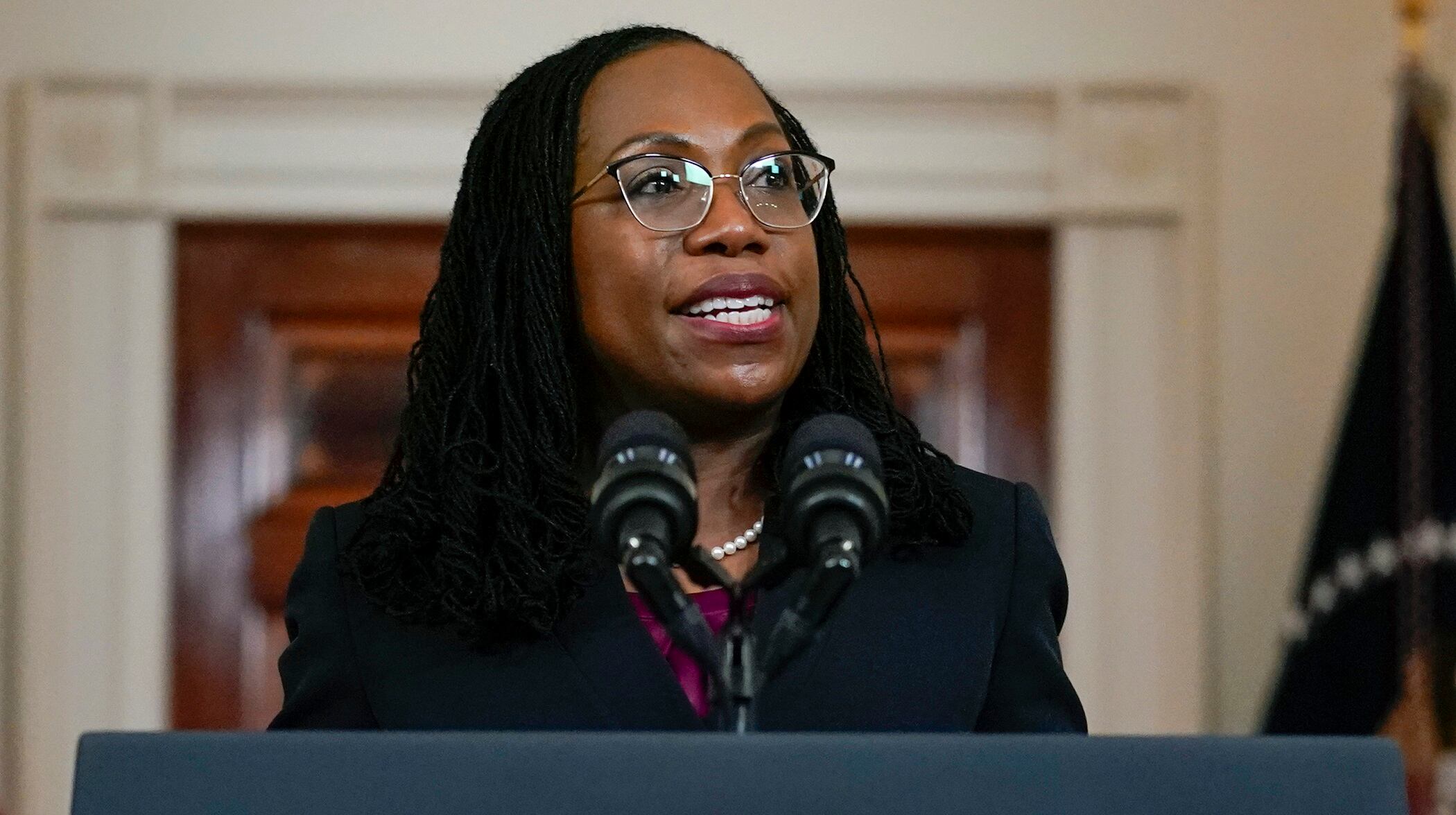
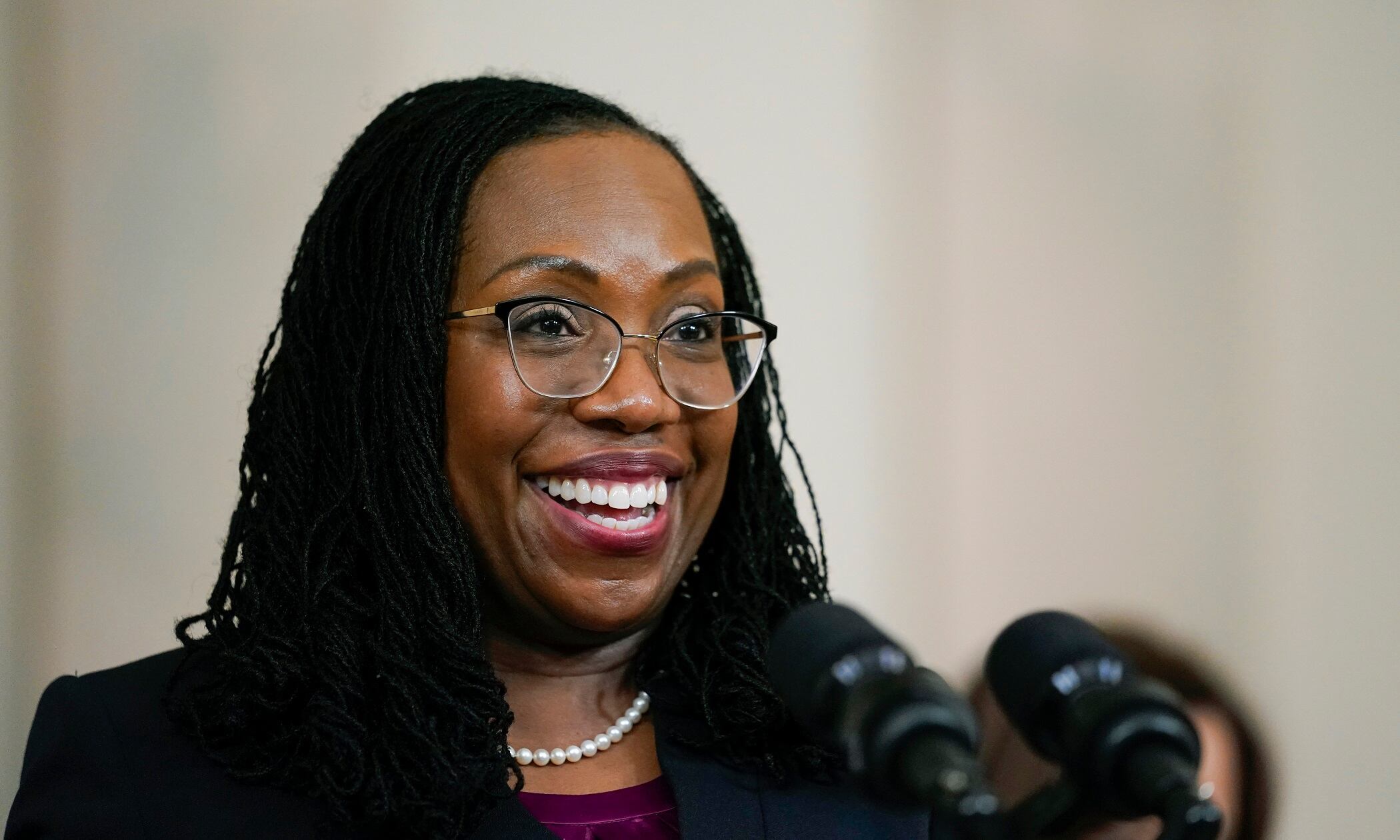
As we celebrate Black History Month, Cheddar is highlighting prominent Black Americans who are carving their own historic paths and trailblazing in their fields. Today we feature Ketanji Brown Jackson, the first Black woman SCOTUS nominee.
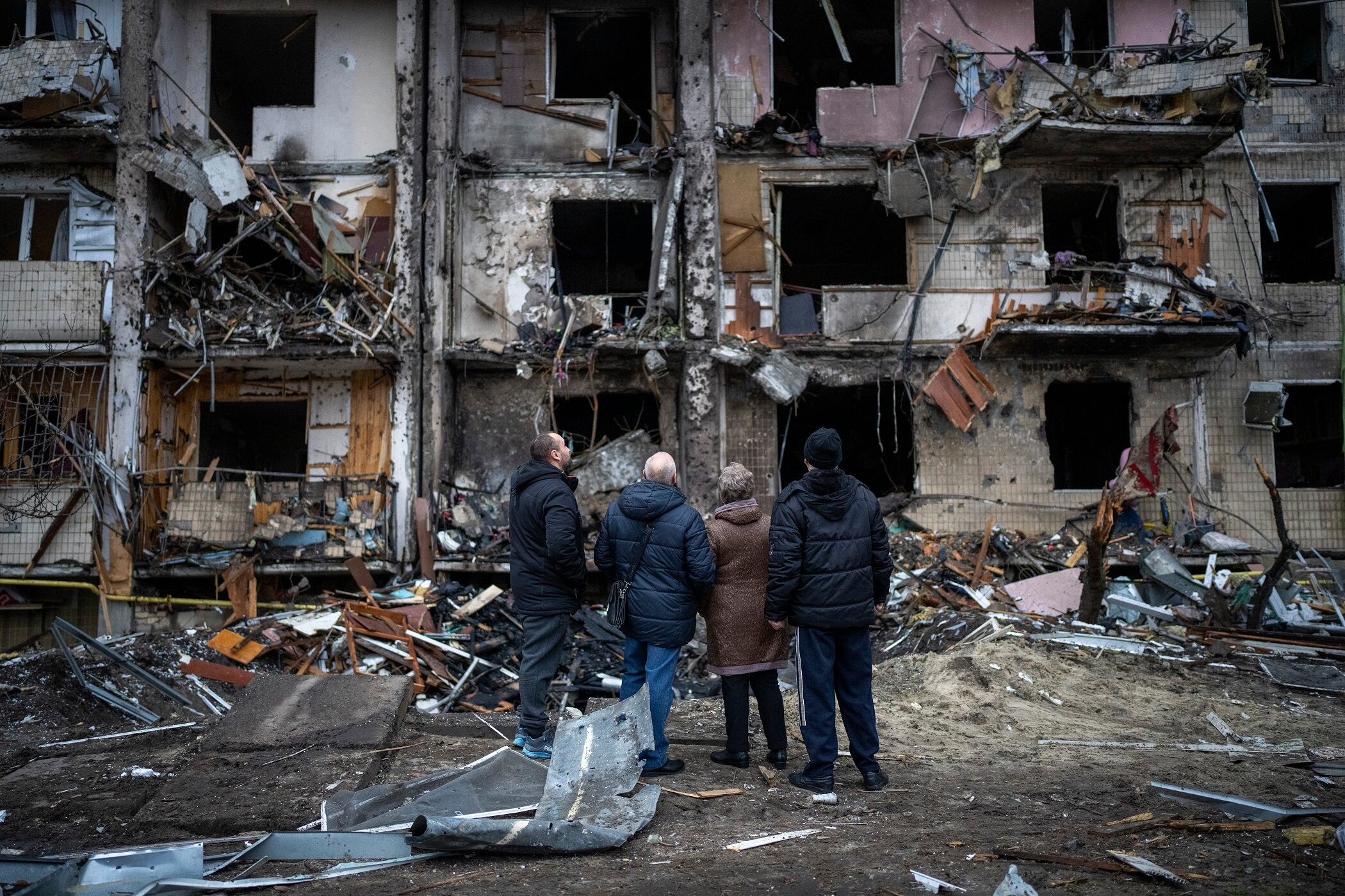
Russia's invasion of Ukraine went hand in hand with cyberattacks against Ukrainian government websites and financial institutions. Cheddar News speaks with cybersecurity expert Karim Hijazi, CEO of Prevaillon, on why the Russian cyberwarfare is concerning to other nations.
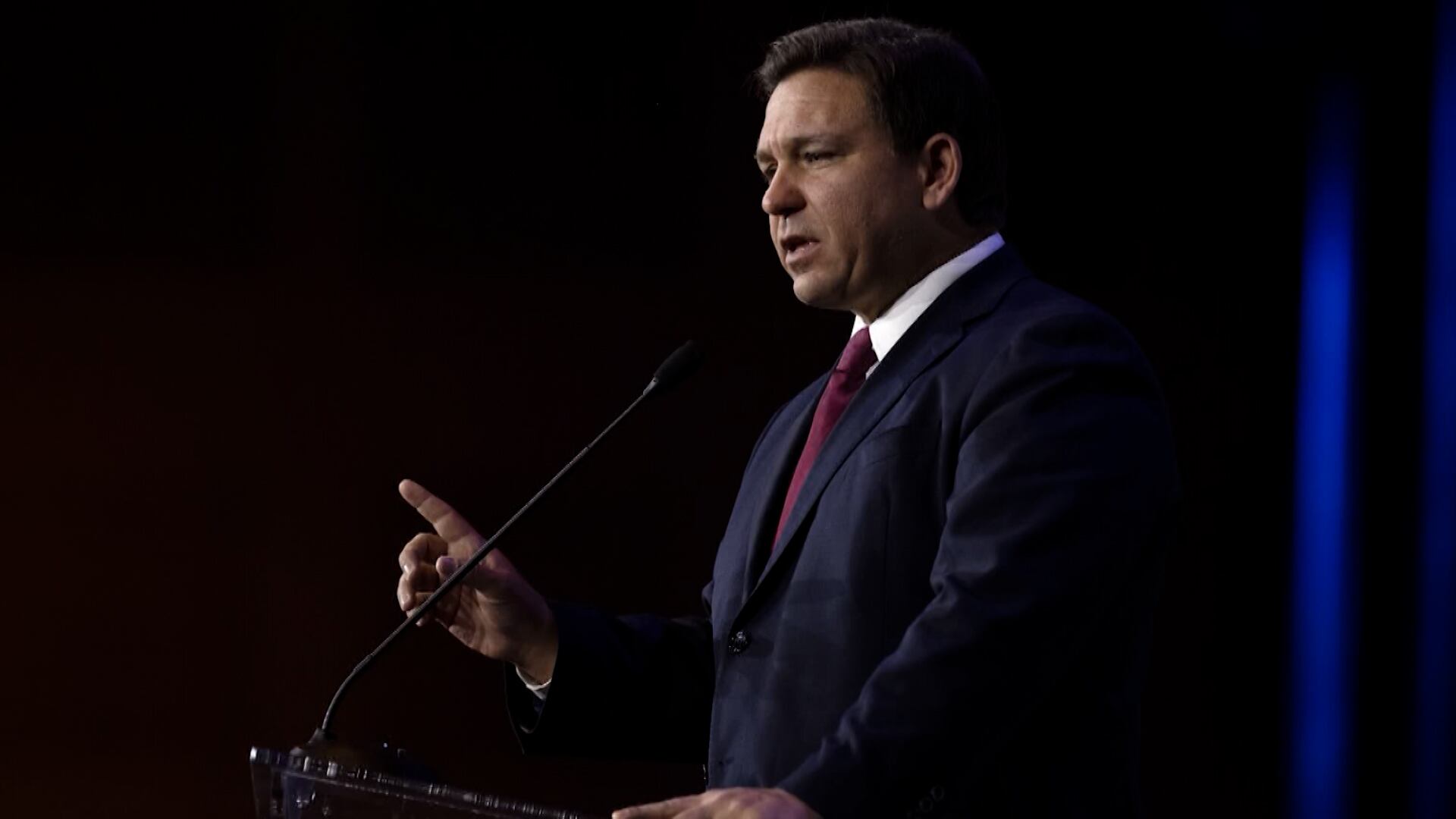
Florida legislation being called the 'Don't Say Gay' bill would restrict some discussion of sexual orientation and gender identity in classrooms with young students. Jon Harris Maurer, public policy director at Equality Florida, joins Cheddar News to discuss.
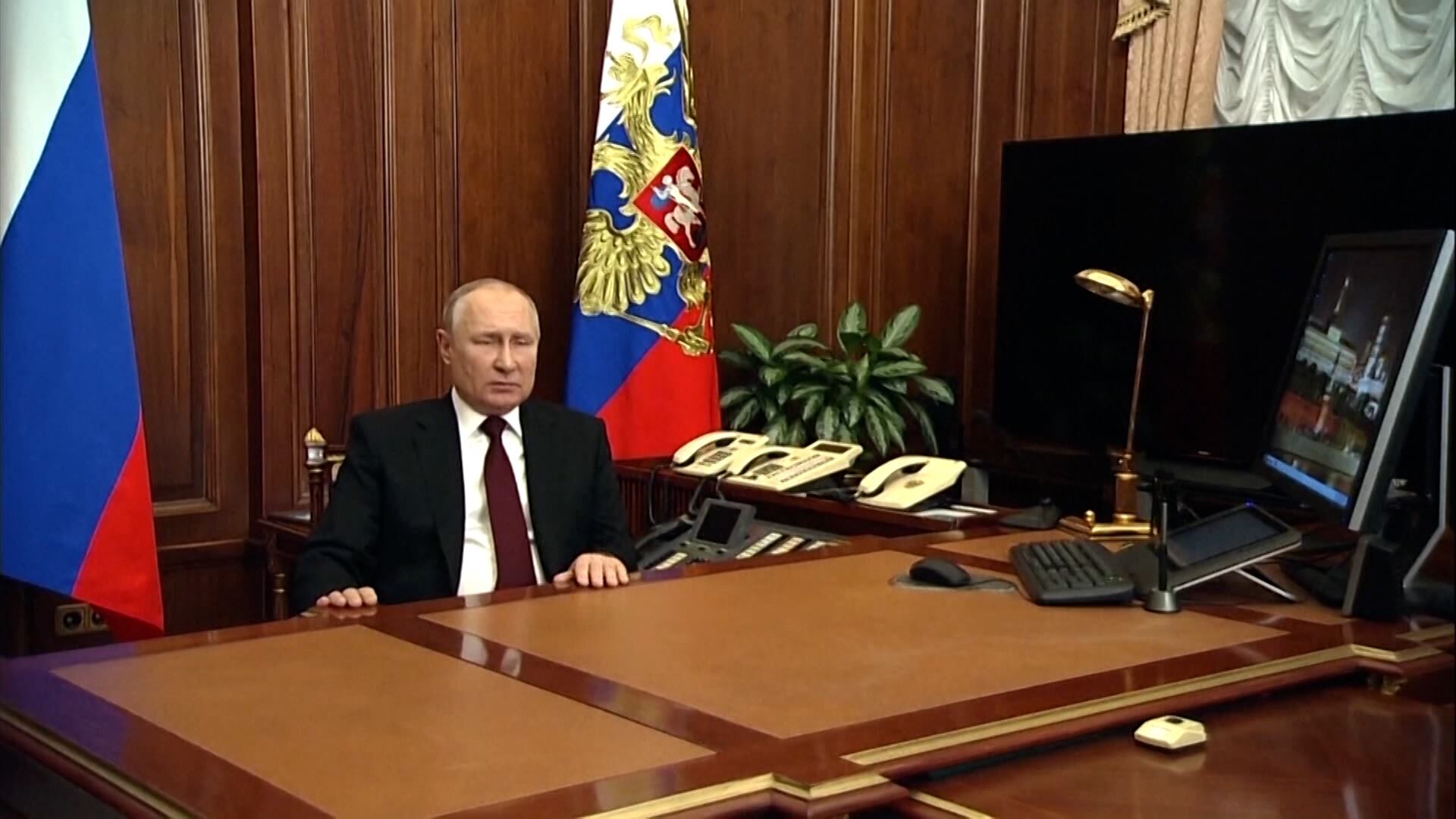
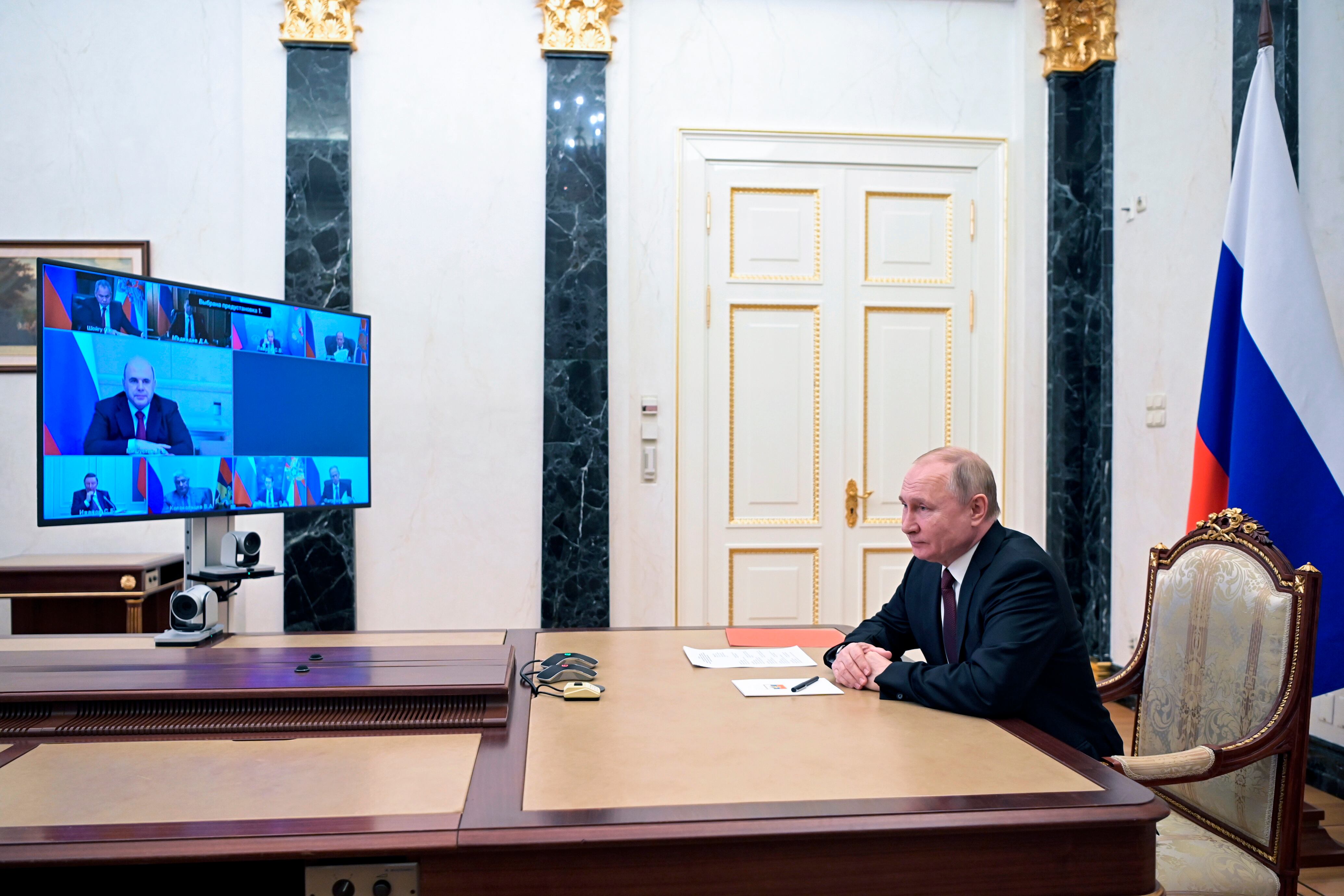
President Joe Biden promised during his campaign to focus on stable and ally-focused foreign policy, and the Russia-Ukraine crisis seems like an opportunity for him to focus on that tactic after last year's chaotic Afghanistan withdrawal. So far, Biden and western allies have banned together to sanction Russian banks, billionaires, and even President Vladimir Putin himself. Meanwhile, Biden has not deployed U.S. troops to intervene directly in Ukraine. Jack Detsch, national security reporter at Foreign Policy, joins Closing Bell to discuss why Biden is focusing on a sanctions-based, ally-focused strategy, what impact sanctions could have on Russia's economy, and more.
As Russia continues its attack on Ukraine, protests are popping up in major cities across the U.S., including across the street from the United Nations in New York City.. Chloe Aiello reports.