House Foreign Affairs Committee Vice Chair Castro Says Huawei Poses a National Security Threat
*By Justin Chermol*
The newly appointed vice chairman of the House Foreign Affairs Committee, Rep. Joaquin Castro (D-Tex.), said he is "absolutely" concerned that Chinese telecommunication giant Huawei poses a threat to national security in an interview on Cheddar Tuesday.
"I do have that concern," Castro told Cheddar's J.D. Durkin. He noted that he helped push a bipartisan amendment to the National Defense Authorization Act last year to prevent government grants or loans being used to pay for Huawei services.
The Department of Justice unsealed two separate indictments on Monday against the company and its CFO Meng Wanzhou, who was arrested in December. The cases claim the company and its leaders attempted to steal trade secrets from rival T-Mobile, promised bonuses to employees in exchange for intel on competitors, and sought to evade U.S. sanctions on Iran.
"With China, our overarching strategy has to be to respect them when they compete, but also to stop them when they cheat," he said.
Castro is particularly disturbed by prospect of Huawei lifting T-Mobile's technology for its own gain.
"What you see with China is the outright theft of trade secrets and technology and then taking that technology, in this case from T-Mobile, and using it for the benefit of Chinese companies without ever doing any of the innovation or the hard work ー or spending the money in terms of research or development to understand it themselves," he said.
The indictments may coincide with trade talks between the U.S. and Chinese officials, but Castro said that the meetings scheduled for Wednesday and Thursday are unrelated to the charges leveled against Huawei.
"We should be able to separate out some sort of cheating or malfeasance from what we do in terms of talking about trade," he said.
For full interview [click here](https://cheddar.com/videos/rep-joaquin-castro-talks-mueller-probe-huawei-charges-and-more).
With so many high-profile court cases taking over the media, from the trial over the murder of Ahmaud Arbery to the trial of Kyle Rittenhouse to the ongoing Elizabeth Holmes trial, Cheddar took a look at these cases and why there is such a big interest in them. Rachel Fiset, a white collar criminal defense lawyer and partner with Zeiback, Fiset, and Coleman, and Bryan Hance, attorney-at-law, professor, and academic program director of the pre-law and paralegal studies program at National University, joined Cheddar for a roundtable discussion on why there is so much public interest in so-called courtroom drama.
Carlo and Baker discuss the sweeping new vaccine mandate in NYC that will target all private businesses. Plus, Trump's media venture gets its CEO and more.
Rebecca Walser, President of Walser Wealth Management, joins Cheddar News' Closing Bell, where she discusses the factors behind Monday's surge on Wall Street and explains why investors will likely experience volatility in the market throughout the month of December.
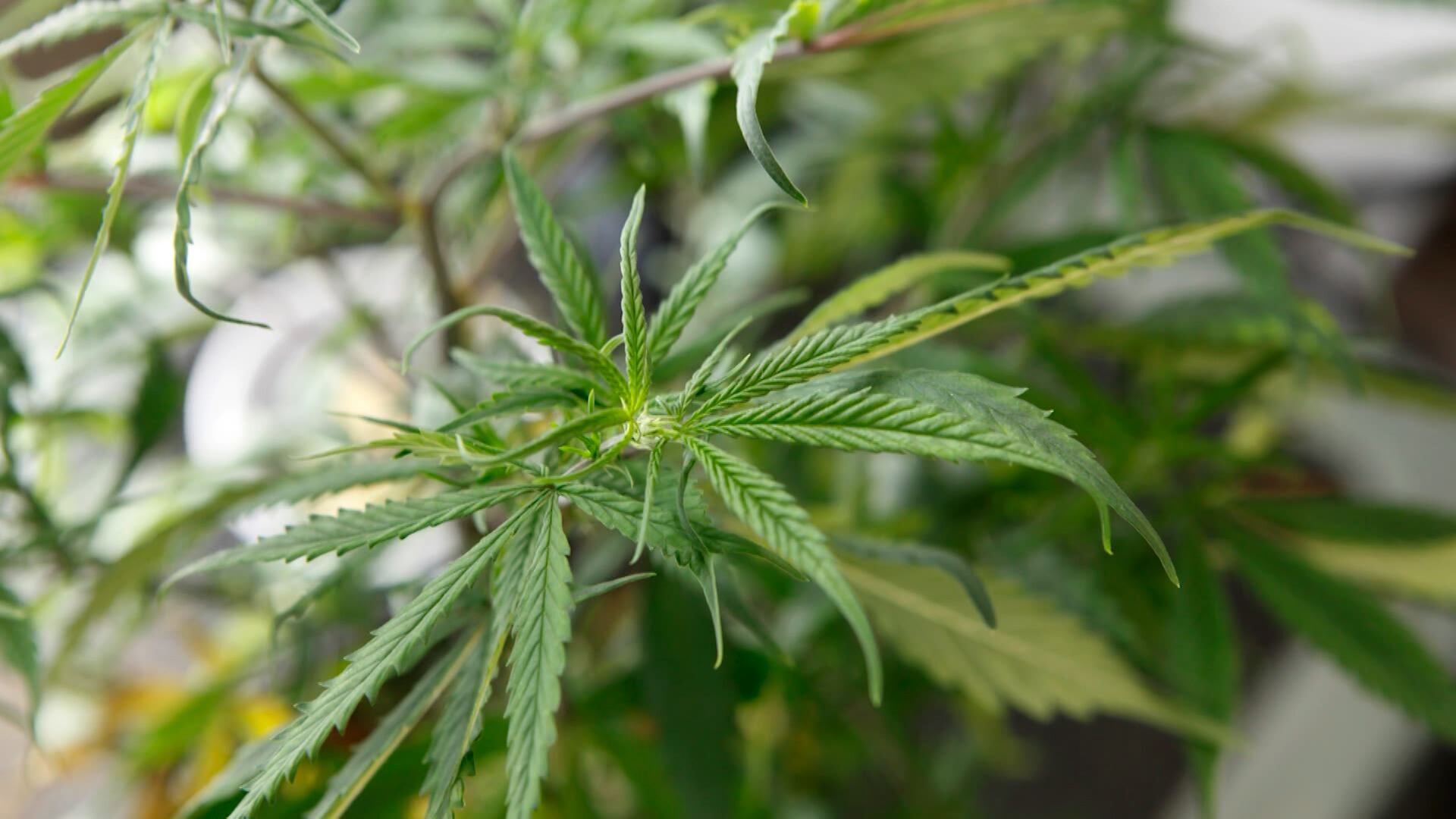
Cheddar's Chloe Aiello joined "Closing Bell" to break down the progress of the SAFE Banking Act in Congress as cannabis businesses operators struggle to find financial institutions that will service them. Banks face steep federal penalties, including the risk of losing a bank charter, if found to be servicing marijuana businesses even if their state has legalized operations. Aiello reported that while there was some bipartisan support for the measure in the Senate, the bill faces some opposition from conservatives with "longstanding concerns" about cannabis and progressives who prefer a more comprehensive approach to reform.
Head of Instagram Adam Mosseri is slated to testify this week in front of the Senate Commerce Subcommittee after a Wall Street Journal report that found the Meta-owned social media platform is negatively impacting the mental wellness of teen girls.
Chinese regulators are reportedly behind China-based ride-hailing company DiDi exiting from the New York Stock Exchange, just days after listing earlier this year. The regulators stated prior that DiDi had not received the necessary clearances to list in the states. Gordon Chang, Asian affairs expert, joined Cheddar to break down what the delisting says about the relationship between nations. "This really strikes me as an attempt to really to force a decoupling of China and the U.S. in the financial markets," Chang said.
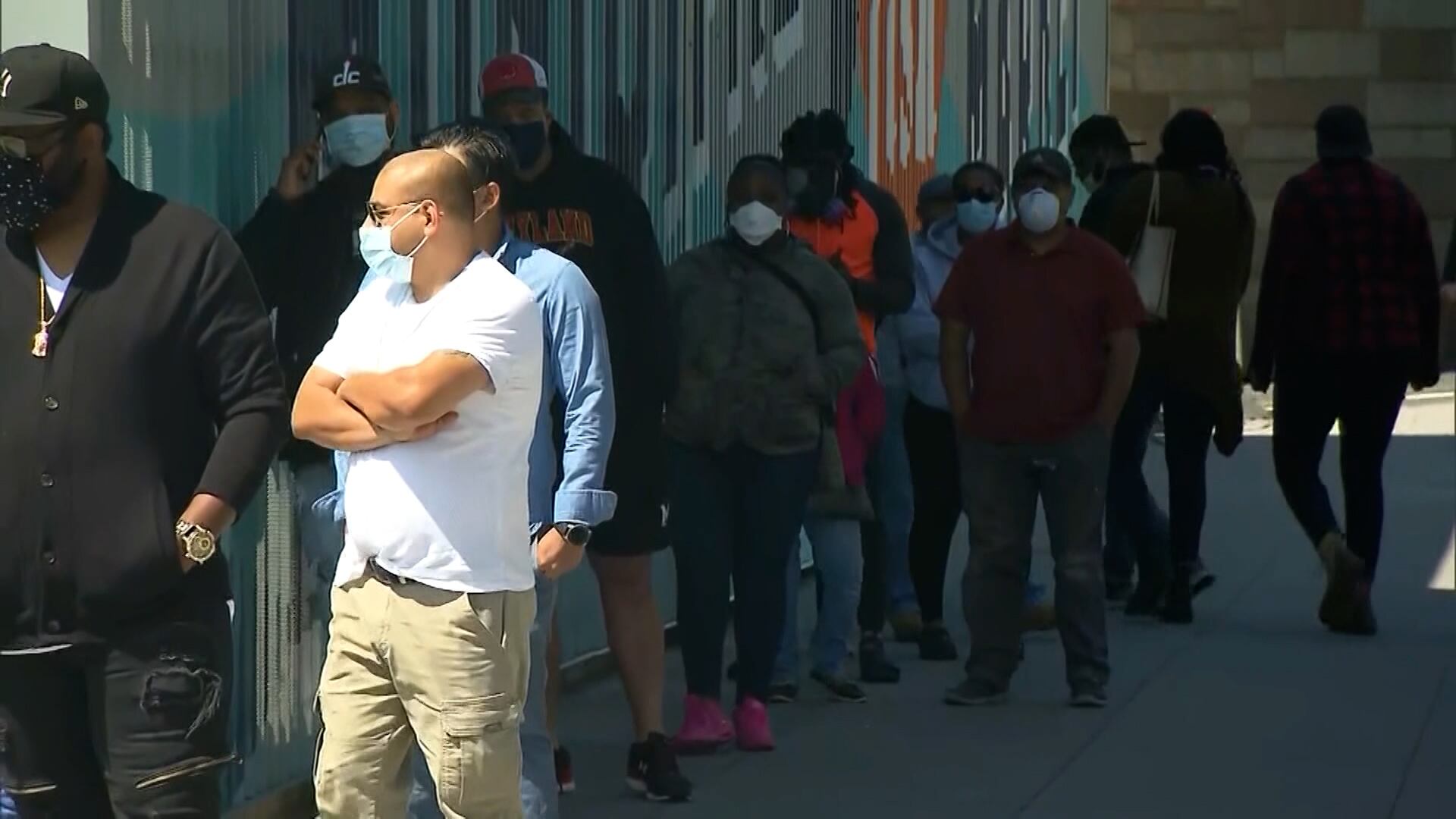
U.S. Futures were pointing to a higher open to round out the week despite a miss on the November Jobs Report, which showed slower job growth than expected-- and as the omicron variant continues to spread across the country. Patrick Healey, Founder & President at Caliber Financial Partners joined Cheddar's Opening Bell to discuss.