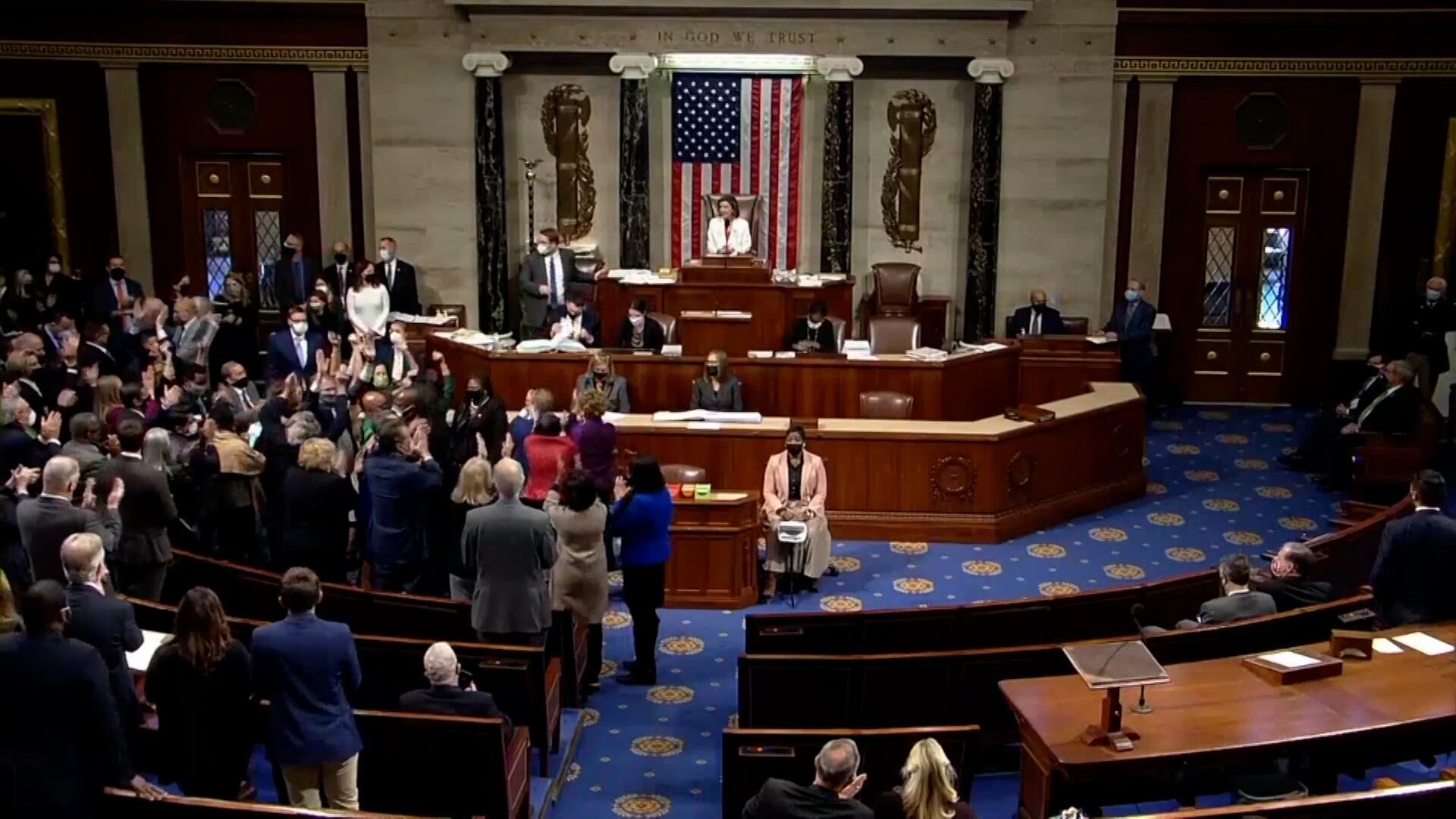
Federal agencies would be financed for another month under bipartisan legislation approved by the House on Tuesday, the latest emblem of Congress' persistent inability to finish its budget work on time.
Senate passage, expected perhaps next week, will send the bill to President Joe Biden for his signature. Without that the government would deplete its spending authority on Feb. 18 and have to shutter most of its doors, an election-year embarrassment that neither party wants, and it will not happen.
The bill includes $350 million to address leaking military fuel tanks that have contaminated drinking water near Hawaii's Pearl Harbor, and nearly 6,000 people have complained of illness. The military has moved around 4,000 families into hotels and flown in water treatment systems from the U.S. mainland.
Tuesday's House vote was 272-162. All but one voting Democrat supported the bill, but it was opposed by more than 3 in 4 Republicans, who often use such votes to portray themselves as fiscal conservatives.
The short-term measure would fund government at last year’s levels through March 11. Congressional leaders say they hope that will give bargainers time to reach agreement on overall spending totals, and then write the 12 bills that spell out details on how agencies will spend that money.
Those bills finance everything from the armed forces to programs for education, the environment, veterans and public health. In addition, a portion of the 10-year, $1 trillion infrastructure bill — about $14 billion this year — can't be committed to projects until Congress approves a spending bill formally providing the money.
The government's budget year runs from Oct. 1 through Sept. 30. It's been many years since Congress has finished all its budget bills by Oct. 1 because of partisan fights over priorities.
“No one wins" when Congress has to rely on short-term legislation to finance agencies piecemeal, said Rep. Rosa DeLauro, D-Conn., who chairs the House Appropriations Committee. The top Republican on that panel, Rep. Kay Granger of Texas, said that while no one wants another stopgap bill, “the alternative is much worse" — a reference to a federal shutdown.
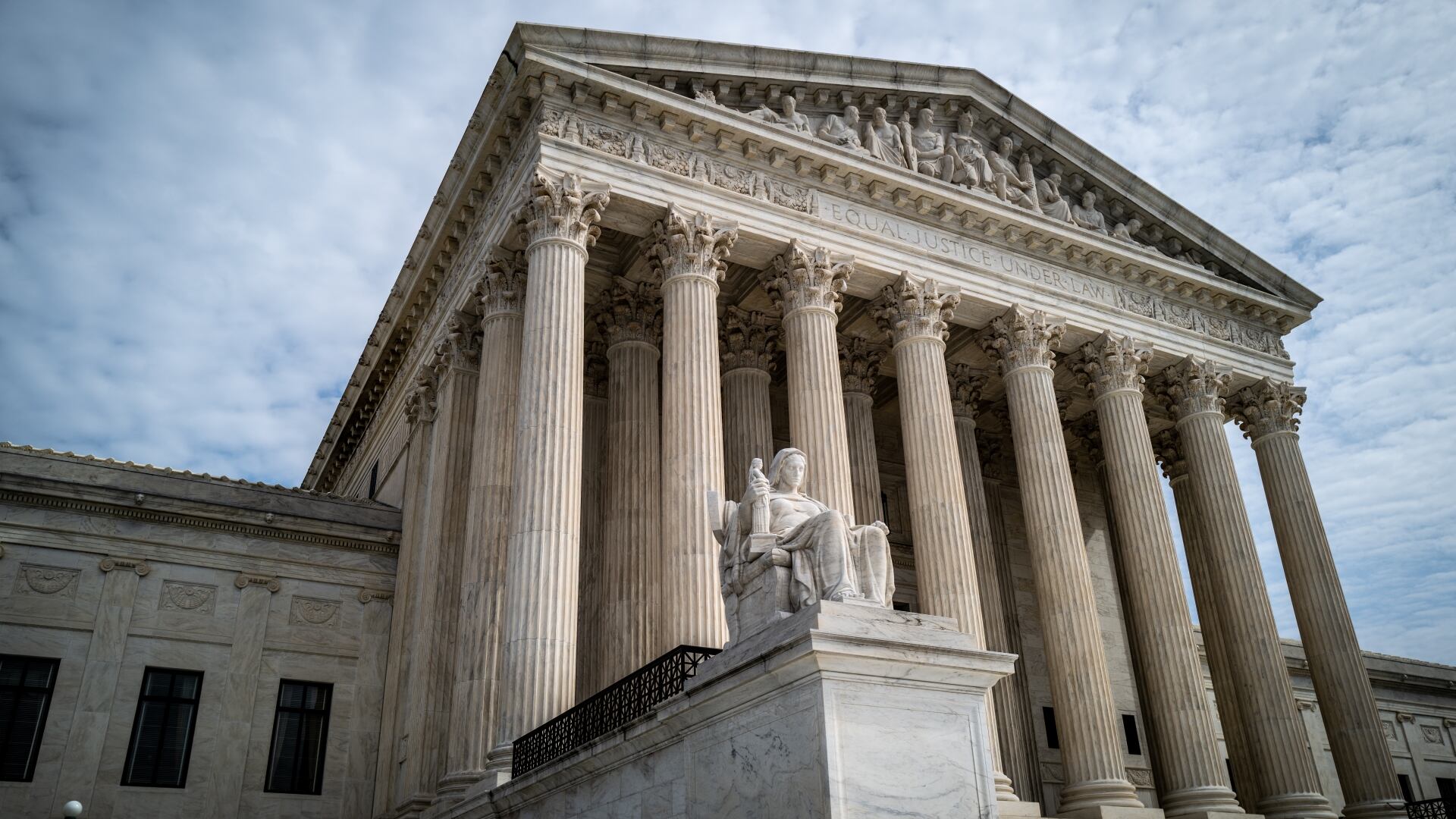
The Supreme Court will be hearing arguments in Dobbs v. Jackson Women's Health on Wednesday over a Mississippi law banning abortions after 15 weeks. Jimmy Hoover, the Supreme Court editor-at-large for Law360, joined Cheddar to break down the momentous legal fight. "This is the biggest abortion case at the Supreme Court in 30 years," he said. "It is a … a direct challenge to Roe v. Wade."
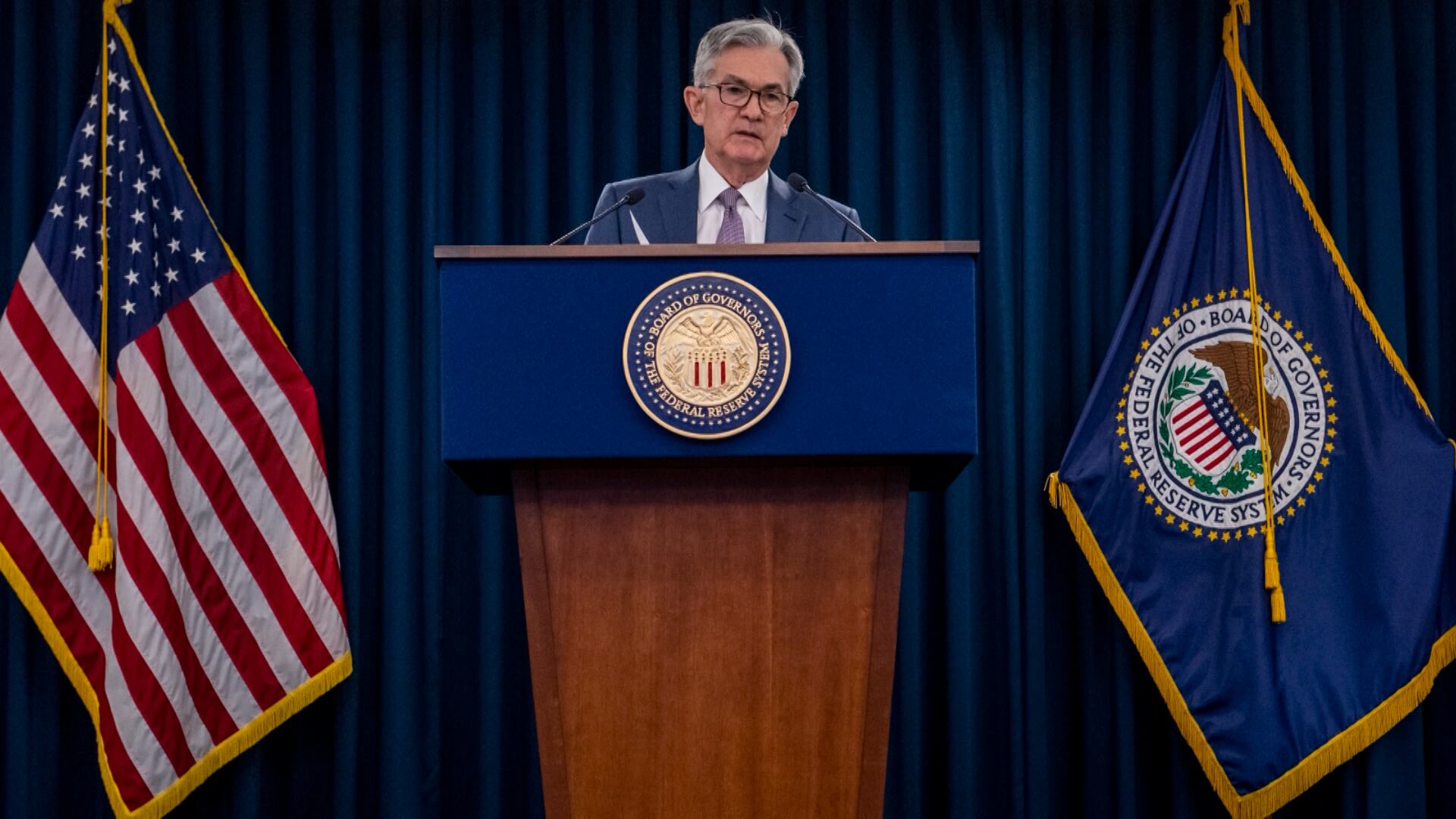
Matt Peron, Director of Research at Janus Henderson Investors, joins Cheddar News' Closing Bell, where he breaks down the factors leading to today's market slide and says there's more to it than Fed Chair Jerome Powell's comments about speeding up tapering efforts.
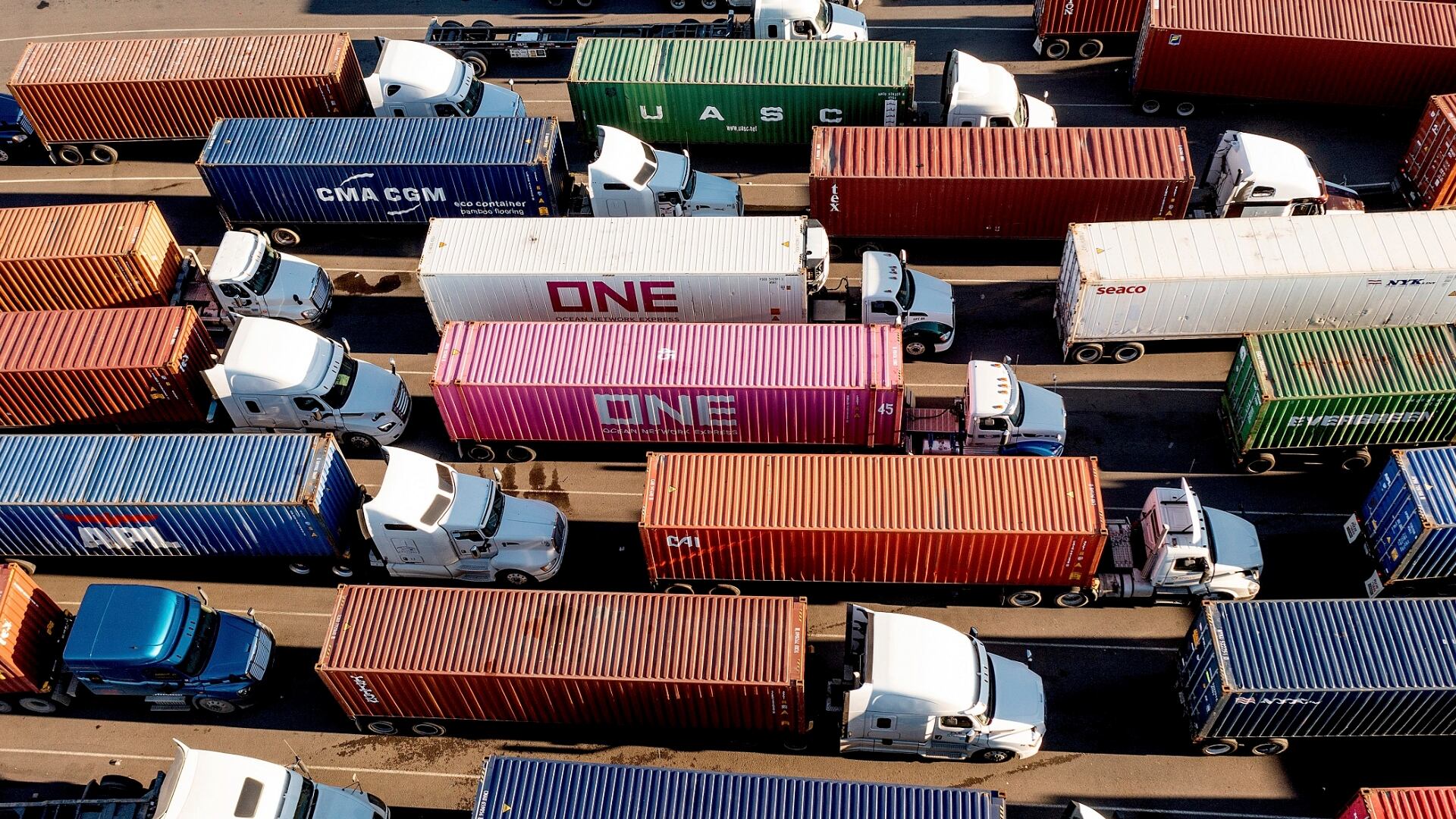
Walmart CEO Dough McMillon praised the Biden administration's efforts to ease supply chain constraints after the company saw a 26 percent jump in shipments over the last month. President Joe Biden had announced back in October that California ports would operate on a 24/7 basis.
Jill and Carlo cover the latest developments with the Omicron variant that are spooking markets once again. Twitter's @Jack is leaving, SCOTUS takes up abortion rights and the world has a brand new republic.
The Biden Administration is set to buy 10 million courses of Pfizer's Covid pill if it gains emergency use authorization from the FDA. With this purchase, the U.S. will receive more than 13 million courses of antiviral pills aimed at treating Covid and reducing severe illness and death. Pfizer's pill has been shown to reduce risk of hospitalization and death by 89 percent, proving it could be a key tool in the fight against the pandemic. Dr. Soumi Eachempati, Co-Founder, CEO & CMO of Cleared4, joined Cheddar News to discuss.
The Build Back Better Act has been at the center of endless negotiations and debate, ultimately landing as a nearly $1.8 trillion plan. One of the highlights is $170 billion dollars for affordable housing, making history as the largest investment in the sector to date. Eliza Collins, politics reporter for The Wall Street Journal, joins Cheddar News to break down the bill.
The Biden Administration is releasing 50 million barrels of oil from the U.S. oil reserves in hopes of easing soaring gas prices. Vijay Vaitheeswaran, Global Energy and Climate Innovation Editor at the Economist, joined Cheddar to discuss.